
Elevating a gift basket from a simple collection of items to a stunning visual presentation relies heavily on the final packaging layers. Using high-quality cellophane plastic wrap provides a brilliant, high-gloss protective shield that showcases the contents inside while keeping them secure. However, a beautiful wrap is incomplete without the perfect arrangement of ribbons and bows to crown the presentation. Achieving a professional finish requires understanding how different ribbon textures, weights, and colors interact with the slick, reflective surface of the plastic wrap.
In tropical climates like the Philippines, where high humidity can affect the structure of wrapping materials, selecting the right combination of cellophane plastic and durable decorative textiles is essential. Whether you are assembling a festive holiday hamper, a corporate giveaway, or a rustic basket filled with local artisanal treats, mastering these pairing principles will ensure your gift remains pristine and visually striking. By balancing color contrast, tactile textures, and structural proportions, you can transform ordinary packaging into an extraordinary, memorable gift experience.
Essential Principles for Pairing Cellophane and Ribbons
To create a visually appealing gift basket, you must treat the clear wrap and the decorative tie as a unified design system. Because cellophane plastic is inherently transparent and highly reflective, it acts as a glossy lens over the basket’s contents. The ribbon and bow serve as the focal point that anchors this reflective surface, drawing the eye to the gift while holding the entire assembly together structurally.
Products mentioned in this guide
![[DKI Enterprises] 5pcs Cellophane Plastic Wrapper 35x39 inch](https://img.lazcdn.com/g/p/20e56bddb50b6e16ae70b628b0888ea8.jpg_400x400q80.jpg_.webp)
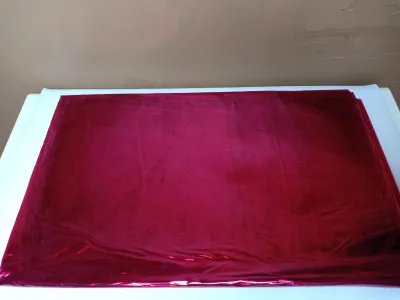
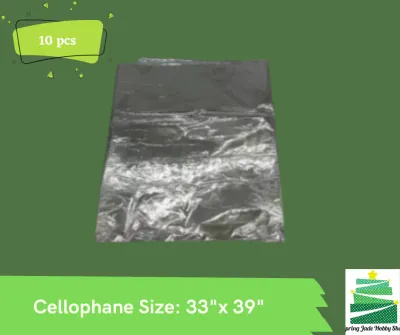
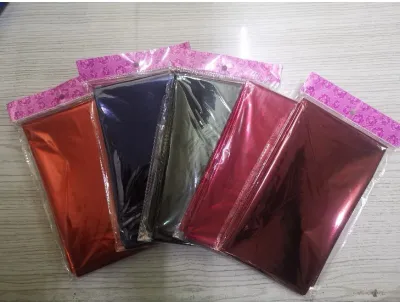
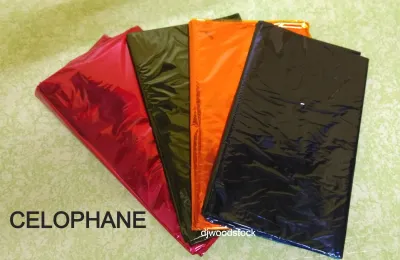
Prices are valid at publication and may change. Please refer to the product page for the latest price.
Color contrast is the first major design element to consider. Since the underlying wrap is clear, the ribbon color must stand out against both the cellophane and the items inside the basket. If the basket contains colorful tropical fruits, bright local delicacies, or multi-colored packaging, a solid, neutral-toned ribbon—such as cream, gold, or deep navy—provides a sophisticated frame. Conversely, if the basket contents are monochromatic or neutral, a vibrant ribbon in emerald green, crimson, or royal blue adds a much-needed pop of color. Always ensure the ribbon color complements, rather than clashes with, the dominant hues of the gift items.
Texture balance is equally critical when working with cellophane plastic. The smooth, crisp, and high-gloss nature of plastic wrap can sometimes look cold or overly synthetic if paired with the wrong materials. To soften this effect and add visual depth, introduce ribbons with rich, tactile textures. Pairing the slick plastic with the ribbed surface of grosgrain, the rustic weave of burlap, or the airy softness of organza creates a beautiful sensory contrast. This interplay of light-reflecting plastic and light-absorbing fabric elevates the overall perceived value of the presentation.
Finally, proportion and scale must guide your selection of ribbon width and bow size. A large, heavy wicker basket packed with gourmet jars requires a wide ribbon—typically 2 to 3 inches—and a substantial, multi-loop bow to look balanced. If you use a narrow ribbon on a massive basket, it will look swallowed by the cellophane and may fail to support the weight of the gathered plastic. On the other hand, small token baskets or delicate pastry boxes are best paired with narrow ribbons (1/2 to 1 inch wide) and simple, elegant bows. An oversized bow on a small basket will overwhelm the contents and cause the cellophane wrap to sag or collapse under the physical weight.
Step-by-Step Guide to Wrapping with Cellophane Plastic
Before you can apply your decorative ribbons and bows, you must establish a neat, tightly secured cellophane base. Properly preparing and gathering the plastic wrap ensures that your ribbon sits on a stable foundation and does not slip or bunch up unevenly.

First, measure and cut the cellophane plastic wrap with precision. Place your gift basket in the exact center of a large, flat workspace. Pull the cellophane sheet up on the left and right sides, meeting at the top center above the basket’s highest point. To create a beautiful, flared “ruffle” at the top, ensure you have at least 6 to 8 inches of excess wrap extending beyond the basket handle or the tallest item. Cut the roll cleanly using sharp scissors, taking care to make straight, even cuts to prevent the edges from tearing under tension.
Next, gather and pleat the wrap around the basket’s neck or handle. Instead of simply bunching the plastic together in a chaotic mess, use a systematic pleating technique. Start from the front and back, pulling the cellophane upward and holding it tightly against the center. Then, gather the left and right sides, folding the plastic into neat, accordion-style pleats as you bring them to the center. This structured gathering channels the natural stiffness of the cellophane plastic into clean, professional lines, creating a uniform flare at the top.
Once the wrap is gathered neatly, you must secure this base layer temporarily before attempting to tie your decorative ribbon. Because cellophane is incredibly slick, trying to hold the pleats in place while simultaneously tying a complex bow can be frustrating and often results in a loose wrap. Secure the gathered neck tightly using a clear zip tie, a piece of flexible floral wire, or a strip of clear adhesive tape. This temporary anchor keeps the plastic taut, maintains the symmetry of your pleats, and leaves both of your hands free to focus entirely on crafting and positioning your decorative ribbon.
Best Ribbon and Bow Combinations for Cellophane
Choosing the right ribbon material depends heavily on the theme of your gift, the occasion, and the type of basket you are using. Different fabrics interact uniquely with the glossy surface of cellophane plastic, allowing you to achieve styles ranging from formal elegance to rustic charm.
Satin and Grosgrain for a Classic Presentation
Satin ribbon is a timeless choice that exudes luxury and formality. The smooth, lustrous sheen of double-faced satin mirrors the reflective gloss of cellophane plastic, creating a highly coordinated, high-shine presentation. This combination is particularly well-suited for corporate gift baskets, formal holiday hampers, or milestone celebrations like weddings and anniversaries. Because satin is soft and fluid, it drapes beautifully, allowing long ribbon tails to cascade elegantly down the sides of the basket.
Grosgrain ribbon, characterized by its matte finish and distinct ribbed texture, offers a completely different aesthetic. The horizontal ridges of grosgrain provide excellent structural integrity and grip, making it much easier to tie securely against the slippery surface of cellophane plastic. The contrast between the ribbed fabric and the slick plastic adds a clean, modern, and tailored look to the presentation. For both satin and grosgrain, classic multi-loop bows or structured pom-pom bows work exceptionally well, as these materials hold their shape beautifully when tied tightly.
Burlap and Jute Twine for a Rustic Theme
For an organic, artisanal, or eco-friendly presentation, pairing cellophane plastic with natural fiber ribbons creates a striking visual contrast. The rough, earthy texture of burlap and the simple, matte finish of jute twine ground the synthetic shine of the plastic wrap. This style is incredibly popular in the Philippines for native gift presentations, especially when using hand-woven buri baskets, rattan trays, or bamboo boxes filled with local coffee beans, tablea chocolates, dried mangoes, or hand-crafted soaps.
To master this rustic look, use a layering technique. Wrap a wide strip of natural burlap (about 2 to 3 inches wide) around the gathered neck of the cellophane to act as a textured collar. Next, wind thin jute twine over the center of the burlap collar three or four times, pulling it tight to compress the cellophane underneath. Finish by tying the jute twine into a simple, classic shoestring bow. The rough fibers of the burlap and twine cling naturally to each other and to the plastic, preventing any slippage while adding a warm, handcrafted feel to the gift.
Organza and Mesh for a Soft, Elegant Touch
If you want to achieve a delicate, romantic, or whimsical presentation, organza and mesh ribbons are the ideal choice. Organza is a sheer, lightweight fabric with a subtle shimmer that harmonizes beautifully with the transparency of cellophane plastic. This combination is perfect for baby showers, bridal hampers, Mother’s Day gifts, or delicate cosmetics baskets. Because both materials are translucent, the basket’s contents remain softly filtered rather than completely hidden, creating an air of mystery and elegance.
One of the greatest advantages of organza and mesh is their sheer volume-to-weight ratio. You can loop these lightweight fabrics repeatedly to create massive, fluffy, multi-layered bows that add dramatic size and visual impact to the top of your basket. Unlike heavy satin or thick velvet, a giant organza bow will not add physical weight to the gathered cellophane, preventing the wrap from sagging or collapsing inward. The airy loops catch the light gracefully, enhancing the sparkling quality of the underlying plastic wrap.
Tying Techniques to Secure and Showcase Your Bow
Securing a ribbon onto a slippery cellophane plastic surface can be challenging. Without the proper tying techniques, your beautifully styled bow can easily slide down the neck of the basket, loosening the wrap and ruining the presentation.
To prevent slippage, always use a double-knot or a surgeon’s knot when securing the initial ribbon tie. A surgeon’s knot is created by passing the working end of the ribbon through the loop twice instead of once before pulling it tight. This extra pass creates double the friction, locking the ribbon firmly against the slick cellophane plastic and preventing it from backing off while you tie the actual bow loops. This simple adjustment ensures your wrap remains tight and professional during transport.
For added security and professional positioning, utilize hidden structural aids beneath your decorative ribbon. Before applying your main ribbon, wrap a sturdy piece of green floral wire or a flexible chenille pipe cleaner tightly around the gathered neck of the cellophane. Twist the wire ends tightly with pliers to lock the wrap in place, then trim the excess wire. Tie your decorative ribbon directly over this wire anchor. The textured wire provides a non-slip surface that grips the ribbon, allowing you to position the bow exactly where you want it without fear of it sliding down the smooth plastic.
The final step in achieving a professional presentation is fluffing and finishing the bow. If you are using a wired-edge ribbon, gently insert your fingers into each loop to round them out, creating full, three-dimensional shapes. For non-wired ribbons, pull the loops taut and ensure they are symmetrical. To finish the tails, fold the ribbon end in half vertically and cut upward at a 45-degree angle toward the outer edge to create a classic “V” shape (swallowtail), or simply cut a clean diagonal angle. This prevents the fabric from fraying and gives your gift basket a polished, high-end look.
Common Pairing Mistakes to Avoid
Even with high-quality materials, minor structural or stylistic errors can compromise the durability and beauty of your gift basket presentation. Understanding these common pitfalls will help you avoid ruined wraps and disappointing designs.
First, avoid using ribbons that are too narrow, stiff, or sharp-edged directly against the cellophane. Cheap, thin plastic curling ribbons or stiff, wire-edged ribbons can act like blades when pulled tightly around gathered cellophane plastic. Under tension, these sharp edges can easily slice through the plastic wrap, causing the gather to burst open and requiring you to re-wrap the entire basket. Always use a soft, wide fabric ribbon for the primary tie, or protect the cellophane by wrapping a soft pipe cleaner or floral tape around the neck first.
Another frequent mistake is overcrowding the top of the basket with an excessively large or heavy bow. While a dramatic bow is eye-catching, a top-heavy presentation can cause the cellophane wrap to sag, especially in humid environments. High humidity can soften certain types of plastic wrap over time, making them less rigid. If your bow is too heavy, the cellophane will buckle under the weight, pressing down onto the gift items and losing its crisp, professional structure. Keep your bows proportional and lightweight, opting for airy materials like organza if you desire maximum volume.
Lastly, avoid mismatching the formality of your ribbon material with the basket’s contents or the overall theme. For example, pairing a rustic, coarse jute twine with a luxury spa basket filled with high-end perfumes and silk robes creates a jarring aesthetic clash. Similarly, using a stiff, formal corporate satin bow on a casual, hand-woven native basket filled with fresh local fruits can look out of place. Ensure that your basket material, the items inside, the cellophane wrap, and the decorative ribbon all tell a cohesive story, elevating the gift into a thoughtful, well-curated masterpiece.
Community discussion
Share your experience or ask a question. Comments are reviewed before publication.