
Elevating a simple paper bag into a polished gift presentation relies on balancing textures, coordinating colors, and maintaining structural proportion. By intentionally matching the ribbon material to the bag’s finish and selecting an appropriately scaled bow, you can create a cohesive, professional-looking package without needing specialized wrapping skills. The secret lies in treating the paper bag not merely as a container, but as an active design element that dictates the style, weight, and attachment method of your decorative accents.
Evaluating Your Base: Choosing the Right Paper Bag
Before selecting a single strand of ribbon, you must evaluate the structural and aesthetic qualities of your paper bag. The bag serves as the foundation of your entire presentation, and its material properties will dictate what decorative elements it can support. For instance, a rustic kraft paper bag features a textured, matte surface that absorbs light and offers excellent friction, making it ideal for holding knots securely. Conversely, a high-gloss laminated paper bag presents an ultra-smooth, reflective surface that requires specialized adhesives to prevent ribbons from slipping.
Beyond aesthetics, structural integrity is paramount. You must assess the weight and dimensions of the gift to ensure the bag does not sag or tear. Heavy items require thick, high-gsm (grams per square meter) paperboard bases and reinforced handles. If you plan to attach a large, multi-layered bow, the bag’s handles must be strong enough to bear the tension and weight without distorting the bag’s shape.
Products mentioned in this guide
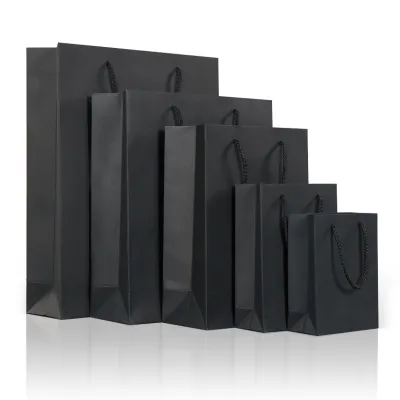
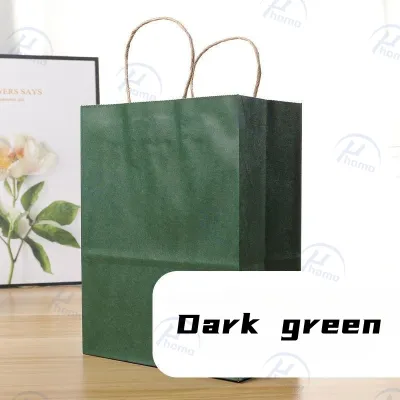
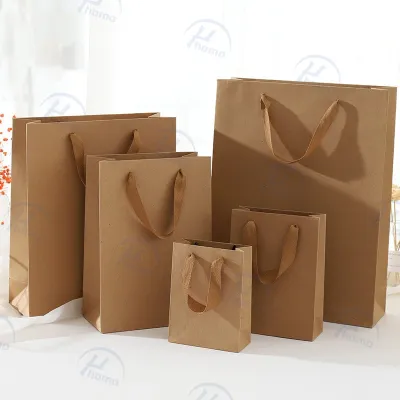
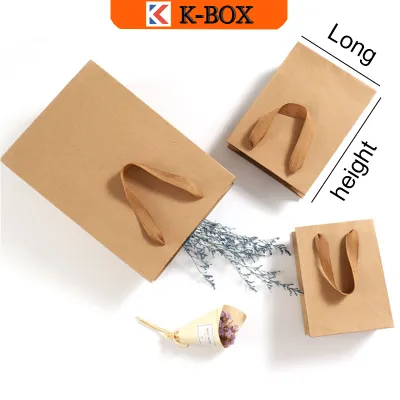
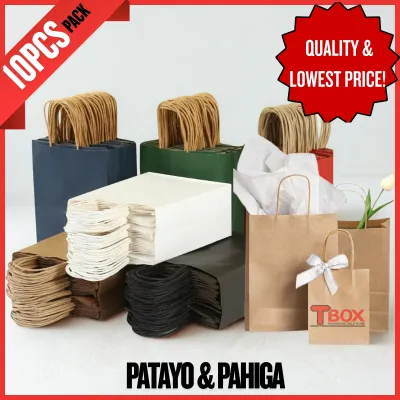
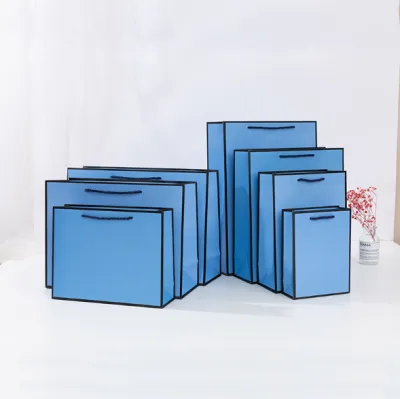
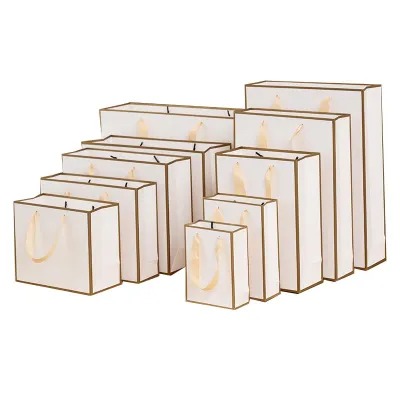
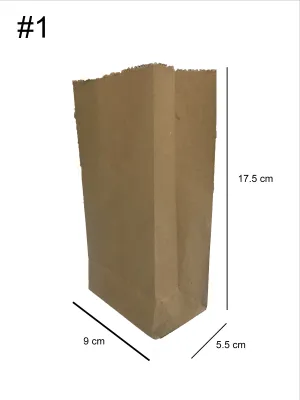
Prices are valid at publication and may change. Please refer to the product page for the latest price.
Finally, establish your foundational color palette. A neutral brown or white kraft bag offers a blank canvas that pairs well with almost any color, while a vibrant solid or complex patterned bag requires a more calculated approach. Identifying these base characteristics early prevents visual clashes and structural failures later in the assembly process.
Matching Ribbons to Paper Bag Textures and Colors
Achieving a harmonious design requires a thoughtful interplay between the textures of your paper bag and your chosen ribbons. Contrast is a powerful tool; pairing a rough, organic kraft paper bag with a sleek, double-sided satin ribbon creates an appealing tactile tension that feels modern and deliberate. For a more cohesive, organic aesthetic, match matte paper bags with natural cotton, linen, or grosgrain ribbons. The ribbed texture of grosgrain adds subtle structural lines that complement the clean edges of a paper bag.

Color coordination should follow established design principles to evoke the right mood. For a sophisticated, high-end look, a monochromatic scheme—such as a forest green ribbon on a sage green bag—creates understated elegance. If you want high visual impact, look to complementary colors, like pairing a deep navy blue bag with a warm copper or gold ribbon. When working with highly patterned bags, select a solid ribbon that matches one of the minor accent colors in the pattern to tie the presentation together without overwhelming the eye.
Scale and proportion are equally critical when selecting ribbon width. A tiny, narrow ribbon on a large shopping-sized paper bag will look lost and visually weak, while an oversized, wide ribbon on a small jewelry-sized bag will overwhelm the package. As a general rule, use ribbons between 1.5 to 2.5 inches wide for medium to large bags, and restrict ribbons under 1 inch to small, delicate gift bags.
Selecting and Styling Bows for a Professional Finish
The bow is the focal point of your gift presentation, and its style should match both the occasion and the bag’s overall aesthetic. For formal events, such as weddings or corporate milestones, a classic multi-loop bow made of satin or organza provides a luxurious, traditional feel. For modern, minimalist presentations, a simple single-loop knot with long, elegant streamer tails offers a clean, contemporary look that highlights the quality of the ribbon itself.
To maintain visual balance, the finished bow should be proportional to the front surface area of the paper bag. A bow that is too large can make the bag top-heavy, causing it to tip over easily, especially in humid environments where paper fibers soften slightly. Aim for a bow width that spans approximately one-half to two-thirds of the bag’s width.
The final touch of a professional bow lies in how you finish the ribbon tails. Raw, straight-cut edges look unfinished and are highly prone to fraying. Use sharp fabric scissors to cut the tails at a clean 45-degree angle, or fold the ribbon in half vertically and cut upward at an angle to create a classic, symmetrical dovetail. This simple step instantly elevates the presentation from amateur to artisanal.
Assembling the Package: Attaching Ribbons and Bows Securely
Securing your ribbons and bows requires a method that preserves the structural integrity of the paper bag while ensuring the decorations remain intact during transport. One popular approach is handle integration. You can wrap the ribbon around the base of the handles, thread it through the handle punch-holes, or tie it directly to the center of a rope handle. This keeps the decoration anchored without needing direct adhesives on the bag’s face.
When attaching bows directly to the bag’s front panel, choose your adhesive based on the bag’s surface and local environmental conditions. In warm, humid tropical climates, standard liquid glues can dry slowly or warp the paper, while cheap tape may lose its tackiness. Double-sided tape with a strong acrylic adhesive or specialized glue dots offer a clean, instant bond that resists humidity. For heavy fabric bows, a small dab of hot glue works exceptionally well on matte paper, but use caution on glossy or laminated surfaces as the heat can melt the plastic coating.
To add depth to your presentation, consider layering supplementary details. Threading a small, personalized gift tag onto a thin secondary cord of twine or metallic thread adds a layer of sophistication. Ensure these extra elements are kept minimal to avoid creating visual clutter that distracts from the main bow.
Common Styling Mistakes to Avoid in Gift Presentation
Even with high-quality materials, minor oversights can compromise the final look of your gift. One of the most common mistakes is a material clash, such as pairing a cheap, stiff plastic ribbon with a premium, textured handmade paper bag. The contrast in quality is immediately apparent and cheapens the entire presentation.
Another frequent error is visual overload. If your paper bag features a busy, multi-colored tropical print or intricate geometric patterns, pairing it with a patterned ribbon creates visual chaos. In these cases, always opt for a solid, high-quality ribbon that allows the bag’s design to shine.
Lastly, never ignore structural risks. Attaching heavy, multi-layered bows or heavy metal charms to a lightweight paper bag can cause the bag to collapse, fold, or tear at the handles. Always verify that the bag’s paper weight and handle reinforcement can support the weight of your embellishments before finalizing the design.
Frequently Asked Questions (FAQ)
Can I reuse ribbons and bows from previous gifts for paper bag styling?
Yes, reusing ribbons is an excellent, sustainable practice, provided they pass a quick quality inspection. Check the ribbon for deep, permanent creases, frayed edges, or color fading from sun exposure. To restore wrinkled satin or grosgrain ribbons, run them through a hair straightener on a low-heat setting, or press them with a household iron set to low, placing a thin cotton cloth between the iron and the ribbon to protect synthetic fibers. Fabric bows can be gently fluffed by hand or stuffed with tissue paper to restore their original volume.
What is the best way to attach a bow to a glossy paper bag without leaving residue?
To secure a bow to a glossy paper bag without leaving sticky residue or tearing the laminated surface, use removable glue dots or low-tack double-sided tape designed for delicate surfaces. Alternatively, you can completely avoid adhesives by tying the ribbon directly around the base of the bag’s handles. This method keeps the bag pristine, allowing the recipient to easily reuse the bag for future gifting.
Community discussion
Share your experience or ask a question. Comments are reviewed before publication.