
Selecting high-quality refillable whiteboard markers in the Philippines requires balancing the initial cost of the marker body against the long-term savings of refill ink, while ensuring the ink formulation matches your specific board type and local climate conditions. In tropical environments where high humidity and elevated temperatures can accelerate solvent evaporation, choosing a marker with a secure seal and a reliable ink delivery system is essential. By focusing on durable nib materials, airtight cap designs, and compatible ink formulations, you can maintain clear, highly visible writing on your boards without the constant waste of disposable alternatives.
Whether you are equipping a corporate boardroom in a high-rise office, setting up a classroom for the school year, or organizing a home productivity board, transitioning to a refillable system reduces plastic waste and lowers your stationery expenses over time. This guide outlines the key factors to evaluate when selecting refillable markers, compares the primary refill mechanisms available, and provides practical steps to verify product quality before making a purchase.
Quick Guide to Choosing Refillable Whiteboard Markers
When evaluating refillable whiteboard markers, three primary decision factors dictate performance and user satisfaction: the refill mechanism, nib durability, and ink visibility. The refill mechanism should align with your comfort level regarding maintenance; some systems use clean, plug-and-play cartridges, while others rely on direct liquid ink injection. Nib durability is equally critical, as a soft or easily frayed tip will degrade long before you finish your first bottle of refill ink, rendering the refillable aspect useless. Finally, the ink must feature high pigment density to remain legible from a distance, especially under the bright fluorescent lighting common in local classrooms and offices.
Products mentioned in this guide
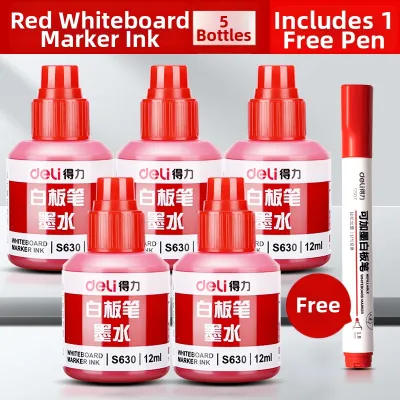
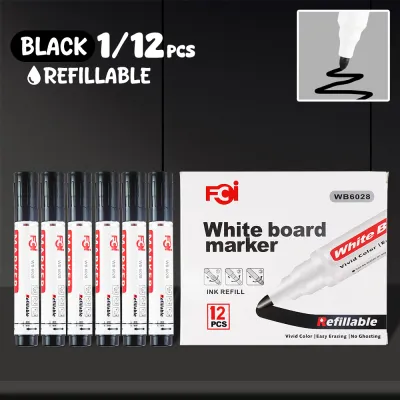
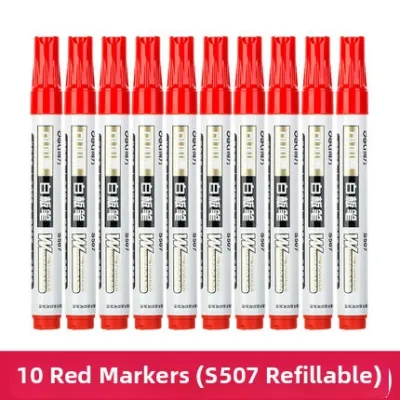
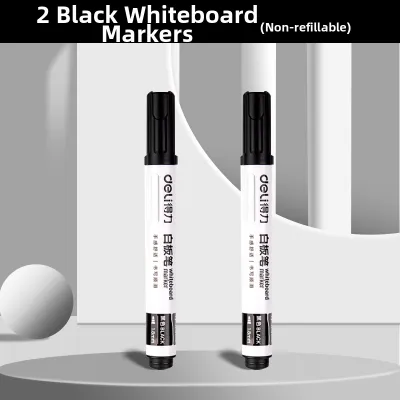
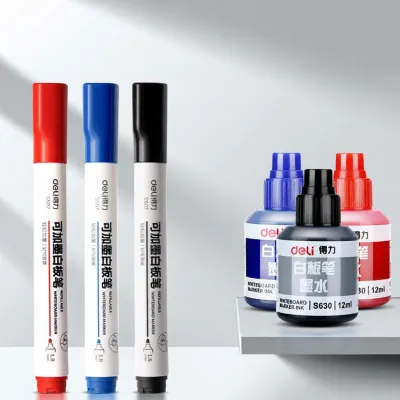
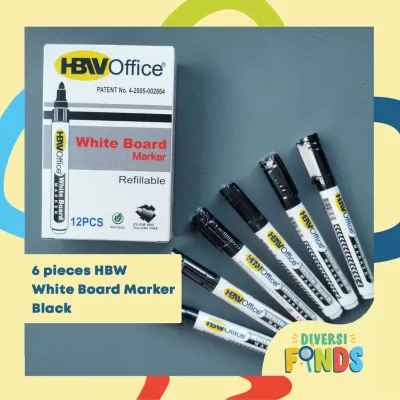
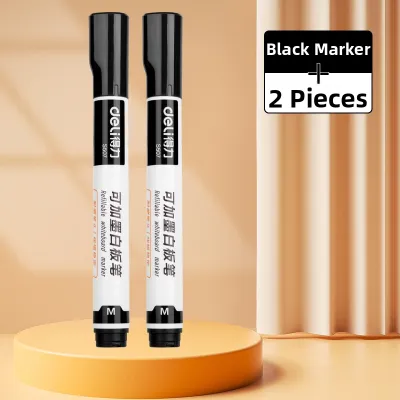
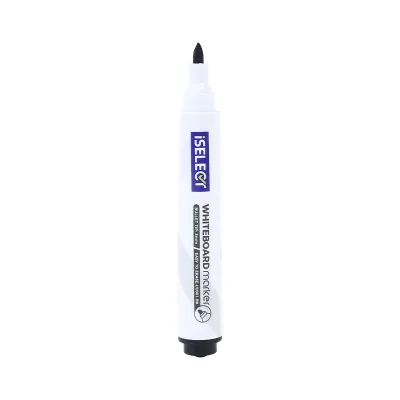
Prices are valid at publication and may change. Please refer to the product page for the latest price.
To verify genuine “refillable” claims on product packaging or online listings, look for explicit instructions on how to replenish the ink. Some low-cost markers are marketed as refillable simply because their rear caps can be pried open with tools, but they lack proper internal reservoirs or replacement parts. Genuine refillable markers feature threaded joints, dedicated refill ports, or modular cartridge chambers designed for repeated opening and closing without compromising the airtight seal of the marker barrel.
In the Philippine market, a standard disposable whiteboard marker typically costs between ₱30 and ₱60. In contrast, a high-quality refillable marker body may range from ₱70 to ₱150, with refill ink bottles costing between ₱150 and ₱300 depending on the volume. While the initial investment for a refillable system is higher, a single bottle of direct refill ink can replenish a marker dozens of times. This brings the cost per refill down to less than ₱10, making the refillable system highly cost-effective within just a few months of regular use.
Comparing Refill Mechanisms: Cartridges vs. Direct Ink Refills
Refillable whiteboard markers generally fall into two categories based on how ink is replenished: cartridge-based systems and direct ink refill systems. Cartridge systems offer a highly convenient, mess-free experience. When the marker runs dry, you simply unscrew the barrel, remove the empty plastic cartridge, and click a fresh, pre-filled cartridge into place. This design is ideal for fast-paced environments, such as corporate meeting rooms or shared co-working spaces, where users want to avoid the risk of ink stains on hands, clothing, or furniture. The primary trade-off is compatibility; cartridge systems are strictly proprietary, meaning you must purchase the exact cartridge model designed by the marker manufacturer.

Direct bottle refills, which utilize a dropper or a sponge injection needle, represent the most economical choice for high-volume users. With this method, you open the marker body—either by unscrewing the neck or removing the rear plug—and drip liquid ink directly onto the internal polyester reservoir or inject it via a syringe-style nozzle. This approach offers the lowest cost-per-milliliter of ink and allows for more flexible sourcing, as some high-quality universal whiteboard inks can work across different marker brands. However, direct refilling requires a steady hand and a dedicated workspace, as accidental spills can be difficult to clean from porous surfaces.
Evaluating your long-term operational costs depends heavily on your specific environment and usage patterns. For a home office or a small tutoring space with occasional use, a cartridge-based system provides excellent convenience and prevents the ink from drying out during long periods of inactivity. For large educational institutions, training centers, or busy office floors where markers are used daily, the direct bottle refill system is far more practical. The minor inconvenience of manual refilling is easily offset by the substantial budget savings accumulated over hundreds of hours of whiteboard instruction.
Matching Nib Shapes and Ink Formulations to Your Whiteboard
Selecting the correct nib shape directly influences how effectively your audience can read your writing. Whiteboard marker nibs are primarily available in three configurations:
- Bullet Tip: This rounded shape produces consistent, medium-width lines regardless of the angle at which you hold the pen. It is the most popular choice for standard handwriting, brainstorming sessions, and smaller whiteboards where space is limited.
- Chisel Tip: Featuring a slanted edge, the chisel tip allows you to write with varying line widths. You can use the flat edge for broad, thick strokes that are highly visible from the back of a large lecture hall, or use the sharp point for finer lines and accents.
- Fine Tip: Designed for detailed work, fine tips produce thin, precise lines. These are highly suitable for compact personal whiteboards, tracking daily tasks on a calendar grid, or drawing intricate technical diagrams and mathematical formulas.
Beyond the physical tip, the chemical properties of the ink must be verified on the product label. In enclosed, air-conditioned spaces, low-odor formulations are essential to prevent headaches and discomfort during prolonged use. You should also look for quick-dry capabilities to prevent smudging, particularly if you are left-handed and tend to drag your hand across the board as you write. Non-ghosting guarantees indicate that the ink is formulated to release cleanly from the board surface without leaving behind faint, dark shadows of previous writing.
Surface compatibility is another critical factor that depends on your whiteboard material. Standard melamine boards, which are common in budget-friendly setups, are relatively porous and prone to absorbing ink pigments over time, making high-quality, easily erasable ink crucial. Painted steel and porcelain-on-steel boards offer smoother, non-porous surfaces that work well with most standard alcohol-based inks. If you are using a modern glass whiteboard, standard marker inks may appear faint or streaky; glass boards require highly pigmented, dense ink formulations specifically rated for glass surfaces to ensure high contrast and clean erasability.
Building Your Shortlist: Verification Steps for Online and In-Store Purchases
When shopping for refillable whiteboard markers on local e-commerce platforms or in physical stationery stores, a systematic verification process will help you avoid low-quality products. Begin by carefully reading the product descriptions to confirm what is included in your purchase. Some listings feature attractive prices but only include the empty marker body, requiring you to purchase the starter ink or cartridges separately. Look for bundle options that package the marker with an initial supply of ink, extra cartridges, or replacement nibs, as these offer the best immediate value.
User reviews on online marketplaces provide valuable real-world insights into the durability of the markers. When browsing reviews, filter for feedback concerning common failure points. Pay close attention to complaints about dried-out reservoirs upon arrival, leaking barrels that stain fingers during use, or fragile nibs that compress and lose their shape after a few days of writing. If multiple reviews mention that the cap does not click securely into place, it is a strong indication that the marker will dry out quickly in warm tropical climates.
Verifying seller credibility is essential to ensure you receive genuine products rather than cheap counterfeits. On e-commerce platforms, prioritize purchasing from official brand stores, certified mall sellers, or established local stationery distributors. Check the seller’s return policy and customer service rating; reliable sellers will offer straightforward returns or replacements if a marker arrives damaged or dry. Additionally, look for clear product photos that display safety seals on the ink bottles and legible, step-by-step refill instructions printed on the packaging.
Maintaining and Troubleshooting Your Refillable Markers
To maximize the lifespan of your refillable marker bodies and ensure a consistent flow of ink, proper maintenance is required. Always store your whiteboard markers horizontally when not in use, as recommended by most manufacturers. Storing markers vertically can cause gravity to pull the ink away from the nib (resulting in faint writing) or flood the nib (causing leaks and pooling when you first touch the board). Keeping them flat ensures that the ink remains evenly distributed throughout the internal reservoir and the tip.
If a marker nib becomes clogged with paper dust, whiteboard residue, or dried ink, you can often revive it using simple cleaning methods. For alcohol-based inks, gently wiping the tip with a lint-free cloth moistened with a small amount of isopropyl alcohol can dissolve the blockage and restore smooth ink flow. Avoid soaking the entire nib in water or harsh solvents unless the manufacturer’s instructions explicitly permit it, as incompatible liquids can permanently break down the binder in the ink reservoir.
While refillable markers are designed for long-term use, they do have physical limits. The marker body and internal feeding valve will eventually wear out after repeated refills. If you notice that the nib has become permanently frayed, split, or compressed to the point where it no longer holds its shape, check if the manufacturer offers replacement nibs. However, if the plastic threads on the refill cap strip, or if ink begins to leak from the seams of the barrel rather than the tip, the structural integrity of the marker has failed, and it is time to replace the marker body entirely.
Frequently Asked Questions (FAQ)
Can I use third-party ink in branded refillable whiteboard markers?
Using third-party ink in branded refillable markers is possible but carries distinct risks. Whiteboard inks are formulated with specific solvents, pigments, and release agents that must match the physical properties of the marker’s internal reservoir and nib. Mixing different ink brands can lead to chemical incompatibilities, causing the ink to clump, clog the feeding mechanism, or permanently stain your whiteboard. Additionally, using non-proprietary consumables typically voids any manufacturer warranties on the marker body.
If you decide to use third-party ink to save on costs, perform a compatibility check first. Clean the marker reservoir as thoroughly as possible if switching ink types, or dedicate a new, empty marker body to the third-party ink. Before writing extensively, conduct a safe testing procedure by applying the ink to a small, inconspicuous corner of your whiteboard. Let it dry completely for several hours, then verify that it erases cleanly without leaving any ghosting or residue.
Why does my refillable marker still write faintly after adding new ink?
If your marker continues to write faintly immediately after you have added new ink, the most common cause is insufficient settling time. When you add liquid ink or insert a new cartridge, the ink requires time to fully saturate the internal sponge, flow through the feed valve, and reach the tip of the nib. To resolve this, recap the marker securely and let it rest horizontally for 10 to 15 minutes to allow gravity and capillary action to distribute the ink evenly.
If the faint writing persists after settling, check for dried ink blockages at the junction where the nib meets the internal reservoir. In warm climates, if a marker is left uncapped for too long, a crust of dried pigment can form, blocking the flow of fresh ink. If cleaning the tip does not work, the physical nib may be worn out, compressed, or clogged with dust from the whiteboard surface. In this case, replacing the nib with a fresh spare part is necessary to restore the marker’s original performance.
Community discussion
Share your experience or ask a question. Comments are reviewed before publication.