
Creating customized lootbags that leave a lasting impression requires a thoughtful combination of structural strength and refined surface aesthetics. The secret to a premium look lies not just in the graphic design, but in how the physical bag feels in a guest’s hands and how it holds up during an event. By selecting the right base material and pairing it with a complementary finish, you transform a simple container into an elegant keepsake that enhances the overall gifting experience.
To achieve this polished result, you must evaluate how different papers, fabrics, and coatings interact under real-world conditions. Factors such as local humidity, the weight of the items inside, and the venue’s lighting all play a critical role in how your customized lootbags are perceived. Taking a systematic approach to material selection ensures your packaging looks exceptional, remains durable, and perfectly represents your brand or celebration.
Evaluating Base Materials for a High-Quality Feel
The foundation of any premium customized lootbag is its base material, which dictates both the bag’s structural integrity and its initial tactile impression. When evaluating paper options, pay close attention to the paper weight, typically measured in grams per square meter (GSM). For a bag that feels substantial and stands upright without sagging, look for cardstock or heavy art paper ranging from 150 GSM to 250 GSM. Thinner papers crease easily and can make even the most beautiful design look worn before the event begins.
Products mentioned in this guide
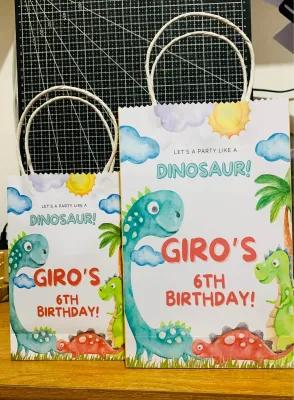
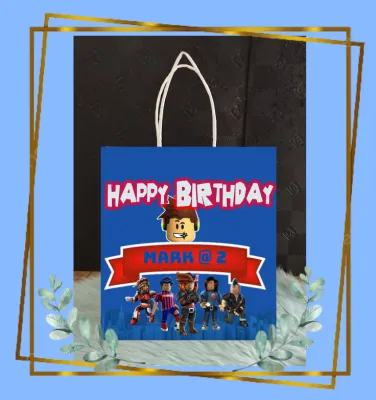
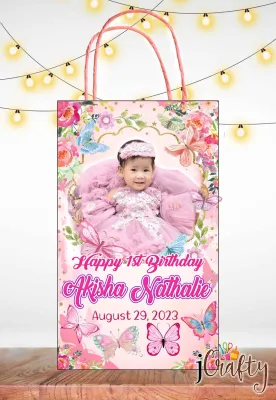

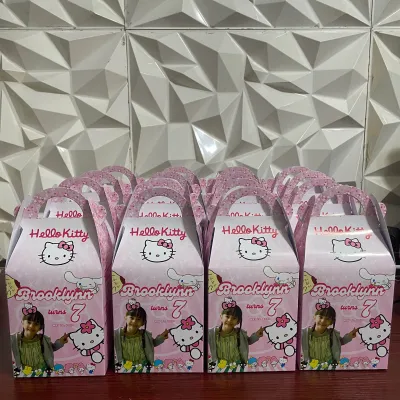
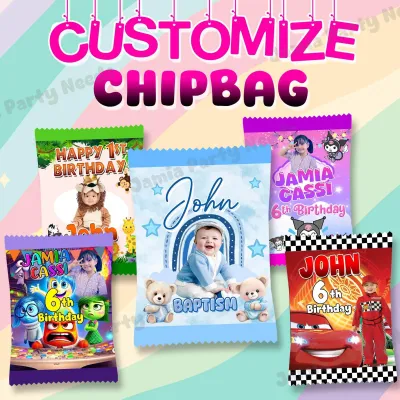
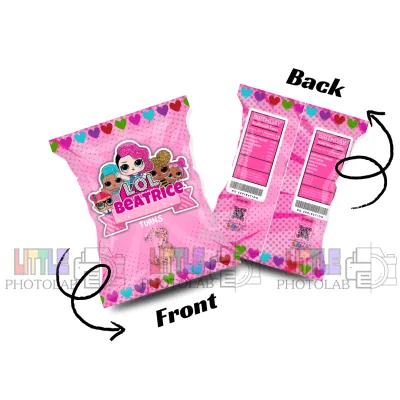
Prices are valid at publication and may change. Please refer to the product page for the latest price.
Beyond weight, the surface texture and fiber visibility of the base material heavily influence the bag’s visual character. Kraft paper offers a rustic, organic charm with visible fibers that suggest eco-friendliness and artisanal quality. On the other hand, ultra-smooth coated art papers provide a crisp, neutral canvas that allows high-resolution, colorful graphics to pop with modern precision. If you want a highly tactile experience, specialty textured papers—such as those with laid, linen, or felt finishes—add a subtle, sophisticated pattern that guests can feel the moment they touch the bag.
Structural integrity and fold strength are equally vital, especially when assembling bags with sharp, clean edges. High-quality premium papers feature long fibers that resist cracking along the fold lines, which is a common issue with lower-grade materials. In tropical climates where high humidity can soften paper fibers, choosing a material with excellent moisture resistance and robust fold strength prevents the corners from fraying or tearing. Always inspect sample folds to ensure the paper maintains a clean, unbroken line along every crease.
Selecting Finishes and Coatings for a Polished Look
Once you have selected a sturdy base material, applying the right surface finish or coating elevates the visual appeal and protects the printed design. Matte lamination is a popular choice for a modern, understated, and luxurious aesthetic. It diffuses light to eliminate harsh glare, making custom text and intricate logos highly readable under bright event spotlights. However, matte surfaces can sometimes show fingerprints or scuffs, so it is wise to verify if the supplier offers a scratch-resistant matte coating.

For vibrant, high-contrast designs, a glossy finish provides a striking, high-energy look that makes colors appear deeper and more saturated. While glossy coatings excel at catching the eye, they also reflect a significant amount of light, which can sometimes hinder readability in brightly lit environments. If you want to strike a balance or add a touch of opulence, metallic hot stamping or foil stamping in gold, silver, or rose gold can highlight specific design elements. This technique creates a reflective, premium contrast against a matte background, instantly drawing attention to your custom branding.
Tactile enhancements offer another layer of sophistication that engages the recipient’s sense of touch. Spot UV coating applies a glossy, raised layer to specific areas of a matte-laminated bag, creating a beautiful contrast that highlights logos or patterns. Embossing and debossing physically raise or recede parts of the paper, adding three-dimensional depth that feels incredibly premium. Before finalizing these finishes, always check their compatibility with your chosen base material. Applying heavy lamination or foil to highly textured or uneven papers can lead to poor adhesion, resulting in peeling, bubbling, or uneven foil transfer.
Pairing Materials and Finishes with Lootbag Contents
A premium customized lootbag must not only look beautiful but also function flawlessly under the weight of its contents. Match the weight-bearing capacity of the base material and the style of the handle attachments to the items you plan to distribute. Heavy items like glass jars, artisanal candles, or bottled beverages require thick cardstock or reinforced non-woven fabrics, paired with secure handle styles such as metal eyelets with thick cotton ropes or ribbon ties. Lightweight items, such as stationery or delicate accessories, can easily be supported by lighter papers with twisted paper handles.
The nature of the contents also dictates whether your materials need specialized barrier properties. If you are packaging local delicacies, baked goods, or cosmetics, look for materials with built-in grease, moisture, or oil resistance. Without a proper barrier or protective lining, oils from pastries or moisture from chilled items can seep through the paper, causing unsightly stains and weakening the bag’s structure. For bath and body products, ensure the inner lining can withstand humidity and minor spills without compromising the exterior design.
Additionally, be mindful of how certain finishes and coatings interact with the items inside. Some heavy chemical lamination or solvent-based inks can emit a strong, unpleasant odor when trapped inside a sealed box or bag, which can ruin the sensory experience of food or scented products. Ensure that any coatings used on the interior of the bag are food-safe if they will come into direct contact with edible treats. Furthermore, delicate items with polished surfaces, such as acrylic keychains or fine glassware, should not rub against abrasive interior finishes that could cause micro-scratches during transport.
Verifying Quality and Ordering Custom Wrapping Supplies
Before committing to a large production run, establishing a rigorous quality verification process with your supplier is essential. Always request physical proofs or pre-production samples rather than relying solely on digital mockups on a screen. Digital screens display colors in RGB, which can look vastly different from the actual printed CMYK colors on paper. Holding a physical sample allows you to evaluate the true color accuracy, feel the weight of the material, and observe how the finishes look under realistic lighting conditions, such as the warm indoor lights of a venue.
When reviewing supplier specifications, check for relevant quality standards or eco-friendly certifications if sustainability is a priority for your event or brand. Many premium clients look for paper sourced from responsibly managed forests, which can be verified through official labeling. If your customized lootbags are intended for children’s parties, confirm that the inks, adhesives, and coatings used are non-toxic and lead-free. Clear communication of these requirements early in the design phase prevents costly production delays and ensures compliance with safety expectations.
Finally, plan your order timeline carefully by confirming production lead times and minimum order quantities (MOQs) with your manufacturer. Customized packaging often requires specialized tooling, such as custom dies for embossing or foil stamping, which can extend production times. Once your order arrives, store the supplies in a controlled environment to preserve their premium quality. In humid tropical regions, keeping paper bags in a cool, dry room away from direct sunlight prevents warping, adhesive degradation, and color fading, ensuring they look pristine when assembled for your event.
Frequently Asked Questions (FAQ)
Can I combine multiple finishes on a single customized lootbag?
Yes, you can combine multiple finishes, such as spot UV on top of a matte lamination, or metallic foil stamping on a textured paper. However, this requires precise alignment during the printing process to prevent overlapping errors. Always consult with your supplier to ensure the base material can handle multiple passes through the printing press without warping, and request a physical proof to verify that the different coatings adhere to each other properly without peeling.
How do I prevent custom printing from smudging on coated wrapping materials?
To prevent smudging, especially on glossy or metallic coatings, you must verify that the supplier uses compatible, fast-drying inks or protective sealants. Coated papers do not absorb ink as quickly as uncoated papers, meaning they require longer drying times or specialized curing methods like UV curing. Request a smudge-test sample from your supplier and rub the printed surface firmly to check for ink transfer before approving the bulk order.
What is the best way to store unused premium wrapping supplies?
Unused premium wrapping supplies should be stored flat in a cool, dry environment away from direct sunlight and high humidity. Excess moisture can cause paper to warp, weaken adhesives, and make coatings sticky, while sunlight can fade vibrant custom prints over time. Keep the supplies in their original protective packaging or sealed plastic bins, and avoid stacking heavy items on top of them to prevent permanent creasing or damage to delicate finishes.
Community discussion
Share your experience or ask a question. Comments are reviewed before publication.