
Selecting the right paper bag is more than just a final step in gift-giving; it is the first impression your recipient receives. The ideal choice balances visual appeal with structural integrity, ensuring your gift arrives safely and looks intentional. In tropical climates where high humidity can soften paper fibers over time, choosing the correct material and construction becomes even more vital to prevent embarrassing tears or sagging bases. By matching the bag’s design, size, and strength to the specific event, you elevate the entire unboxing experience.
Core Features to Evaluate Before Choosing a Paper Bag
Before matching a bag to a specific celebration, you must understand the fundamental structural elements that dictate its performance. The material thickness, often measured in grams per square meter (GSM), directly influences the bag’s opacity, stiffness, and durability. Standard kraft paper bags typically range from 80 to 120 GSM, offering a rustic, matte texture that is highly reliable for lightweight to medium items. Premium bags, often made from art paper or cardstock exceeding 150 GSM, feature smooth matte or high-gloss laminated finishes that resist moisture and provide a rigid, upscale feel.
The handle design is another critical factor that affects both carrying comfort and the overall formality of the presentation. Twisted paper handles are robust and cost-effective, making them excellent for casual or heavy gifts. Flat paper handles offer a minimalist look but can dig into the hands if the package is heavy. For formal events, ribbon, cotton rope, or die-cut handles integrated directly into the paper fold provide a comfortable grip and a sophisticated aesthetic.
Products mentioned in this guide
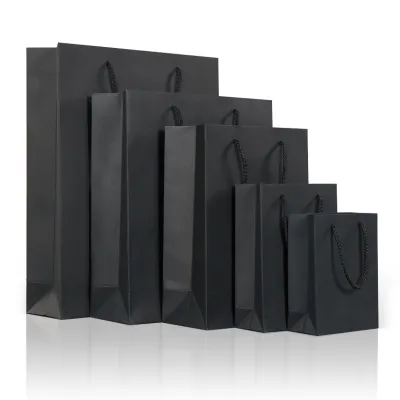
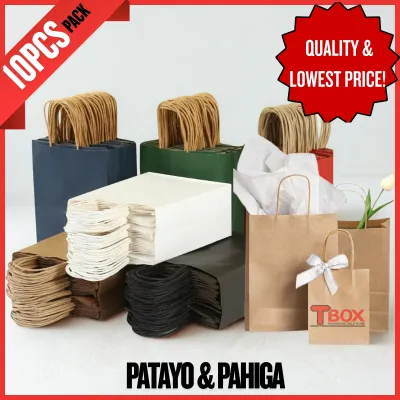
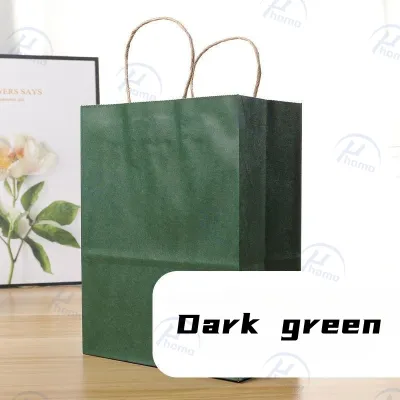
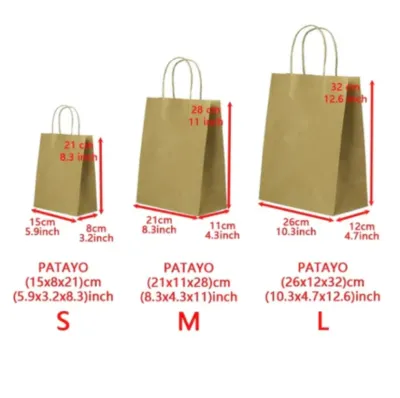
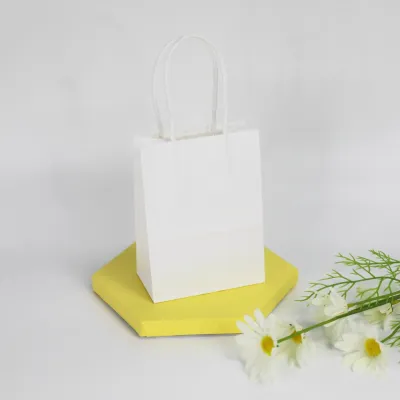
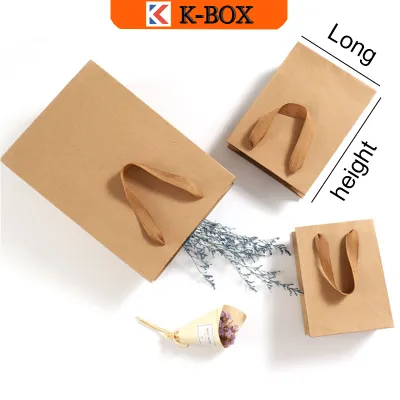
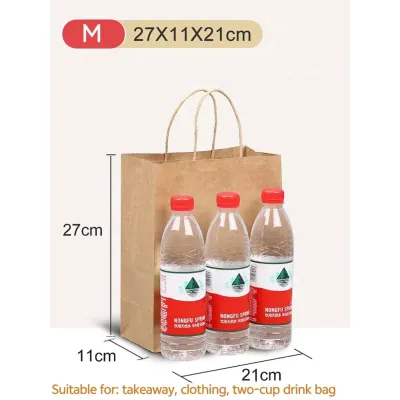
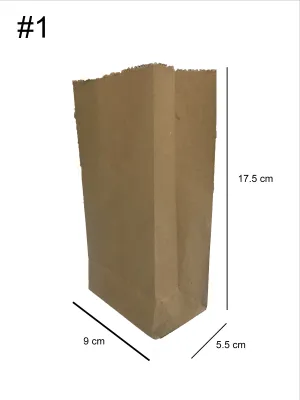
Prices are valid at publication and may change. Please refer to the product page for the latest price.
Finally, examine the base construction of the bag. Flat-bottom bags, also known as block-bottom bags, feature a rectangular gusset that allows the bag to stand upright independently on tables or floors. This design is essential for gifts that must remain vertical, such as jars, bottles, or delicate crafts. Pinch-bottom bags, which taper to a sealed edge at the bottom, are better suited for flat items like books, greeting cards, or clothing, as they do not provide a stable platform for standing upright.
Matching Paper Bag Styles to Specific Occasions
Aligning the visual style of your paper bag with the tone of the gathering creates a cohesive presentation that respects the host and the honoree. The color palette, texture, and overall quality of the packaging should mirror the event’s atmosphere, transitioning seamlessly from playful and energetic to refined and understated.

Birthdays and Casual Celebrations
For birthdays, housewarmings, and casual get-togethers, the packaging should reflect energy and warmth. Bright primary colors, whimsical patterns, and bold geometric prints are excellent choices that build anticipation. If you prefer a personalized touch, plain unbleached kraft paper bags serve as an excellent blank canvas. You can customize them with stamps, hand-drawn illustrations, or colorful ribbons.
When customizing plain paper bags with markers or calligraphy ink, always perform a quick test stroke on the inner fold or the bottom of the bag. This allows you to check for ink bleeding, feathering, or slow drying times, which are common in humid tropical environments. For these casual events, standard twisted or flat paper handles are highly practical, offering comfortable transport for toys, clothing, or novelty items. Opting for recycled or unbleached paper options also shows thoughtfulness toward environmentally conscious recipients without compromising on festive charm.
Weddings, Baby Showers, and Formal Milestones
Formal milestones demand a sophisticated presentation where the packaging matches the high-value nature of the occasion. For weddings, anniversaries, or elegant baby showers, select premium paper bags with matte, textured, or subtle metallic finishes. Soft pastel tones, classic cream, deep navy, or embossed white patterns blend seamlessly with formal venue decors and high-end gift tables.
To elevate the unboxing experience, prioritize bags with soft ribbon handles, braided cotton cords, or sleek die-cut handles. These details feel luxurious to the touch and ensure the bag remains comfortable to carry throughout a long reception. The structure must be exceptionally rigid, utilizing heavy cardstock with reinforced top folds and base boards. This structural integrity ensures that delicate wedding favors, glassware, or premium keepsakes remain upright and perfectly presented without any risk of tipping or folding.
Holidays and Seasonal Gifting
Seasonal gift exchanges often involve distributing multiple packages, meaning your paper bags must be both thematic and highly durable. During major holidays, traditional color schemes like deep reds, forest greens, or warm golds set a festive mood. However, because holiday gifts often include bulkier items like food baskets, sweet boxes, or dense baked goods, structural strength must take priority over pure aesthetics.
Look for holiday bags made from thick, heavy-duty kraft paper with reinforced bases and secure handle attachments. If you are gifting homemade treats or local delicacies, ensure the bag’s interior is lined or that the items are individually wrapped to prevent oil or moisture from seeping through the paper. Additionally, try to balance highly specific seasonal motifs with practical designs. A beautifully patterned, high-quality bag with minimal holiday-specific text is more likely to be kept and reused by the recipient, reducing waste and extending the life of the material.
Practical Sizing and Weight Checks for Your Gifts
To prevent embarrassing tears, sagging, or an awkward presentation, you must verify that your chosen paper bag can physically accommodate your gift. Begin by measuring the maximum length, width, and height of the item. Your paper bag should be at least two to three centimeters larger than these dimensions on all sides. This extra clearance prevents the corners of the gift from stretching the paper, while leaving sufficient room at the top for decorative tissue paper or protective padding.
Next, evaluate the load-bearing capacity of the bag against the weight of your gift. While manufacturers rarely print exact weight limits on individual bags, you can estimate capacity by checking the paper thickness and handle reinforcement. A standard 100 GSM kraft bag with twisted paper handles can comfortably support lightweight items up to one kilogram. For heavier items, such as a bottle of wine or a dense ceramic mug, look for bags made from 150 GSM cardstock or those featuring reinforced cardboard base inserts.
Always watch for physical warning signs of overloading before handing over your gift. If you lift the bag and notice the handles straining, the bottom sagging downward, or the side walls bulging outward, the bag is structurally compromised. High humidity can further weaken paper fibers, making these warning signs even more critical to monitor. If the bag shows any of these signs, do not risk a tear; instead, transition to a sturdier packaging alternative, such as a rigid gift box or a heavy-duty reusable tote.
Frequently Asked Questions (FAQ)
Can I reuse a paper bag for a different occasion?
Yes, you can easily reuse a paper bag if it passes a basic structural and visual inspection. Check the handles for fraying, examine the base creases for soft spots or tears, and ensure there are no oil stains, water marks, or scuffs on the exterior. To make your bags highly reusable, purchase solid-colored or neutral kraft bags initially, as they transition easily between different events. When preparing the bag for its next use, discard any crumpled tissue paper, gently wipe away dust with a dry microfiber cloth, and replace the old gift tag with a fresh, occasion-appropriate one.
How do I prevent a paper bag from tearing when carrying heavy gifts?
To reinforce a standard paper bag for a heavier gift, place a clean, rigid piece of cardboard cut to the exact dimensions of the bag’s bottom. This simple insert distributes the weight of the gift evenly across the entire base, preventing the paper from sagging or tearing at the center seam. When carrying the package, always support the bottom of the bag with one hand rather than relying solely on the handles, especially when walking over uneven surfaces or steps. If the gift is exceptionally heavy or valuable, recognize the physical limits of paper construction and opt for a wooden crate, a rigid cardboard box, or a woven tote instead.
Community discussion
Share your experience or ask a question. Comments are reviewed before publication.