
A stack of unorganized papers can turn any home or office space into a source of constant stress. Whether it is a pile of monthly utility bills, birth certificates, school report cards, or corporate contracts, finding a specific document when you need it most should not feel like a treasure hunt. Setting up a reliable folder filing system is the most effective way to regain control over your physical documents, streamline your daily workflow, and protect your valuable records. By dedicating time to establish a structured physical archive, you ensure that every critical piece of paper has a designated, easily retrievable home.
Prepare and Sort Your Documents Before Folder Filing
Before purchasing any storage supplies, you must understand exactly what papers you have. Start by gathering every loose sheet of paper from your desks, kitchen counters, filing drawers, and bags into one large, clean workspace, such as a dining table. This initial step can feel overwhelming, but consolidating everything in one place prevents you from having to repeat the process later.
Once your papers are assembled, use a simple four-pile sorting framework to categorize every item: keep, shred, recycle, and action. The “keep” pile is for documents you must retain for legal, financial, or personal reasons. The “shred” pile is for sensitive papers containing personal, medical, or financial information that you no longer need but cannot simply throw away. The “recycle” pile is for non-sensitive papers like old magazines, junk mail, or generic flyers. Finally, the “action” pile is for urgent items that require immediate attention, such as unpaid bills or unsigned forms.
Products mentioned in this guide
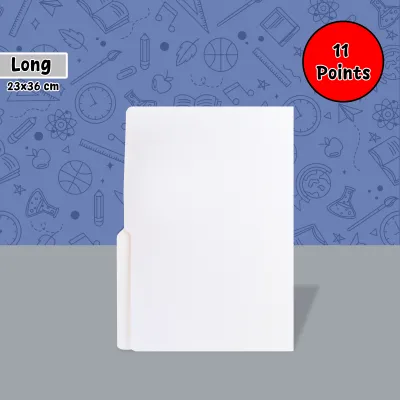
![25pcs Ordinary White Folder [LONG] or [SHORT]](https://img.lazcdn.com/g/p/1a377c03fd41cacbd761f7ce1cdb8473.jpg_400x400q80.jpg_.webp)

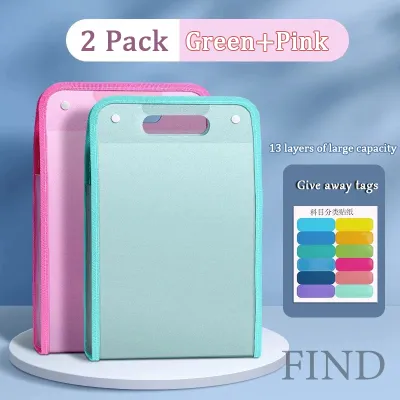
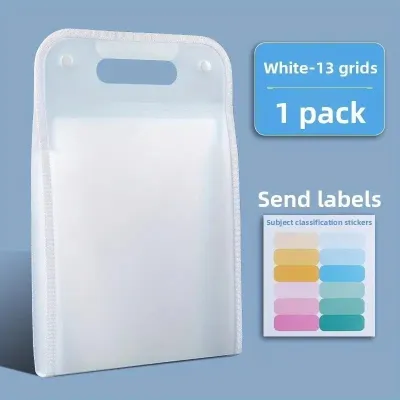
Prices are valid at publication and may change. Please refer to the product page for the latest price.
As you build your “keep” pile, begin grouping the documents into broad categories. These typically include financial records (bank statements, tax files), medical history (prescriptions, lab results), academic documents (diplomas, transcripts), legal papers (contracts, birth certificates), and general household records (appliance warranties, utility bills). Grouping them now will give you a clear estimate of the volume of each category, which directly informs how many folders you will need to buy.
Always handle sensitive documents with extreme care during this phase. Identity theft is a real concern, so never discard documents containing bank account numbers, full names, addresses, or government identification numbers directly into the regular trash. Securely shred these papers using a cross-cut paper shredder, or manually destroy them so the personal data is completely unreadable before disposal.
Select the Right Folder and Filing Supplies
Choosing the correct filing supplies is not just about aesthetics; it directly impacts how easily you can access your documents and how well they are preserved over time. The ideal folder type depends on how frequently you need to retrieve or update the contents, as well as the physical storage furniture—such as filing cabinets, deep drawers, or open bookshelves—available in your home or office.

Match Folder Types to Your Document Needs
For high-volume documents that you update frequently, ring binders and lever arch files are the industry standards. Ring binders are excellent for active projects or schoolwork where you regularly add, remove, or rearrange pages. Lever arch files feature a heavy-duty locking mechanism that can hold hundreds of sheets of paper securely, making them ideal for multi-year tax records or thick corporate archives that sit on open shelves.
If you need to transport documents or keep delicate papers safe without punching holes in them, expanding folders and clear books are superior options. Expanding folders feature multiple pockets and a secure flap or elastic closure, allowing you to carry a complete set of categorized files to meetings or school. Clear books, which contain bound plastic pockets, are perfect for protecting delicate certificates, diplomas, or original contracts from dust and physical wear while keeping them fully visible.
For traditional filing cabinets and deep desk drawers, manila folders and hanging folders are the best choice. Hanging folders slide along metal rails inside the drawer, preventing files from slipping to the bottom, while manila folders sit inside the hanging folders to subdivide specific topics. This combination allows you to flip through dozens of categories in seconds without removing the entire filing structure from the drawer.
Before purchasing any binders or folders, always verify paper size compatibility. In the Philippines, the three most common paper sizes are A4 (210mm x 297mm), Letter or short bond paper (8.5″ x 11″), and Folio or long bond paper (8.5″ x 13″). Buying an A4 binder for long bond paper documents will result in the edges of your papers sticking out and becoming damaged, while buying legal-sized folders for standard Letter paper wastes valuable storage space. Check your document dimensions and match them to the folder specifications before buying.
Gather Essential Filing Accessories
To build a highly functional system, you will need several supplementary stationery tools. A heavy-duty hole punch is essential if you plan to use ring binders or lever arch files, as it can cleanly cut through thick stacks of paper in a single press. For daily maintenance, a standard two-hole metal punch is perfect for quickly prepping incoming single-page documents before filing them away.
Divider tabs and index sheets are critical for organizing the interior of large binders. They allow you to create clear sub-categories within a single folder, such as separating a financial binder by month or dividing an academic binder by subject. Opt for write-on or printable plastic tabs, which are durable enough to withstand years of frequent flipping without tearing.
Legibility is key to a successful filing system, which makes a reliable label maker or high-quality permanent markers indispensable. Hand-written labels can quickly become messy and hard to read, whereas printed labels ensure a clean, uniform look across all folder spines and tabs. If you prefer writing by hand, use fine-tip permanent markers that dry instantly to prevent smudging on plastic or glossy paper surfaces.
Finally, invest in sturdy cardboard or plastic archive boxes for long-term storage. These boxes are designed to hold multiple manila or hanging folders securely, allowing you to move older, inactive files out of your primary desk drawers and into a dedicated storage room or closet.
Design a Logical Categorization and Labeling System
A filing system is only useful if you can find what you need in under a minute. Designing a logical categorization and labeling system ensures that you, your family members, or your colleagues can retrieve and file documents without confusion.
There are three primary sorting methods you can use, depending on the nature of your documents. An alphabetical system is best for files organized by client names, student records, or vendor accounts. A chronological system works best for transactional records, such as organizing bank statements, utility bills, or business invoices by year and month. A categorical system is ideal for general household or departmental records, where documents are grouped by topic, such as “Insurance,” “Vehicle Maintenance,” or “Home Repairs.”
Color-coding is a powerful visual strategy that allows you to identify major document categories at a glance. For example, you can use red folders for urgent financial records, blue folders for personal medical files, green folders for property documents, and yellow folders for academic records. If you prefer a uniform look with standard manila folders, you can achieve the same effect by applying colored label stickers to the folder tabs.
To maintain a professional and orderly appearance, establish consistent labeling rules. Place the main category name in a bold, clear font at the top of the folder spine or tab, and position the sub-category or specific date range at the bottom. For example, a binder spine should read “UTILITIES” at the top and “2026 – Water & Electricity” near the base. This consistent hierarchy helps your eyes scan a shelf quickly to locate the exact file you need.
If your filing system grows to span multiple drawers or cabinets, create a master index or directory sheet. This is a simple document—which can be printed and taped to the inside of the cabinet door—that lists every folder category and its corresponding location. A master index prevents duplicate folders from being created and helps new users navigate the filing system without assistance.
Execute the Physical Filing Process Step-by-Step
Once you have sorted your papers, purchased your supplies, and planned your categories, you are ready to assemble your physical filing system. Follow these steps to ensure a neat, durable setup.
First, prepare your documents for insertion. For binders, punch clean holes in your sorted papers, ensuring they line up correctly with the binder rings. If you have fragile, highly valuable, or original documents—such as birth certificates, land titles, or diplomas—do not punch holes in them. Instead, slide them into clear plastic sheet protectors before placing them into the folder to guard against tears, fingerprints, and dust. If you are using expanding files, carefully place the sorted documents into their designated pockets.
Second, insert your divider tabs to separate sub-categories within your thick binders or expanding files. Ensure the tabs are staggered from top to bottom rather than overlapping, which allows you to see every sub-category label clearly and flip directly to the section you need.
Third, apply your prepared labels to the folder spines or tabs. Take your time during this step to ensure the labels are applied straight and are highly visible. If you are using hanging folders, insert the clear plastic tab protectors over your paper labels to prevent them from bending or sliding out of place over time.
Fourth, arrange your folders in your designated storage space, whether that is a filing cabinet drawer, a desk organizer, or a bookshelf. Place them in a consistent order according to your chosen system, such as alphabetical from left to right, or chronological from front to back.
Fifth, avoid packing your drawers or shelves completely full. Always leave at least two to three inches of empty space in each drawer or folder to accommodate future documents. Overcrowding makes it difficult to retrieve folders, increases the risk of tearing papers, and discourages you from filing new documents promptly.
As a final tip, use small binder clips or rubber bands to keep loose receipts, small slips, or business cards organized inside a folder before they are permanently filed or scanned. This keeps tiny pieces of paper from slipping out of the bottom of your folders and getting lost.
Maintain and Protect Your Files in Humid Conditions
Creating a filing system is a major achievement, but maintaining it requires ongoing effort, especially when dealing with the tropical climate of the Philippines. High humidity levels, heavy monsoon rains, and seasonal flooding present unique challenges for paper preservation.
Establish a routine purging schedule, such as an annual review every December or January, to keep your files from outgrowing your storage space. During this review, go through each folder to archive older records that must be kept long-term and securely shred expired documents, such as outdated insurance policies or utility bills that are more than a few years old.
To protect your physical archives from water damage during heavy rains or sudden flooding, never store your archive boxes or folders directly on the floor. Always place them on raised shelves, filing cabinets, or plastic pallets. This simple precaution can save your irreplaceable family or business records from being ruined by ground-level water intrusion.
High humidity can cause paper to warp, ink to smudge, and mold to grow, which can quickly ruin important documents. To combat this, place several silica gel packets inside your filing cabinets and storage boxes to absorb excess moisture. For dedicated home offices or archive rooms, using a dehumidifier or maintaining good air circulation with electric fans can significantly extend the lifespan of your paper files.
Finally, digitize your most critical physical documents as an ultimate backup strategy. Use a high-quality scanner or a mobile scanning app to create digital copies of irreplaceable papers, such as land titles, marriage contracts, passports, and birth certificates. Store these digital backups securely in cloud storage or on an external hard drive, ensuring that even if physical disasters occur, your vital information remains safe and accessible.
Frequently Asked Questions (FAQ)
How long should I keep physical documents before shredding them?
The retention period depends entirely on the document type. Everyday utility bills can typically be shredded after one year once you have verified the payments, while tax records, business contracts, and employment documents often need to be kept for several years. Because legal and financial regulations vary, always check local government guidelines in the Philippines or consult a certified financial advisor to determine the exact retention periods required for your specific legal and financial documents.
Is it better to use hanging folders or standard binders for daily desk use?
Hanging folders are ideal for quick, daily sorting of incoming loose papers directly inside your desk drawers, making them perfect for active, fast-paced workflows. Standard binders, on the other hand, are better suited for documents that you need to read, present, or transport frequently. Binders keep your pages securely bound, prevent them from falling out, and offer excellent protection when you are on the move.
Community discussion
Share your experience or ask a question. Comments are reviewed before publication.