
Setting up an efficient home filing system is the ultimate remedy for paper clutter. By using a dedicated filing and document organizer, you can transform a chaotic stack of bills, receipts, and certificates into a streamlined, stress-free archive. The key to success lies in choosing the right physical tools—specifically, a combination of folders and binders—and establishing a logical categorization system that fits your daily habits. Whether you are managing monthly utility statements, medical records, or important property deeds, a structured approach ensures that every critical piece of paper is protected and easy to find when you need it most.
Assess and Sort Your Paperwork Before Organizing
Before purchasing any storage supplies, you must understand the volume and types of documents you actually need to store. Gathering all loose papers from around your home into a single workspace is the first step. Clear a large table or desk, and bring in every document from drawers, countertops, mail piles, and bags. Having everything in one place prevents you from designing a system that is too small or poorly suited for your actual inventory.
Once your paperwork is gathered, apply a simple sorting framework to separate items into four distinct piles: keep, shred, recycle, and immediate action. The “keep” pile is for essential documents that require long-term or short-term storage. The “shred” pile should contain sensitive papers with personal information, such as old bank statements or expired credit card offers, that you no longer need but must destroy for security. The “recycle” pile is for non-sensitive papers like old catalogs, flyers, or envelopes. Finally, the “immediate action” pile is for active bills, RSVP cards, or documents requiring an urgent signature or payment.
Products mentioned in this guide

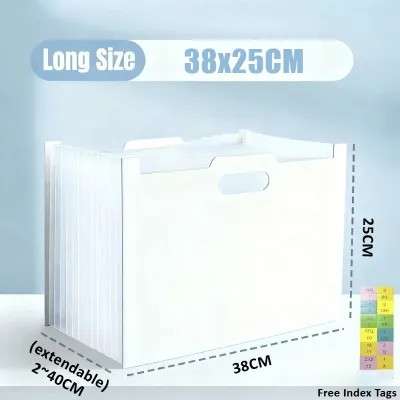
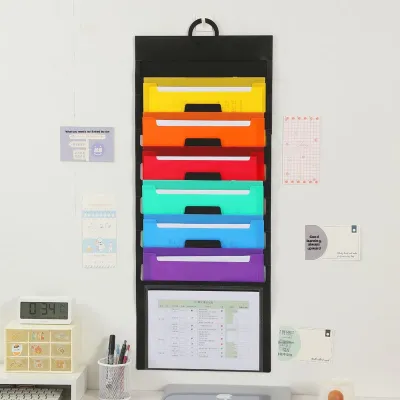
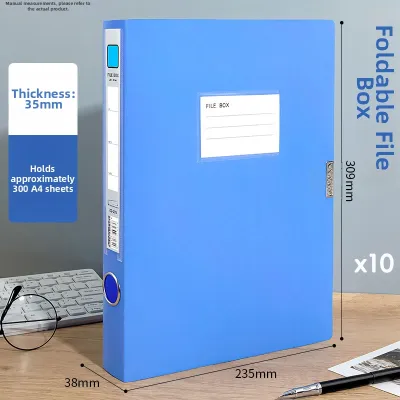
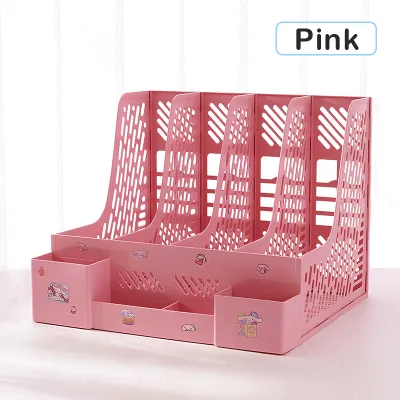
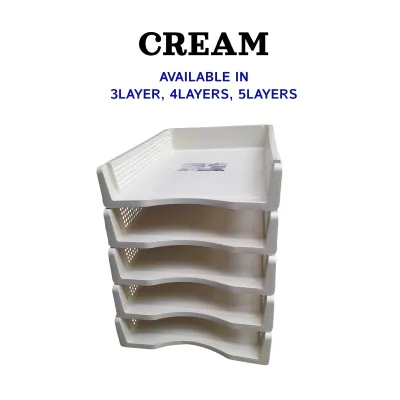
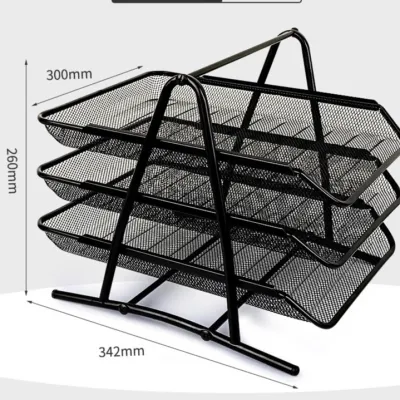
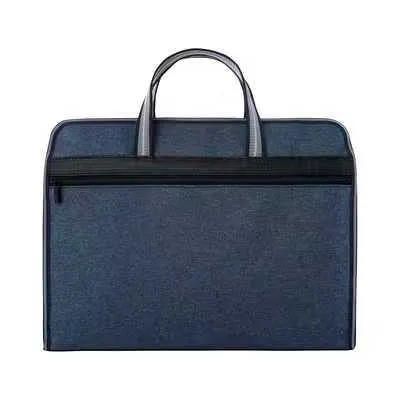
Prices are valid at publication and may change. Please refer to the product page for the latest price.
For the “immediate action” pile, select a highly visible spot on your desk or entryway table. This pile should only contain documents that require a response within the next 7 to 14 days, such as unpaid Meralco or Maynilad bills, school permission slips, or upcoming medical appointment slips. Keeping these separate from your long-term archives ensures you do not miss critical deadlines while you are building your main filing system.
After clearing out the waste, focus on the “keep” pile and group the remaining documents into high-level categories. Common household categories include financial records, medical history, personal identification, household utilities, and property documents. In the Philippines, you will also want to account for specific local documents such as Philippine Statistics Authority (PSA) certificates, barangay clearances, and Tax Declaration papers. Grouping these documents now allows you to estimate how many folders or binders you will need and helps you avoid buying unnecessary organizing supplies.
Choose Between Folders and Binders for Different Documents
Selecting the right physical tool is crucial for long-term efficiency. Using the wrong storage method can lead to damaged papers, torn edges, or lost documents. Matching the storage tool to the document’s thickness, frequency of access, and protection needs ensures your system remains functional and easy to maintain.

In the Philippines, paper sizes are not always uniform. You will frequently encounter three standard sizes: Short (Letter, 8.5 x 11 inches), A4 (8.27 x 11.69 inches), and Long (often US Legal, 8.5 x 14 inches, or Folio, 8.5 x 13 inches). Before purchasing any filing and document organizer, verify the dimensions of your documents to ensure your folders, binders, and sheet protectors are compatible with these specific standards. Mixing paper sizes in a single folder can cause the edges of longer sheets to bend, tear, or stick out, exposing them to dust and physical damage.
When to Use File Folders for Active Paperwork
File folders are ideal for flat, frequently accessed, or thin documents. If you need to slide papers in and out quickly without the hassle of hole-punching, folders are your best option. They work perfectly for monthly utility bills, active application forms, and standard receipts.
Manila folders are classic and cost-effective, but they can degrade quickly in high-humidity environments. Plastic folders, typically made of polypropylene, offer superior moisture resistance, making them highly suitable for tropical climates where paper is prone to softening or molding. For multi-category sorting on the go, expanding folders with built-in dividers provide excellent portability and organization. L-folders are also highly useful for keeping small batches of active documents clean and accessible on your desk.
If you plan to use a filing cabinet or a dedicated storage box, hanging folders are an excellent addition. These folders feature built-in metal or plastic hooks that slide along the rails of your cabinet or box, keeping the folders upright and preventing them from slipping to the bottom. You can place standard manila or plastic folders inside the hanging folders to create a modular, easily adjustable system.
When shopping for folders, check the product labels for material thickness and construction. Opt for heavy-duty cardstock or durable plastic if you expect frequent handling. Basic plastic folders in local office supply stores often start under ₱50, making them an affordable way to start organizing your active paperwork.
When to Use Binders for Reference and Thick Documents
Binders are the superior choice for thick, reference-heavy, or historical documents that you need to flip through like a book. They keep pages securely bound and aligned, making them perfect for property deeds, appliance manuals, school academic records, and family recipes.
When selecting a binder, consider the ring style. O-ring binders are common and budget-friendly, but the pages can catch on the rings and wear out over time. D-ring binders mount to the back cover rather than the spine, allowing pages to lie flat, increasing overall page capacity, and preventing alignment issues. For heavy-duty household reference, a 1.5-inch or 2-inch D-ring binder is usually sufficient, with prices typically ranging from ₱150 to ₱300 depending on the brand and material.
For fragile, non-punchable, or thermal-printed documents, always use plastic sheet protectors. Thermal receipts, such as those from supermarkets or retail stores, fade rapidly when exposed to friction or light; sheet protectors shield them from physical wear and moisture damage while keeping them legible. Ensure you choose acid-free, archival-safe sheet protectors to prevent the plastic from lifting ink off your important documents over time.
When choosing sheet protectors, you will also need to decide between clear (glossy) and matte (glare-free) finishes. Clear protectors offer excellent visibility and are ideal for colorful documents or photos, but they can reflect bright indoor lighting, making them harder to read at certain angles. Matte protectors reduce glare and resist fingerprints, making them highly suitable for documents you refer to frequently under direct overhead lights.
Create a Logical Categorization and Labeling System
A filing and document organizer is only as good as its labeling system. To make retrieving documents intuitive, choose a sorting logic that matches how you naturally search for information.
Categorical Sorting: Group documents by subject matter, such as “Insurance,” “Taxes,” or “Vehicle.” This is generally the most intuitive method for household filing.
Chronological Sorting: Organize papers by date, which is ideal for financial statements, tax records, or monthly utility bills where the most recent document is the most relevant.
Alphabetical Sorting: Arrange folders alphabetically by name or service provider, which works well for client files or specific utility accounts.
To make your categorical system even more effective, establish clear sub-categories. For example, under a broad “Property” category, you might have sub-folders or binder dividers labeled “Lease Agreement,” “Home Repairs,” and “Appliance Warranties.” This prevents any single folder from becoming too thick and difficult to navigate.
Visual cues speed up retrieval times significantly. Use color-coded tabs, stickers, or colored folders to separate major categories. For example, you might assign red for medical records, blue for financial documents, green for property files, and yellow for personal identification.
For labeling, consistency is key. Use a label maker or write in clear, block print with a fade-resistant pen. Before writing on plastic tabs or folders, perform an observable trial on a small, hidden area to check the ink’s drying speed and smudge resistance. Some gel pens may smear on plastic surfaces, whereas oil-based ballpoint pens or permanent markers typically dry faster and resist water. Place labels in a consistent position—such as all left-aligned or staggered—and ensure binder spine labels are large enough to read from a distance when stored on a shelf.
Assemble and Store Your Filing and Document Organizer
Once your papers are sorted and your folders or binders are labeled, it is time to assemble the physical system. If you are using binders, invest in a reliable multi-hole punch. Align your papers carefully before punching to avoid tearing the edges or cutting off important text near the margins. For documents that cannot be punched, slide them into sheet protectors first, then insert them into the binder.
Choose storage furniture that fits your home’s layout and the volume of your paperwork. Filing cabinets are excellent for hanging folders, while sturdy bookshelves are ideal for binders. If space is limited, stackable plastic storage boxes offer a modular, space-saving alternative.
Before loading your shelves or cabinets, verify their weight capacity. Binders filled with paper and plastic sheet protectors can be surprisingly heavy. A single 2-inch binder fully loaded with documents can weigh several kilograms; ensure your bookshelves are sturdy enough to support this weight without bowing or collapsing over time.
In tropical or humid climates like the Philippines, protecting paper from moisture, mold, and pests is a constant challenge. Keep your storage units elevated off the floor to prevent water damage from unexpected leaks or floor cleaning. Avoid placing your filing system in direct sunlight, which can fade ink and degrade plastic folders.
Ensure good air circulation around your storage area. If you use sealed plastic storage boxes, check the manufacturer instructions for moisture-resistant seals, and consider adding silica gel packets inside the boxes to absorb ambient humidity. To protect against common household pests like silverfish or cockroaches, keep the storage area clean and dry, and avoid placing pest control chemicals directly on or inside folders containing sensitive documents.
Maintain and Purge Your Filing System Regularly
A home filing system requires ongoing maintenance to prevent it from becoming overwhelmed by new paperwork. Establish an immediate filing habit by placing a small “action tray” or basket near your entryway. Drop incoming mail and receipts there immediately, then commit to sorting and filing them once a week.
Set a regular schedule for purging your files, such as an annual review during the post-tax season or a semi-annual cleanout. During this time, evaluate what needs to remain in your active files, what can be moved to deep storage (like tax returns from previous years), and what can be discarded.
When discarding documents, prioritize security. Sensitive papers containing personal identification numbers, financial details, or medical history should be shredded rather than thrown directly into the trash.
Because document retention requirements vary, always consult local regulations, financial institutions, or legal professionals to determine exactly how long you must keep specific records, such as land titles, tax filings, or business permits, before destroying them. Never rely on general estimates for legally binding documents, as premature disposal can lead to significant administrative challenges.
Community discussion
Share your experience or ask a question. Comments are reviewed before publication.