
To verify if your CASIO calculator is genuine, you must perform a multi-step authenticity check covering physical construction, display performance, built-in diagnostics, and official digital verification. In the Philippines, ensuring you have a scientific calculator original is a critical step for academic integrity and professional licensing. Counterfeit calculators are widely distributed across unauthorized online stores and street markets, mimicking popular models while harboring flawed internal chips, unresponsive keys, and fragile screens. By systematically inspecting the packaging, testing the hardware, and running the device’s native diagnostic software, you can confidently distinguish a genuine tool from a cheap imitation.
Why Fake CASIO Calculators Matter for Students and Professionals
Using an unverified or counterfeit calculator carries severe consequences, particularly for students preparing for high-stakes academic evaluations and professionals sitting for licensure exams. In the Philippines, the Professional Regulation Commission (PRC) maintains strict guidelines on the specific calculator models permitted in board examinations. During these examinations, proctors meticulously inspect every device. Carrying a counterfeit unit can lead to immediate confiscation, resulting in disqualification or immense psychological stress during the test.
Beyond regulatory compliance, counterfeit devices present significant functional risks. These calculators are typically assembled using low-grade, rejected, or generic microchips that run poorly optimized emulations of genuine CASIO firmware. As a result, they are prone to subtle rounding errors, slow processing speeds during complex operations, and sudden system crashes when handling multi-step equations. A minor calculation error can easily compromise the safety of an engineering design or lead to a failing exam grade.
Products mentioned in this guide
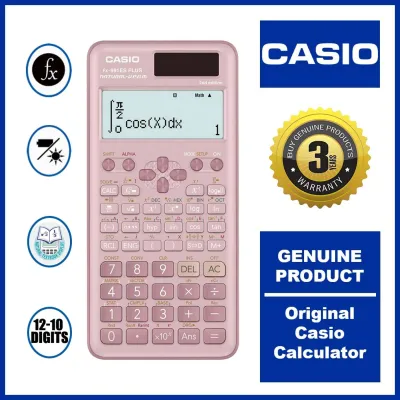
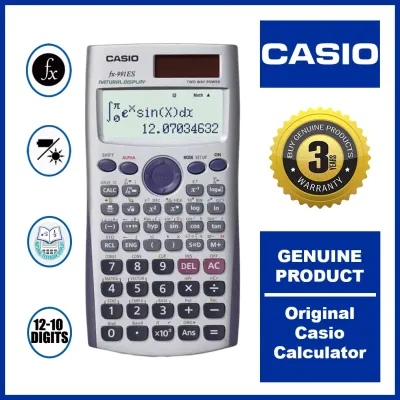
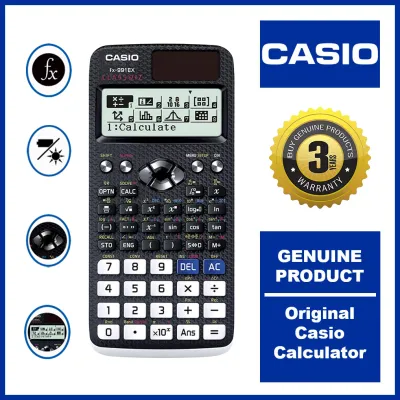
Prices are valid at publication and may change. Please refer to the product page for the latest price.
Furthermore, the tropical climate of the Philippines, characterized by high humidity and ambient temperatures, accelerates the degradation of cheap materials. Counterfeit calculators often use substandard solder joints, low-quality battery terminals prone to corrosion, and cheap liquid crystal displays (LCDs) that quickly bleed or fade under heat. Investing in a genuine device ensures long-term durability, consistent battery life, and the absolute mathematical precision required for critical tasks.
Inspecting the Packaging and External Build Quality
The first line of defense against counterfeit stationery products is a thorough visual and tactile inspection of the product’s exterior. Manufacturers of counterfeit goods have become highly adept at replicating the visual design of genuine packaging, but they almost always cut corners on material quality and printing precision to keep production costs low.

Examining the Box, Labels, and Documentation
When analyzing the packaging, start by evaluating the structural integrity of the cardboard box. Genuine CASIO packaging is made of sturdy, high-density cardboard that resists crushing and features clean, sharp folds. In contrast, fake boxes often feel flimsy, use thin cardboard, and show signs of warping or creasing even before they are opened.
Next, examine the print quality on the box. Genuine packaging displays high-definition printing with vibrant, accurate colors, sharp text, and perfectly aligned brand logos. Look closely at the spelling and typography; counterfeits frequently exhibit blurry text, slight color bleeding, or subtle typos in the technical descriptions.
The user manual and warranty card inside the box should also be inspected. A genuine manual is printed on high-quality, lightweight paper with clear, legible diagrams and grammatically correct English. Counterfeit manuals are often poorly folded, printed on cheap paper, and contain low-resolution, pixelated images or obvious translation errors. Keep in mind that packaging designs and included documentation can vary slightly depending on the specific model, production batch, and target region, so it is always wise to cross-reference your packaging with official product photos from authorized regional distributors.
Evaluating the Calculator Body and Print Quality
Once the calculator is out of the box, assess its physical build, weight, and material composition. A genuine CASIO scientific calculator has a distinct, solid weight that feels balanced in the hand. Counterfeits, which often omit internal shielding and use cheaper, thinner plastics, feel noticeably lighter and hollow.
Inspect the plastic casing and the alignment of the seams. Genuine models feature clean, precise molding where the front and back shells meet, with no gaps, sharp edges, or plastic flash left over from the injection molding process. The text printed on the calculator’s faceplate and keys must be incredibly sharp, centered, and highly durable. Genuine CASIO keys use double-injection molding or high-durability printing that does not wear off easily. On a counterfeit, the key labels are often printed poorly, showing misalignments, uneven font weights, or text that can be scraped off with a fingernail.
Turn the calculator over and examine the back panel. The engraved or printed regulatory markings, model numbers, and safety labels should be crisp and easy to read. Pay close attention to the battery compartment: the plastic door should fit flush with the rest of the casing, the screw placements must be neat and secure, and the internal metal contacts should be clean, shiny, and properly aligned without any signs of oxidation or flimsy soldering.
Testing the Screen, Keypad, and Calculation Performance
While physical inspection can catch many low-quality fakes, some high-tier counterfeits mimic the exterior casing almost perfectly. To expose these sophisticated fakes, you must test the hardware components and the internal software logic.
Assessing the Display and Button Responsiveness
The liquid crystal display (LCD) is one of the most expensive components of a scientific calculator, making it a primary target for cost-cutting by counterfeiters. Turn on the device and inspect the screen from various angles. A genuine CASIO display maintains excellent contrast, sharpness, and readability even when viewed from a side angle. Counterfeit displays often suffer from poor viewing angles, where the numbers quickly fade, become unreadable, or show heavy ghosting (where inactive segments of the digits remain visible). Additionally, check for dead pixels or uneven backlighting/contrast across the screen panel.
Next, test the responsiveness of the keypad. Every key on a genuine calculator is engineered to provide consistent tactile feedback. When pressed, the buttons should feel firm, travel smoothly, and register the input with a clean, physical click. They should not wobble excessively or feel mushy. On a counterfeit calculator, the keys often feel uneven—some may require excessive force to register a stroke, while others might feel loose, rattle when the device is shaken, or register double-taps accidentally, which can severely disrupt fast calculation workflows during exams.
Running Diagnostic and Calculation Tests
To definitively verify the internal components and firmware, you can run the calculator’s built-in diagnostic routine. For most standard CASIO models, you can access the diagnostic mode by holding down the [SHIFT] and [7] keys simultaneously, and then pressing the [ON] key. If done correctly, the screen will display a diagnostic menu or a full-pixel test pattern. Cycling through this menu allows you to test the LCD segments, verify the ROM version, and test every single key on the keypad. If your calculator does not respond to this key combination, crashes, or displays an irregular menu structure, it is a counterfeit running unauthorized emulator software.
You should also perform specific mathematical and functional tests to expose flawed software logic. Input equations that require high computational precision or test the limits of the processor. For example, calculate complex trigonometric values, large factorials (like 69!), or multi-step statistical regressions. Compare the outputs with a known genuine device or an official emulator. Counterfeit calculators running inferior chips often display rounding errors in the outer decimal places, take noticeably longer to process complex formulas, or simply throw syntax errors or crash when forced to compute advanced functions. Furthermore, test the secondary functions printed above the physical keys; fake calculators sometimes feature non-functional “dummy” buttons that do nothing when pressed in combination with the shift or alpha keys.
Using Official Verification Tools and Serial Number Checks
To combat the spread of counterfeit stationery and educational electronics, manufacturers have implemented digital verification systems that allow consumers to check the authenticity of their devices instantly. Locate the serial number and the security label on the back of the calculator or on the retail packaging. Many modern CASIO scientific calculators (especially the ClassWiz series) feature a unique QR code system designed for rapid verification. By pressing a specific sequence of keys—typically involving the [SHIFT] and [OPTN] keys or navigating to the system menu—the calculator’s screen will generate a high-density QR code.
Using a smartphone camera, scan this on-screen QR code. It should direct you to the official, secure CASIO regional verification portal. If the device is genuine, the website will display a green confirmation screen indicating that the product is authentic, along with the matching model number and serial code. If the QR code fails to generate, directs you to an unofficial or suspicious web address, or if the verification portal flags the code as invalid, the device is a counterfeit.
While checking a printed serial number on the casing or box is a useful initial step, keep in mind that sophisticated counterfeiters sometimes copy a single valid serial number from a genuine calculator and print it onto thousands of fake units. Therefore, a static serial number check should never be trusted in isolation; always combine it with the dynamic on-screen QR code test, the hardware diagnostic mode, and physical inspections to guarantee your device is a true scientific calculator original.
Choosing Reliable Channels to Buy an Original Scientific Calculator
The most effective way to avoid the hassle and risks of dealing with a counterfeit calculator is to purchase exclusively from verified, authorized retail environments.
Authorized Physical Retailers in the Philippines
When shopping in person, always prioritize established national bookstore chains, major office supply retailers, and authorized university-cooperative bookstores. These brick-and-mortar establishments source their inventory directly from official regional distributors, ensuring that every product on their shelves is genuine.
Buying from a physical store offers the invaluable benefit of hands-on inspection before you finalize your purchase. You can examine the weight, test the key responsiveness, check the packaging print quality, and even run the diagnostic key combinations right at the counter. Furthermore, physical stores provide formal, printed receipts and clear, localized return policies, making it straightforward to exchange the device or claim a warranty if you discover any manufacturing defects.
Official Brand Stores on E-commerce Platforms
If you prefer the convenience of online shopping, you must exercise extreme caution to navigate the influx of counterfeit listings on major online marketplaces. Always look for the official brand flagship stores or sellers with verified mall-certified badges. These digital storefronts are vetted by the platforms and carry direct authorization to sell genuine products.
Be highly suspicious of third-party listings offering prices that are significantly lower than the standard retail rate. For instance, if a premium scientific calculator normally retails for around ₱1,200 to ₱1,500, a listing selling the “same” model for ₱300 or ₱400 is almost certainly a counterfeit. Always read the customer reviews carefully, paying close attention to photos uploaded by buyers. Look for reviews that specifically discuss the authenticity check, show the on-screen QR code verification, or mention the tactile feel of the keys. Avoid stores with generic names, poor overall ratings, or those that lack a clear return and refund policy.
Steps to Take If You Suspect You Bought a Counterfeit
If you have performed these checks and suspect that your scientific calculator is a counterfeit, you must act quickly to protect your investment and academic standing. First, stop using the device immediately for any graded schoolwork, professional tasks, or upcoming board exams to prevent unexpected calculation errors or confiscation.
Next, gather all necessary evidence to support your claim. Take clear, high-resolution photographs of the device, highlighting the specific indicators of a fake, such as blurry printing, misaligned keys, a malfunctioning diagnostic screen, or a failed online QR code verification. Keep the original packaging, manuals, and any physical or digital receipts.
Log into the e-commerce platform or contact the physical store where you made the purchase to initiate a formal return and refund dispute. Present your documented evidence clearly and politely, explaining that the product sold does not match the description of a genuine brand item. Most major online marketplaces have robust buyer protection programs that will freeze the seller’s payout and resolve the dispute in your favor if you provide clear proof of counterfeiting. If the seller or platform refuses to cooperate, you can escalate the matter by filing a formal complaint with local consumer protection agencies, such as the Department of Trade and Industry (DTI) in the Philippines, to protect your rights as a consumer.
Frequently Asked Questions (FAQ)
Can I use a suspected fake calculator for board exams?
No, you should never attempt to use a suspected counterfeit calculator during any official board exams or professional licensure tests. Proctors under the Professional Regulation Commission (PRC) are trained to identify unauthorized and counterfeit models to maintain exam integrity. If you are caught using a fake device, it will be confiscated immediately, leaving you without a calculator for the remainder of the exam, and it can potentially lead to your formal disqualification.
Do all genuine CASIO calculators have a holographic sticker?
No, the presence of a holographic sticker or specific security seal is not a universal guarantee of authenticity, nor does its absence always indicate a fake. Security features, packaging designs, and holographic labels vary widely depending on the country of distribution, the specific model series, and the year of manufacture. Rather than relying solely on a sticker—which can be easily faked—always use a combination of physical build inspections, key responsiveness checks, and the digital QR code verification system.
Is a significantly lower price always an indicator of a fake?
Yes, an exceptionally low price is one of the most reliable indicators of a counterfeit product. While authorized retailers occasionally offer modest discounts during seasonal sales, they will never sell a genuine scientific calculator at a fraction of its standard market value. If a listing on an online marketplace is priced 50% to 80% below the typical retail price found at major bookstores, the product is almost certainly a low-quality counterfeit made with substandard components.
Community discussion
Share your experience or ask a question. Comments are reviewed before publication.