
Identifying an original Mongol #1 pencil requires a careful inspection of its physical construction, print quality, and packaging details. Because this specific pencil grade is highly sought after for school exams, office work, and drafting, counterfeiters frequently target it with cheap imitations. To protect yourself from purchasing substandard products, you should evaluate the pencil’s wood casing, the alignment of its graphite core, and the reputation of the seller.
Why Counterfeit Mongol Pencils Are a Concern
Using counterfeit pencils directly impacts your daily writing experience and productivity. Fake pencils typically utilize low-grade graphite cores that break easily under normal writing pressure. This leads to constant sharpening, which quickly wastes the pencil and disrupts your concentration during critical tasks like school exams or office meetings.
Furthermore, the graphite in counterfeit pencils often contains impurities that cause uneven lines and excessive smudging. In the humid tropical climate of the Philippines, poor-quality graphite can smear easily across the page, leaving messy stains on important documents and school notebooks.
Products mentioned in this guide
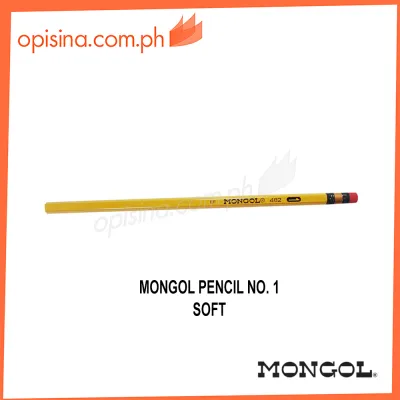
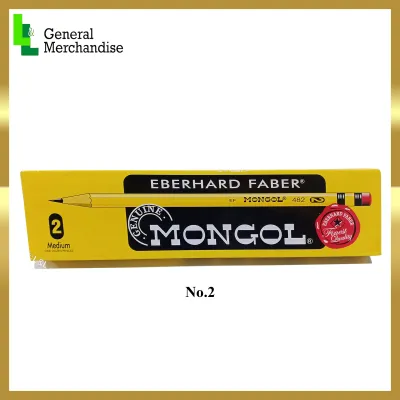
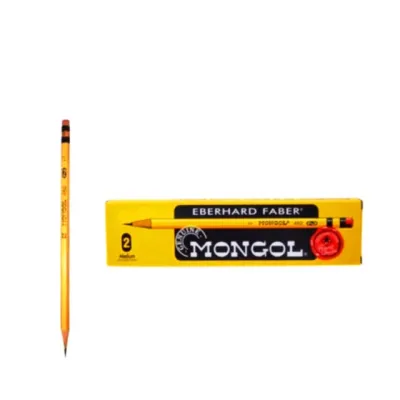
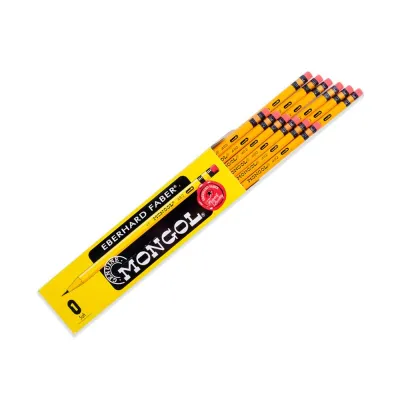
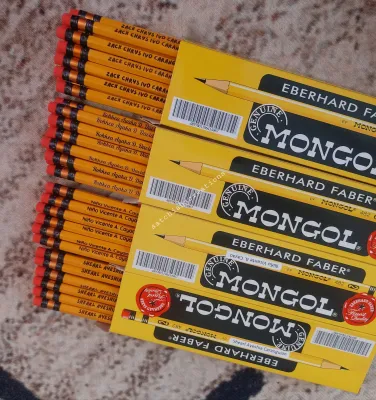
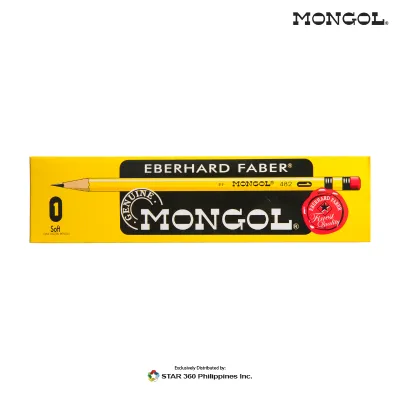
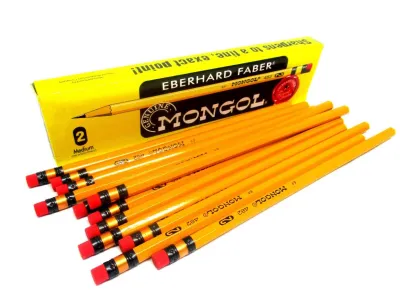
Prices are valid at publication and may change. Please refer to the product page for the latest price.
The wood casing of a counterfeit pencil is another major point of failure. Instead of high-quality, easily sharpenable wood, fakes often use cheap, fibrous wood alternatives. These materials tend to splinter, crack, or jam manual pencil sharpeners, creating a frustrating user experience and potentially ruining your stationery tools.
Key Visual and Physical Checks for Authenticity
Spotting a counterfeit pencil requires looking at the product as a whole rather than relying on a single security feature. Counterfeiters have become adept at copying individual design elements, meaning that a single genuine-looking detail does not guarantee authenticity.

Whenever possible, keep a known genuine pencil from a trusted purchase on hand to serve as a reference. Comparing a suspect pencil side-by-side with an original makes subtle differences in paint finish, wood color, and stamping alignment much easier to detect.
Keep in mind that manufacturers occasionally update their packaging designs, box layouts, or manufacturing locations over time. Minor visual variations between older and newer batches do not automatically mean a pencil is fake, provided the physical build quality remains high.
Packaging and Labeling Details
The outer box is often the first line of defense when verifying authenticity. Genuine packaging features sharp, high-contrast printing with clear text and perfectly aligned logos. Counterfeit boxes, by contrast, frequently display blurry lettering, faded colors, or misaligned brand elements that suggest low-quality scanning and reproduction.
Examine the barcode, batch numbers, and manufacturer information printed on the back or side of the box. On original packaging, this information is cleanly stamped or printed in a consistent font. Fakes may show smudged numbers, uneven spacing, or even spelling mistakes in the manufacturer’s address and product descriptions.
Pay close attention to the cardboard material itself. Original boxes are typically made from sturdy, clean cardboard that retains its shape. Counterfeiters often use thin, flimsy grey-back paperboard that easily crushes, creases, or tears during transit and handling.
Wood, Graphite, and Build Quality
The physical construction of the pencil provides the most reliable clues about its origin. Start by looking at the unsharpened end of the pencil to inspect the graphite core. In a genuine pencil, the dark graphite lead is precisely centered within the circular wood casing, ensuring even sharpening and structural support.
In contrast, counterfeit pencils often have off-center cores. When a core is misaligned, one side of the wooden wall becomes too thin to support the lead during sharpening, causing the tip to break repeatedly. Additionally, check the bond between the wood and the graphite; original pencils use high-quality adhesives to prevent the lead from sliding out of the casing.
Inspect the outer paint finish and the stamped lettering on the barrel. Genuine pencils feature a smooth, even coat of paint without bubbles, runs, or bare spots. The stamped “Mongol 1” text should be crisp, deeply pressed, and easy to read, whereas fakes often have shallow, blurry, or easily scratched-off gold or black foil stamping.
Where to Buy Genuine Mongol #1 Pencils
To minimize the risk of purchasing counterfeit stationery, always prioritize established retail channels. Major supermarkets, national bookstore chains, and recognized office supply stores in the Philippines source their inventory directly from authorized distributors, ensuring product authenticity.
Be cautious when shopping on online marketplaces or ecommerce platforms. While these platforms offer convenience, they also host third-party sellers who may list counterfeit goods. Avoid listings with prices that are significantly lower than the standard retail rate, as unusually cheap bulk boxes are a common indicator of counterfeit stock.
If you need to purchase school or office supplies in bulk, buy directly from the brand’s official online store or from verified wholesale distributors. These sellers can provide official receipts and batch tracking, giving you peace of mind that your purchase is genuine.
What to Do If You Suspect a Fake
If you suspect you have purchased counterfeit pencils, prioritize safety and product performance. Stop using the pencils immediately if you notice any unusual chemical odors, or if the materials leave a strange residue on your hands. While standard pencils are generally safe, unverified counterfeits do not undergo strict quality control and may use substandard paints or adhesives.
Contact the seller or retailer immediately to request a refund or exchange. Provide clear, well-lit photos comparing the suspect pencils with genuine ones, highlighting the packaging defects, off-center cores, or poor stamping quality. Most reputable retailers will issue a refund if you can demonstrate that the product does not match genuine standards.
If the seller is uncooperative or refuses to address the issue, report the listing directly to the ecommerce platform’s customer support team. You can also file a report with local consumer protection agencies to help prevent other buyers from falling victim to counterfeit school and office supplies.
Frequently Asked Questions (FAQ)
Does a genuine Mongol #1 pencil have a specific holographic sticker?
Standard wooden pencils like the Mongol #1 typically do not feature holographic stickers or advanced security seals on individual pencils or standard boxes. Instead, manufacturers rely on high-precision manufacturing, consistent paint finishes, and clear stamping to distinguish their products. If you are uncertain about recent packaging updates or security features, check the official manufacturer’s website or contact their customer service department for the most current guidelines.
Can I use the barcode to verify if the pencil is original?
A barcode is designed to identify the product type, brand, and model within a retailer’s inventory system; it does not verify the physical origin of an individual item. Because barcodes are easy to copy and print, counterfeiters can easily replicate a genuine barcode on fake packaging. Use the barcode only to confirm that the scanned product matches the correct brand description, and rely on physical quality checks to confirm authenticity.

Community discussion
Share your experience or ask a question. Comments are reviewed before publication.