
Spotting an original Mongol #2 pencil requires a careful, multi-step inspection of the packaging, the physical barrel, and the writing performance. Because counterfeiters have become highly skilled at replicating the classic yellow-and-black design, relying on a single visual cue is no longer sufficient. To ensure you are using a genuine product, you must evaluate the print quality of the box, the crispness of the gold foil stamping, the centering of the graphite core, and how cleanly the lead erases on standard paper.
Understanding the Risks of Fake Mongol #2 Pencils
In the Philippines, the Mongol #2 pencil is an iconic stationery item, deeply embedded in school supply lists, office desks, and professional licensing exams. Its widespread popularity makes it a frequent target for counterfeiters looking to profit off its trusted reputation. Using a counterfeit pencil is not just a minor inconvenience; it can actively disrupt your work or academic performance.
Fake pencils often suffer from brittle graphite cores that snap under minimal pressure, requiring constant sharpening that quickly eats away at the wood. Furthermore, counterfeit erasers tend to be hard and abrasive, smearing dark graphite across the page or tearing the paper instead of cleaning it.
Products mentioned in this guide
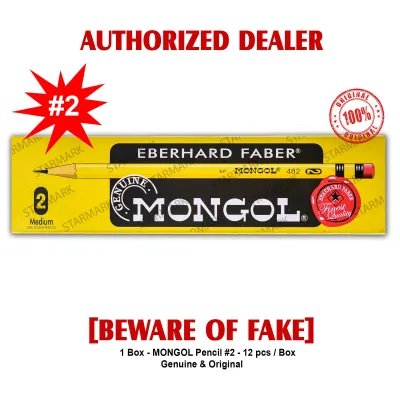
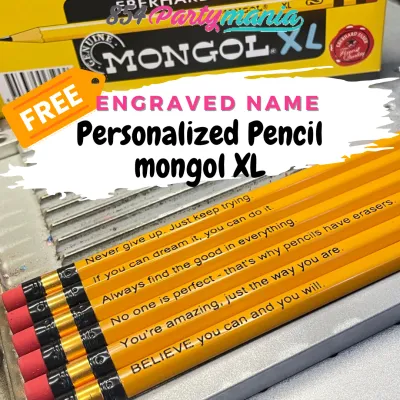
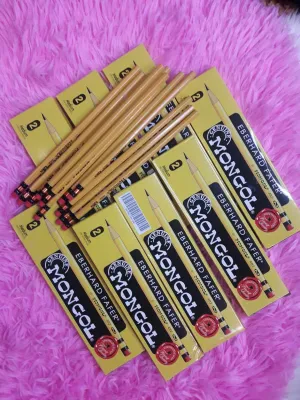
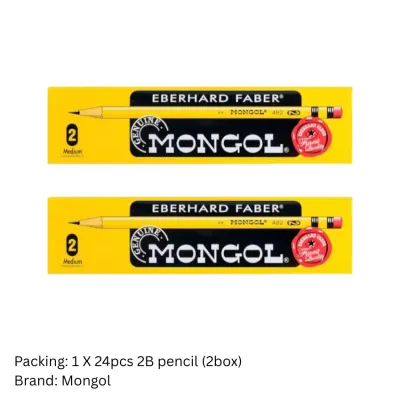
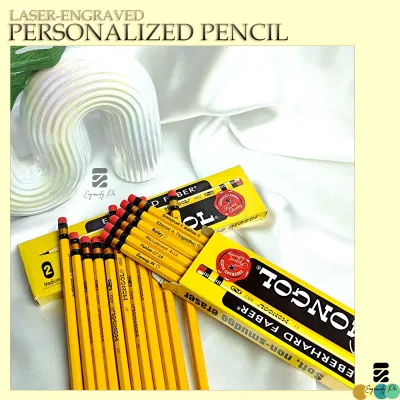
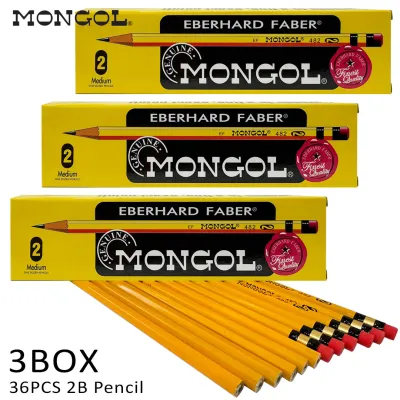
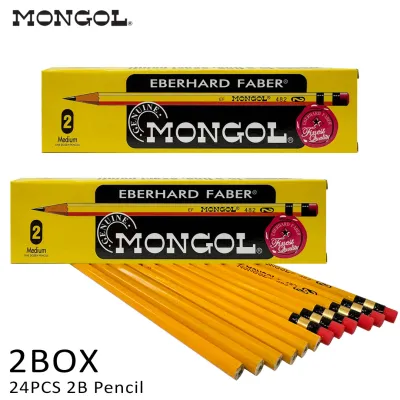
Prices are valid at publication and may change. Please refer to the product page for the latest price.
For students taking machine-graded standardized tests, such as the Professional Regulation Commission (PRC) board exams, a fake pencil poses an even greater risk. The optical mark readers used to grade these exams rely on specific light-absorption properties of genuine graphite; a counterfeit lead may not register correctly, potentially leading to failed exams or invalidated results. Because of these high stakes, verifying your pencils through a combination of physical and packaging checks is essential.
Inspecting the Outer Packaging and Box Details
Before you even sharpen a pencil, the outer box offers critical clues about its authenticity. Genuine packaging is manufactured with high-quality printing presses that produce sharp text, vibrant colors, and precise alignment. When examining a box of Mongol #2 pencils, look closely at the brand logo, the yellow background color, and the green or red accent panels.

Counterfeit boxes often feature blurry or pixelated graphics, slightly off-register text alignment, or colors that look faded, overly dark, or muddy. Misspellings or unusual font choices on the back of the box are also immediate indicators of a fake.
Next, inspect the barcodes and manufacturing details printed on the cardboard. Authentic boxes typically feature crisp, scannable barcodes alongside clearly printed batch numbers, manufacturing dates, or quality control codes. Counterfeiters frequently omit these batch codes entirely or print them as blurry, unreadable smudges.
Additionally, pay attention to any official security features, such as holographic stickers, tamper-evident seals, or specific quality marks that the manufacturer may use on current packaging. If a seal looks poorly glued, off-center, or lacks the characteristic color-shifting properties of a genuine hologram, the product inside is highly suspect.
Examining the Pencil Barrel and Markings
Once you open the box, the individual pencils should undergo a thorough physical inspection. Start by examining the gold foil stamping on the wooden barrel, which displays the brand name and the “#2” designation. On an original Mongol pencil, this stamping is sharp, deeply pressed into the wood, and perfectly aligned with the flat edges of the hexagonal barrel.
The gold foil should catch the light cleanly and resist flaking when lightly scratched with a fingernail. In contrast, counterfeit pencils often feature shallow, blurry, or misaligned stamping that easily rubs off or looks dull.
The paint and overall finish of the barrel also reveal manufacturing quality. Genuine pencils are coated in a smooth, thick, and uniform yellow lacquer that covers the wood completely. Run your fingers along the barrel to check for rough spots, bubbles, or uneven paint application.
Pay close attention to the top dip—the painted end near the metal ferrule. Authentic pencils have a clean, even cut and a consistent paint line, whereas fakes often show messy paint runs, exposed wood fibers, or rough, unsanded edges.
The metal ferrule and the eraser are equally telling. Inspect the ferrule to ensure it is tightly crimped to the wooden barrel without any loose play or visible glue residue. The eraser itself should be a consistent pink color, feel soft and pliable to the touch, and be securely seated in the metal band. Counterfeit erasers are often rock-hard, discolored, or easily pull out of the ferrule.
Evaluating the Wood, Lead, and Writing Performance
The true test of a Mongol #2 pencil lies in its materials and writing performance. When you sharpen a genuine pencil, the wood should shave off in smooth, continuous ribbons rather than crumbling into splinters. Original pencils typically use high-quality, straight-grained wood that sharpens evenly, protecting the lead and keeping the sharpener blade running smoothly. If the wood chips, splits, or feels incredibly tough to cut, it is likely a cheap counterfeit.
Next, look directly at the tip of an unsharpened or freshly sharpened pencil to check the centering of the graphite core. In an authentic pencil, the lead is perfectly centered within the wooden casing. An off-center lead is a classic sign of substandard manufacturing; it causes one side of the wood to wear down faster during sharpening, leaving the lead unsupported and prone to immediate breakage.
Writing performance is another clear differentiator. A genuine Mongol #2 pencil provides a smooth, consistent glide across standard paper, delivering a dark, legible line without requiring excessive hand pressure.
Because erasability depends on the exact combination of paper texture and graphite binders, you should perform a quick trial on your preferred paper. Write a few words and attempt to erase them using the pencil’s built-in eraser. A genuine pencil’s mark will erase cleanly with minimal residue, while a counterfeit will leave a stubborn, greasy smudge that ruins the neatness of your page.
Choosing Reliable Purchasing Channels in the Philippines
To minimize the risk of acquiring counterfeit stationery, you must be selective about where you shop in the Philippines. The safest route is to purchase your supplies from established, authorized retailers. Major national bookstores, well-known department stores, and large supermarkets source their inventory directly from official distributors, virtually eliminating the chance of stocking fakes.
If you prefer shopping online, exercise extra caution on ecommerce platforms. Always look for official brand stores or sellers with verified mall badges, which indicate a higher level of vetting and authenticity guarantees. When browsing third-party sellers on these platforms, take the time to read customer reviews, specifically looking for user-uploaded photos of the packaging and the pencils. Avoid listings that rely solely on generic stock photos, as these often mask the actual product you will receive.
Pricing is another critical indicator. While a box of genuine pencils is highly affordable, deals that seem too good to be true usually are. If a seller offers bulk quantities at prices significantly below the standard retail range in ₱, it is highly likely they are clearing out counterfeit stock. Remember, however, that some dishonest sellers price their fakes close to retail rates to deceive wary buyers, making physical inspection your ultimate line of defense.
Steps to Take If You Suspect a Counterfeit
If you suspect that the pencils you purchased are counterfeit, you should take immediate action to protect yourself and other consumers. First, stop using the suspected pencils for any critical tasks. Do not use them for official documents, professional drafting, or high-stakes examinations where a broken lead or a bad smudge could jeopardize your results. Keep them aside as evidence for your return claim.
Next, contact the seller or the customer support team of the ecommerce platform where you made the purchase. Request a refund or a replacement, and be prepared to provide clear, well-lit photos comparing the suspected fake against a known genuine pencil or highlighting the packaging defects you observed. Most reputable platforms have robust buyer protection policies that cover counterfeit goods.
Finally, report the suspicious listing or seller account directly to the platform’s administration. By flagging these listings, you help the platform identify and remove fraudulent sellers, keeping the local stationery market safer and more reliable for students and professionals alike.
Frequently Asked Questions (FAQ)
Can I use a suspected fake Mongol #2 pencil for board exams?
No, you should never use a suspected counterfeit pencil for any standardized, machine-graded exams. Optical mark readers rely on the specific light-absorption properties of genuine graphite to detect your answers. Counterfeit leads often contain cheap clay binders or alternative materials that do not reflect or absorb light in the same way, which can cause the machine to misread your sheet. Additionally, the high risk of smudging and lead breakage during the exam can waste valuable time and ruin your answer sheet. Always purchase fresh, verified pencils from trusted retail stores specifically for exam day.
Does the price always indicate if a Mongol pencil is fake?
While an incredibly low price is a major warning sign, price alone is not a foolproof indicator of authenticity. Some counterfeiters deliberately price their fake pencils close to the standard retail price in ₱ to avoid raising suspicion and to trick buyers into thinking they are purchasing genuine stock. Conversely, legitimate stores may occasionally run clearance sales or bundle promotions. Therefore, while you should always be suspicious of ultra-cheap deals, you must always perform physical and packaging inspections to verify the product’s authenticity, regardless of how much you paid.
Community discussion
Share your experience or ask a question. Comments are reviewed before publication.