
To tell if an Oreo BTS keychain is authentic, you must evaluate the print resolution of the packaging, verify the exact spelling of copyright markers like “© BIGHIT MUSIC” or “HYBE,” and inspect the weight and finish of the hardware. Genuine keychains feature crisp, vibrant colors without pixelation, smooth acrylic or PVC edges, and robust, rust-resistant metal rings that withstand the humid Philippine climate. Counterfeits, widely distributed by unauthorized third-party sellers, typically betray themselves through blurry graphics, distorted logos, flimsy chains, and a lack of official licensing marks.
Because these promotional items are released in limited quantities, they quickly become highly sought-after collectibles. Verifying these physical details is the only reliable way to ensure you are purchasing a genuine piece of memorabilia rather than a cheap, mass-produced imitation.
Why Counterfeit Oreo BTS Merchandise Is Common
Limited-edition collaborations between global food brands and iconic K-Pop groups like BTS (Bangtan Sonyeondan) naturally generate immense consumer demand. When these special promotional packages hit the shelves, enthusiastic fans and collectors often clear out inventory within hours. Once the official retail run ends, the secondary market becomes the primary source for those who missed the initial release.
Products mentioned in this guide
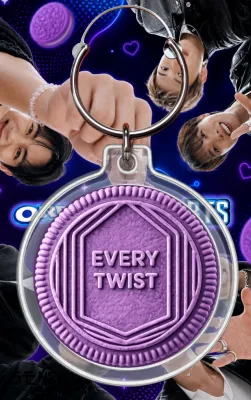
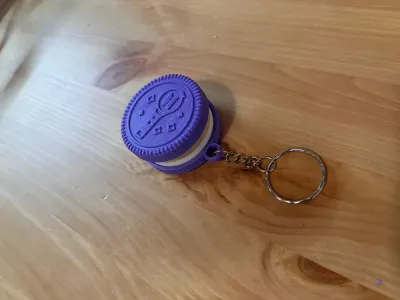
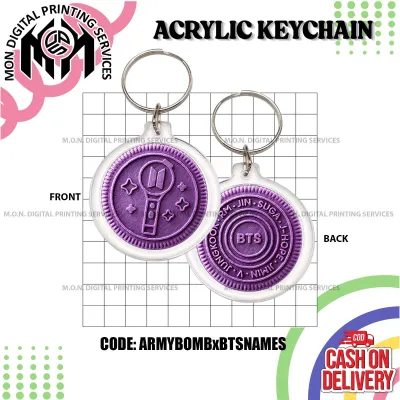
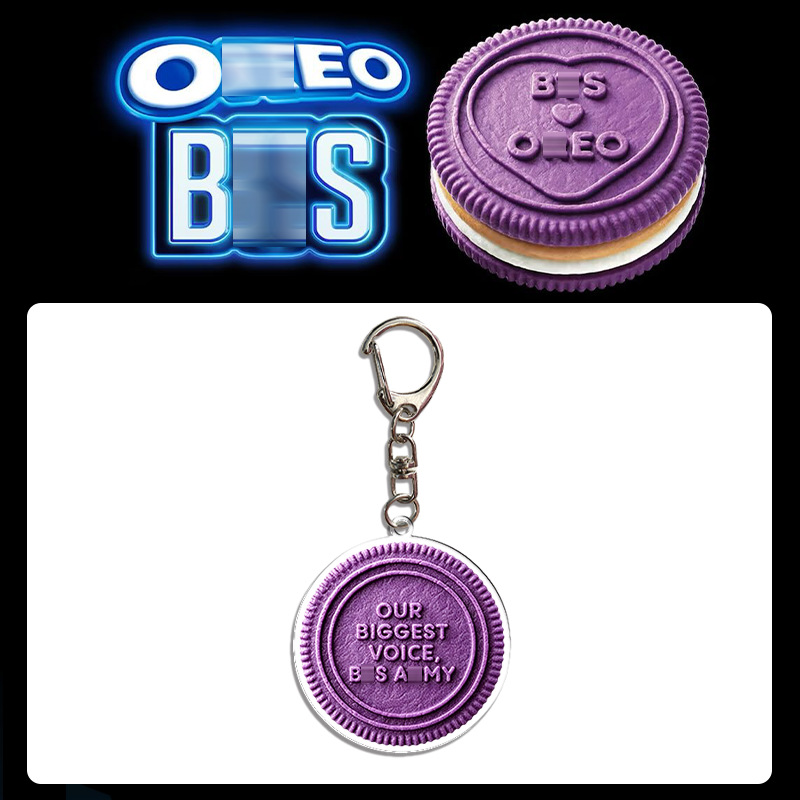
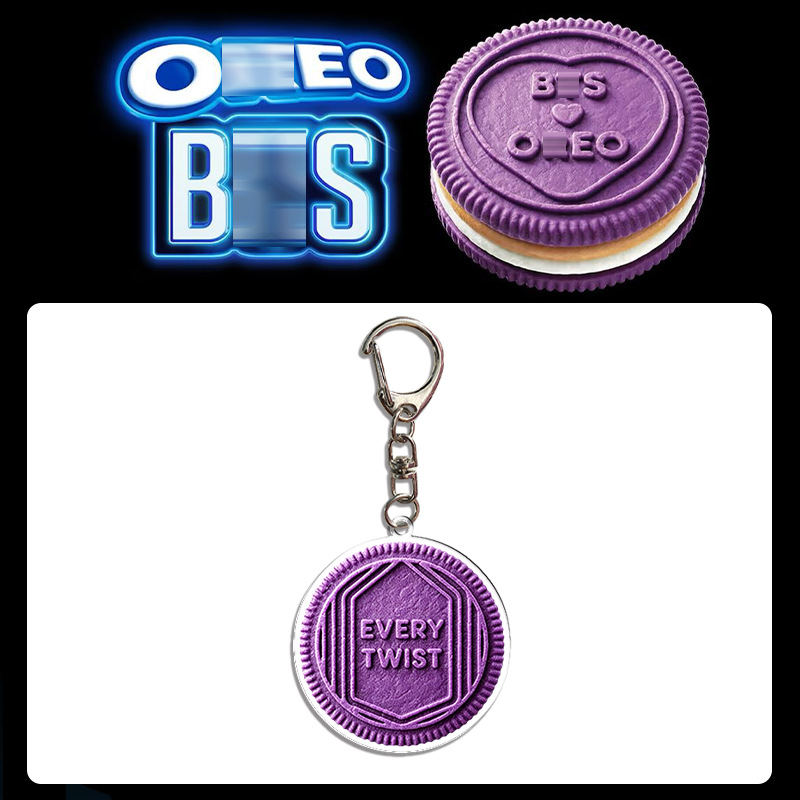
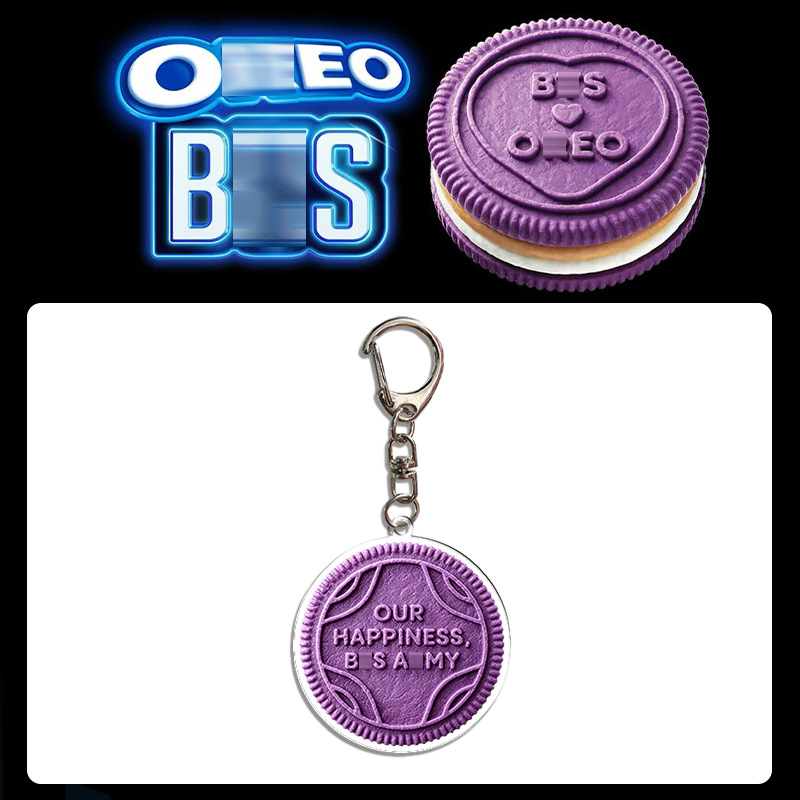
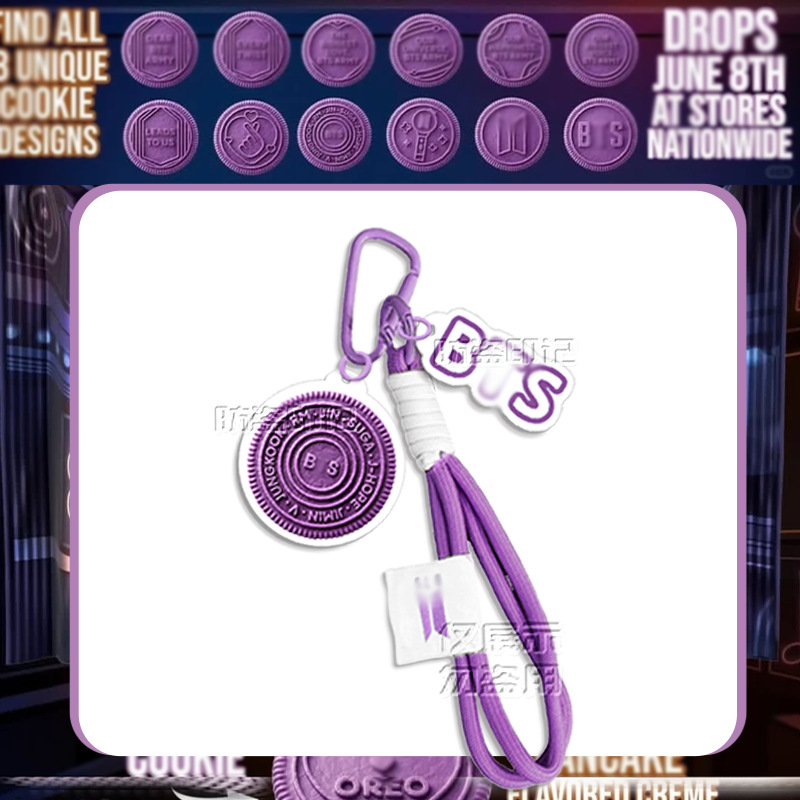
Prices are valid at publication and may change. Please refer to the product page for the latest price.
This supply-and-demand imbalance creates a highly profitable environment for counterfeit manufacturers. Because the production cost of basic novelty items like keychains is remarkably low, unauthorized factories can rapidly produce visual replicas. These bootleg items are then distributed through informal online channels, capitalizing on the urgency of collectors who may not look too closely at the product details before purchasing.
In the Philippine market, where the K-Pop fanbase is exceptionally active, these unauthorized replicas frequently circulate on social media marketplaces, classified ad sites, and unverified ecommerce store listings. Buyers must maintain a high level of vigilance, as the mere presence of a popular brand logo on a listing does not guarantee that the physical item is an officially licensed product.
What to Look for in an Authentic Oreo BTS Keychain
Packaging, Logos, and Print Quality
Evaluating the external packaging is one of the most effective ways to determine authenticity before even touching the keychain itself. Official collaboration packaging is produced under strict quality control standards, resulting in high-definition printing with sharp contrast and perfectly legible text. Even the smallest legal disclaimers and copyright lines on the backing card must be crisp and readable under close inspection.

Verify the exact proportions and alignment of the branding elements. Authentic merchandise features the classic blue-and-white Oreo logo alongside the official BTS emblem, which consists of two trapezoids representing doors opening outward. Counterfeit packaging often uses low-resolution, stretched, or slightly skewed vector files, causing the logos to look distorted or improperly centered. Look closely for the official licensing text, which typically reads “© BIGHIT MUSIC” or “HYBE” in a clean, standardized font.
Color accuracy is another critical indicator of official production. The signature Oreo blue and the specific pastel or vibrant purple shades associated with BTS branding must be solid and uniform. If you observe horizontal banding lines, color bleeding across text borders, or a grainy, pixelated gradient on the cardboard backing, the item is almost certainly a replica. Official manufacturers use high-grade industrial offset printing presses that eliminate these visual defects.
Additionally, inspect the physical construction of the packaging card. Genuine backing cards are made from thick, rigid cardstock with a clean matte or gloss laminate finish that resists easy creasing. The hang-hole at the top of the card should be cleanly die-cut without ragged paper fibers or misaligned punches, which are common hallmarks of cheap, manual packaging processes.
Material Quality and Hardware Details
Once you examine the physical keychain, the tactile feel and material quality will provide immediate clues. Official keychains are typically crafted from premium-grade acrylic, molded PVC, or polished metal alloys. If the keychain is made of acrylic, the piece should have a substantial thickness—generally between 3mm and 4mm—and feature flame-polished, perfectly smooth edges that feel comfortable to the touch.
Run your finger along the outer perimeter of the keychain. If you feel sharp, jagged, or uneven ridges, it indicates a low-end laser cutter was used, which is a common shortcut for counterfeit operations. For molded PVC or rubber designs, the color boundaries must be sharp and distinct. There should be no overlapping paint layers, air bubbles, or chemical disfigurement on the surface of the characters or logos.
In the tropical, high-humidity environment of the Philippines, the quality of the metal hardware is especially telling. Authentic keychains use sturdy, heavy-duty metal alloys for the jump rings, chains, and clasps. These components are treated with rust-resistant coatings to prevent tarnishing and oxidation over time. The metal should have a bright, polished silver or gold finish, free from pitting, dark spots, or rough welding joints.
Counterfeit keychains almost always utilize lightweight, thin wire rings that easily bend or pull open under minimal tension. These cheap metals tarnish rapidly when exposed to humidity or skin oils, turning a dull copper or dark grey color within weeks. The clasp mechanism on a genuine item should also operate smoothly with a firm spring snap, whereas fake clasps often feel loose, misaligned, or difficult to open.
Common Red Flags That Indicate a Fake Keychain
Identifying a counterfeit product often involves spotting a combination of minor manufacturing shortcuts. One of the most obvious red flags is distorted character artwork or stylized member caricatures. If the keychain design features cartoon representations of the BTS members, compare them directly to official promotional graphics. Replicas frequently exhibit odd facial proportions, misaligned eyes, incorrect hair colors, or simplified details that deviate from the approved artist designs.
Spelling mistakes and grammatical errors are another dead giveaway. Counterfeiters operating in regional factories often overlook minor textual details on the packaging or the product itself. Inspect the printed text carefully for misspelled member names, typos in the brand names, or incorrect copyright years. A missing trademark symbol (®) or copyright symbol (©) next to official brand names is a strong indication of a bootleg product.
Poor physical assembly is a common issue with unauthorized merchandise. Look closely at the connection points where the metal chain attaches to the acrylic or PVC pendant. Counterfeits often have visible glue residue around the bail or backing, suggesting hasty hand-assembly rather than professional factory bonding. In some cases, the print on double-sided acrylic keychains is misaligned, creating a distracting “ghosting” effect where the front and back graphics do not line up perfectly.
Finally, be wary of generic or incomplete packaging. Official keychains are never distributed in plain, unbranded plastic zip-lock bags or wrapped loosely in bubble wrap without any retail identifiers. If a seller claims the item is “loose” or “out of package” but sells it in large quantities, it is highly likely a bulk-imported counterfeit. Authentic items are designed as complete retail products, and their packaging is just as carefully manufactured as the keychain itself.
How to Verify Your Keychain Using Official Resources
To confirm whether your keychain is genuine, use official brand resources as a benchmark for comparison. Start by visiting the verified social media pages of Oreo Philippines or the official global BTS merchandise store. These platforms host high-resolution promotional images, video trailers, and official unboxing clips of the collaboration line. Save these official media assets to your device and conduct a side-by-side comparison with your physical item under bright, natural light.
Pay close attention to the spatial layout of the design. Check if the hole drilled for the keyring is in the exact same position as shown in the official product photos. Even a slight shift of a few millimeters indicates a different, unauthorized mold. Analyze the kerning—the spacing between individual letters—in the brand logos, and verify that the color values match the official branding guidelines precisely.
Some premium merchandise runs feature security elements such as holographic stickers or unique verification QR codes on the packaging. If the original product launch announcement specified the inclusion of a holographic seal, examine yours closely under a light source. Authentic holographic stickers reflect a vibrant, multi-colored spectrum when tilted and often feature micro-text or embedded logos. A flat, silver sticker that does not shift colors, or the complete absence of a sticker when one was officially promised, serves as clear evidence of a counterfeit. If a verification QR code is present, follow the manufacturer’s instructions to scan it, ensuring the link directs you to a secured, official brand domain rather than a generic landing page.
Where to Buy Safely and How to Handle Counterfeits
To guarantee you are purchasing an authentic item, source your merchandise exclusively from authorized retail channels. In the Philippines, look for these collaboration products at major physical supermarkets, chain convenience stores, and established department stores. If you prefer shopping online, limit your purchases to the official flagship stores of the brand or highly reputable K-Pop specialty shops that import directly from official distributors.
Avoid buying from unverified third-party listings on general online marketplaces or social media groups. If a seller offers the keychain at a price that seems too good to be true—such as a fraction of the standard retail cost—it is almost certainly a counterfeit. Always read seller reviews carefully, paying close attention to feedback regarding product authenticity, packaging quality, and shipping standards.
If you suspect you have received a counterfeit keychain, take immediate action to protect your purchase. Always record a continuous, unedited unboxing video from the moment you cut open the courier pouch; this serves as indisputable evidence for dispute resolution. Take clear, close-up photographs of the specific red flags, such as blurry print, misspelled words, or damaged hardware, alongside the shipping label.
Submit these files through the online marketplace’s official dispute resolution system to request a return and a full refund. Most major ecommerce platforms in the Philippines maintain strict buyer protection policies that prohibit the sale of counterfeit goods. Reporting the fraudulent listing not only helps you recover your money but also protects other members of the local K-Pop community from falling victim to the same scam.
Frequently Asked Questions (FAQ)
Can I authenticate an Oreo BTS keychain just by its weight?
No, weight alone is not a definitive proof of authenticity. While genuine keychains generally feel sturdier and heavier due to the use of high-density acrylic and solid metal alloys, counterfeiters can easily manipulate weight. Some replica manufacturers use thicker metal rings or heavier backing materials to mimic the weight of official merchandise. You should always use weight as one of several diagnostic factors, combining it with visual inspections of the print quality, logo alignment, and packaging details.
Do all authentic Oreo BTS keychains come with a holographic sticker?
No, the presence of a holographic sticker depends entirely on the specific country release, production batch, and the packaging design approved by the manufacturer. Not every regional market or product variation includes a security hologram. To verify if your specific version should have one, consult the official product announcements or press releases issued by Oreo or HYBE for that regional campaign. Do not assume an item is fake solely due to a missing sticker unless official documentation states it is mandatory for that batch.

Community discussion
Share your experience or ask a question. Comments are reviewed before publication.