
Spotting a genuine BINI card requires a systematic inspection of print resolution, cardstock thickness, edge cuts, and coating behavior under light. As the P-pop sensation continues to capture hearts across the Philippines, the demand for official merchandise has surged, leading to an influx of unofficial replicas in local trading circles. Whether you are trading in open-air meetups or buying from online marketplaces, understanding how to verify these collectibles protects your hard-earned money and ensures your collection remains authentic.
Understanding the Risks of Counterfeit K-Pop Merchandise
The rapid rise of P-pop has created a highly competitive market for collectible merchandise, particularly photocards. Because these small pieces of cardboard are often bundled as limited-edition inclusions in albums, concert merchandise, or brand collaborations, their individual market value can skyrocket. This high demand, combined with limited supply, makes them prime targets for counterfeiters who seek to profit from unsuspecting fans eager to complete their collections.
Purchasing from unauthorized online marketplaces, secondhand trading apps, or unverified social media sellers carries inherent risks. Unlike official retail outlets, these platforms often lack strict quality control or verification processes for collectible items. Consequently, buyers frequently encounter listings that misrepresent cheap, home-printed replicas as official releases.
Products mentioned in this guide
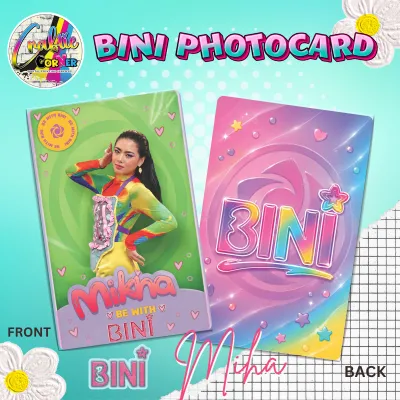



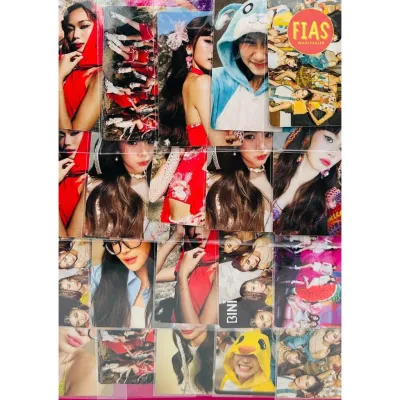

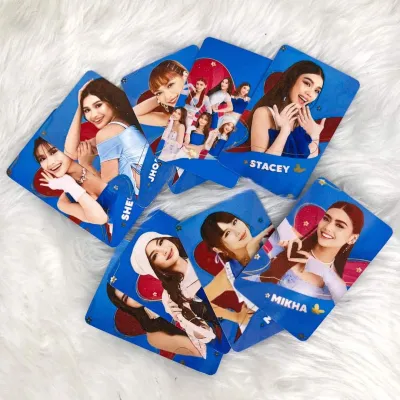

Prices are valid at publication and may change. Please refer to the product page for the latest price.
It is crucial to understand that no single visual feature can guarantee complete authenticity on its own. Counterfeiters continuously refine their printing techniques, sometimes replicating holographic patterns or paper weights with surprising accuracy. To protect your investment, you must employ a multi-faceted verification strategy that cross-references physical characteristics with official release details and seller behavior.
Key Visual and Physical Checks for Authentic BINI Cards
When examining a photocard in hand, the first line of defense is analyzing the print quality. Official merchandise is produced using high-end industrial printing presses that deliver exceptional sharpness, color accuracy, and detail. Under close inspection, or with the aid of a simple magnifying glass, a genuine card will display smooth color gradients and crisp lines, especially around fine details like hair strands, eyes, and small text. In contrast, counterfeit cards often exhibit pixelation, a noticeable “dotted” pattern known as a moiré effect, or colors that appear either overly saturated or unusually washed out due to low-resolution scanning and reprinting.

The physical material and paper weight are equally telling indicators of authenticity. Official cards are printed on premium, heavy-weight cardstock that feels sturdy and resilient. When gently flexed, a genuine card should have a distinct springiness. Counterfeits are frequently printed on thinner, flimsier paper, or conversely, they may feel excessively rigid and thick if the counterfeiter used heavy lamination to mimic official cardstock. Furthermore, the tropical climate of the Philippines plays a role here; cheap, unsealed paper stocks absorb ambient humidity rapidly, causing unofficial cards to warp, soften, or lose their structural integrity much faster than professionally coated official cards.
Edge cutting and corner precision offer further clues. Official production facilities utilize precise industrial die-cutters, resulting in clean, uniform rounded corners. Many official cards also feature tiny, characteristic “tabs” or subtle pressure marks on the edges where they were detached from the larger print sheet during manufacturing. Counterfeit cards, often cut manually or with low-grade commercial paper cutters, frequently display uneven corner curves, rough or fuzzy edges, and slight deviations in overall symmetry.
Special finishing techniques, such as holographic overlays, matte or gloss coatings, and foil stamping, require careful observation. Hold the card at various angles under a steady light source to evaluate how the coating reflects light. Official holographic cards feature a smooth, integrated shimmer that does not obscure the underlying image. Counterfeits may use cheap, thick holographic laminates that create a distracting, rainbow-like glare or show signs of peeling at the edges.
Finally, verify the exact dimensions and proportions of the card. Standard official photocards typically adhere to specific industry dimensions (often around 55mm by 85mm, though this can vary slightly by release). Use a precise ruler or caliper to measure the card and compare it to a known authentic sample from the same album or event. Even a millimeter of deviation in width or height can indicate an unauthorized reprint, as scaling errors are common when counterfeiters attempt to crop and resize images for printing.
Evaluating Seller Credibility and Listing Details
Before committing to a purchase on any ecommerce platform or secondhand marketplace, conducting a thorough audit of the seller is essential. Review their transaction history, overall rating, and feedback from previous buyers. Look specifically for detailed reviews from other collectors who can vouch for the authenticity of past merchandise sales. A seller with a long history of positive transactions and clear, cooperative communication is far more reliable than a newly created account with zero feedback.
Be vigilant for common red flags in product listings. Unusually low prices are a primary warning sign; if a rare, highly sought-after card is listed for ₱150 when its typical market value is closer to ₱1,500, the listing is highly suspicious. Similarly, be wary of sellers who claim to have high stock levels of supposedly limited-edition or out-of-print cards. Vague or evasive product descriptions, such as “obtained from a friend” or “selling as is, no returns,” often serve to shield the seller from liability if the item is later proven to be counterfeit.
To verify actual ownership of the card, always request a personalized photo or video from the seller. Ask them to place the photocard next to a handwritten note containing your username, their username, and the current date. This simple step ensures the seller physically possesses the item and is not merely using stolen high-resolution photos from legitimate collectors or official promotional materials.
Additionally, learn to recognize the misleading terminology often used to disguise unofficial merchandise. Terms such as “fanmade,” “replica,” “Lomo card,” “laser card,” “high-quality print,” or “proxy” are frequently employed by sellers to avoid platform penalties while still attracting buyers looking for official items. If a listing contains any of these descriptors, the item is not an official release.
Safe Purchasing Channels and Official Verification
To minimize the risk of acquiring counterfeit merchandise, prioritize purchasing through official channels. Whenever possible, buy albums and merchandise directly from official entertainment company stores, authorized retail partners, or reputable physical record shops. While these sources may sometimes involve higher initial shipping costs or longer waiting times, they provide the most reliable way to ensure authenticity.
When navigating the secondhand market, leverage the collective knowledge of the fan community. Utilize official social media accounts, dedicated fan forums, and detailed unboxing videos to cross-reference specific design details. Many experienced collectors upload high-resolution scans of both the front and back of genuine cards, allowing you to compare back-card logos, copyright text fonts, and color alignments with precision.
When executing transactions, always opt for payment methods and platforms that offer robust buyer protection or escrow services. Avoid direct, non-refundable bank transfers or untraceable e-wallet transactions to unverified individuals. Utilizing platforms that hold the payment until you receive and inspect the item provides a vital safety net, allowing you to halt the transaction if the card arrives and fails your physical authenticity checks.
What to Do If You Suspect a Counterfeit Purchase
If you receive a photocard and suspect it is counterfeit, the first step is to gather comprehensive, objective evidence. Always record a continuous, unedited unboxing video from the moment you open the shipping parcel, ensuring the shipping label and tracking number are clearly visible. Take high-resolution, well-lit photos comparing the suspected fake card side-by-side with a known authentic card, focusing on the specific discrepancies in print quality, edge cuts, or paper thickness.
Once your evidence is compiled, initiate a formal dispute or refund request through the ecommerce platform’s official customer support channels. Present your unboxing video and detailed comparison photos clearly and professionally, explaining how the received item deviates from the official specifications. Avoid engaging in emotional arguments with the seller; stick strictly to the physical facts of the item.
While resolving the dispute, you can share your findings within trusted fan communities to help raise awareness and protect other collectors. When doing so, focus on sharing objective authentication tips and visual comparisons rather than making unverified public accusations against specific seller profiles, which can lead to unnecessary conflict. Use the experience to refine your future purchasing strategies, perhaps by adjusting your verification checklist or sticking to highly rated sellers.
Frequently Asked Questions (FAQ)
Can I rely solely on holographic stickers to verify a BINI card?
No, you should not rely solely on holographic stickers for verification. Counterfeiters can easily source or manufacture basic holographic stickers and apply them to unofficial cards to mimic official packaging. To ensure authenticity, you must combine sticker checks with a thorough evaluation of print sharpness, paper thickness, edge cutting precision, and official design comparisons.
Are unofficial fan-made photocards considered fake?
Unofficial fan-made photocards are not considered malicious fakes as long as they are clearly labeled and sold as fan art or distributed as free gifts. These items are a popular part of fan culture. However, if a seller attempts to pass off a fan-made card as an official release or charges official market prices for it, that transaction constitutes fraud.
Community discussion
Share your experience or ask a question. Comments are reviewed before publication.