
Spotting fake BINI merchandise online requires a systematic inspection of physical packaging seals, checking the build quality and weight of lightsticks, testing Bluetooth app connectivity, and examining the print resolution and cardstock texture of albums and photocards. As the popularity of the nation’s girl group continues to soar, counterfeiters have increasingly flooded online marketplaces with unauthorized replicas. Knowing how to verify these items ensures you receive genuine collectibles while directly supporting the artists.
To protect your investment, you must look beyond the initial product photos provided by online sellers. Counterfeit items often mimic official designs closely at first glance, but they fail to replicate the technical standards, paper quality, and functional features of authentic releases. By learning the specific physical and digital markers of genuine merchandise, you can shop with confidence and avoid the disappointment of receiving a low-quality counterfeit.
Why Counterfeit BINI Merchandise Is a Risk
The unprecedented demand for BINI merchandise has made the group a primary target for counterfeiters within the P-Pop market. Unofficial manufacturers quickly produce replica lightsticks, albums, and photocards to capitalize on sold-out official releases. Because these unauthorized items are produced without quality control, they frequently disappoint fans who expect durable, high-quality memorabilia.
Products mentioned in this guide
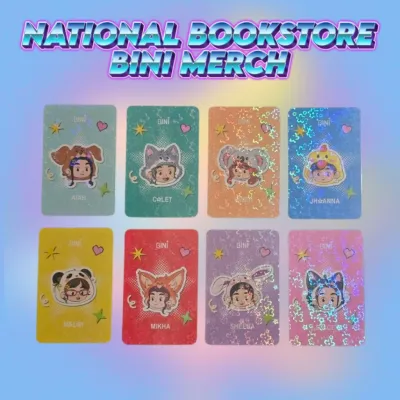
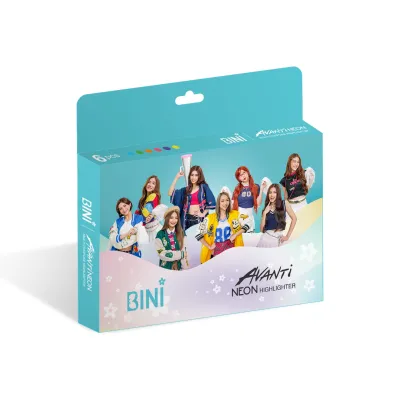

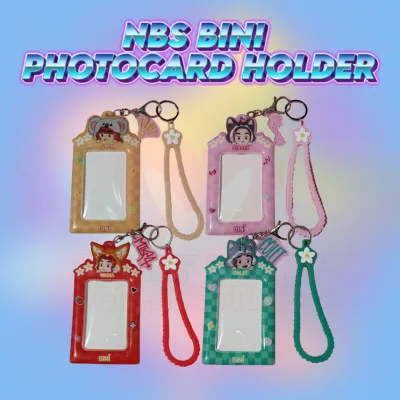

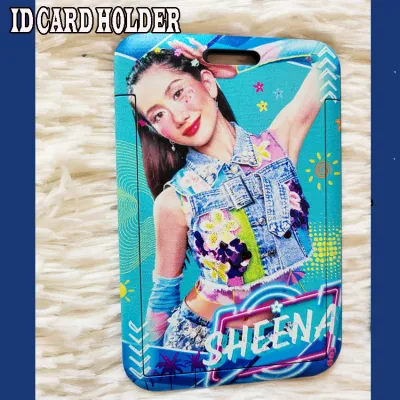

Prices are valid at publication and may change. Please refer to the product page for the latest price.
Buying counterfeit merchandise carries several practical risks that affect both your wallet and your concert experience. Fake lightsticks often utilize cheap internal wiring and low-grade plastics that are highly susceptible to battery leakage and physical damage. More importantly, counterfeit lightsticks lack the necessary internal hardware to connect to official concert applications, meaning they will not sync with the venue’s lighting system during live performances.
From an ethical standpoint, purchasing counterfeit goods fails to support the members of BINI or their official management, Star Magic. Revenue from official merchandise sales directly funds future music production, concert staging, and promotional activities for the group. For dedicated fans, ensuring that hard-earned money goes directly to the official channels is a vital part of supporting the artists’ careers.
To safeguard your collection, you must adopt a multi-layered verification approach. This involves examining the physical packaging, testing hardware functionality, and assessing print materials. Relying on a single check is rarely sufficient, as counterfeiters continuously update their methods to make replicas look more convincing.
Spotting Fake BINI Lightsticks: Packaging, Build, and Connectivity
Official BINI lightsticks are sophisticated electronic devices designed to withstand the excitement of live concerts. Counterfeiters often struggle to replicate the precise manufacturing standards required for these items, resulting in noticeable differences in packaging, material weight, and wireless functionality.

When evaluating a lightstick purchased online, you should perform a comprehensive physical and technical audit. While a minor packaging scuff might occur during transit, a combination of low-quality materials, missing security features, and failed app pairing is a definitive indicator of a counterfeit product.
Inspecting the Box and Official Seals
The outer packaging of an official BINI lightstick is your first line of defense against counterfeits. Genuine lightsticks are packaged in sturdy, high-grade cardboard boxes designed to protect the delicate acrylic dome inside. If the box arrives in a flimsy, easily crushed cardboard container with visible warping, it warrants immediate suspicion.
Pay close attention to the printing quality on the exterior of the box. Official packaging features sharp, high-resolution graphics with accurate color reproduction that matches the group’s official branding. Counterfeit boxes often exhibit blurry text, pixelated logos, and off-color printing, which are common results of scanning and reprinting official designs.
Official merchandise almost always features a specialized holographic authenticity sticker or security seal. These holographic seals are designed to shift colors and display specific patterns when tilted under a light source. Counterfeiters typically omit these seals entirely or attempt to replicate them using flat, non-reflective metallic stickers that peel off easily.
Do not forget to examine the user manual and any included paperwork inside the box. Genuine manuals are printed on high-quality paper with crisp, legible text in correct English and Tagalog, accompanied by clear diagrams. Counterfeit manuals often contain obvious grammatical errors, poor formatting, and low-resolution images that are difficult to decipher.
Checking Build Quality and Materials
The physical weight and balance of the lightstick can immediately reveal its authenticity. Official lightsticks are constructed with robust internal components, including proper battery housing and wireless chips, giving them a balanced, substantial feel in the hand. Counterfeits often feel unusually light, top-heavy, or hollow because manufacturers skimp on internal materials to save costs.
Inspect the plastic body and the transparent dome of the lightstick under a bright light. Genuine lightsticks are molded from high-grade ABS and polycarbonate plastics that feature smooth, seamless joints and a clean, scratch-resistant finish. Replicas frequently show prominent, rough seam lines from cheap molds, cloudy or scratched acrylic domes, and plastic parts that creak when squeezed.
Open the battery compartment to inspect the internal terminals and wiring. Official battery housings feature clean, sturdy metal springs and contacts that hold batteries securely without rattling. In contrast, counterfeit battery compartments often have loose, poorly soldered wires, thin metal contacts that bend easily, and plastic covers that do not snap shut properly.
Additionally, check the hand strap and any engraved branding on the handle of the lightstick. Genuine straps are made of thick, durable woven material with clean stitching and clearly printed logos. Engravings on the handle of an official lightstick should be deeply set, perfectly centered, and free of plastic burrs or uneven edges.
Testing Bluetooth and App Connectivity
The most reliable way to expose a counterfeit lightstick is by testing its wireless connectivity. Official BINI lightsticks are equipped with Bluetooth Low Energy (BLE) chips designed to sync seamlessly with the designated concert or fan application. This technology allows the concert production team to control the color and flashing patterns of your lightstick in unison with thousands of others.
To perform this test, download the official BINI concert or lightstick application from the authorized app store on your mobile device. Insert fresh, high-quality AAA batteries into the lightstick, turn it on, and attempt to pair it with the app according to the manufacturer’s instructions. A genuine lightstick should establish a stable connection within seconds, allowing you to change light colors directly from your phone screen.
While some advanced counterfeit lightsticks might emit a generic Bluetooth signal that shows up on your phone’s default Bluetooth settings, they almost always fail to pair with the official application. This is because replicas lack the proprietary firmware and encryption keys required to handshake with the app. If the application cannot detect or control the device, the lightstick is counterfeit.
Finally, test the physical button on the handle to cycle through the default light modes. Official lightsticks transition smoothly between steady glow, slow flash, rapid flash, and color-cycling modes with precise button clicks. If the button feels mushy, requires excessive force to press, or skips modes randomly, the internal switch is likely a cheap imitation.
How to Verify BINI Albums and Photocards
Physical albums and collectible photocards are highly prized by fans, making them lucrative targets for unauthorized reproduction. Because these items rely heavily on paper and print quality, identifying counterfeits requires a keen eye for graphic design details, paper weight, and manufacturing finishes.
When buying BINI albums online, you must inspect the outer seals, the texture of the paper, and the precision of the cuts. Counterfeiters often use standard commercial digital printers and basic cardstock, which cannot replicate the premium finishes used by official publishing houses.
Evaluating Shrink Wrap and Distributor Stickers
Official BINI albums are sealed in tight, professional-grade shrink wrap that conforms perfectly to the edges of the packaging. This packaging is designed to protect the album from dust and moisture during transit and storage. Counterfeit albums, or those that have been opened and resealed with fake contents, often feature loose, crinkly plastic wrap with thick, messy heat-sealed seams.
Look for official distributor stickers, such as those from Star Magic, ABS-CBN, or authorized local music distributors in the Philippines. These stickers are typically placed on the outside of the shrink wrap and feature specific holographic elements, serial numbers, or crisp branding logos. A missing sticker is not an automatic proof of a fake, but it should prompt you to inspect the rest of the album more closely.
Be aware that legitimate promotional copies or international pressings may occasionally feature slight variations in sticker placement or design. If you notice a different sticker, cross-reference the album’s other physical characteristics, such as paper quality and print resolution, to confirm its authenticity rather than relying solely on the outer sticker.
Assessing Print Quality and Photocard Texture
Photocards are the most commonly counterfeited items in the music memorabilia market due to their high resale value. To spot a fake photocard, start by examining the print resolution under a magnifying glass or by using your smartphone’s zoom function. Official photocards feature ultra-sharp, continuous-tone printing with rich, balanced color saturation.
Counterfeit photocards are typically printed using standard inkjet or low-end digital printers, which leave a visible dot pattern (known as halftone dithering) on the image. This results in pixelated details, blurry text on the back of the card, and incorrect color saturation that often looks too dark, washed out, or unnaturally orange.
Feel the weight and texture of the photocard between your fingers. Official photocards are printed on premium, heavy-gsm (grams per square meter) cardstock that feels rigid and does not bend easily under normal handling. They are finished with high-quality matte, glossy, or textured coatings that feel smooth and uniform. Replicas are often printed on thin, flimsy photo paper that curls naturally when exposed to the humid tropical climate of the Philippines.
Analyze the edges and corners of the photocard. Official cards are die-cut using industrial machinery, resulting in perfectly uniform, rounded corners and smooth, clean edges. Fake photocards are often cut manually or with low-precision cutters, leaving tiny paper fibers, rough edges, or asymmetrical corners that do not match the dimensions of a genuine card.
Safe Buying Channels for BINI Merch in the Philippines
The most effective way to avoid counterfeit BINI merchandise is to purchase directly from verified, official retail channels. Prioritizing official sources eliminates the risk of receiving fake items and ensures your money directly supports the group.
- Official Webstores: Always check the official website of BINI or Star Magic for direct merchandise links and pre-order announcements.
- Concert Merchandise Booths: Purchasing items directly at official concert venues, fan meets, or pop-up stores guarantees 100% authenticity.
- Authorized Local Music Shops: Established physical and online music retailers in the Philippines often partner directly with management to distribute official releases.
If you must purchase from third-party sellers on major online marketplaces, you must evaluate the seller’s profile with extreme caution. Look for sellers that carry verified platform badges, such as “Mall” or “Preferred” status, which require merchants to submit business registration and proof of product authenticity to the platform.
Examine the customer reviews carefully, paying close attention to 1-star and 2-star ratings. Look for reviews that contain user-uploaded photos and videos, and search for keywords like “unofficial,” “replica,” “fan-made,” or “fake.” Be skeptical of listings that have hundreds of five-star reviews but lack written feedback or actual product photos from buyers.
Be alert to common red flags when browsing third-party listings. Avoid listings that offer lightsticks or albums at prices significantly lower than the standard retail price (such as a lightstick listed for ₱500 when official retail is closer to ₱2,500). Furthermore, steer clear of sellers who refuse to provide actual photos of their current stock or those who use deceptive terms like “OEM,” “high-quality replica,” “custom-made,” or “fan-made” in their product titles.
What to Do If You Receive a Fake BINI Item
If you open your package and discover that you have received a counterfeit BINI item, you must act quickly to secure a refund. Most major online shopping platforms in the Philippines offer robust buyer protection programs, but they require you to follow specific procedures within a strict timeframe.
First, document the evidence immediately. Record a continuous, unedited video of the unboxing process, starting from the sealed courier pouch with the shipping waybill clearly visible. Take high-resolution, well-lit photos of the specific defects, such as blurry printing, missing holographic seals, or the lightstick’s failure to connect to the official application.
Do not click the “Order Received” or “Confirm Receipt” button on your shopping app, as doing so typically releases your payment to the seller and makes filing a dispute much more difficult. Instead, navigate to your order history and select the “Return/Refund” option. Choose “Received a counterfeit product” or “Item not as described” as your reason for the request.
Upload your unboxing video and side-by-side comparison photos as evidence in your dispute file. Clearly state the specific reasons why the item is counterfeit, referencing the official product specifications and packaging standards. Keep your communication professional, factual, and focused on the physical discrepancies of the product.
Once you have initiated the refund process, report the seller and the specific product listing to the e-commerce platform’s customer service team. Submitting proof of counterfeit sales helps the platform take disciplinary action against dishonest merchants, including removing the fraudulent listings and suspending the seller’s account to protect other fans.
Frequently Asked Questions (FAQ)
Can fake BINI lightsticks connect to the official concert app?
No, counterfeit BINI lightsticks cannot connect to the official concert or fan application. Authentic lightsticks contain proprietary Bluetooth Low Energy (BLE) chips and encrypted firmware that allow them to sync with the official app and the venue’s centralized lighting system during live shows. Because counterfeit manufacturers do not have access to these proprietary encryption keys, their replica devices will fail to pair or sync, even if they can emit a basic, generic wireless signal.
Is a BINI album fake if it doesn't have a holographic sticker?
Not necessarily, but it requires closer inspection. While official local releases in the Philippines typically feature specific distributor or licensing stickers from Star Magic or ABS-CBN, some legitimate variations exist. For example, special promotional copies, direct-from-label pressings, or international distribution batches may occasionally omit the standard holographic sticker. If the sticker is missing, you should verify the album’s authenticity by checking other physical markers, such as the print resolution of the photobook, the cardstock thickness of the photocards, and the quality of the machine-cut edges.
Community discussion
Share your experience or ask a question. Comments are reviewed before publication.