
To successfully spot fake BINI photocards, you must closely examine the physical cardstock, lamination texture, print resolution, and cutting alignment. As the popularity of the nation’s girl group continues to soar, the secondary market for these highly coveted collectibles has grown rapidly. This surge in demand has unfortunately led to a rise in unauthorized reproductions and counterfeit cards circulating among fans.
Authenticating your collection requires a keen eye and a systematic approach. While individual manufacturing runs can occasionally display minor variances, comparing a suspect card against verified official traits remains the most reliable method to confirm its legitimacy. By understanding the specific material and visual standards used in official merchandise, you can protect your hard-earned funds and ensure your collection is entirely genuine.
The Rise of Counterfeit K-Pop Merchandise
The enthusiastic fan culture in the Philippines has transformed idol merchandise from simple keepsakes into valuable collector’s items. BINI photocards, whether sourced from albums, concert merchandise, or exclusive brand collaborations, often command significant value on the secondary market. This high demand, combined with the willingness of passionate fans to pay premium prices, has made the market highly attractive to counterfeiters looking to turn a quick profit.
Products mentioned in this guide

![[FANMADE] Bini Photocard Set Coachella PC Set Concert Freebie Signals](https://img.lazcdn.com/g/p/2d726486583585863bb78be31710d059.png_400x400q80.png_.webp)

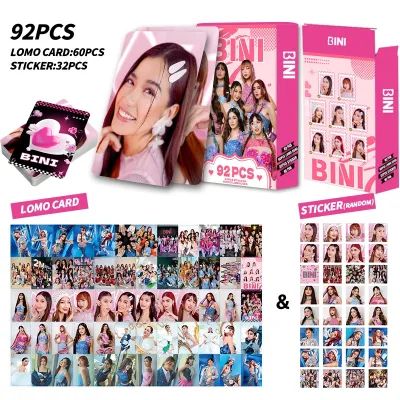
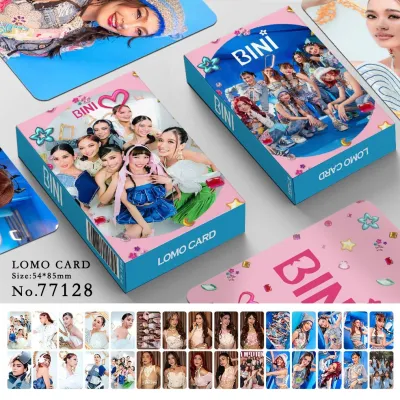

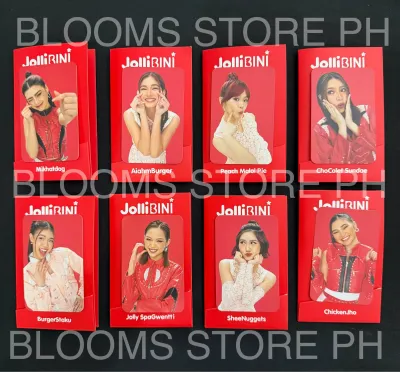
Prices are valid at publication and may change. Please refer to the product page for the latest price.
These unauthorized sellers utilize modern consumer-grade printing equipment to replicate official cards, often listing them on peer-to-peer marketplaces or social media trading groups. Because these replicas are designed to mimic the appearance of genuine items, relying on a single visual check is no longer sufficient. A comprehensive authentication process must evaluate the card’s physical weight, print pattern, tactile feel, and the credibility of the seller.
Physical and Print Traits of Authentic BINI Photocards
To conduct an accurate physical inspection, always examine your photocards under strong, neutral, natural light. Dim indoor lighting or warm-toned lamps can easily obscure subtle differences in color saturation, paper texture, and lamination quality.

Official BINI merchandise is produced using high-end industrial printing presses that operate under strict quality control standards. These industrial processes produce consistent, repeatable physical characteristics that are incredibly difficult to replicate on standard home or office printers.
Paper Stock, Thickness, and Lamination
The base material of an official photocard is a critical indicator of its authenticity. Genuine cards are printed on high-density, premium cardstock that provides a firm, rigid feel. When you gently hold an official card by its edges and apply minimal pressure, it should offer a distinct springy resistance without bending or creasing easily.
In the tropical climate of the Philippines, where high humidity can easily affect paper products, the quality of the lamination is especially telling. Official cards feature a smooth, perfectly sealed lamination layer—whether it is a high-gloss, soft-matte, or specialized textured finish. This protective coating is applied uniformly across the entire surface. Inspect the edges of the card closely; genuine lamination should be flush with the paper edge, showing no signs of peeling, bubbling, lifting, or fraying over time.
Print Resolution, Color Accuracy, and Typography
Industrial printing technology allows for incredibly fine detail that counterfeit operations cannot easily match. When inspecting a genuine BINI photocard, look closely at the fine details of the image using a magnifying glass or your smartphone’s macro camera lens. The facial features of the members, individual hair strands, and fabric textures should appear sharp and clear.
Pay close attention to the typography on the back of the card, particularly the small copyright text, logos, and licensing information. On an authentic card, these tiny letters are printed with absolute precision, displaying clean, sharp edges with no ink bleeding or fuzziness.
Color accuracy is another hallmark of professional manufacturing. Official photocards maintain balanced, natural color grading. Skin tones are rendered realistically, and background colors avoid extreme, artificial oversaturation or muddy dark tones. The colors should closely match verified scans from official collector databases.
Standard Dimensions and Edge Cutting
Standard collectible photocards typically measure approximately 55 mm by 85 mm, though minor variations can occur depending on the specific merchandise line or manufacturer. Use a precise plastic or metal ruler to measure the height and width of your card. A discrepancy of even a single millimeter is a strong indicator of a counterfeit, as fakes are often trimmed down during the cutting process.
The corners of official cards are rounded using precise industrial die-cutting machines, ensuring that all four corners share an identical, perfectly symmetrical radius. The edges should feel smooth and clean to the touch. If you notice uneven corner shapes, jagged cuts, or tiny paper tabs at the edges—which often result from manually separating cards from a perforated sheet—the card is likely a fake.
Identifying Red Flags in Fake BINI Photocards
Counterfeiters prioritize low production costs and high output, which inevitably leads to noticeable compromises in material quality and printing precision. Recognizing these common manufacturing shortcuts is key to identifying replica cards.
Blurry Details, Pixelation, and Color Shifts
Because counterfeiters rarely have access to the original high-resolution digital image files, they must rely on scanning official cards or downloading compressed images from the internet. When these low-resolution sources are printed, the resulting card often displays a soft, blurry image with a noticeable loss of detail in the shadows and highlights.
Under close inspection, fake cards frequently exhibit pixelation or a distinct halftone dot pattern, where the image is visibly composed of tiny, scattered dots of cyan, magenta, yellow, and black ink. Additionally, manual color adjustments made by counterfeiters often result in severe color shifts, giving the card an unnatural yellow, green, or blue tint that deviates significantly from the original print.
Missing or Poorly Replicated Special Finishes
Many official BINI photocard releases incorporate premium design elements, such as holographic foils, glossy spot varnishes, or embossed logos. These specialized finishes require expensive industrial machinery and precise registration, making them incredibly difficult for counterfeiters to replicate accurately.
On a fake card, holographic patterns often appear flat, dull, or fail to reflect light with the characteristic rainbow spectrum of genuine foils. If the card features embossing, run your fingertip gently over the surface. Official embossing is deep, tactile, and perfectly aligned with the printed text or logo. Counterfeits often omit these raised details entirely, or the embossing is shallow, rough, and noticeably misaligned with the printed design.
Evaluating Sellers and Purchasing Channels
Protecting your collection starts with choosing secure purchasing channels and thoroughly vetting third-party sellers. Whenever possible, prioritize buying merchandise directly from official entertainment agency stores, authorized retail partners, or established physical pop-up shops in the Philippines.
If you must purchase from the secondary market, such as online marketplaces or peer-to-peer trading groups, implement a strict verification process. Always check the seller’s rating, transaction history, and feedback from previous buyers. Avoid newly created accounts with no trading history that offer rare cards at prices significantly below their average market value.
Before committing to a purchase, request clear, unfiltered photos or videos of the card taken under natural light. Ask the seller to provide a timestamp photo, which features the photocard placed directly next to a handwritten note containing their username, the current date, and a unique word of your choice. This simple step verifies that the seller physically owns the card and is not using stolen images. If a seller refuses to provide detailed photos or pressures you to complete the transaction quickly, walk away.
What to Do If You Receive a Counterfeit Card
If you receive a package and suspect the photocard inside is a replica, taking prompt, structured action is vital to secure a refund. Always record a continuous, unedited unboxing video from the moment you open the parcel. Ensure the shipping label with your tracking details is clearly visible, and keep the package fully in the frame throughout the entire process.
Do not confirm the receipt of the item or complete the transaction on your e-commerce platform. Instead, immediately open a formal dispute or refund request. Provide clear, high-resolution, side-by-side comparison photos highlighting the differences between the received card and a verified authentic version.
Report the fraudulent listing and the seller’s account to the platform administrators to help protect other members of the fan community. While the final refund outcome will depend on the specific platform policies and seller terms, presenting clear, objective physical evidence remains your strongest tool for dispute resolution.
Frequently Asked Questions (FAQ)
Can I use a UV light to verify BINI photocards?
While some official entertainment companies incorporate UV-reactive security stamps or hidden watermarks into their collectible merchandise, this is not a universal standard for all BINI photocard releases. Always consult official product announcements or trusted community databases for the specific album, concert, or brand collaboration before relying on a UV light as your primary method of authentication.
Are unofficial fan-made photocards considered fakes?
No, unofficial fan-made photocards—often referred to as lomo cards or fan prints—are not considered counterfeits as long as they are clearly marketed and sold as unofficial, decorative items. Counterfeits are specifically designed, printed, and distributed with the deliberate intent to deceive buyers into believing they are purchasing genuine, officially licensed merchandise.
Community discussion
Share your experience or ask a question. Comments are reviewed before publication.