
Verifying that a holy card set is original requires a close inspection of its paper weight, print resolution, edge finishing, and packaging details. Counterfeit sets often flood online marketplaces, offering blurry reproductions printed on flimsy paper that quickly deteriorates. By learning to spot these discrepancies, you can ensure your devotional or collectible items remain beautiful, durable, and suitable for meaningful use or gifting.
Why Authenticity Matters for Holy Card Sets
Original holy card sets are designed as lasting keepsakes, utilizing premium materials that can withstand years of handling. In tropical climates like the Philippines, high humidity is the natural enemy of low-quality paper. Authentic cards are typically printed on acid-free, heavy cardstock with protective coatings that resist yellowing, warping, and moisture absorption. Cheap reproductions, by contrast, often use standard copy-grade paper that absorbs ambient moisture, leading to limp cards, color bleeding, and rapid degradation.
The visual appeal of a holy card relies heavily on the precision of its artwork and traditional printing techniques. Original publishers use high-resolution offset lithography or specialized digital presses to preserve the intricate details, fine lines, and rich color gradients of religious iconography. Counterfeiters usually scan an original card and reprint it on consumer-grade equipment, resulting in muddy colors, lost details, and a cheap appearance that detracts from the card’s devotional or aesthetic value.
Products mentioned in this guide
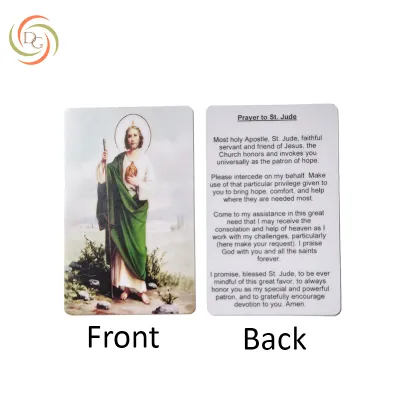
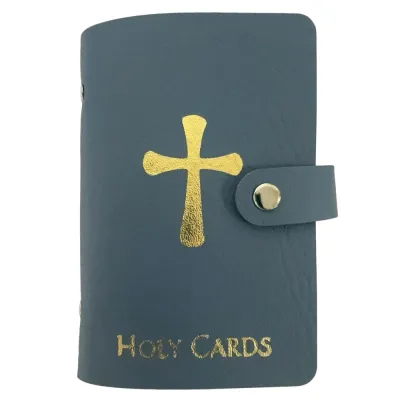
Prices are valid at publication and may change. Please refer to the product page for the latest price.
Purchasing authentic sets also ensures that your gifts carry the respect and thoughtfulness intended for significant milestones. Whether you are preparing cards for a baptism, wedding, first communion, or memorial, presenting a high-quality, original set reflects genuine care. Receiving a counterfeit set with faded colors, typos, and rough edges can be deeply disappointing, especially when the items are meant to serve as meaningful, long-term keepsakes for family and friends.
Visual and Tactile Checks for Original Holy Cards
Evaluating the print resolution is one of the most reliable ways to identify a counterfeit holy card. Under a simple magnifying glass or a close-up smartphone camera shot, authentic cards display sharp, clean lines in both the artwork and the text. Counterfeits, which are almost always printed from low-resolution scans, will show visible pixelation, blurry text edges, and a distinct halftone dot pattern where solid colors should be. If the small prayers or scripture verses on the back look fuzzy or difficult to read, the set is highly likely a reproduction.

The physical feel of the card provides immediate clues about its origin. Original holy cards are printed on heavy, stiff cardstock, typically ranging from 300 to 350 gsm (grams per square meter). When you gently flex an authentic card, it should feel robust and snap back into its flat shape immediately. Many original sets also feature specialized textures, such as a subtle linen finish or a smooth, non-reflective matte varnish. Counterfeits often feel thin, flimsy, or overly glossy, resembling cheap photo paper that easily creases and shows fingerprints.
Examine the edges and embellishments of the cards for clean, professional finishing. Original publishers use industrial-grade die cutters that leave perfectly smooth, sharp edges on every card, whereas counterfeit sets are often cut using low-end paper trimmers, resulting in slightly uneven dimensions or fuzzy paper fibers along the borders. Furthermore, specialized embellishments like gold foil stamping or metallic gilding require precise manufacturing processes that counterfeiters rarely replicate successfully. On an original card, gold foil is crisp, perfectly aligned with the printed design, and bonded securely to the paper surface. Fake cards often substitute real foil with a flat, printed yellow ink that lacks metallic luster, or they use cheap foil transfers that easily flake off, smear, or are noticeably misaligned with the underlying artwork.
Carefully read all the text on both sides of the cards, paying close attention to typography and spelling. Original publishers maintain strict quality control, ensuring that prayers, scripture passages, and attribution details are free of errors. Counterfeiters, often operating in different regions without a clear understanding of the text, frequently introduce spelling mistakes, grammatical errors, or inconsistent fonts. Additionally, look for the publisher’s official mark, logo, or copyright notice, which should be printed in a small, crisp, legible font on the back of the card.
Packaging and Documentation Verification
The quality of the outer packaging is a strong indicator of a holy card set’s authenticity. Original sets are typically housed in sturdy, custom-designed boxes, protective sleeves, or elegant portfolios that shield the cards from dust and moisture. The printing on the packaging should match the high resolution and color accuracy of the cards inside. Counterfeit sets, aiming to minimize production costs, are often shipped in flimsy plastic bags, plain cardboard boxes, or poorly printed paper sleeves with blurry graphics and faded colors.
Look for official branding elements, barcodes, and security features on the packaging. Authentic publishers often include clear, high-resolution logos, accurate barcodes, and sometimes holographic security seals or printed batch codes that verify the production run. If the barcode on the box is blurry, pixelated, or looks like a low-resolution image pasted onto the design, the product is likely an unauthorized copy.
Verify the presence and quality of any included inserts or documentation. Many premium holy card sets come with certificates of authenticity, small devotional booklets, or individual protective sleeves for each card. These accompanying materials should exhibit the same high paper quality, crisp typography, and design aesthetic as the cards themselves. Missing inserts, or inserts printed on cheap, thin paper with formatting errors, are common red flags of a counterfeit set.
Evaluating the Seller and Purchase Channel
Price is a helpful starting point when assessing the authenticity of a holy card set. While discounts and promotions occur, high-quality printing, premium cardstock, and official licensing require realistic production costs. If you find a set listed on an online marketplace for a price in ₱ that seems too good to be true compared to standard retail rates, you should proceed with caution. Unusually low prices are a primary strategy used by counterfeiters to quickly liquidate low-quality, mass-produced copies.
When shopping on ecommerce platforms, scrutinize the seller’s profile and customer feedback before making a purchase. Look for sellers with high overall ratings and read the written reviews, paying close attention to any negative feedback regarding print quality or packaging. Look for reviews that include real photos of the received product, and compare them to the official product listings. If the seller’s listing relies entirely on stock photos or low-resolution images stolen from official publisher websites, ask the seller to provide actual photos of the physical stock.
To guarantee you are purchasing an original set, prioritize authorized religious goods stores, official brand websites, or reputable specialty stationery retailers. These established channels source their inventory directly from authorized publishers and distributors, ensuring that the products meet strict quality standards. Buying from reputable sources also ensures that your purchase supports the original artists, designers, and publishers who create these beautiful devotional items.
Steps to Take If You Receive a Suspected Fake
If you receive a holy card set and suspect it is a counterfeit, the first step is to document the discrepancies thoroughly. Take clear, well-lit photographs of the cards and packaging, focusing on specific flaws such as blurry text, pixelated artwork, rough edges, thin paper, or spelling errors. If possible, place a known authentic card or a standard high-quality card next to the suspect item to provide a clear visual comparison of the paper thickness and print resolution.
Use the buyer protection policies of the ecommerce platform or online marketplace where you made the purchase to initiate a return or refund. File a formal dispute, upload your photographic evidence, and clearly state that the item received is a low-quality, unauthorized reproduction rather than the original product advertised. Most reputable online platforms have strict policies prohibiting the sale of counterfeit goods and will facilitate a refund once the evidence is reviewed.
If the platform’s resolution process is unsuccessful, or if you want to help prevent other buyers from being misled, contact the original publisher or brand directly. Provide them with the name of the seller, the link to the online listing, and the photos of the counterfeit product you received. Original publishers have a strong interest in protecting their intellectual property and brand reputation, and they can take legal action to have unauthorized listings and sellers removed from online marketplaces.
Frequently Asked Questions (FAQ)
Can I rely solely on the price to determine if a holy card set is fake?
No, you should not rely solely on the price to determine authenticity. While an unusually low price in ₱ is a strong warning sign, some counterfeiters price their fake sets close to standard retail rates to make them appear legitimate. To make an accurate assessment, always combine price evaluation with physical, tactile, and packaging inspections of the cards.
Are minor printing variations always a sign of a counterfeit set?
Minor variations are not always a sign of a counterfeit set, as original cards can have slight differences depending on the printing batch, traditional manufacturing methods, or natural paper textures. However, these variations should never include blurry text, pixelated artwork, or spelling errors. If you notice minor differences, compare the cards against official product images or known authentic references to determine if the variations fall within acceptable manufacturing tolerances.
Community discussion
Share your experience or ask a question. Comments are reviewed before publication.