
Spotting a fake LE SSERAFIM album or lightstick requires a keen eye for physical details, printing standards, and functional features. Genuine merchandise follows strict quality control, whereas counterfeit items show distinct flaws in packaging seals, photocard paper stock, hologram stickers, and Bluetooth connectivity. If you are building your collection around your favorite members, particularly Kim Chaewon, understanding these differences is essential to ensure your hard-earned money goes toward official releases.
In the global K-pop community, merchandise serves as a physical connection between fans and their favorite artists. However, the market is flooded with unauthorized replicas that mimic official products. By focusing on specific manufacturing markers, paper weight, and digital verification steps, you can confidently filter out counterfeit items before making a purchase.
The Rise of Counterfeit K-Pop Merch and Why It Matters
The global popularity of LE SSERAFIM has created an immense demand for their physical merchandise. Individual member popularity, especially for the group’s leader, Chaewon, drives a highly active secondary market where rare photocard variants and sold-out lightsticks command premium prices. Counterfeiters exploit this high demand by producing unauthorized replicas that target unsuspecting collectors looking for specific member items.
Products mentioned in this guide
![[ONHAND] LE SSERAFIM - EASY OFFICIAL ALBUM | Balmy Flex Featherly Lotus Sheer Myrrh Compact Ver | Chaewon Yunjin Sakura Kazuha Eunchae](https://img.lazcdn.com/g/p/31c740100e2e20778502d76b1114c831.jpg_400x400q80.jpg_.webp)
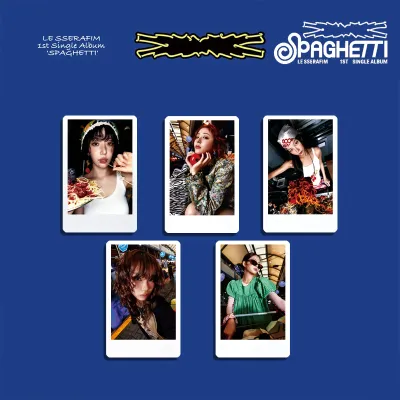
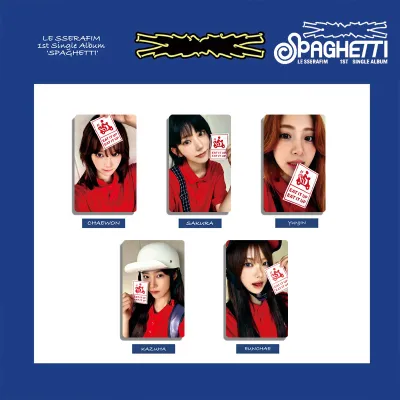
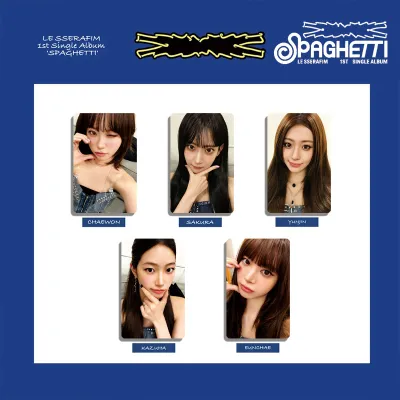
Prices are valid at publication and may change. Please refer to the product page for the latest price.
Purchasing counterfeit merchandise carries several negative consequences that affect both the buyer and the artist. From a financial perspective, buyers pay premium prices for items made with cheap, substandard materials that degrade quickly. More importantly, unofficial purchases do not contribute to official music show scoring systems or recognized music charts like Hanteo and Circle. When you buy a fake album, your support is not counted toward the group’s promotional success, music show wins, or year-end awards.
While manufacturers of counterfeit goods continue to improve their replication techniques, they consistently fail to match the precise engineering and high-quality materials used by official production facilities. Physical discrepancies always remain. By learning how to inspect these items systematically, you can protect your investment and ensure your support directly benefits the artists.
Authenticating LE SSERAFIM Albums and Chaewon Photocards
Evaluating physical albums and highly collectible photocard sets requires a methodical inspection of print quality, paper stock, and official security markings. Because individual items like a Chaewon photocard can be traded separately, verifying the authenticity of both the host album and the individual paper inserts is crucial.

Inspecting the Album Packaging and Holograms
The outer packaging provides the first line of defense when identifying counterfeit albums. Genuine LE SSERAFIM albums feature a tight, clean shrink wrap with perfectly sealed edges and, in many releases, a specific tear-strip mechanism that allows for smooth opening. Counterfeit albums, by contrast, are often wrapped in loose, crinkly, or excessively thick plastic that has been crudely heat-sealed at the corners, leaving rough, melted seams.
Another critical element is the official Korea Music Content Association (KMCA) or agency-specific hologram sticker affixed to the back of the album. Genuine hologram stickers are highly sophisticated; when you tilt the album under a light source, the colors shift smoothly, and micro-printed text or logos appear sharp and legible. Counterfeit stickers are typically flat, dull foil prints that do not show multi-layered color shifts or clean, readable micro-text when rotated.
Evaluating Photocard Print Quality and Material
Photocards are among the most frequently counterfeited items due to their high collectible value. To verify a Chaewon photocard, start by testing the card stock’s rigidity and thickness. Official photocards are printed on premium, dense paper board that offers a firm snap when gently flexed. Counterfeits often feel flimsy, thin, or conversely, overly thick and rigid due to cheap lamination methods that do not match the factory standard.
Edge finishing is another reliable indicator of authenticity. Genuine photocards are cut using industrial die-press machines, resulting in perfectly smooth, rounded corners that are completely uniform. If you examine the edges closely, you should not see any rough fibers or micro-tears. Counterfeit cards, often cut with manual corner rounders or low-grade cutters, frequently exhibit tiny paper spurs, uneven corner radiuses, or rough, scissor-like edges.
Print resolution and color balance reveal the limitations of counterfeit printing setups. Official cards feature high-resolution, continuous-tone printing where skin tones look natural and background details remain sharp. Counterfeits are often scanned copies of genuine cards, which introduces pixelation, a loss of fine detail, and distorted color saturation—resulting in skin tones that appear washed out, overly orange, or excessively dark. Additionally, inspect the back of the card; the font weights, spacing, and alignment of the official logos must match verified reference cards exactly. Comparing your card side-by-side with a verified unboxing video or a high-resolution scan from an established collector database is an excellent way to spot these visual differences.
How to Identify Fake LE SSERAFIM Lightsticks
The official LE SSERAFIM lightstick is a high-tech device that combines intricate plastic molding with wireless communication hardware. Because these items retail for a higher price point—often between ₱2,800 and ₱3,500 in the Philippines—they are prime targets for counterfeiters. Spotting a fake requires checking both the physical build quality and the internal electronic components.
Physical Build, Engravings, and Packaging
The plastic and acrylic components of a genuine lightstick are manufactured to high industrial standards. The clear dome surrounding the central emblem must be perfectly transparent, smooth, and free of imperfections. Counterfeit lightsticks often use cheaper, low-grade plastics that appear slightly cloudy, show distinct, rough seam lines where the two halves of the dome meet, or contain tiny trapped air bubbles within the material.
Next, examine the internal engravings, logos, and overall weight distribution. Official lightsticks feature crisp, perfectly aligned molded logos and text with consistent depth. The handle should feel balanced and solid in your hand. Check the battery compartment carefully: genuine units have clean, precise plastic molding, secure battery cages, and high-quality, corrosion-resistant contact springs. The official wrist strap included in the box is also a key indicator; it should feature a dense, high-quality weave and clean, accurate embroidery or printing of the group’s name, whereas fake straps are often thin, fray easily, and have sloppy lettering.
Bluetooth Connectivity and App Integration
The most definitive test of a lightstick’s authenticity is its wireless functionality. Genuine LE SSERAFIM lightsticks contain dedicated Bluetooth microchips designed to pair seamlessly with the official mobile application. This integration allows for color customization, firmware updates, and seat-syncing during live concerts.
Counterfeit lightsticks rarely include these expensive internal Bluetooth chips. When you attempt to connect a fake lightstick to the official app, it will fail to pair, or the app will display an error message indicating that the device is unrecognized. Fakes typically only offer basic manual controls, allowing you to cycle through a few pre-programmed colors by pressing the physical button, but they cannot sync with concert venue systems or receive official firmware updates. Always perform an app connectivity test immediately upon receiving a lightstick to verify its internal hardware.
Official Verification Tools and Tracking Methods
Using digital verification tools and official tracking systems helps confirm your purchase is genuine after it arrives. For lightsticks, downloading the official application from the recognized app store is your primary defense. Once installed, follow the in-app prompts to pair the device; a successful connection and any subsequent firmware update prompt serve as a strong validation of the internal hardware.
When it comes to albums, you can track their authenticity through the shipping and distribution chain. Reputable sellers provide official tracking numbers from recognized logistics partners. Furthermore, genuine albums contain QR codes or registration cards for digital platforms like Weverse Shop or other official music charts. Scanning a genuine QR code should direct you to the official, secure portal of the agency or authorized distributor. Counterfeit items often feature QR codes that are completely non-functional, lead to broken links, or redirect to generic, third-party “authentication” websites that have no official affiliation with the group’s management. Do not trust verification certificates or security websites that are not explicitly endorsed by the official agency.
Choosing Safe Purchasing Channels in the Philippines
Navigating the K-pop market in the Philippines requires caution, especially when sourcing high-demand Chaewon merchandise. To minimize the risk of buying fakes, prioritize established local K-pop specialty stores that have physical retail locations or verified online storefronts with a long, consistent history of positive customer feedback. Many of these specialized shops source their inventory directly from South Korean distributors, ensuring that your purchase counts toward the Hanteo and Circle charts.
Be highly cautious of listings on general online marketplaces or peer-to-peer selling apps where prices seem too good to be true. For example, if an official LE SSERAFIM lightstick is listed for ₱800 when the standard retail price fluctuates around ₱3,000, it is almost certainly a counterfeit. Counterfeiters often use official promotional images or stock photos to hide the physical flaws of their stock.
Always look for red flags in seller listings. Avoid sellers who refuse to provide actual, high-resolution photos of the physical item in their possession, or those who cannot show a clear unboxing video of their inventory. Be wary of listings labeled as “unsealed” or “damaged” that lack the original outer packaging or the official KMCA hologram sticker on the back. A legitimate seller will gladly provide detailed photos of the packaging, hologram stickers, and print details upon request to prove authenticity.
Steps to Take If You Buy Counterfeit Merchandise
If you suspect that you have received a counterfeit album or lightstick, taking immediate, documented action is essential to securing a refund. First, always record a continuous, unedited unboxing video from the moment you begin opening the shipping package. Ensure the video clearly displays the shipping label, the outer condition of the box, and a close-up of the physical discrepancies, such as a blurry photocard print, a missing hologram, or a lightstick that fails to connect to the official app.
Once you have documented the issues, do not attempt to resolve the matter by confronting the seller directly outside of the official sales channel. Instead, immediately file a formal dispute through the e-commerce platform’s customer resolution center or contact your payment provider. Submit your unedited unboxing video and clear, side-by-side photo comparisons as evidence of the counterfeit nature of the product. E-commerce platforms have strict policies against the sale of counterfeit goods, and providing clear, objective proof is the fastest way to secure a full refund.
Frequently Asked Questions (FAQ)
Can I authenticate a LE SSERAFIM lightstick without opening the box?
While inspecting the outer box’s print quality, shrink wrap, and official seals can help you spot low-quality fakes, it is not a completely foolproof method. Some advanced counterfeiters manage to replicate the packaging very closely or even package fake lightsticks inside genuine boxes acquired from other sources. To be absolutely certain of your lightstick’s authenticity, you must open the box, inspect the physical materials, and test its Bluetooth connectivity with the official mobile application.
What is the difference between counterfeit merch and unofficial fan-made goods?
Counterfeit merchandise is illegally manufactured with the explicit intent to deceive buyers into believing they are purchasing genuine, official products authorized by the artist’s agency. These items replicate official logos, album designs, and patented lightstick technology. In contrast, unofficial fan-made goods—such as custom fan art, keychains, or fan-designed slogans—are openly marketed as fan creations. They do not attempt to pass themselves off as official agency merchandise, do not replicate exact commercial album designs, and are sold transparently within the fan community.
Community discussion
Share your experience or ask a question. Comments are reviewed before publication.