
Spotting authentic tf family 4th generation merchandise on major e-commerce platforms in the Philippines requires a sharp eye and a systematic verification process. Because unauthorized replicas are highly prevalent, collectors must look beyond low prices and inspect specific physical indicators such as print resolution, paper weight, and packaging details. By combining careful listing analysis with strict unboxing protocols, you can protect your budget and ensure your collection consists only of genuine items.
Why Counterfeit Merchandise Is a Common Risk
The market for idol collectibles and anime merchandise frequently faces an influx of unauthorized replicas due to high demand and limited official production runs. For fans of the tf family 4th generation, this means navigating a marketplace flooded with unauthorized reprints of photocards, slogans, and album inclusions. These counterfeit items typically suffer from poor material quality, inaccurate color reproduction, and a complete lack of official manufacturing standards.
In the tropical climate of the Philippines, where high humidity and ambient heat can rapidly degrade low-quality paper and adhesives, counterfeit goods are particularly prone to warping, fading, and peeling. Purchasing these replicas not only results in a substandard product but also deprives the original creators of support, leaving buyers with items that hold zero resale or collector value.
Products mentioned in this guide
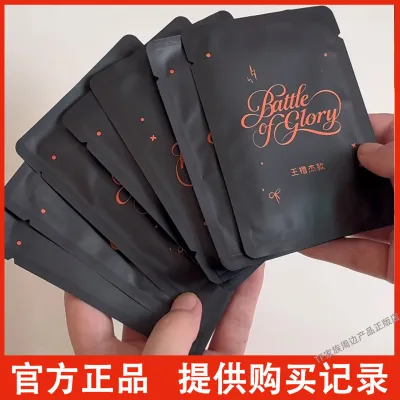

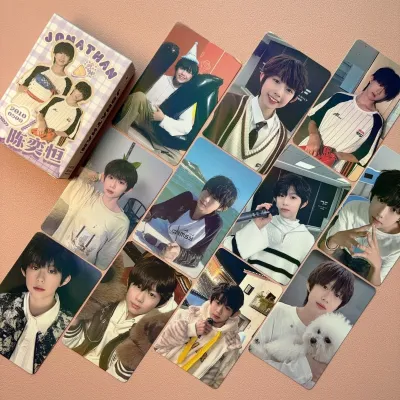
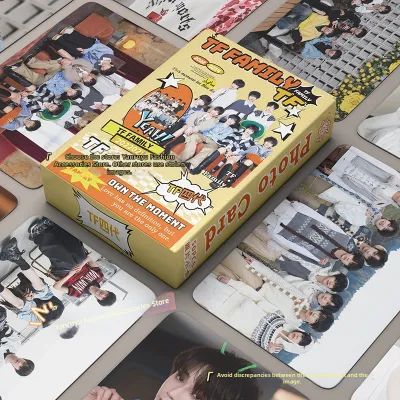
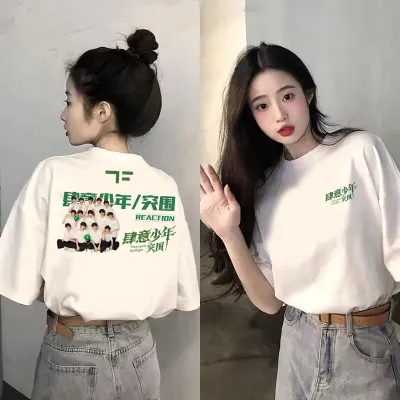
Prices are valid at publication and may change. Please refer to the product page for the latest price.
How to Inspect Visual and Physical Traits for Authenticity
When verifying tf family 4th generation merchandise, comparing the physical item against official promotional images is your first line of defense. Official merchandise is produced using high-resolution source files, resulting in crisp lines, accurate color saturation, and precise logo placements. Counterfeits are often printed using low-resolution digital copies, which manifests as noticeable pixelation, blurred text, or unnatural color shifts, such as overly warm or washed-out skin tones.

For paper-based collectibles like photocards, postcards, and lyric booklets, pay close attention to the paper stock and cutting standards. Authentic cards have a specific thickness and rigidity, featuring clean, machine-cut edges with perfectly uniform rounded corners. Replicas often feel flimsy, show rough or uneven edges from manual cutting, and may have slight size discrepancies when measured against verified originals.
Furthermore, official items utilize high-quality coatings—such as professional matte or glossy finishes—that provide a smooth texture and a degree of moisture resistance. You can test this by observing how the surface handles light reflection; authentic glossy cards reflect light evenly without dimpling, whereas fake cards often show a textured, orange-peel effect under direct light.
If the merchandise includes stationery items like notebooks, pens, or binders, inspect the binding and ink quality. Authentic binders feature sturdy rings and durable covers that do not emit strong chemical odors, a common issue with cheap plastics used in counterfeits. Notebook pages should be checked for paper weight and ink bleed resistance; official stationery is designed to handle standard writing instruments without significant feathering or bleed-through, while counterfeit paper is often thin and highly absorbent.
Spotting Red Flags in Online Listings and Seller Profiles
Before making a purchase on any online marketplace, a thorough evaluation of the listing and the seller’s profile can save you from a fraudulent transaction. The most obvious red flag is a pricing anomaly. If a listing for rare tf family 4th generation items is priced significantly lower than the official retail price or the established market value in ₱, it is almost certainly a counterfeit. Genuine sellers rarely sell highly sought-after collectibles at steep discounts unless there is a documented defect.
Next, scrutinize the product photos provided in the listing. Authentic sellers usually display clear, high-resolution photos of the actual item in their possession, often including a handwritten note with their username or the current date to prove ownership. Be highly suspicious of listings that rely solely on official promotional graphics, low-quality screenshots, or images containing watermarks from other shops. A lack of on-hand photos suggests the seller does not physically possess the genuine item and may be drop-shipping cheap replicas.
Additionally, analyze the seller’s overall rating, customer feedback, and shop history. Read through the reviews carefully, looking for specific complaints about “unofficial items,” “poor print quality,” or “fake goods.” Be wary of shops with generic, repetitive five-star reviews that lack detailed comments or photos, as these can be artificially generated to mask a history of selling counterfeits.
Choosing Safe Purchasing Channels and Verifying Sellers
To minimize the risk of purchasing counterfeit tf family 4th generation merchandise, prioritize established purchasing channels and verified sellers. Look for shops on e-commerce platforms that carry official verification badges, which indicate that the seller is an authorized distributor or a recognized brand partner. While these badges provide an extra layer of security, always cross-reference the shop’s reputation with community-vouched seller lists on local fan forums or social media groups.
When communicating with a seller, do not hesitate to ask for additional proof of authenticity, such as receipts from official stores or detailed close-up photos of the item’s security features. Reliable sellers who deal in genuine merchandise are typically willing to provide these details to reassure buyers.
Once you decide to purchase, establish a strict protocol for receiving the package. Always record a continuous, unedited video of the unboxing process, starting from the moment you show the intact shipping label and sealed packaging. Slowly open the parcel and inspect the merchandise on camera, highlighting any visual defects or signs of counterfeiting. This unedited video serves as indisputable evidence if you need to file a dispute with the platform’s customer support.
Steps to Take If You Receive a Suspected Counterfeit
If you open your package and suspect that the tf family 4th generation merchandise is counterfeit, act quickly to protect your purchase. First, do not click the button to confirm receipt or complete the transaction on your shopping app, as doing so may release the funds to the seller and complicate the refund process. Keep the item, its original packaging, and all shipping materials intact, and avoid using or handling the item further to prevent any damage that the seller could claim you caused.
Next, compile your evidence by taking clear, high-resolution photos of the discrepancies, such as pixelated printing, incorrect logos, or flimsy materials, alongside your unboxing video. Initiate a formal return or refund request through the e-commerce platform, selecting the option for receiving a counterfeit or incorrect item. Upload your photos and video evidence, and write a clear, objective description of why the item is fake, referencing specific physical differences from the official product.
If the seller rejects your claim or attempts to negotiate outside the platform’s official channels, escalate the dispute immediately to the platform’s customer support team. Avoid engaging in prolonged arguments with the seller; instead, let the platform’s dispute resolution team review your documented evidence and make the final determination under their buyer protection policies.
Frequently Asked Questions (FAQ)
Can I rely solely on a holographic sticker to verify authenticity?
No, you should not rely exclusively on a holographic sticker to confirm that your tf family 4th generation merchandise is genuine. While official manufacturers often use holographic or security stickers on packaging, counterfeiters have become highly adept at replicating these visual elements. A fake sticker may mimic the shine but often lacks the multi-layered depth, sharp micro-text, or color-shifting properties of an official security seal. Always treat a holographic sticker as just one part of a comprehensive check, and verify it alongside print quality, paper weight, and seller credibility.
Are unboxed or loose items always counterfeit?
Unboxed or loose items are not always counterfeit, but they carry a significantly higher risk. Collectors often sell genuine second-hand items without their original packaging due to space constraints or because they only wanted specific inclusions from a box set. However, purchasing loose merchandise removes critical verification layers, such as the outer box, official barcodes, and security seals. If you are considering buying a loose item, always ask the seller for detailed photos of the front and back, and request proof of their original purchase from an official source before finalizing the transaction.
Community discussion
Share your experience or ask a question. Comments are reviewed before publication.