
Silicone bookmarks are celebrated in the stationery community for their durability, flexibility, and vibrant designs. However, because silicone is an elastomer with a naturally smooth surface, it can sometimes slide out of your books, especially when you carry them in a bag. Keeping your silicone bookmark securely in place requires a combination of proper positioning, understanding paper textures, and utilizing external pressure to maintain friction. By adjusting how you insert the bookmark and how you pack your book, you can prevent it from slipping and protect your reading progress.
Why Silicone Bookmarks Slip and How to Prepare Your Book
To prevent your bookmark from sliding, it helps to understand the physical relationship between silicone and paper. Silicone is a synthetic polymer that relies heavily on surface contact to generate static friction. When placed against a highly textured, uncoated paper—such as standard offset paper used in most novels—the microscopic fibers of the paper catch against the silicone, creating a natural grip.
In contrast, glossy or clay-coated papers, which are common in textbooks, art books, and magazines, present a very smooth surface. This lack of texture significantly reduces the coefficient of friction, allowing the flexible silicone to slide out with minimal effort. Before choosing a bookmark, observe the paper type of your book to determine if a standard silicone design will provide enough natural resistance.
Products mentioned in this guide
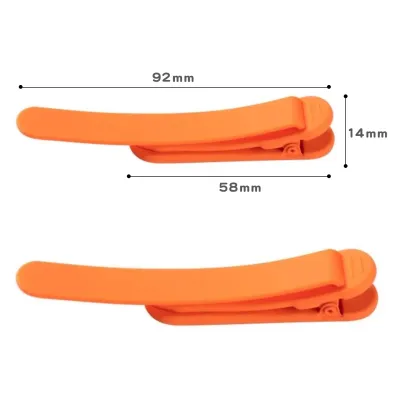
165 Lazada user ratings
The design is really exquisite, and the attention to detail is on point.
The color matches the picture perfectly, and it flips pages nicely.
The design is really refined, and the details are well handled.
The material is really good; it's very reassuring to use.
It looks really beautiful after receiving it.
Prices are valid at publication and may change. Please refer to the product page for the latest price.
The physical dimensions of your bookmark also play a critical role in how well it stays put. A bookmark that is too thick acts as a wedge, pushing the surrounding pages apart and creating an air gap near the spine or edges. This gap actually reduces the total surface area of the paper touching the silicone, making it easier for the bookmark to fall out. A thin, flat silicone profile is generally more compatible with standard books because it allows the pages to lay flat and maintain uniform contact.
Finally, inspect the physical condition of the bookmark itself. Over time, silicone naturally attracts dust, lint, and oils from your fingers. This buildup creates a microscopic barrier over the silicone, turning a once-grippy surface into a slick slide. If your bookmark feels greasy or dusty, its ability to hold onto paper fibers will be severely compromised.
Step-by-Step Guide to Inserting and Securing Your Bookmark
Securing your silicone bookmark is a straightforward process when you apply basic principles of physics and page tension. Following a deliberate insertion method ensures that the bookmark remains anchored even when the book is subjected to movement.

First, choose the right page position. Avoid placing your bookmark too close to the book’s spine or too close to the outer edge. Near the spine, the binding often creates a natural flare or gap where pages do not press tightly against one another. Conversely, placing the bookmark right at the outer edge makes it highly vulnerable to catching on your hands, clothes, or bag interior. The ideal position is within the middle third of the page width, where page tension is most consistent and stable.
Second, ensure the correct insertion angle and depth. Slide the bookmark straight down, keeping it parallel to the side margins of the page. You want to maximize the surface area of the bookmark that is sandwiched between the pages. Ensure that at least 80% of the bookmark’s body is fully enclosed within the book. If your bookmark has a decorative character, tab, or loop at the top, keep this exposed portion as small and close to the page edge as possible to prevent gravity from pulling the bookmark downward.
Third, utilize natural page pressure. Once the bookmark is positioned, close the book gently. Apply light pressure with your hands along the cover, smoothing it from the spine toward the outer edges. This action expels trapped air and forces the pages to compress tightly against the silicone body. This simple step seats the pages against the elastomer, establishing the static friction required to resist gravity and minor vibrations during daily handling.
By following these steps, you create a secure hold where the natural weight and tension of the closed book work in harmony with the silicone’s grip.
Advanced Techniques for Carrying Books in a Bag
Transporting your book inside a backpack, tote, or messenger bag introduces constant movement, vibrations, and shifting angles. Standard page pressure alone may not always be enough to keep a silicone bookmark in place when the book is jostled alongside other items.
The first line of defense in a bag is the orientation of the book. Always place your book into your bag with the spine facing downward or inward. This keeps the open edge of the book—where the bookmark’s top tab is exposed—facing upward. When oriented this way, gravity works in your favor, keeping the bookmark settled deep between the pages rather than pulling it out.
To further secure your reading place, consider using external compression tools. An elastic book band wrapped around the covers of your book is highly effective. By holding the book tightly shut, the band maintains constant, high-pressure contact between the pages and the silicone bookmark, preventing the pages from flaring open when the book shifts. Alternatively, placing your book inside a snug fabric book sleeve or slipcase provides overall compression while protecting the edges of the pages from catching on other items.
You should also be mindful of how you arrange other items in your bag. Avoid packing heavy, rigid objects like laptops, tablets, or water bottles directly against the open edge of your book. If these items rub against the exposed tab of your silicone bookmark, they can easily snag it and pull it completely out of the book as you walk.
Troubleshooting: What to Do When Slippage Still Happens
If you have adjusted your insertion technique and your bookmark still slides out, you may need to troubleshoot specific physical factors or environmental conditions.
Start by cleaning the bookmark to restore its original surface properties. Wash the silicone thoroughly with warm water and a small drop of mild dish soap. Use your fingers to gently scrub away any accumulated skin oils, dust, or lint. Rinse it completely and let it air dry on a clean towel. Avoid using harsh chemical solvents, rubbing alcohol, or abrasive scrubbing pads, as these can degrade the silicone polymer or strip away any matte finishes that contribute to its grip.
Next, analyze the binding style of your book. Hardcover books with tight, sewn bindings often create a larger gap near the gutter than paperbacks with glued bindings. If you notice a gap where the pages do not touch near the spine, move your bookmark further toward the outer third of the page. This area experiences higher page tension when the book is closed, which will help clamp the silicone more securely.
If cleaning and repositioning do not resolve the issue, the bookmark’s physical specifications may be incompatible with your book’s paper weight. Very thin, lightweight paper can buckle under a thick silicone bookmark, reducing contact. In such cases, it may be time to switch to a different style of silicone bookmark. Look for designs that feature a textured surface, a longer body to increase surface area, or a magnetic clamping mechanism that physically locks onto the page.
Exploring Other Silicone Bookmark Uses and Variations
Understanding the full range of silicone bookmark uses can help you select the right style for your reading habits and maximize your stationery setup. Silicone’s unique material properties make it highly versatile beyond simply holding a single page.
One popular application is indexing and categorization. Because silicone is highly durable and does not tear like paper, multi-colored silicone bookmarks or page flags are excellent for long-term organization. You can use different colors to divide sections in planners, bullet journals, or thick textbooks. They can be moved and reused indefinitely without losing their shape or leaving sticky adhesive residue behind.
Silicone bookmarks can also serve as temporary rulers and reading aids. Many designs feature molded-in measurement markings along their straight edges. Even without markings, the straight, flexible edge of a silicone bookmark can be placed directly under a line of text, helping you track your reading progress and maintain focus on dense pages. Its flexible nature allows it to conform to the curve of the pages comfortably.
Additionally, specialized corner bookmarks made of silicone offer excellent page protection. These small, triangular sleeves slide directly over the corner of a group of pages. Because they physically hook onto the corner, they are highly resistant to slipping and prevent the corners of your pages from becoming dog-eared or bent when your book is stored in a crowded bag.
Frequently Asked Questions (FAQ)
Can I wash my silicone bookmark if it loses its grip?
Yes, washing your silicone bookmark is the most effective way to restore its natural slip-resistant properties. Over time, silicone accumulates dust, lint, and natural oils from your hands, which creates a slick layer on the surface. To clean it, wash the bookmark gently with warm water and a mild dish soap. Rinse it thoroughly to remove all soap residue, and allow it to air dry completely before placing it back in a book. Avoid using harsh chemical cleaners, boiling water, or rubbing alcohol, as these can damage the silicone or fade its colors.
Are magnetic silicone bookmarks better for preventing slippage?
Magnetic silicone bookmarks are highly effective at preventing slippage because they do not rely solely on page friction. These designs feature small magnets embedded in a fold-over silicone strap, allowing them to physically clamp onto a single page or a small group of pages. This mechanical hold ensures the bookmark stays in place even if the book is shaken or dropped. However, they may have difficulty clamping securely over very thick paper stocks or large groups of pages, as the magnetic attraction weakens with distance.
Will a silicone bookmark damage my book's pages over time?
High-quality, food-grade silicone is chemically inert, acid-free, and highly stable, meaning it will not chemically react with or discolor paper pages under normal conditions. However, because silicone is non-porous, it can trap moisture if used in highly humid environments. To protect your books, avoid leaving a silicone bookmark in the exact same spot for many months in damp conditions. For long-term storage of rare or antique books, traditional acid-free paper or cotton ribbon bookmarks remain the safest choice.
Community discussion
Share your experience or ask a question. Comments are reviewed before publication.