
Identifying a genuine lightstick strap holder requires a close examination of physical construction, packaging details, and retail sources. Official merchandise is manufactured under strict quality control standards set by entertainment agencies, resulting in precise stitching, durable materials, and accurate color matching. Counterfeit items, by contrast, often exhibit loose threads, cheap plastic or lightweight metal hardware, blurry logo prints, and missing or poorly replicated security holograms. By systematically comparing these physical attributes and verifying the seller’s credentials, fans can confidently distinguish authentic accessories from cheap imitations.
Why Verifying Official K-Pop Merch Matters
Investing in official K-pop merchandise is about more than just owning a piece of memorabilia; it directly impacts the safety of your gear and your support for the artists. Official lightstick strap holders are engineered to support the weight of expensive lightsticks, which often cost upwards of ₱3,000 to ₱5,000. A counterfeit strap made from substandard materials can easily snap during a high-energy concert, causing your lightstick to fall and shatter on the concrete floor of an arena.
Furthermore, unregulated counterfeit accessories often bypass basic safety standards. Cheap synthetic fabrics, industrial dyes, and low-grade plastics used in fake straps can emit strong chemical odors and cause skin irritation. This risk is particularly high in hot and humid tropical climates, where sweat can cause unstable dyes to bleed onto your skin or stain your clothing and lightstick handle.
Products mentioned in this guide
![[ON HAND] EXO - LIGHTSTICK STRAP HOLDER](https://img.lazcdn.com/g/p/b38d67312d1116d63d9aae1ee6fa95a1.jpg_400x400q80.jpg_.webp)
![[ON HAND] NCT - LIGHTSTICK STRAP HOLDER](https://img.lazcdn.com/g/p/5f664f330d4fdd6059c0a0a3004ef0a7.jpg_400x400q80.jpg_.webp)
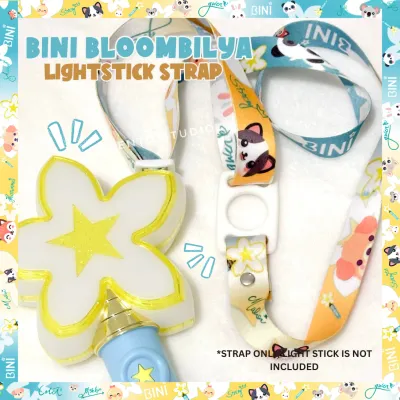
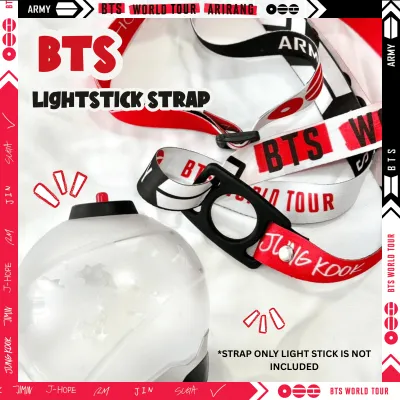
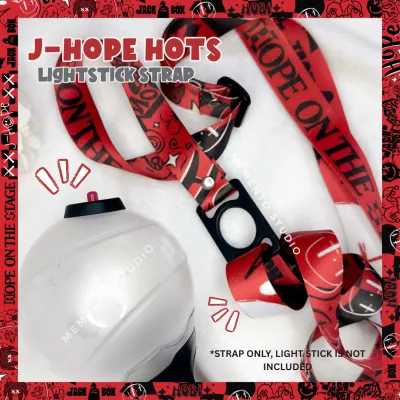
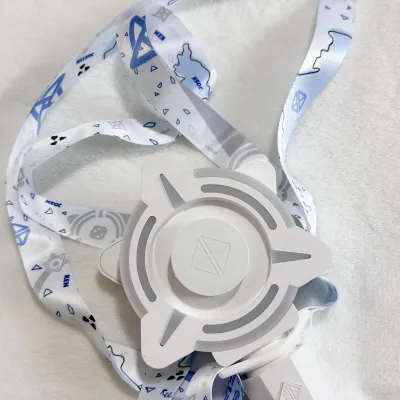
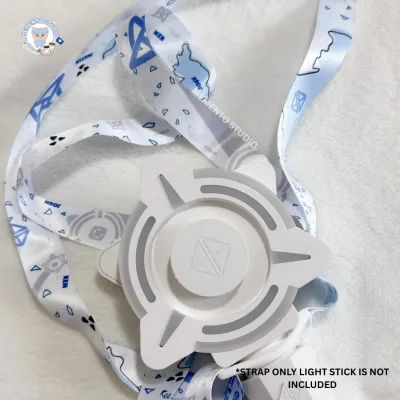
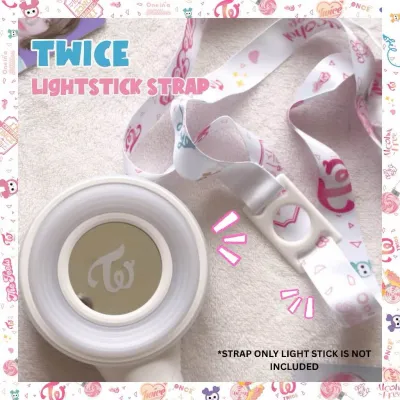
Prices are valid at publication and may change. Please refer to the product page for the latest price.
Finally, purchasing authentic merchandise ensures that your money directly supports the artists, their creative teams, and the agencies that produce the music. The revenue from official merchandise sales helps fund future albums, concert tours, and high-quality fan experiences. Buying counterfeit goods only profits unauthorized manufacturers who exploit the hard work of the creative industry.
Inspecting the Build, Materials, and Print Quality
A hands-on physical inspection is one of the most reliable ways to identify a counterfeit lightstick strap holder. Official merchandise utilizes premium materials designed to withstand wear and tear. When holding an authentic strap, the fabric—whether woven nylon, thick polyester webbing, or high-grade synthetic leather—should feel substantial, smooth, and durable. Counterfeit straps often feel thin, stiff, or excessively rough to the touch, indicating the use of cheap, low-density fibers.

Stitching precision is another clear indicator of authenticity. Official manufacturers employ professional-grade sewing machines and strict quality checks, resulting in perfectly straight, tightly spaced, and double-reinforced seams. Inspect the areas where the strap connects to the plastic or metal holder. If you notice loose threads, uneven stitching, fraying edges, or visible glue residue, the item is almost certainly a counterfeit.
The metal hardware on an official strap holder, such as clasps, keyrings, and adjustment buckles, is typically made of solid, weighted metal alloys with a smooth, polished finish. These components should feel heavy in your hand and operate smoothly without sticking. Counterfeiters often use lightweight aluminum, cheap plastics painted to look like metal, or thin wire clasps that bend easily under minimal pressure. Over time, the metallic coating on fake hardware tends to flake off, exposing dull grey or yellow plastic underneath.
Print quality and graphic alignment offer further clues. Official logos, group names, and decorative patterns are applied using high-resolution screen printing or clean debossing techniques. The lettering should be perfectly sharp, with consistent spacing and accurate brand colors. Fake straps frequently display blurry text edges, pixelated graphics, incorrect font weights, and colors that do not match official promotional images.
Checking Packaging, Tags, and Security Markers
The packaging of a lightstick strap holder often reveals its authenticity before you even touch the product inside. Official packaging—whether a cardboard box, a rigid plastic case, or a sealed polybag—is made from high-quality materials with crisp, professional printing. Look closely at the text on the packaging; counterfeit items often feature subtle spelling mistakes, grammatical errors, or poorly aligned text blocks.
Most major entertainment agencies protect their merchandise with specialized holographic security stickers. These stickers are typically placed on the back or bottom of the packaging and feature complex, multi-layered holographic patterns that shift colors or reveal hidden logos when tilted under a light source. Many of these stickers also include unique serial numbers. Counterfeiters often try to replicate these by using flat, non-reflective silver stickers or poorly printed holographic designs that do not change appearance when viewed from different angles.
In addition to holographic markers, official packaging always includes detailed licensing information, copyright notices, and official agency branding. Check for the correct company names, such as HYBE, SM Entertainment, JYP Entertainment, or YG Entertainment, along with their official logos. The absence of these legal notices or the presence of generic “Made in China” labels without any agency branding is a major red flag.
Some modern merchandise releases also incorporate digital verification methods. Certain agencies include QR codes on the product tags that, when scanned, direct you to an official authentication portal or app. If the strap holder you purchased claims to have this feature, scan the code to verify that it leads to the official, secure domain of the entertainment agency rather than a generic, unbranded website.
Choosing Safe Purchase Channels and Evaluating Sellers
To minimize the risk of buying counterfeit merchandise, it is crucial to select your shopping channels carefully. The safest way to purchase a lightstick strap holder is directly from official global platforms, official artist webstores, or authorized local distributors. These retailers source their inventory directly from the entertainment agencies, guaranteeing the authenticity of every item.
When shopping on third-party online marketplaces or e-commerce platforms, you must exercise extra caution. Be highly skeptical of listings with extremely low prices. If an official strap holder typically retails for ₱600, a listing offering the same item for ₱100 is almost certainly selling a counterfeit. Authentic merchandise has production and licensing costs that make such deep discounts economically impossible for legitimate sellers.
Analyze the seller’s profile, ratings, and customer feedback before making a purchase. Look for sellers with high overall ratings and a history of positive reviews specifically for K-pop merchandise. Read the written reviews carefully and look for user-uploaded photos of the product. If multiple buyers complain about flimsy materials, incorrect packaging, or receiving items that look different from the listing photos, avoid that seller entirely.
Another red flag is unrealistic stock availability. Official merchandise, especially limited-edition concert goods, often sells out quickly and is rarely restocked in massive quantities. If a random seller on an online marketplace claims to have thousands of units of a rare, years-old strap holder available for immediate shipping, it is highly likely they are selling mass-produced replicas.
What to Do If You Suspect a Counterfeit Purchase
If you receive a lightstick strap holder and suspect it is a fake, take immediate action to document the product. Find a well-lit area and take clear, high-resolution photographs of the entire item, focusing on the specific areas that raise concerns. Capture close-up shots of messy stitching, lightweight hardware, blurry printing, and any packaging defects or suspicious security stickers. These photos will serve as crucial evidence for your dispute.
Next, initiate a return or refund request through the e-commerce platform where you made the purchase. Most reputable online marketplaces offer buyer protection policies that cover counterfeit goods. When filing your claim, select the option for “item not as described” or “counterfeit product” and upload your photographic evidence alongside a clear, polite explanation of why the item is fake, comparing it to official product specifications.
Do not finalize the transaction or confirm receipt of the item on the platform until your dispute is resolved, as doing so may release the payment to the seller and close your case. Once the platform approves your refund, follow their instructions for returning the item or disposing of it. Finally, report the seller’s listing to the platform’s customer support team to help prevent other fans from falling victim to the same counterfeit scheme.
Frequently Asked Questions (FAQ)
Can I use an unofficial strap holder on an official lightstick?
While you can physically attach an unofficial strap holder to an official lightstick, doing so carries significant risks. Unofficial straps often use low-quality plastic loops or metal clasps that can easily scratch, scuff, or crack the delicate plastic handle of your lightstick. More importantly, the weak materials and poor stitching of unofficial straps increase the risk of the strap breaking during use, which could cause your expensive lightstick to fall and suffer permanent internal or external damage.
Do all official K-Pop strap holders come with a holographic sticker?
Not all official K-pop strap holders feature a holographic security sticker, as authentication methods vary by agency, manufacturing batch, and release year. While major agencies frequently use holographic markers on modern merchandise, older releases or items from smaller entertainment companies may rely solely on printed copyright text, specific barcode formats, or unique packaging designs. To confirm what security features to expect for a specific product, consult official agency product announcements or reliable unboxing videos from the fan community.
Community discussion
Share your experience or ask a question. Comments are reviewed before publication.