
Verifying the authenticity of a Monggol #2 pencil requires checking packaging details, physical build quality, and writing performance. While visual inspections are helpful first steps, purchasing from authorized and trusted retail channels in the Philippines remains the most reliable method to avoid counterfeits. Knowing how to spot a genuine pencil ensures your work, exams, and daily writing remain uninterrupted.
Why Authenticity Matters for Standardized Tests
Using a counterfeit pencil during crucial examinations can have serious consequences for your academic or professional advancement. Standardized tests in the Philippines frequently utilize Optical Mark Recognition (OMR) scanning machines to grade answer sheets. These automated scanners rely on specific light reflection and carbon density thresholds to detect filled-in circles. Genuine number two pencils are manufactured with a precise ratio of graphite and clay to meet these exact scanning standards.
When you use a counterfeit pencil, the core often contains low-grade graphite or alternative carbon mixtures that do not reflect light correctly. This discrepancy can cause the OMR machine to misread your answer sheet, potentially marking correct answers as blank or incorrect. Furthermore, fake pencils are highly prone to frequent lead breakage and poor erasability. If you attempt to correct an answer, a counterfeit lead may leave heavy smudges or tear the thin exam paper, rendering the mark unrecognizable to the scanner. While genuine pencils are highly affordable, the risk of a compromised exam score far outweighs the minimal savings of buying unverified products.
Products mentioned in this guide
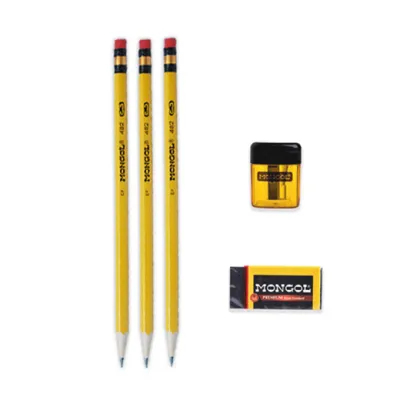
Prices are valid at publication and may change. Please refer to the product page for the latest price.
Visual and Physical Markers to Check Before Buying
Conducting a physical inspection is your first line of defense when evaluating pencils in a local store or upon receiving a delivery. While no single visual flaw guarantees a counterfeit on its own, a combination of poor finishing, misaligned elements, and printing errors strongly indicates a fake product. Whenever possible, keep a known genuine pencil on hand to serve as a direct reference point for comparison.

Packaging, Printing, and Labeling
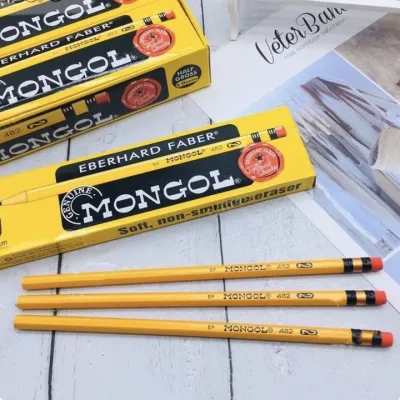
The branding printed on the pencil barrel is one of the most revealing indicators of authenticity. On a genuine Monggol #2 pencil, the gold or black stamped lettering is sharp, deeply impressed, and perfectly aligned along the hexagonal flat surface. The brand name, the iconic logo, and the “#2” designation should feature consistent font weights and clear spacing. Counterfeit pencils often exhibit blurred text, uneven paint application, or letters that look slightly smudged or off-center.
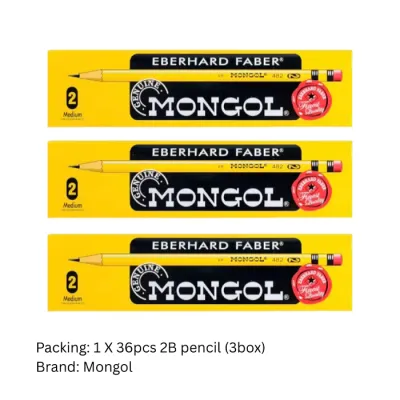
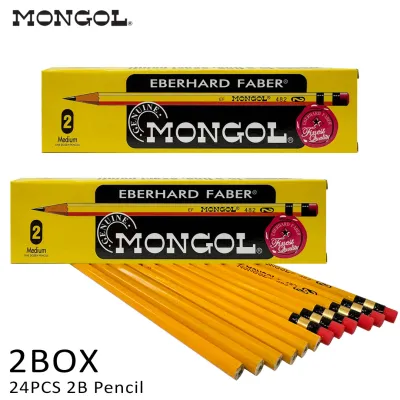
Spelling mistakes are another common giveaway on cheap imitations, so examine every word on the barrel and the box carefully. When purchasing in bulk, pay close attention to the cardboard packaging. Authentic boxes are constructed from sturdy, high-quality cardboard with crisp, high-resolution graphics and clear manufacturer details. In contrast, counterfeit packaging often feels flimsy, uses dull or washed-out colors, and may omit official distributor information or contact details.
Wood, Paint, and Overall Build
The physical materials used in construction speak volumes about a pencil’s origin. Observe the yellow paint finish on the barrel; genuine pencils feature a smooth, even, and glossy coat that feels comfortable in the hand. Counterfeit versions often have a rough or sticky texture, visible paint drips, or thin spots where the wood grain shows through.
Next, examine the unsharpened end of the pencil to inspect the wood and the alignment of the graphite core. Authentic pencils are made from quality, straight-grained wood that sharpens smoothly without splintering. If the wood looks dry, unevenly colored, or emits a strong chemical or synthetic odor, it is likely a fake. Additionally, check the centering of the lead; a genuine pencil has its graphite core perfectly centered within the wood casing. If the lead is noticeably off-center, the pencil will sharpen unevenly, causing the wood to scrape against the paper and the lead to break constantly. Finally, hold the pencil to assess its weight and balance, as counterfeits often feel unusually light and fragile.
Writing Performance and Lead Quality Tests
If you have already purchased the pencils, you can perform several low-risk tests on a scrap piece of paper to verify their performance before using them for important tasks. Begin by drawing a series of lines to test the graphite’s darkness and smoothness. A genuine number two pencil should glide effortlessly across the paper, leaving a dark, consistent, and matte gray line without requiring excessive downward pressure.
If the pencil feels scratchy, resists smooth movement, or tears the paper fibers, it indicates a high concentration of cheap clay or impurities in the core. This scratchiness is a classic hallmark of counterfeit manufacturing. Next, test the structural integrity of the lead by applying moderate writing pressure at various angles. Genuine cores are securely bonded to the wooden casing to prevent internal shattering, whereas counterfeit leads often snap repeatedly under normal writing conditions because of air pockets or poor bonding.
Lastly, evaluate the erasability of the graphite. Use a standard pink or white eraser to clear a small section of your writing. The marks from an authentic pencil should lift cleanly from the page, leaving minimal ghosting and no dark smudges. Counterfeit graphite often contains oily binders that smear across the paper when erased, making it incredibly difficult to correct mistakes cleanly.
Trusted Purchasing Channels in the Philippines
To minimize the risk of buying counterfeit stationery, always prioritize secure and established retail channels. Purchasing directly from major school supply stores, well-known supermarket chains, or authorized office supply retailers in the Philippines is the safest approach. These established businesses source their inventory directly from official distributors, ensuring that every box on the shelf meets strict quality control standards.
Exercise extreme caution when browsing online marketplaces or purchasing from unverified third-party sellers. If a listing offers a box of pencils at a price significantly below the standard market rate, it is highly likely to be a counterfeit. When shopping on ecommerce platforms, look for verified store badges, check the seller’s overall rating, and read recent customer reviews. Pay close attention to reviews that include photos or videos, as other buyers often post helpful visual comparisons of the products they received.
Steps to Take If You Bought a Counterfeit
If you discover that you have purchased counterfeit pencils, stop using them immediately. Continuing to use them for schoolwork, official documents, or exams increases the risk of scanning failures and frustration from constant lead breakage. Keep the counterfeit items as evidence, especially if you plan to request a refund.
Most reputable physical stores and major ecommerce platforms offer buyer protection programs that allow you to return defective or counterfeit goods. Initiate a return or refund request through the platform’s official system, uploading clear photos of the printing errors, splintered wood, or poor packaging as proof. Additionally, report the specific listing or seller to the platform’s customer support team. Reporting these fraudulent sellers helps clean up the marketplace, protecting other students and consumers from falling victim to the same scams.
Frequently Asked Questions (FAQ)
Can I use a fake Monggol #2 pencil if it writes dark enough?
No, relying solely on visual darkness is highly risky, especially for standardized exams. Optical Mark Recognition (OMR) scanning machines do not just look for darkness; they are calibrated to detect specific light reflectivity and carbon density. Counterfeit pencils often use cheap clay-graphite mixtures that may look dark to the human eye but fail to reflect light correctly under a scanner. Additionally, fake graphite smudges easily, which can ruin your answer sheet and cause grading errors.
Do genuine Monggol pencils have a specific holographic sticker?
Packaging designs and security features can change over time, varying by batch, box size, or manufacturing year. Instead of searching for a single, unverified holographic sticker that counterfeiters can easily replicate, you should rely on a combination of overall build quality, print clarity, and authorized purchasing channels. Buying from trusted, established retailers in the Philippines remains the most effective way to guarantee you are getting an authentic product.
Community discussion
Share your experience or ask a question. Comments are reviewed before publication.