
To identify a genuine Mongol 2 pencil, inspect the crispness of the gold foil stamping on the yellow barrel, check for a securely crimped pink eraser, and observe how smoothly the wood sharpens without splintering. Genuine Mongol pencils feature a centered graphite core that glides effortlessly across paper, whereas counterfeits often have off-center leads, brittle wood, and hard, smudging erasers. In the Philippines, where the Mongol pencil is the gold standard for school, office, and licensure examinations, verifying these physical markers ensures reliable performance. Spotting these differences before buying saves you from constant lead breakage and poor writing quality.
Why Counterfeit Mongol 2 Pencils Flood the Market
The Mongol 2 pencil is a stationery icon in the Philippines, serving as the default writing tool for generations of students and professionals. From everyday grade-school writing to official licensure board exams, this specific pencil is trusted for its precise medium-dark mark. This immense, year-round demand makes it a highly lucrative target for counterfeiters who exploit the brand’s reputation to sell cheap, substandard imitations.
These fake pencils typically flood the local market during peak back-to-school seasons when parents and teachers buy school supplies in bulk. Unverified sellers on online marketplaces often lure buyers with suspiciously low prices, offering boxes of pencils at a fraction of the standard retail cost. While these bulk deals seem economical, they usually consist of low-grade replicas manufactured without quality control.
Products mentioned in this guide
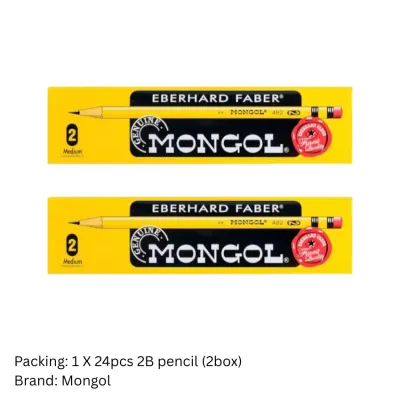
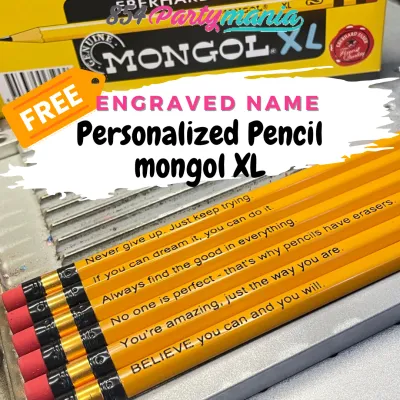
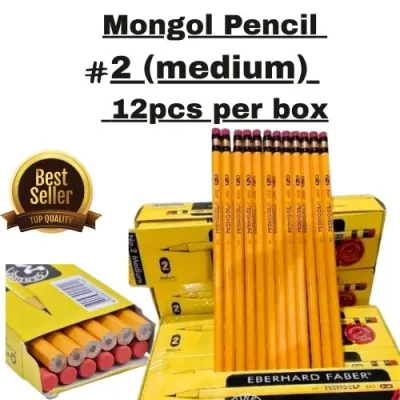
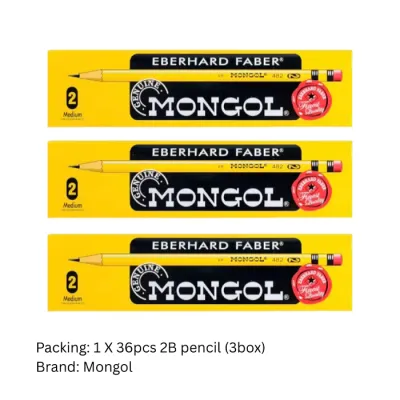
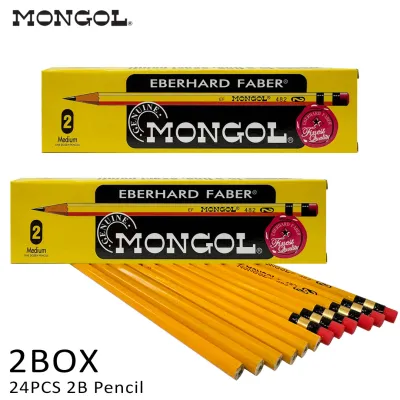
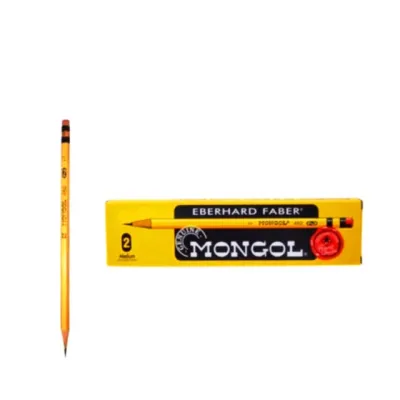
Prices are valid at publication and may change. Please refer to the product page for the latest price.
Using counterfeit pencils carries immediate practical frustrations and safety concerns. The graphite cores of fake pencils frequently snap under minimal writing pressure, requiring constant sharpening that quickly wastes the pencil. Furthermore, the brittle wood can splinter easily, and the unregulated materials used in their paints and adhesives may pose unnecessary risks for young children who often bite their pencils.
Visual Markers: Inspecting the Packaging and Barrel
Before you even sharpen a new pencil, a close visual inspection of the packaging and the physical barrel can reveal whether you are holding a genuine product. Manufacturers of counterfeit stationery rarely invest in high-precision printing machinery, leaving behind distinct visual errors.

Outer Box and Packaging Quality
If you purchase Mongol 2 pencils by the box, the cardboard packaging is your first line of defense. A genuine box features sharp, high-contrast printing with crisp brand logos, deep colors, and perfectly aligned text. The cardboard itself feels sturdy and has a clean, semi-glossy finish that resists tearing easily.
In contrast, counterfeit boxes often display blurry, pixelated, or slightly misaligned graphics, which occur when low-resolution images are copied and printed on cheap cardboard. Carefully inspect the text on the box for spelling mistakes, grammatical errors, or subtle alterations in the brand name. Counterfeiters sometimes change a single letter to evade trademark laws while hoping busy shoppers will not notice the difference.
Additionally, examine the barcode and the manufacturing details printed on the box. Genuine packaging displays a clearly printed, scannable barcode with crisp lines, along with legible distributor information. Fake boxes often have smeared barcodes, faded ink, or completely missing manufacturing addresses, signaling a lack of official oversight.
Barrel Paint, Print, and Ferrule Details
When you hold an individual Mongol pencil, the quality of the barrel’s exterior is highly telling. A genuine Mongol 2 pencil features a rich, iconic yellow paint applied evenly across all six flat sides of the hexagonal wooden casing. The paint layer is smooth, thick, and free of bubbles, chips, or exposed wood grain.
Counterfeit pencils frequently exhibit a dull, uneven, or overly bright neon-yellow paint job that feels rough to the touch. You may notice paint pooling along the edges or thin spots where the underlying wood shows through. The gold foil stamping of the brand name and the “2” designation on an original pencil is deeply pressed, crisp, and perfectly aligned. On a fake, this stamping is often crooked, smudged, or easily scratched off with a fingernail.
The metal ferrule—the band holding the eraser—and the eraser itself are excellent indicators of authenticity. A genuine Mongol pencil has a brass-colored metal ferrule that is tightly crimped and securely bonded to both the wooden barrel and the pink eraser. Fake pencils often feature loose, silver-colored, or cheaply painted metal bands that wobble when pressed. The genuine eraser is soft and pliable, while a counterfeit eraser is often rock-hard, synthetic, and prone to falling out of the loose ferrule entirely.
Performance Tests: Evaluating the Wood and Graphite
The true test of a pencil lies in its performance, as the internal materials are the most difficult and expensive components for counterfeiters to replicate. Conducting a few simple physical tests can quickly confirm whether your Mongol 2 pencil is the real deal.
Wood Grain and the Sharpening Experience
Sharpening a pencil provides immediate feedback about the quality of the wood casing used in its construction. Genuine Mongol pencils are made from high-quality, straight-grained wood that has been properly treated. When you insert a genuine pencil into a sharpener, it cuts smoothly, producing long, continuous ribbons of shaved wood rather than crumbling into dusty fragments.
Counterfeit pencils, on the other hand, are typically made from cheap, low-grade composite wood or poorly treated timber. When sharpened, this wood tends to splinter, crack vertically, or break unevenly, often jamming your sharpener. The wood grain on a fake pencil will look rough, dry, and unevenly colored, sometimes revealing artificial dyes used to mimic the natural, warm tone of high-quality wood.
Pay attention to the scent during the sharpening process as well. Genuine wood emits a clean, natural, woody aroma that is pleasant and subtle. Counterfeits often emit a harsh, chemical, or musty smell, which is a byproduct of cheap adhesives, synthetic wood treatments, or low-grade paints used in unregulated factories.
Lead Smoothness and Breakage Resistance
The writing experience is where the difference between genuine and fake graphite becomes unmistakable. An original Mongol 2 pencil uses a carefully formulated clay-and-graphite mixture that meets the standard HB (No. 2) hardness. This ensures a consistent, smooth glide across the paper, leaving a clear, dark gray line without requiring excessive hand pressure.
Fake pencils often contain low-grade graphite cores that feel scratchy, as if they are scraping sand across the page. The line produced may be inconsistently light, requiring you to press down hard, which quickly fatigues your hand. Alternatively, some fakes use overly soft, brittle lead that smudges uncontrollably across the paper, making it highly unsuitable for schoolwork or official exams.
Internal core alignment is another critical quality control factor. Genuine Mongol pencils feature a perfectly centered graphite core, ensuring that the wood supports the lead equally on all sides during sharpening. Counterfeit pencils frequently have off-center leads. This misalignment means one side of the graphite is left exposed and unsupported, causing the tip to snap repeatedly the moment it touches paper.
Immediate Red Flags of a Fake Mongol Pencil
If you are shopping in a physical store or inspecting a bulk delivery at home, look out for these immediate red flags that indicate a counterfeit product. While a single minor cosmetic variation can occasionally occur due to manufacturing tolerances, a combination of these issues is a definitive sign of a fake.
- Misspelled Brand Name: Check the text on both the box and the pencil barrel carefully. Look for subtle spelling variations such as "Mongol" spelled with different letters, or incorrect fonts that deviate from the classic, clean serif typeface.
- Off-Center Graphite Core: Look at the flat, unsharpened end of a new pencil. If the dark graphite circle is visibly closer to one edge of the hexagonal wooden barrel rather than perfectly centered, the pencil is likely a counterfeit.
- Peeling or Chipped Paint: Run your fingers along the barrel. If the yellow paint is peeling, flaking, or feels sticky, it indicates a cheap coating process that does not meet official manufacturing standards.
- Hard, Non-Functional Eraser: Press your fingernail into the pink eraser. If it feels hard like plastic, does not flex, or tears the paper instead of cleanly lifting the graphite, it is a counterfeit.
- Unusually Light Weight: Hold a genuine Mongol pencil in one hand and the suspect pencil in the other. Fakes often feel incredibly light and have a hollow, high-pitched sound when tapped against a hard surface, indicating low-density wood and a fractured or thin graphite core.
Trusted Purchasing Channels in the Philippines
The most effective way to avoid the frustration of counterfeit stationery is to be highly selective about where you buy your supplies. Purchasing through authorized channels guarantees that you receive genuine products that meet strict quality and safety standards.
In the Philippines, always prioritize buying from established, nationwide brick-and-mortar bookstores and major office supply chains. These retailers source their inventory directly from authorized local distributors, ensuring a secure supply chain. The price for a single genuine Mongol 2 pencil typically falls within a very affordable, standard price band (usually around ₱10 to ₱15 per piece, or roughly ₱100 to ₱150 for a box of 12), so any offer that is significantly cheaper should immediately raise suspicion.
If you prefer shopping online, look for official flagship stores or verified sellers on major e-commerce platforms. These sellers often carry a specific “Mall” or “Verified” badge that indicates their authenticity has been vetted by the platform. Avoid buying from unverified third-party sellers who list bulk packs at ridiculously low prices, as these are the primary outlets for counterfeit stationery. Always read customer reviews, paying close attention to photos uploaded by other buyers showing the actual pencils they received.
What to Do If You Buy a Counterfeit Pencil
If you discover that you have accidentally purchased counterfeit Mongol 2 pencils, taking prompt action can help you recover your money and protect other consumers from falling into the same trap.
First, document the discrepancies immediately. Take clear, well-lit photographs of the packaging, the blurry print on the barrels, the off-center graphite cores, or the splintered wood after sharpening. Having this visual evidence is crucial when filing a claim.
Next, initiate a return or refund request through the e-commerce platform or the retail store where you made the purchase. Select “counterfeit item,” “fake product,” or “item not as described” as your reason for return. Most major online marketplaces have robust buyer protection policies that will freeze the seller’s payout and refund your money once you provide clear photographic proof of the counterfeit.
Finally, leave an honest, objective review on the seller’s product page. Upload your photos to show future buyers the exact differences between the product listed and the fake item you received. Keep your review factual and focused on the physical attributes of the pencil—such as the hard eraser, scratchy lead, or poor paint—to ensure your feedback remains compliant with platform guidelines while effectively warning the community.
Frequently Asked Questions (FAQ)
Do genuine Mongol 2 pencils have a scannable authenticity QR code?
No, standard Mongol 2 pencils do not feature individual scannable QR codes, serial numbers, or holographic security stickers on the pencils themselves. Because they are high-volume, low-cost everyday stationery items, the manufacturer relies on traditional packaging designs and physical material quality rather than digital tracking. To ensure authenticity, you must evaluate the physical markers of the pencil and purchase from reputable, authorized retailers.
Is the eraser on a fake Mongol pencil completely unusable?
While some counterfeit erasers might physically rub against the paper, they are highly inefficient and often cause more damage than good. Genuine Mongol erasers are made from high-quality, pliable compounds designed to lift graphite cleanly without tearing the paper fibers. Counterfeit erasers are typically made from cheap, hard synthetic plastics that smudge the graphite into a dark smear, leave bright pink streaks on your work, or physically rip through the paper.
Community discussion
Share your experience or ask a question. Comments are reviewed before publication.