
Buying stationery online offers unmatched convenience, but it also opens the door to counterfeit products that fail to perform. If you have ever purchased a permanent marker online only to find it dries out in days, bleeds excessively, or has a weak color payoff, you might have received a fake. Identifying a genuine marker requires looking beyond the surface and analyzing the packaging, physical construction, and ink behavior. By understanding these key indicators, you can protect your budget and ensure your creative or professional projects are executed with reliable, high-quality tools.
Quick Checks to Identify Genuine Sharpie Markers
When you first receive your markers, a few rapid assessments can help you gauge their authenticity before you even open the caps. A genuine permanent marker is characterized by clean, crisp barrel printing, a securely fitting cap that snaps shut with a distinct click, and a consistent solvent scent that is noticeable but not overwhelming.
However, it is important to remember that no single visual anomaly or minor cosmetic flaw automatically guarantees a counterfeit product. Large-scale manufacturing occasionally results in minor variations, such as slight shifts in label alignment or subtle differences in plastic sheen across different production batches or regional factories. To make an accurate determination, you must perform a holistic assessment that combines visual inspection, physical handling, and ink performance testing rather than relying on a single clue.
Products mentioned in this guide
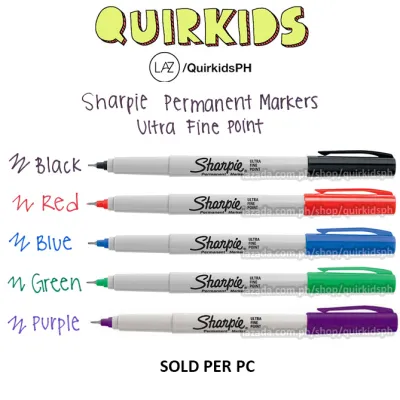
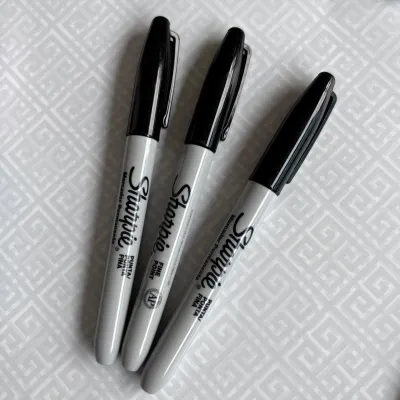
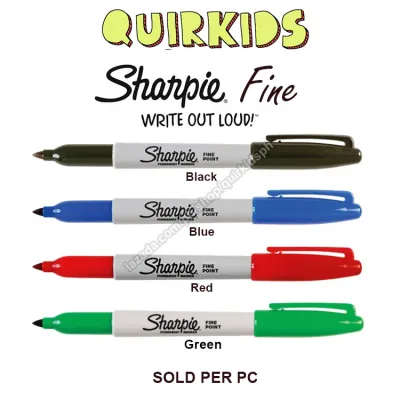
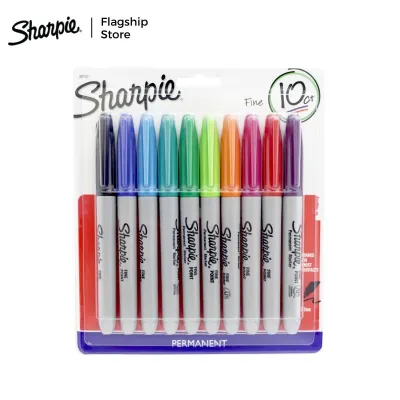
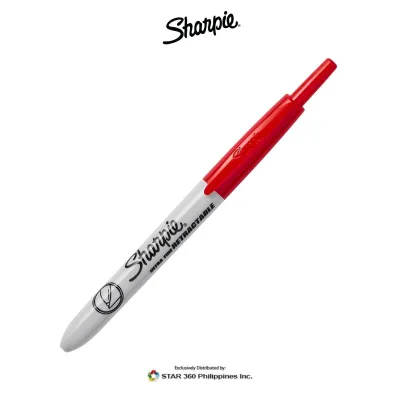
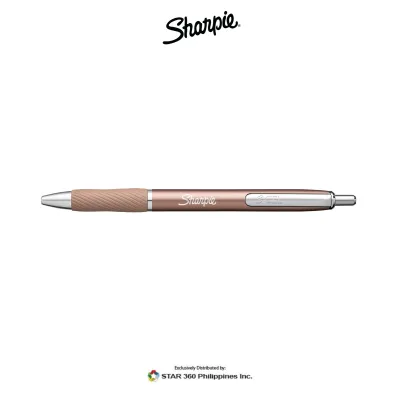
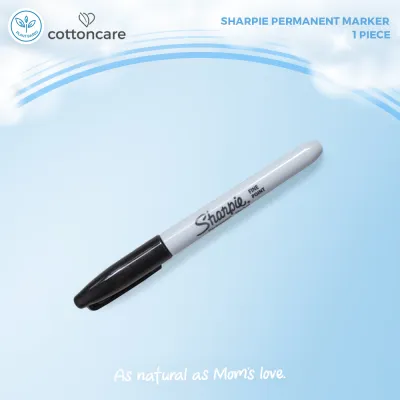
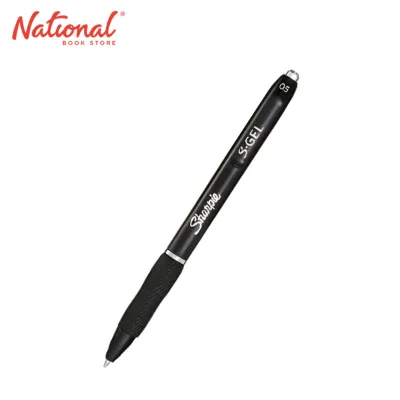
Prices are valid at publication and may change. Please refer to the product page for the latest price.
Inspecting Packaging and External Labels
The outer packaging is your first line of defense when verifying stationery items purchased from online marketplaces. Genuine manufacturers invest heavily in high-quality printing equipment, resulting in sharp text, accurate brand colors, and perfectly aligned graphics on blister packs and cardboard boxes. Counterfeit packaging, by contrast, often exhibits fuzzy text, color bleeding, or slight registration errors where different ink colors overlap incorrectly. Pay close attention to the brand logo; fakes frequently use slightly altered fonts, incorrect letter spacing, or subtle spelling variations designed to trick the casual observer.

Next, examine the back of the packaging for regulatory marks, barcodes, and manufacturer details. Authentic products typically display clear, legible safety certifications, country-of-origin labels, and crisp barcodes that scan easily. Counterfeit packaging often omits these details entirely, features poorly translated instructional text, or displays skewed, low-resolution barcodes that look like they were copied from a low-quality digital image.
The physical materials of the packaging also provide valuable clues. Genuine blister packs use sturdy, rigid plastic heat-sealed to a thick, high-density cardboard backing that resists bending. If the cardboard feels flimsy, soft, or easily delaminates, or if the plastic bubble is thin and crinkles easily under light finger pressure, the product may not be genuine. Comparing the overall weight and tactile feel of the packaging against a known authentic pack from a local brick-and-mortar store is an excellent way to spot these structural discrepancies.
Examining the Marker Body and Nib Details
Once the marker is out of its packaging, a close physical inspection of the barrel and nib will reveal the quality of its manufacturing. Genuine markers feature a smooth, high-quality plastic barrel with clean seams and a durable paint finish that does not scratch off easily with a fingernail. The brand logo and product information printed on the barrel should be perfectly centered, sharp, and resistant to smudging. On many authentic models, you can feel a slight texture or engraving depth on the printed text, whereas counterfeits often use cheap surface printing that feels completely flat and wears away quickly during use.
The cap and clip assembly are engineered for durability and airtight sealing to prevent the ink from drying out prematurely. When you push the cap onto a genuine marker, it should seat firmly with a clear, audible snap that indicates a proper seal. The pocket clip on the cap should be stiff yet flexible, resisting permanent bending or snapping off when lightly flexed. Counterfeit caps often fit loosely, require excessive force to close, or lack that reassuring snap, which quickly leads to dried-out ink in tropical climates where high ambient temperatures accelerate evaporation.
Finally, examine the nib and the surrounding collar under good lighting. An authentic nib is made of high-density, tightly bound fibers that maintain a sharp, consistent shape even under moderate writing pressure. The nib should be perfectly centered and securely seated within the plastic collar without any wobbling or loose play. Counterfeit nibs often appear fuzzy, frayed, or overly soft right out of the box, and they may sit crookedly or push back into the barrel when you write.
Testing Ink Performance and Odor
The ultimate test of any writing instrument lies in its ink performance and chemical characteristics. Genuine permanent markers utilize a proprietary, alcohol-based ink formula that carries a distinct, sharp solvent odor. While this smell is noticeable, it should not feel overwhelmingly toxic or chemical-harsh. Counterfeit markers, which often use cheap, non-standard industrial solvents, may emit an incredibly harsh, headache-inducing chemical smell, or conversely, an unusually sweet, perfume-like fragrance designed to mask low-quality ingredients.
To evaluate the ink’s performance, conduct a simple writing test on standard copy paper. Genuine ink flows smoothly and consistently from the moment the nib touches the page, delivering vibrant, highly opaque color without skipping or pooling. The ink is formulated to dry almost instantly, minimizing smudging even when rubbed immediately after writing. In humid environments, this rapid drying time is a hallmark of genuine quality.
Counterfeit ink, on the other hand, often behaves unpredictably. It may take several seconds to dry, leading to easy smudging, or it may bleed excessively through the paper fibers, creating fuzzy, distorted lines. You might also notice that the color appears dull, watery, or inconsistent, with the marker skipping or fading after only a few sentences of continuous writing. If the marker dries out completely after just a few days of light use, it is a strong indicator that either the ink formulation is substandard or the cap failed to provide an airtight seal.
Navigating Online Marketplaces for Authentic Sellers
Avoiding counterfeits starts with smart shopping habits on local e-commerce platforms. The safest approach is to purchase directly from official brand flagship stores or highly rated, authorized stationery distributors. These sellers are vetted by the platforms and source their inventory directly from the manufacturer, virtually eliminating the risk of receiving counterfeit goods.
Be highly skeptical of listings that offer prices significantly below standard retail expectations. While online discounts are common, a pack of markers priced at a fraction of the usual ₱ retail cost is a major red flag. Counterfeiters often lure buyers with “too good to be true” deals, relying on the fact that many shoppers prioritize low prices over verified authenticity. Additionally, avoid listings that rely solely on low-resolution stock photos, feature watermarks from unrelated sellers, or provide vague, poorly written product descriptions.
Before making a purchase, spend a few minutes reading recent buyer reviews, focusing on those that include photos and videos. Look for specific feedback regarding ink quality, packaging condition, and whether other buyers have raised concerns about authenticity. A reputable seller will have a high overall rating, a history of responsive customer service, and a consistent track record of delivering genuine products.
Handling Returns and Disputes for Suspected Fakes
If you suspect you have received a counterfeit marker, taking prompt, documented action is essential for securing a refund and keeping the marketplace safe. Start by documenting your unboxing process. Taking a continuous video of yourself opening the parcel, inspecting the packaging, and performing an initial writing test provides indisputable evidence of the product’s condition upon arrival. Capture clear, high-resolution photos of any visual anomalies, such as blurry printing, damaged caps, or poor ink performance.
Next, initiate a formal return and refund request through the e-commerce platform’s built-in buyer protection system. Select the appropriate reason for the return, such as “item not as described” or “suspected counterfeit,” and upload your photo and video evidence. Avoid communicating with the seller outside the platform’s official chat system, as platforms require all evidence and correspondence to remain within their ecosystem to resolve disputes fairly.
Finally, report the fraudulent listing to the platform’s customer support or trust and safety team. By flagging the seller and providing your evidence, you help the platform identify and remove dishonest merchants, protecting other stationery enthusiasts from falling victim to the same counterfeit schemes.
Frequently Asked Questions (FAQ)
Can I use a UV light or specific app to verify a Sharpie marker?
Currently, the manufacturer does not embed UV-reactive security inks or provide a dedicated mobile scanning app for verifying standard consumer permanent markers. While some high-security industrial products feature specialized marking systems, standard retail markers must be verified using physical and performance checks. Relying on a close inspection of the packaging print quality, barrel construction, nib density, and ink behavior remains the most reliable method for everyday consumers to determine authenticity.
Do fake Sharpie markers pose any health or safety risks?
Yes, counterfeit markers can present safety concerns because their inks are not subject to the strict quality control and toxicological testing required for genuine products. Authentic markers are formulated to meet rigorous safety standards, ensuring they are safe for normal use in classrooms, offices, and homes. Counterfeit inks may contain unapproved solvents, heavy metals, or volatile organic compounds that emit harmful fumes or cause skin irritation upon contact. To minimize these risks, avoid prolonged skin contact with unverified markers and always use them in well-ventilated spaces.
Community discussion
Share your experience or ask a question. Comments are reviewed before publication.