
Identifying authentic BINI merchandise requires a careful inspection of physical details, print quality, and official security markers. As the popularity of the Nation’s Girl Group continues to soar, counterfeit items have increasingly flooded online marketplaces, making it essential to verify your collectibles before finalizing any purchase. By examining the paper weight of photocards, checking for official holographic seals, and purchasing only from authorized distribution channels, you can protect your collection and ensure your support directly reaches the artists.
Why Authenticity Matters for BINI Merchandise
Supporting official releases is the most direct way to ensure that the creative efforts of BINI and their production teams are properly compensated. When fans purchase counterfeit goods, the revenue bypasses the artists and their official management, which can ultimately impact the funding available for future albums, high-production music videos, and regional concert tours.
The prevalence of unauthorized merchandise across unverified online marketplaces also dilutes the collector community, making it harder for genuine fans to trade and buy items with confidence. Fake goods often use low-grade materials that degrade quickly under tropical conditions, leading to faded prints, warped paper, and peeling laminates.
Products mentioned in this guide
![National Book Store NBS X BINI OFFICIAL Merch [ONHAND]](https://img.lazcdn.com/g/ff/kf/S87e311d80b6f4365807d35687c45396dY.jpg_400x400q80.jpg_.webp)
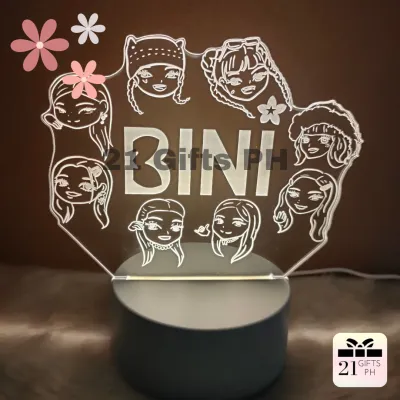
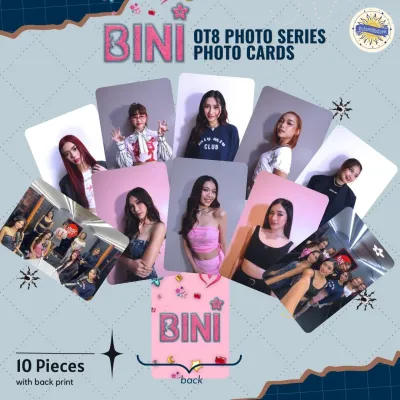
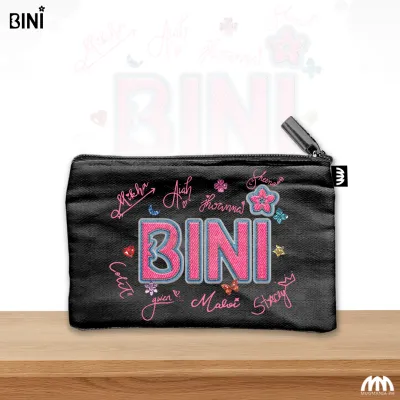
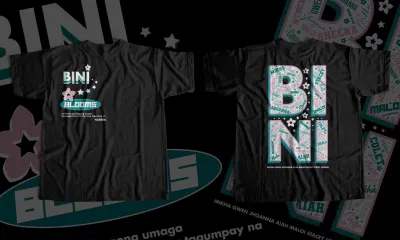


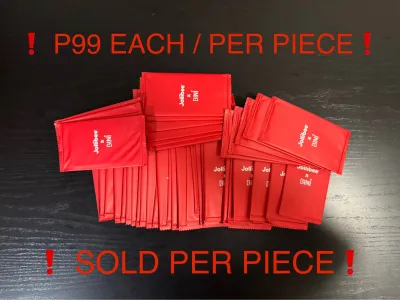
Prices are valid at publication and may change. Please refer to the product page for the latest price.
Furthermore, official stationery and collectibles undergo standardized manufacturing processes to ensure they are safe for handling. Counterfeit items, produced without regulatory oversight, may use cheap adhesives, toxic inks, or low-quality plastics that emit strong chemical odors and pose potential skin irritation risks during prolonged handling.
Key Markers of Genuine BINI Merchandise
When evaluating any piece of BINI memorabilia, your first step should always be comparing the physical item in your hands against high-resolution official promotional images released by the group’s management. Official distributors typically publish detailed product specifications, including exact dimensions, paper finishes, and included accessories, which serve as your baseline for verification.

However, relying on a single visual element is rarely enough to confirm authenticity, as counterfeiters constantly improve their replication techniques. A reliable verification process requires cross-referencing multiple physical markers, from the tactile feel of the packaging to the presence of specific security features.
Packaging and Print Quality
Official BINI albums, photobooks, and stationery items are produced using professional-grade printing presses that deliver exceptionally sharp text, accurate color profiles, and consistent font weights. When inspecting printed materials, look closely at the fine print, copyright notices, and logos; genuine items will never feature blurry edges, color bleeding, or misaligned text.
The paper stock used for official photocards and collectible cards has a distinct, substantial weight that resists bending and creasing far better than cheap cardstock. Pay close attention to the lamination quality, checking whether the finish is a smooth matte or a high-gloss coat, and verify that the edges are cleanly cut with uniform, rounded corners rather than rough, hand-trimmed borders.
Outer packaging, such as jewel cases, digipaks, or collector boxes, should feel sturdy and fit together precisely without gaps or loose joints. The alignment of the spine text, the placement of the barcodes, and the overall finish of the protective sleeves must match the official design specifications exactly.
Official Tags, Holograms, and Inserts
Most official merchandise releases feature specialized security markers, such as holographic stickers or metallic authenticity seals, affixed directly to the outer shrink wrap or the back of the packaging. These holograms should reflect light with a clear, multi-layered color shift and display sharp, legible logos or serial numbers when tilted under a bright light source.
Inside the packaging, you should find a complete set of standard inserts, such as lyric booklets, folded posters, sticker sheets, or tracking cards, all matching the official tracklist or merchandise manifest. Check that these inserts are printed on the correct paper types and fit perfectly within their designated slots or pockets without being awkwardly folded or crammed.
Additionally, you can cross-reference the printed barcodes and SKU formats on the back of the item with official distributor databases or trusted fan-run archiving sites. Any discrepancy in the barcode number or the formatting of the product code is a strong indicator that the item did not originate from the official production line.
Red Flags: Common Signs of Counterfeit Items
One of the most immediate warning signs of a counterfeit item is poor image reproduction, which often manifests as blurry graphics, pixelated text, or visible moiré patterns caused by scanning and reprinting official photos. If a photocard features an unusual color tint—such as an overly warm orange hue or a washed-out gray cast—it likely indicates an unauthorized reprint.
Flimsy packaging, missing shrink wrap, misspelled words in the credits, or the complete absence of official security seals are also major red flags that should prompt immediate caution. Genuine merchandise is packaged under strict quality control standards, meaning that loose binding, misaligned covers, or upside-down pages are highly unlikely to pass inspection.
Pricing is another critical indicator; if a seller lists a highly sought-after BINI item or limited-edition photocard for a price in ₱ that is significantly lower than its established market value, the deal is likely too good to be true. While some fans may sell items at a discount, extremely low prices on bulk listings usually point to mass-produced counterfeits.
Be wary of sellers who rely solely on generic stock photos or official promotional graphics instead of providing actual, high-resolution photos of the physical item in their possession. A trustworthy seller should be willing to provide clear proofs of the item, including close-ups of the edges, back designs, and specific batch details, or even a brief unboxing video to verify its condition.
How to Verify Seller Credentials and Channels
To minimize the risk of purchasing fake items, prioritize buying directly from official brand stores, authorized entertainment distributors, and recognized physical retail outlets in the Philippines. These established channels source their inventory directly from the group’s management or licensed manufacturers, guaranteeing the authenticity of every product they sell.
When shopping on online marketplaces or social media platforms, take the time to thoroughly investigate the seller’s profile, transaction history, and customer feedback. Look for detailed reviews from previous buyers that specifically mention the authenticity of the merchandise, the quality of the packaging, and the seller’s responsiveness to inquiries.
Avoid purchasing from unverified third-party sellers who have newly created accounts, lack a history of successful transactions, or refuse to use secure payment methods. Social media marketplaces and peer-to-peer trading groups carry a much higher risk of counterfeit distribution, making it vital to request comprehensive proof of purchase or original receipts before sending any funds.
What to Do If You Suspect a Fake Purchase
If you suspect that you have received a counterfeit BINI item, the first step is to document the package thoroughly by taking clear, well-lit photos and videos of the outer shipping label, the packaging materials, and the item itself. Having a continuous, unedited unboxing video is often the most powerful evidence you can provide when disputing a transaction.
Reach out to the seller immediately to express your concerns, pointing out the specific physical discrepancies, print defects, or missing security markers that led to your suspicion. If the seller is uncooperative or refuses to offer a resolution, initiate a formal return or refund request through the e-commerce platform’s built-in buyer protection program.
Finally, report the suspicious listing and the seller’s account to the platform administrators to help protect other fans from falling victim to the same scheme. By flagging counterfeit listings, you contribute to a safer, more reliable collecting environment for the entire BINI fan community.
Frequently Asked Questions (FAQ)
Can I authenticate BINI merchandise using a QR code or app?
Digital verification tools, such as QR codes or dedicated authentication mobile applications, are only reliable if they have been officially announced and integrated by BINI’s management agency for a specific product release. If a product packaging features a QR code, verify its purpose through official social media channels before scanning it. Be highly cautious of scanning unverified QR codes found on suspicious packaging, as they can easily direct your mobile browser to sophisticated phishing websites or mock verification pages designed to mimic official portals.
Are unofficial fan-made goods considered fake?
Unofficial fan-made goods, such as custom stationery, fan art prints, and handmade apparel, are distinct from counterfeit merchandise as long as they are clearly marketed as unofficial fan creations. These items are generally accepted within the community as creative expressions of support, provided they do not deceptively mimic official packaging or use copyrighted logos to mislead buyers. Counterfeit goods, by contrast, are deliberately manufactured to deceive consumers into believing they are purchasing official, licensed products authorized by the group’s management.
Community discussion
Share your experience or ask a question. Comments are reviewed before publication.