
Identifying a genuine Faber-Castell pen involves verifying several key physical and performance indicators: the precision of the brand logo, the seamless construction of the barrel, the consistency of the ink flow, and the security of the packaging. As one of the world’s oldest stationery manufacturers, Faber-Castell maintains strict quality control standards across all its product tiers, from everyday school ballpoint pens to premium fountain pens. Counterfeiters often replicate the external appearance of these writing instruments, but they consistently fail to match the engineering standards, ink chemistry, and material safety of the official brand. To ensure you are purchasing an authentic product, you must look beyond the surface and perform a systematic check of the packaging, build quality, and writing performance, while prioritizing authorized distribution channels.
Why Authenticity Matters for Faber-Castell Pens
Using counterfeit stationery is not merely a matter of aesthetic disappointment; it directly impacts your daily writing efficiency and can even pose structural risks to your belongings. Cheaply made imitation pens frequently suffer from poor ink formulation and low-grade reservoir seals. In the tropical climate of the Philippines, where high humidity and elevated temperatures are common, these substandard materials degrade rapidly. This degradation often leads to severe ink leaks that can ruin clothing, notebooks, and expensive pencil cases.
Furthermore, genuine Faber-Castell products undergo rigorous safety testing to ensure that materials—especially plastics, colorants, and inks—are safe for prolonged skin contact. Counterfeit manufacturers operate outside these regulatory frameworks, often utilizing plastics containing harmful plasticizers or inks formulated with industrial solvents. Investing in a genuine pen protects your health, ensures the longevity of your written records, and guarantees a smooth, reliable writing experience that justifies the purchase.
Products mentioned in this guide
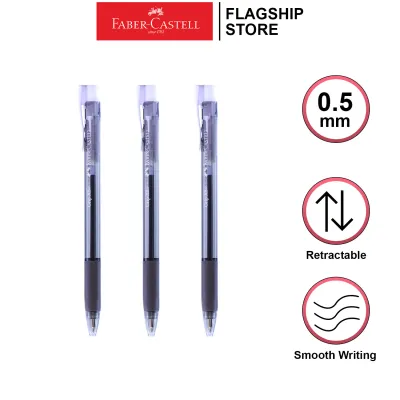
Prices are valid at publication and may change. Please refer to the product page for the latest price.
Key Features of Genuine Faber-Castell Pens
To successfully distinguish a genuine Faber-Castell pen from a counterfeit, you must adopt a methodical approach to inspection. This process requires examining the writing instrument under bright, natural light and, whenever possible, comparing it side-by-side with a known authentic pen from the same product line. By focusing on specific manufacturing tolerances, you can easily identify the shortcuts taken by counterfeiters.

Packaging and Labeling Details
The packaging is often the first line of defense against counterfeit goods. Genuine Faber-Castell packaging—whether it is a simple cardboard box for school supplies or a premium wooden case for luxury lines—exhibits flawless printing quality. Look closely at the brand logo, which features the iconic jousting knights. On authentic packaging, this logo is incredibly sharp, with distinct lines showing the riders, horses, and lances. Counterfeit packaging often displays blurry edges, color bleeding, or slight misalignments in the registration of the print.
Pay close attention to the typography and spelling. Counterfeiters frequently make subtle spelling errors or use incorrect font weights that deviate from the official brand guidelines. Additionally, check the barcodes and batch codes printed on the box. Genuine products feature clean, scannable barcodes that correspond directly to the specific model, color, and tip size of the pen inside. If the barcode is smudged, off-center, or printed on a cheap adhesive label that easily peels off, it is highly likely a counterfeit. The cardboard itself should feel sturdy and premium, designed to protect the writing instruments during transit and storage.
Build Quality and Materials
Faber-Castell is renowned for its exceptional engineering, and this precision is immediately apparent in the physical build of their pens. When holding a genuine pen, inspect the barrel, grip section, and cap for any visible mold lines or rough plastic seams. Authentic pens are molded with high-precision machinery, resulting in virtually seamless joints and smooth, polished surfaces. If you feel sharp edges along the plastic body or notice uneven gaps where the components screw together, the pen is likely a fake.
The clip is another critical point of inspection. On genuine models, the metal or plastic clip is robust, perfectly aligned with the cap, and offers a firm yet flexible tension. It should not wiggle side-to-side or feel loose. For premium lines like the Ambition or e-motion, the metal components feature high-quality plating that resists tarnishing and scratching. Counterfeit pens often use cheap alloys that feel lightweight, show pitting or bubbles in the plating, and lose their spring tension almost immediately. Additionally, check the weight and balance of the pen; genuine writing instruments are ergonomically balanced to reduce hand fatigue during long writing sessions, whereas fakes often feel front-heavy or hollow.
Ink and Writing Performance
Ultimately, a pen must perform on paper, and this is where counterfeiters fail most noticeably. When conducting a writing test, use standard 80 gsm paper to observe how the ink behaves. Genuine Faber-Castell pens—whether ballpoint, gel, or rollerball—are engineered for consistent ink flow. The ink should lay down smoothly from the very first stroke without requiring excessive downward pressure.
Observe the drying speed and bleed resistance of the ink. While the exact performance will depend on the specific ink type (such as document-proof ballpoint ink or water-based gel ink) and the paper fiber structure, genuine ink is formulated to minimize feathering and bleeding. Counterfeit inks often have inconsistent viscosity, leading to sudden blobs of ink, frequent skipping, or heavy bleeding through the page. For gel and rollerball pens, the ball in the tip should rotate smoothly without a scratchy feeling. If the pen skips constantly or feels like it is scratching the paper fibers, the tip geometry is likely substandard, indicating a counterfeit product.
Common Red Flags in Counterfeit Pens
Recognizing the common flaws of counterfeit pens allows you to make quick, informed decisions before completing a purchase. Counterfeiters rely on the fact that many buyers do not inspect their stationery closely. By keeping a mental checklist of typical manufacturing shortcuts, you can easily spot a fake.
One of the most obvious red flags is a misspelled brand name or product line. Look for variations like “Faber-Castel,” “Farber-Castell,” or “Faber-Castell” with altered letter spacing. Beyond spelling, look at the alignment of the nib on fountain pens. Genuine Faber-Castell fountain pen nibs feature clean, centered engraving of the brand name and the nib size (such as EF, F, M, or B), and the tines are perfectly aligned. Counterfeit nibs often have shallow, crooked engravings, and the tines may be unevenly spaced, causing severe scratching and poor ink flow.
To help you compare, the following table outlines the key differences between genuine Faber-Castell pens and common counterfeit versions:
| Feature | Genuine Faber-Castell Pen | Counterfeit Pen |
|---|---|---|
| Logo & Printing | Sharp, high-contrast, perfectly aligned jousting knights logo; correct spelling. | Blurry, faded, or simplified logo; potential spelling errors in brand or model names. |
| Body Seams | Smooth, virtually invisible mold lines; tight, flush joints between components. | Rough, raised seams; uneven gaps or loose threads when unscrewing the barrel. |
| Clip & Accents | Firm, springy tension; high-quality plating with no bubbles, scratches, or pitting. | Loose, flimsy clip; cheap metal plating that flakes or tarnishes easily. |
| Ink Flow | Consistent, smooth delivery with minimal skipping, feathering, or blotting. | Inconsistent flow, scratching, frequent hard starts, or sudden leaking. |
| Retail Price | Consistent with official regional pricing; occasional modest discounts. | Unusually low price, often discounted by 50% or more from standard retail value. |
While a single minor cosmetic imperfection might occasionally occur due to rare factory variances, a combination of these red flags is a definitive sign of a counterfeit writing instrument.
How to Verify Your Pen Using Official Channels
For absolute peace of mind, verifying your purchase through official brand channels is the most reliable method. The brand’s official digital presence is your primary resource. When searching online, always make sure you are accessing the faber castell official portal rather than a third-party clone.
Many premium or specialty product lines feature unique security elements, such as holographic stickers or QR codes on the outer packaging. If your pen comes with a QR code for authenticity verification, scan it using your smartphone. However, be highly cautious: counterfeiters sometimes print QR codes that redirect users to fake, look-alike websites designed to mimic the official brand portal. Always check the URL in your browser’s address bar after scanning. The domain must belong to the official Faber-Castell web domain. If the URL looks suspicious, contains random characters, or uses a different domain extension, do not trust the verification result.
If your pen does not have a QR code but you suspect its authenticity, you can contact the official customer service team directly. Provide them with high-resolution photos of the pen, the packaging, and any batch codes or serial numbers printed on the barrel or box. The official support representatives can cross-reference these details with their manufacturing database to confirm whether the batch number matches an authentic production run distributed to your region.
Where to Buy Authentic Faber-Castell Products in the Philippines
To eliminate the risk of purchasing a counterfeit pen, you should carefully select where you shop. In the Philippines, the safest approach is to buy directly from authorized physical retailers and official online storefronts.
When shopping in physical stores, major national stationery chains and established department stores are highly reliable. These retailers source their inventory directly from the authorized distributor of Faber-Castell in the Philippines, ensuring that every pen on the shelf is genuine. These stores also maintain proper storage conditions, protecting the pens from extreme heat and humidity which can degrade ink quality before you even purchase the product.
If you prefer the convenience of online shopping, always look for the official flagship stores on major e-commerce platforms. These official stores are marked with verified mall or brand badges, indicating that the platform has verified the seller’s authorization. Avoid purchasing from unverified third-party marketplace sellers, especially those offering premium pens at prices that seem too good to be true. Before checking out, review the seller’s profile: check their overall rating, read recent customer reviews, and look for buyer-uploaded photos of the actual product and packaging. Genuine buyers will often highlight the smooth writing performance and the pristine condition of the packaging, giving you additional confidence before making your purchase.
What to Do If You Suspect a Counterfeit Purchase
If you have already purchased a pen and believe it is a counterfeit, taking immediate action is essential to protect your consumer rights and help clean up the marketplace. Start by gathering clear, comprehensive evidence. Take sharp, well-lit photographs of the pen from multiple angles, focusing on the specific areas of concern such as blurry logos, rough seams, or misaligned nibs. Also, take photos of the packaging, the barcode, and your purchase receipt or online order confirmation.
Your first step should be to contact the seller directly through the platform where you made the purchase. State clearly that you suspect the item is a counterfeit based on your physical inspection, and request a full refund. Many reputable e-commerce platforms have strict anti-counterfeiting policies and offer robust buyer protection programs. If the seller refuses to cooperate, ignores your messages, or denies the claim, escalate the issue by filing a formal dispute with the e-commerce platform. Submit your gathered photographic evidence and explain the discrepancies between the received item and a genuine Faber-Castell pen. Finally, report the seller’s listing to the platform’s customer support to prevent other unsuspecting buyers from falling victim to the same counterfeit scheme.
Frequently Asked Questions (FAQ)
Navigating the nuances of stationery authenticity can raise specific questions. This FAQ section addresses common consumer inquiries to help you quickly verify your writing tools.
Can I verify a Faber-Castell pen just by its weight?
No, weight alone is not a definitive test for authenticity. While genuine Faber-Castell pens are engineered with high-quality materials that provide a balanced, comfortable weight, counterfeiters have become adept at mimicking this feel. Some fake pens contain cheap metal inserts hidden inside the plastic barrel to artificially increase their weight and deceive buyers. Therefore, you should always combine weight checks with visual inspections of the logo, seams, and writing performance.
Do all genuine Faber-Castell pens come with a warranty card?
No, warranty cards are not standard for every product line. Faber-Castell offers a vast range of stationery, from budget-friendly school and office pens to luxury writing instruments. Premium lines, such as the Graf von Faber-Castell collection or high-end gift sets, typically include a warranty card or a certificate of authenticity inside the presentation box. However, everyday writing instruments like the Grip 2011, RX gel pens, or standard ballpoint pens do not come with individual warranty cards. Always verify the packaging inclusions of the specific model line you are purchasing.
Community discussion
Share your experience or ask a question. Comments are reviewed before publication.