
When purchasing colored paper for office or school projects, ensuring the authenticity of your supplies is crucial for both print quality and machine longevity. To tell if your HP red bond paper is original or fake, you must closely inspect the tightness of the packaging wrap, verify the sharpness of the printed logos, perform a dry rub test to check for dye transfer, and examine the cut of the paper edges. Counterfeit paper products are highly prevalent in online marketplaces, and using them can lead to severe printer issues.
In the tropical and humid climate of the Philippines, paper quality becomes even more critical. High humidity causes low-grade, counterfeit paper to absorb moisture rapidly, leading to curling, frequent paper jams, and ink bleeding. Investing in a genuine hp red original 1 ream pack ensures that your printer handles the medium smoothly, maintaining professional results without risking mechanical damage. By learning how to spot the physical differences between authentic and counterfeit reams, you can protect your equipment and secure the exact performance you expect from a premium brand.
Why Fake Colored Bond Paper Risks Your Printer
Using counterfeit colored bond paper poses immediate and long-term risks to your office equipment. The most common issue stemming from fake paper is the production of excessive paper dust. During the manufacturing of low-grade counterfeits, dull or misaligned cutting blades are often used to slice the paper sheets. This rough cutting leaves micro-debris and loose cellulose fibers along the edges of the paper. When the printer pulls these sheets through the paper path, this dust sheds inside the machine, accumulating on delicate rubber pickup rollers and optical sensors. Over time, this buildup reduces friction, causing the rollers to slip and resulting in constant paper jams that disrupt your workflow.
Products mentioned in this guide
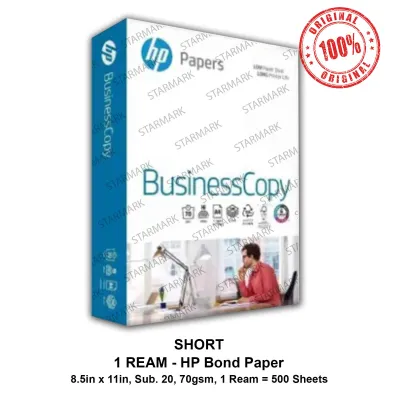
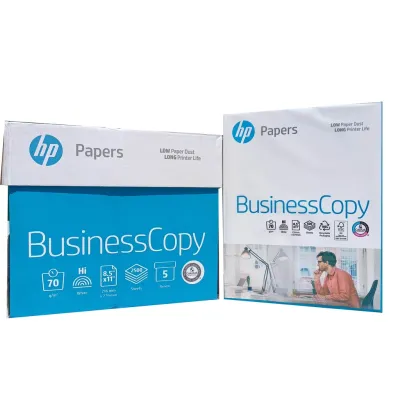
Prices are valid at publication and may change. Please refer to the product page for the latest price.
Another significant hazard is uneven paper thickness and weight. Authentic HP paper undergoes strict quality control to ensure uniform thickness across every single sheet. Counterfeit manufacturers, however, often mix different grades of cheap paper or use substandard milling. When a printer feeds paper with inconsistent thickness, it may pull multiple sheets at once, causing the paper to skew. This uneven feeding strains internal gears and can damage delicate feed guides, leading to costly professional repairs.
Furthermore, the chemical dyes used in counterfeit red paper are often cheap surface colorants. Laser printers rely on high-heat fuser units to melt toner powder. When fake paper passes through, fuser heat can cause cheap red dyes to bleed or transfer directly onto the fuser rollers. This leaves a permanent red residue inside the printer, staining subsequent print jobs and potentially damaging the fuser assembly.
How to Identify Genuine HP Red Bond Paper Packaging and Quality
Spotting a genuine 1-ream pack of HP red bond paper requires a systematic look at both the outer packaging and the physical characteristics of the paper itself.

Packaging integrity: An original ream of HP paper is sealed in a thick, durable moisture-barrier wrap that is shrunk tightly around the paper stack, forming a solid brick with sharp, clean corners. The plastic wrap should feel firm and smooth, with no loose pockets or air bubbles. If the wrapping is loose, crinkles loudly, or tears easily at the corners under light pressure, it is highly likely that the paper has been manually rewrapped or is counterfeit.
Label and print quality: The labels on genuine HP paper packaging are printed using high-resolution commercial presses. Examine the blue HP circle logo and surrounding text carefully; colors should be vibrant and solid with sharp boundaries. The text must be perfectly legible, showing no signs of pixelation or alignment errors. Authentic packaging clearly displays correct product specifications, including the exact dimensions, basis weight (typically 70 or 80 GSM), quantity (exactly 500 sheets), and a scannable barcode with an accompanying batch code.
Paper texture and finish: Once you open the packaging, the physical attributes of the paper will quickly reveal its quality. Genuine HP dyed paper features a smooth, matte finish that feels uniform on both sides of the sheet. The red color is deeply integrated into the paper pulp during production, resulting in a consistent, rich hue across the entire surface. There should be no visible variations in color, such as lighter splotches, dark streaks, or un-dyed white wood fibers embedded in the sheet.
Ream structure: A standard, genuine ream contains exactly 500 sheets of paper, cut to precise dimensions with mathematical accuracy. When you look at the sides of an unopened or freshly opened ream, the edges should form a perfectly flat, vertical block. There should be no protruding sheets, misaligned cuts, or loose paper fibers hanging from the edges.
Red Flags: Spotting the Differences Between Real and Fake Paper
To help you quickly evaluate your purchase, it is helpful to contrast the specific physical flaws of counterfeit products against the standards of genuine items. Counterfeiters often cut corners on materials and printing processes to maximize their profit margins, leaving behind distinct warning signs.
Common red flags on counterfeit packaging include cloudy plastic wrap, blurry logos, and typographical errors. In some cases, counterfeiters reuse genuine outer boxes but stuff them with cheap, unbranded red paper. Always inspect the individual ream wraps rather than relying solely on the outer cardboard box.
Another critical test is the “rub test.” Because counterfeiters often use cheap surface dyes rather than pulp-dyed paper, the color is unstable. If you rub a dry white cotton swab or dry finger firmly across the surface of a fake red sheet, it often leaves a visible red smudge. Genuine HP red paper is colorfast and will not transfer dye onto dry surfaces during normal handling.
The following comparison table outlines the key differences you should look for when inspecting your paper:
| Feature | Genuine HP Red Paper | Suspected Counterfeit |
|---|---|---|
| Packaging Wrap | Tight, clear, moisture-resistant, and rigid | Loose, cloudy, easily torn, or crinkly plastic |
| Logo & Typography | Crisp, high-definition, perfectly aligned text | Blurry, pixelated, faded, or misspelled words |
| Color Consistency | Uniform deep red across all 500 sheets | Uneven shading, white spots, or streaks |
| Edge Cutting Quality | Clean, straight, dust-free industrial cuts | Rough, jagged, or dusty edges with loose fibers |
| Dye Stability (Rub Test) | No color transfer on dry hands or tissues | Red residue transfers easily when rubbed |
| Sheet Count | Exactly 500 sheets per ream | Often short-sheeted (e.g., 450 to 480 sheets) |
Practical Verification Steps Before and After Unwrapping
Performing a few simple, low-risk checks before and after you open a new ream of paper can save you from damaging your printer or wasting money on substandard supplies.
Pre-opening checks: Before breaking the outer plastic seal, place the ream on a flat surface and inspect the construction. Check that the barcode is printed clearly and is not a blurry photocopy. Look for a printed batch code or manufacturing date on the label. Genuine HP products have these codes printed clearly for tracking. If the label looks like a low-resolution scan or lacks standard manufacturing details, do not open the wrap, as doing so may void your return options.
Tactile and visual inspection: After opening the wrap, lift a small stack of sheets and fan them gently over a dark surface. Observe whether a cloud of fine paper dust falls out. Authentic paper is clean-cut and produces virtually no dust, while fake paper sheds a noticeable amount of micro-fibers. Run your fingers along the edges of the stack; they should feel smooth and uniform, without any sharp or rough patches.
Print test: Before committing to a large print run, conduct a single-sheet print test. Load one sheet into your printer’s manual feed tray and print a simple text document. Observe how the paper feeds. Once printed, check the output: ink or toner should adhere cleanly without smudging or feathering. Finally, inspect the feed roller area. If you notice any immediate red dust residue or a faint color film on the rollers, stop using the paper.
Safe Purchasing Channels in the Philippines
The most effective way to avoid counterfeit office supplies is to buy exclusively from reputable, authorized sources. In the Philippines, counterfeit stationery products are widely distributed through unverified online sellers and informal markets.
To guarantee authenticity, always purchase your paper from HP official flagship stores on major e-commerce platforms, authorized office supply distributors, or well-established brick-and-mortar stationery chains. These retailers maintain direct supply chains with the manufacturer and follow strict storage standards to protect the paper from the country’s high humidity.
Be highly cautious when browsing third-party listings on online marketplaces. If a seller offers an “hp red original 1 ream” at a price that seems too good to be true—such as ₱150 when authorized distributors sell it for ₱300 or more—it is almost certainly a counterfeit. Always check the seller’s ratings, look for verification badges (like “Mall” or “Preferred” tags), and read customer reviews. Focus specifically on reviews that mention packaging condition, paper jams, or color bleeding, as these are strong indicators of counterfeit stock.
Steps to Take If You Receive Suspected Counterfeit Paper
If you suspect that the red bond paper you received is counterfeit, you should take immediate action to protect your equipment and secure a refund.
First, stop using the paper immediately. Do not attempt to run more sheets through your printer, as doing so can cause permanent damage to the fuser and feed rollers, which may void your printer’s warranty.
Next, document the evidence. Take clear, high-resolution photos and videos of the packaging flaws, the blurry label text, the rough paper edges, and the results of your rub test. If you performed a print test that resulted in a paper jam or left red residue on your rollers, take photos of that as well.
Contact the seller or the customer support team of the e-commerce platform where you made the purchase. File a formal return and refund request under the reason “Counterfeit” or “Product Not as Described,” uploading your documented evidence. If the seller is uncooperative or refuses to process the refund, escalate the dispute directly to the platform’s customer service or report the merchant to the Department of Trade and Industry (DTI) in the Philippines for selling counterfeit goods.
Frequently Asked Questions (FAQ)
Does original HP red bond paper leave color residue on hands?
No, original HP red bond paper is manufactured using advanced pulp-dyeing techniques where the colorants are mixed directly into the paper pulp before the sheets are formed. This process ensures that the red dye is fully locked into the paper fibers. As a result, genuine HP paper is highly colorfast and will not leave any red residue, powdery stain, or ink transfer on dry hands, clothing, or printer components under normal handling and printing conditions. If you notice red color rubbing off easily onto your skin or a dry tissue, the paper is likely a counterfeit that uses cheap, unstable surface coatings.
Can I use a UV light or special app to verify HP paper authenticity?
No, standard colored office supplies, including HP’s colored bond paper line, do not feature high-tech security measures like UV-reactive watermarks, embedded security threads, or dedicated mobile verification apps. These advanced security features are typically reserved for specialized financial documents, certificates, or high-value currency. To verify the authenticity of standard colored bond paper, you must rely on physical inspections of the packaging tightness, print quality of the logo, paper texture, edge cuts, and, most importantly, purchasing from authorized and reputable distributors.
Community discussion
Share your experience or ask a question. Comments are reviewed before publication.