
To determine if your Mongol #2 Jumbo pencil is original or fake, you must closely examine the physical construction, the quality of the wood, and the precision of the printed details. Genuine Mongol Jumbo pencils feature a perfectly centered graphite core, a smooth and glossy yellow paint finish, crisp gold-stamped lettering that does not easily scratch off, and a distinct, natural cedarwood scent. Counterfeit versions, on the other hand, often exhibit off-center lead cores, rough or bubbling paint finishes, blurry or misspelled typography, and a harsh, chemical odor from cheap adhesives.
Verifying these details is essential to ensure you are getting the reliable performance and safety that the iconic brand is known for. This guide provides a systematic, step-by-step approach to inspecting your pencils so you can confidently spot counterfeits before they disrupt your work or school day.
Why Fake Mongol Pencils Are a Problem for Students and Professionals
Counterfeit school and office supplies frequently circulate in local retail stores and online marketplaces across the Philippines. Because Mongol is one of the most trusted and widely used pencil brands in the country, it is a primary target for counterfeiters. These low-quality imitations are often distributed through unverified wholesalers, small neighborhood shops, and unauthorized online listings, making it easy for unsuspecting parents, students, and professionals to purchase them by mistake.
Products mentioned in this guide
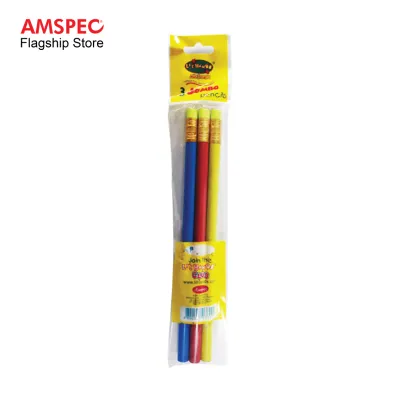
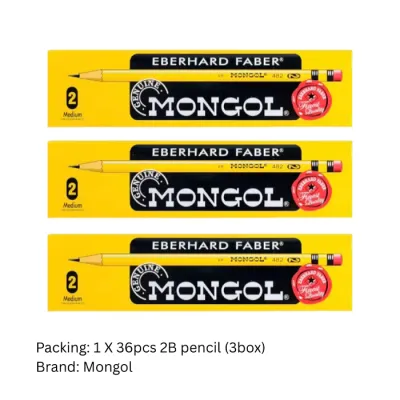
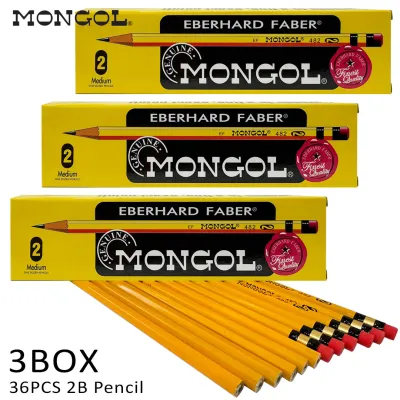
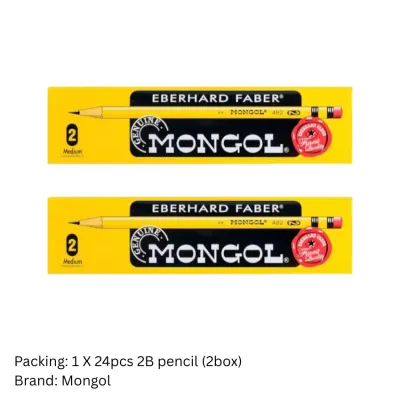
Prices are valid at publication and may change. Please refer to the product page for the latest price.
Using a counterfeit pencil introduces several frustrating performance issues that hinder daily writing and drawing tasks. Fake pencils are notorious for frequent lead breakage, where the graphite core snaps repeatedly during both sharpening and writing. The writing experience itself is often scratchy and uneven, requiring excessive hand pressure to produce a legible mark. Furthermore, the outer paint on fake pencils may peel or flake off, exposing cheap, splintering wood underneath.
Beyond poor performance, material safety is a significant concern, particularly for young children. Jumbo pencils are specifically designed for early childhood writers who are still developing their fine motor skills and grip strength. Because young children have prolonged physical contact with these tools and frequently bite or chew on their pencils, the materials used must be completely non-toxic. Genuine manufacturers adhere to strict safety standards, whereas counterfeiters often use cheap, industrial-grade paints and adhesives that may contain harmful heavy metals or emit strong, unpleasant chemical odors.
While counterfeit pencils may look passable from a distance, they ultimately fail to deliver the durability, smoothness, and safety of a genuine #2 (HB) jumbo pencil. Investing a few moments in verifying authenticity protects your budget, ensures a frustrating-free writing experience, and safeguards the health of young learners.
How to Verify the Authenticity of a Mongol #2 Jumbo Pencil
Identifying a genuine Mongol #2 Jumbo pencil requires a careful inspection of its physical characteristics. By evaluating the packaging, the raw materials, and the actual writing performance, you can easily distinguish a high-quality original from a substandard imitation.

Inspecting the Packaging and Print Quality
The first line of defense against counterfeit stationery is the visual quality of the packaging and the branding printed on the pencil barrel itself. Genuine Mongol Jumbo pencils feature a gold-stamped imprint on the hexagonal or round wooden barrel. This typography should be incredibly crisp, sharp, and evenly aligned along the length of the pencil. The brand name, the iconic Mongol character logo, the “#2” grade designation, and the word “Jumbo” must be clearly legible without any smudging, overlapping, or fading.
When purchasing pencils in bulk boxes or blister packs, examine the cardboard and print quality of the container. Original packaging is made from sturdy, high-density paperboard with vibrant, saturated colors—typically a clean yellow background paired with deep green or red accents, depending on the specific product line. The graphics, barcode, and manufacturer information must be rendered in high resolution without any pixelation, color bleeding, or blurry edges.
Always read the text on the packaging carefully to check for typographical errors, awkward phrasing, or unusual font choices. Counterfeiters often make subtle spelling mistakes or use generic fonts that do not match the official trademarked branding. If the text looks sloppy or contains grammatical errors, the product is highly likely to be a fake.
Checking the Wood, Paint, and Core Alignment
The physical construction of the pencil barrel reveals a great deal about the manufacturing standards behind it. A genuine Mongol Jumbo pencil is coated in a smooth, thick, and evenly applied layer of yellow paint. Run your fingers along the barrel to check for bubbles, rough patches, thin spots where the wood grain shows through, or paint drips near the ends. The finish should be completely uniform and dry, without any sticky residue.
To check the structural integrity of the pencil, look directly at the unsharpened flat ends. In an original pencil, the dark graphite core is positioned precisely in the center of the wooden casing. This perfect alignment ensures that when the pencil is sharpened, the wood is shaved away equally on all sides, providing optimal support to the writing tip. Counterfeit pencils frequently have off-center cores, which leaves one side of the graphite tip completely unsupported and prone to immediate snapping under minimal writing pressure.
Scent is another highly reliable indicator of authenticity due to the specific wood species used by genuine manufacturers. Genuine Mongol pencils are typically made from high-quality cedarwood or premium, sustainably sourced wood alternatives that emit a mild, sweet, and natural woody aroma. In contrast, counterfeit pencils are often constructed from cheap, low-grade tropical plywood or synthetic wood composites. These inferior materials lack a natural wood scent and instead emit a harsh, chemical smell of industrial glues, solvents, or cheap lacquer.
Finally, verify the physical dimensions of the pencil. A standard pencil has a barrel diameter of approximately 7mm, whereas a true Jumbo pencil is significantly thicker, measuring around 9mm to 10mm in diameter. The graphite core of a jumbo pencil is also noticeably thicker (typically around 4mm) to withstand the heavier hand pressure of early writers. If the pencil feels only slightly thicker than a standard pencil or lacks the substantial, comfortable weight of a jumbo tool, it may be an imitation.
Evaluating the Sharpening and Writing Experience
Once you begin using the pencil, its performance will quickly confirm whether it is an original or a fake. When you insert a genuine Mongol Jumbo pencil into a manual or electric sharpener, the wood should shave away smoothly, producing long, continuous ribbons of wood shavings. The wood will feel firm yet easy to cut. If the wood splinters, cracks down the center, or crumbles into small, dusty chunks that clog your sharpener, you are likely dealing with a counterfeit made from dry, brittle wood.
To evaluate the writing quality, conduct a simple trial on standard school pad paper or bond paper. A genuine #2 (HB) grade graphite core is formulated with a precise balance of clay and high-quality graphite. It should glide smoothly across the paper with minimal friction, laying down a consistent, dark gray line without requiring you to press down hard. If the pencil feels scratchy—as if you are dragging a piece of sand across the page—or if the line is faint and uneven, the graphite core is of poor quality.
Additionally, test the erasability of the graphite. Draw a few firm lines on your paper and attempt to erase them using a standard rubber eraser. A genuine Mongol #2 pencil mark should lift cleanly from the paper fibers, leaving behind little to no ghosting and no greasy gray smudges. Because counterfeit graphite cores often contain cheap binders and oils, their marks tend to smear across the page, making clean corrections nearly impossible.
Red Flags: How to Spot a Counterfeit Mongol Pencil
To protect yourself from purchasing low-quality stationery, keep a sharp lookout for these common manufacturing defects and warning signs that immediately point to a counterfeit product:
- Frequent Internal Lead Breakage: If the pencil tip snaps off the moment it touches the paper, or if the graphite core slides completely out of the wooden barrel during sharpening, the pencil is a fake. This indicates a failure in the manufacturing process, where the graphite core was not properly bonded or glued to the wooden halves.
- Low-Quality Barrel Printing: On counterfeit pencils, the gold or black lettering on the barrel is often faded, misaligned, or easily scratched off with a fingernail. The official Mongol logo may look distorted, simplified, or completely missing.
- Mismatched or Bubbling Paint: Look for uneven yellow paint, exposed wood grain, or a rough texture. The green ferrule (the metal band holding the eraser, if present) may be loosely attached, crooked, or made of cheap, thin metal that bends easily.
- Suspiciously Low Pricing: Be highly skeptical of bulk packs or boxes sold at prices significantly below standard retail value. While a genuine box of Mongol Jumbo pencils typically retails between ₱180 and ₱250 in the Philippines, counterfeiters often sell lookalike boxes for under ₱80 on unverified online listings.
- Absence of Trademark Markings: Some fakes use slightly altered brand names, such as "Mongol Type" or "Mungul," or they may omit the "Jumbo" designation entirely while still attempting to mimic the thick barrel shape.
Safe Buying Channels for Authentic Mongol Pencils in the Philippines
The most effective way to avoid counterfeit stationery is to buy exclusively from reputable, established retail channels. Purchasing from trusted sources guarantees that the products have gone through legitimate supply chains and meet national quality and safety standards.
When shopping in person, visit major brick-and-mortar bookstore chains, such as National Book Store, or the stationery departments of large department stores and supermarkets. These large retailers source their inventory directly from authorized distributors, ensuring that every pencil on the shelf is genuine.
If you prefer to shop on online marketplaces, exercise caution. Always look for official brand stores or authorized flagship stores that carry a verified mall or preferred seller badge. Before adding items to your cart, take the time to read the customer reviews. Look for reviews that include photos of the actual pencils received, and check if other buyers have complained about brittle wood, broken lead, or chemical smells.
Avoid purchasing unbranded, loosely bundled, or excessively discounted “wholesale” stationery from unverified social media sellers, temporary market stalls, or obscure online storefronts. If you are purchasing in bulk for a school, office, or community program, request an official receipt and ask the seller to confirm their authenticity guarantees before finalizing your transaction.
Steps to Take If You Purchase a Counterfeit Pencil
If you discover that you have accidentally purchased counterfeit Mongol Jumbo pencils, you should take immediate action to protect your consumer rights and prevent others from falling victim to the same scam.
First, gather all your proof of purchase, including your physical receipt, online order confirmation, and the original packaging. If you bought the pencils online, take clear screenshots of the product listing, the seller’s store page, and any chat conversations you had regarding the item’s authenticity.
Next, initiate a formal return or refund request. For online purchases, use the e-commerce platform’s built-in buyer protection program to report that you received a counterfeit item. Most major platforms have strict policies against the sale of fake goods and will refund your money once you provide photographic evidence of the defects, such as off-center cores, misspelled packaging, or splintering wood.
To help clean up the market, report the fraudulent listing or the physical store to platform administrators or local consumer protection agencies, such as the Department of Trade and Industry (DTI) in the Philippines. Reporting these sellers helps authorities track down distributors of counterfeit goods and remove harmful products from the market.
Finally, prioritize safety and health by disposing of the counterfeit pencils immediately, especially if they emit a strong, unpleasant chemical smell. Because young children frequently put pencils in their mouths, using substandard, unverified materials is not worth the risk. Replace the fake items with genuine, safety-certified pencils from an authorized retailer.
Frequently Asked Questions (FAQ)
Can I test the pencil's authenticity just by writing on paper?
No, a writing test alone is not enough to confirm authenticity. While a genuine Mongol #2 pencil writes smoothly and darkly, some high-quality counterfeits can temporarily mimic this performance on paper. To make a reliable determination, you must combine the writing test with a thorough physical inspection, checking for a perfectly centered graphite core, high-quality wood grain, and crisp, durable barrel printing.
Are slightly imperfect prints on the pencil body always a sign of a fake?
Not necessarily. Minor, occasional ink smudges or slight alignment variations can sometimes occur during genuine, high-volume mass production. However, if the printing is consistently blurry, uses the wrong font, contains spelling errors, or easily flakes off when rubbed with a finger across multiple pencils in the same pack, it is a strong indicator of a counterfeit batch.

Community discussion
Share your experience or ask a question. Comments are reviewed before publication.