
To verify a Parker pen seller in the Philippines, you must cross-reference their credentials with official distribution networks, inspect their physical or digital authorization certificates, and examine the product’s structural details. Genuine retailers operate through established channels that provide verifiable proof of authenticity, such as official manufacturer store locators or authorized dealer plaques.
Confirming a seller’s status before making a purchase protects you from counterfeit goods and ensures your writing instrument is covered by the manufacturer’s official warranty. By taking a few systematic steps to evaluate the seller’s business registration, physical address, and documentation, you can confidently invest in a genuine, high-quality writing instrument.
Identifying Authorized Retailer Indicators
Physical retail environments offer the most straightforward path to verification. Authorized Parker retailers in the Philippines typically operate dedicated, branded showcases within premium department stores or established stationery boutiques. These physical locations prominently display official brand signage and authorized dealer plaques, which feature consistent corporate branding, clear typography, and current licensing dates.
Products mentioned in this guide
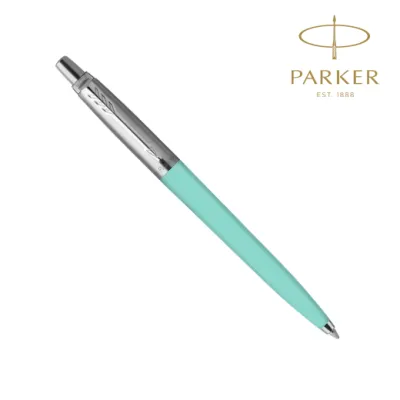
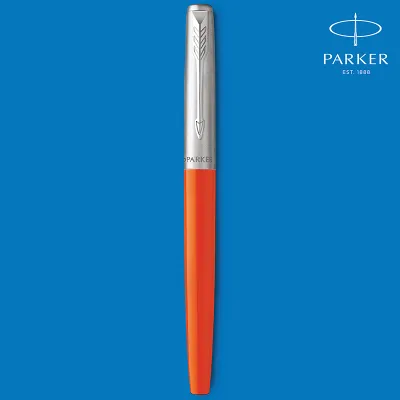
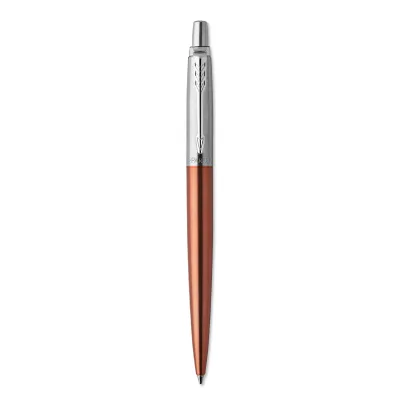
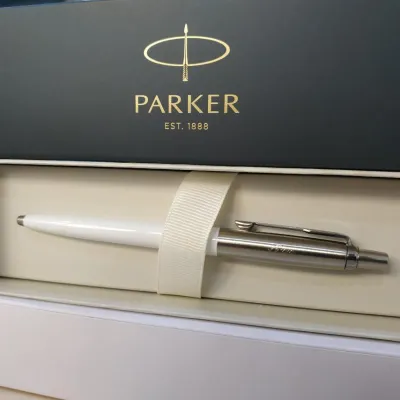
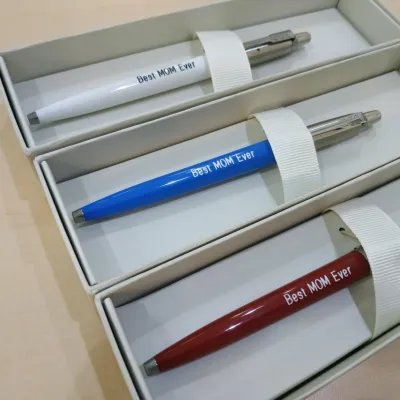
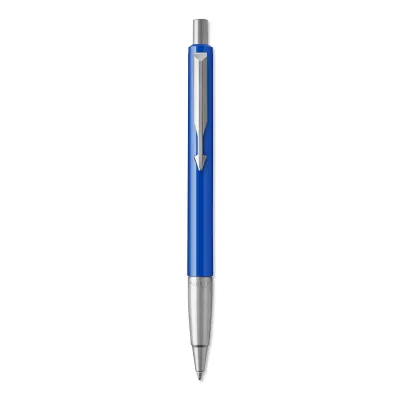
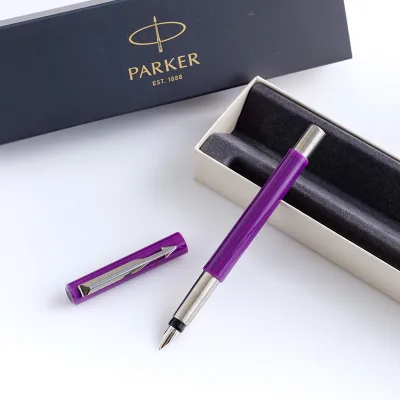
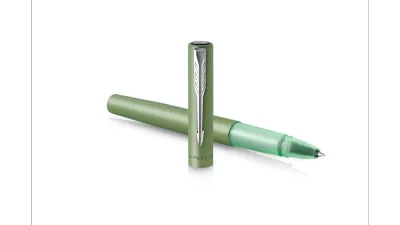
Prices are valid at publication and may change. Please refer to the product page for the latest price.
Staff training is another reliable indicator of an authorized physical store. Legitimate retail representatives possess detailed knowledge of the brand’s collections, including the specific differences between entry-level models and premium collections. They can readily explain refill compatibility, nib options, and warranty terms without hesitation or vague answers.
Online shopping requires a different verification strategy. When browsing major e-commerce platforms, look for verified brand badges, such as official mall indicators, which require sellers to submit legal business documentation and proof of authorization to the platform before hosting a storefront. Avoid third-party sellers who use generic, pixelated product images or lack a verified business profile.
Documentation is the ultimate proof of a retailer’s legitimacy. Authorized sellers provide a physical, stamped warranty card or booklet at the point of purchase, detailing the store name, purchase date, and product model. Furthermore, the official sales invoice or receipt must display a registered business name, Tax Identification Number (TIN), and valid local contact information.
Inspecting the Pen and Packaging
Examining the packaging is a highly effective way to spot potential counterfeits before even handling the pen. Genuine Parker packaging consists of high-quality, sturdy cardboard with precise color matching and crisp, embossed branding. The iconic arrow logo must be perfectly aligned, and all printed text on the box, sleeve, and accompanying leaflets must be free of spelling errors, smudges, or blurry fonts.

Evaluating the physical pen requires close attention to weight, balance, and material quality. Authentic models utilize premium materials such as solid brass, stainless steel, or high-grade acrylic resins, giving them a substantial, balanced feel in the hand. Counterfeits often feel unusually light, plasticky, or poorly balanced because they use cheaper alloy substitutes.
Engravings and surface finishes provide clear clues about craftsmanship. On a genuine pen, the brand name, logo, and country of origin are engraved with absolute precision, showing clean lines and uniform depth. Rough edges, shallow stamping, off-center logos, or peeling plating on the clip and trim are immediate red flags that indicate a counterfeit product.
Writing performance and consumable compatibility are critical stationery-specific checks. Genuine ballpoint and gel pens are designed to fit proprietary Parker-style G2 refills perfectly, without any internal rattling or loose movement. When testing the pen, the ink should flow smoothly and consistently without skipping or leaking.
In the humid tropical climate of the Philippines, paper can absorb ambient moisture, which naturally affects ink drying times and feathering. To perform an accurate trial, test the pen on dry, high-quality paper. A genuine refill is formulated to resist excessive bleeding and dry relatively quickly, whereas counterfeit refills often use low-grade ink that smears easily, skips constantly, or exhibits poor water resistance.
Choosing Safe Purchasing Channels in the Philippines
To minimize the risk of purchasing a counterfeit, prioritize established physical channels. High-end department stores in major shopping malls across Manila, Cebu, and Davao host official brand counters that source their inventory directly from authorized distributors. Specialty stationery shops with a long-standing reputation for luxury writing instruments are similarly reliable.
For corporate gifting or bulk purchases, always contact the officially appointed local distributor or recognized corporate gifting partners. These entities can provide official certificates of authenticity and direct batch tracing, ensuring that every pen in your order meets strict quality control standards.
When navigating online marketplaces, filter your searches strictly to official brand stores or certified digital malls. Be highly skeptical of independent third-party listings that advertise “factory overruns,” “original equipment manufacturer (OEM) stocks,” or “parallel imports.” These terms are frequently used to mask counterfeit goods sold at prices far below the standard retail market rate, which typically starts around ₱1,000 for entry-level models.
Steps to Take If You Suspect a Counterfeit
If you suspect you have purchased a counterfeit pen, your first step should be to gather comprehensive physical evidence. Take high-resolution, well-lit photographs of the pen from multiple angles, focusing on the nib, cap engravings, refill markings, and any imperfections in the finish. Keep all original packaging, leaflets, and the purchase receipt intact, as these are vital for your claim.
Contact the seller immediately to initiate a formal return and refund request. If you purchased the item through an online marketplace, use the platform’s official dispute resolution system rather than communicating externally. State your case clearly, presenting the photographic evidence of the physical discrepancies and requesting a refund based on the platform’s authenticity guarantees.
Should the seller refuse to cooperate or deny the refund, escalate the dispute directly to the e-commerce platform’s customer support team. For physical purchases or unresolved online transactions, you can file a formal consumer complaint with the Department of Trade and Industry. Providing detailed documentation of the transaction and the physical evidence of the counterfeit product will support your case during mediation.
Frequently Asked Questions (FAQ)
Can I verify a Parker pen's authenticity using a serial number?
While some premium Parker collections feature unique serial numbers, they are not an absolute guarantee of authenticity. Sophisticated counterfeiters can easily copy a legitimate serial number and engrave it onto thousands of fake pens. Instead of relying solely on the number itself, examine the quality, depth, and alignment of the engraving, and cross-reference the overall build quality of the pen with official brand guidelines.
Are Parker pens sold at a heavy discount always fake?
Authorized retailers in the Philippines rarely offer massive, permanent discounts on core or current collections. While legitimate clearance sales, holiday promotions, or end-of-line discounts on discontinued models do occur, they typically offer modest price reductions. If an online listing offers a current, popular model at a fraction of its standard retail price—such as a 70% or 80% discount—it is highly likely to be a counterfeit product.
Community discussion
Share your experience or ask a question. Comments are reviewed before publication.