
Identifying an original Karson calculator requires a close examination of its physical construction, print alignment, and functional performance. Counterfeit stationery products frequently flood online marketplaces and physical discount shops, targeting students and professionals who need reliable mathematical tools. To ensure your device is genuine, you must verify key indicators such as the tactile response of the keys, the clarity of the liquid crystal display (LCD), and the consistency of the branding across the packaging and the unit itself.
Purchasing a counterfeit calculator does not just mean losing money; it also introduces the risk of critical calculation errors during high-stakes classroom activities or professional licensing examinations. By learning how to spot the subtle differences between an authentic Karson calculator and a cheap imitation, you can make an informed purchase and secure a tool that performs accurately under demanding conditions.
Quick Checklist to Verify a Karson Calculator
Before finalizing your purchase or immediately after receiving your package, you can perform a rapid assessment to check for obvious signs of a counterfeit product.
Products mentioned in this guide
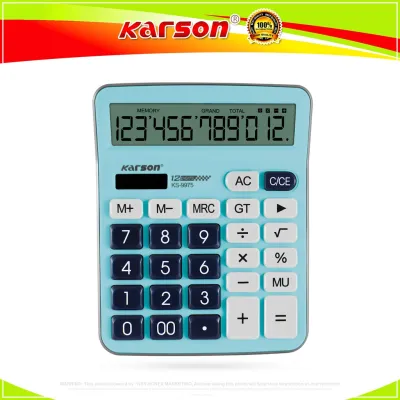
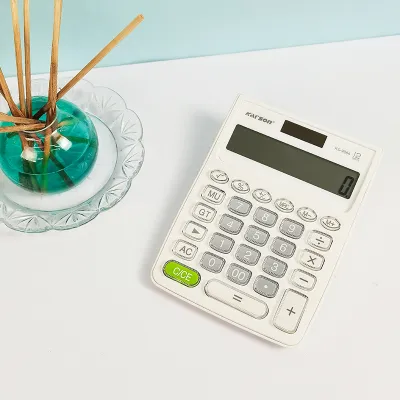
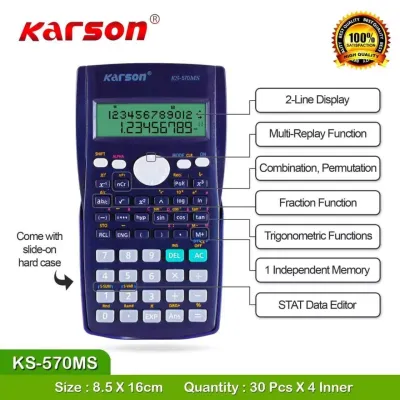
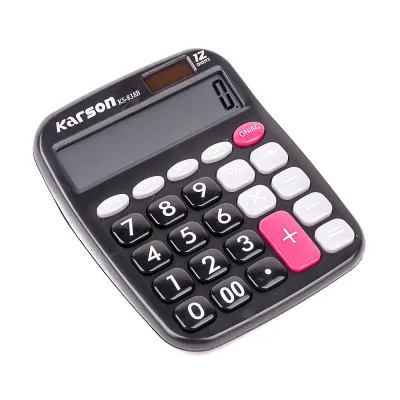
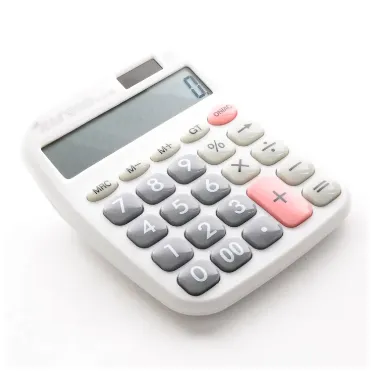
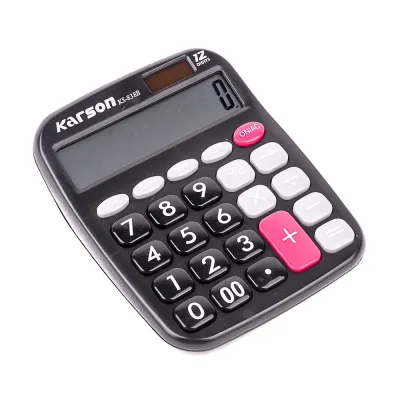
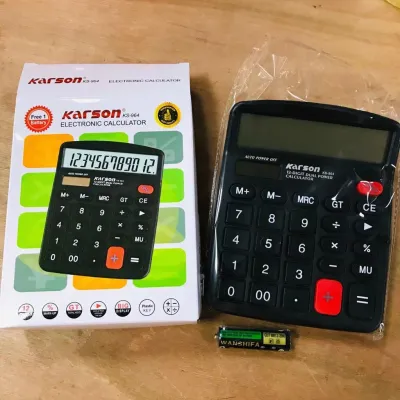
Prices are valid at publication and may change. Please refer to the product page for the latest price.
- Visual Comparison: Place the physical calculator next to high-resolution official product images from the manufacturer's authorized catalogs or official website. Look closely at the font style, logo placement, and the exact spacing between the keys.
- Text and Logo Alignment: Inspect the front casing and the back panel for any spelling mistakes, blurry brand logos, or crookedly printed text. Genuine manufacturing processes use high-precision printing that produces sharp, perfectly aligned characters.
- Model Number Match: Locate the model number printed on the retail box and compare it directly with the model identifier engraved or printed on the calculator's back panel. Any discrepancy between these two numbers is a clear indicator of a mismatched or counterfeit item.
- Physical Integrity: Shake the calculator gently to check for loose internal components or rattling sounds, which are common in poorly assembled replicas.
Inspecting the Packaging and External Labels
The retail packaging is often the first line of defense when identifying a counterfeit Karson calculator. Authentic manufacturers invest in high-quality cardboard, precise color calibration, and professional graphic design for their boxes. Counterfeiters, aiming to minimize production costs, often use thinner cardboard, low-resolution scans of original artwork, and inferior printing presses that result in washed-out colors or fuzzy text edges.

When examining the box, look for standard import details and regulatory stickers required for electronic devices distributed in the Philippines. Genuine units imported through official channels typically feature clear, legible labeling that details the importer’s information, country of origin, and compliance markings. If these stickers are missing, poorly printed, or contain obvious typographical errors, the product may be an unauthorized parallel import or an outright fake.
Inside the box, a genuine Karson calculator is accompanied by essential documentation and accessories. You should expect to find a comprehensive instruction manual printed on decent paper, a warranty card with clear terms, and a protective slipcase or hard cover designed to fit the unit perfectly. If the manual is missing, printed on extremely thin newsprint, or contains poorly translated instructions with grammatical errors, you should proceed with caution.
It is important to note that packaging designs can change over time, and the absence of a specific holographic sticker is not always absolute proof of authenticity. Manufacturers frequently update their security features and packaging layouts to stay ahead of counterfeiters. Instead of relying solely on a single hologram, evaluate the overall material quality, the crispness of the print, and the completeness of the included accessories.
Checking Build Quality and Physical Features
The physical construction of the calculator provides the most reliable evidence of its authenticity. Genuine Karson calculators are built using durable, impact-resistant plastics designed to withstand daily use in tropical environments. In the Philippines, high humidity and warm temperatures can quickly expose the poor material choices of counterfeit products, such as cheap adhesives that fail or low-grade plastics that warp.
Begin your physical inspection by testing the tactile feedback of the keys. Authentic calculators feature keys with consistent resistance, a distinct springy return, and durable, double-injection molded or high-quality printed labels that do not wear off after a few weeks of typing. Counterfeit keys often feel mushy, stick when pressed at an angle, or have uneven heights and crookedly printed symbols that scratch off easily with a fingernail.
Next, turn on the device and examine the LCD screen from various angles. A genuine calculator utilizes a high-contrast display that remains legible even under bright classroom lights or when viewed from the side. Counterfeit displays often suffer from poor viewing angles, uneven contrast, dead pixels, or a faint background shadow behind the active digits. The screen cover on a genuine unit should also be perfectly flat and securely sealed to prevent dust and moisture from entering.
The battery compartment is another critical area to inspect. Slide off the battery cover and examine the plastic molding inside; genuine units feature clean edges without rough plastic burrs or leftover molding flash. The metal contact springs should be firmly seated, shiny, and free of rust or oxidation. Additionally, look for the correct battery type specifications and polarity markings clearly molded or printed inside the compartment, matching the guidelines in the official user manual.
Choosing Reliable Purchase Channels to Avoid Fakes
The easiest way to avoid the frustration of a counterfeit calculator is to buy from reputable, authorized sellers. Prioritize established physical bookstores, authorized office supply retailers, and official brand storefronts on major e-commerce platforms. These sellers source their inventory directly from authorized distributors, ensuring that every unit sold is genuine and backed by official support.
If you are shopping on online marketplaces, take the time to evaluate third-party sellers thoroughly before making a purchase. Check the store’s overall rating, the age of the account, and customer reviews. Look specifically for detailed feedback from previous buyers who mention the authenticity of the product, and avoid stores that have a history of complaints regarding counterfeit goods or poor packaging.
Be highly suspicious of listings that offer prices significantly lower than the standard market rate. While seasonal sales and store promotions can offer modest discounts, an extremely low ₱ price is a major red flag. Counterfeiters often lure buyers with prices that seem too good to be true, capitalizing on the desire for a bargain to sell substandard, non-functional replicas that will fail when you need them most.
What to Do If You Suspect You Bought a Fake
If you receive a calculator and suspect it is a counterfeit, you must act quickly to protect your purchase. Start by documenting all the discrepancies you have identified. Take clear, well-lit photographs of the packaging, the labels, the physical flaws on the calculator, and any side-by-side comparisons with an authentic unit if you have one available.
Contact the seller or the customer support team of the e-commerce platform immediately to initiate a return or refund request. Clearly state that the item received does not match the description of a genuine product, and upload your photographic evidence to support your claim. Most reputable online marketplaces have buyer protection policies that cover counterfeit items, provided you report the issue within the specified return window.
While waiting for a resolution, do not attempt to open, disassemble, or modify any internal components of the calculator. Opening the casing or tampering with the circuitry can void your eligibility for a return or refund, as the seller or platform may claim the damage was caused by user intervention. Keep the calculator, packaging, and all included accessories in their original condition until the return process is fully completed.
Frequently Asked Questions (FAQ)
Can I use an unverified calculator for board exams in the Philippines?
Using an unverified or counterfeit calculator during professional board exams in the Philippines carries significant risks. Exam proctors are trained to inspect calculators against approved lists, and any suspicious or non-compliant device may be confiscated on the spot, leaving you without a calculator during the test. Furthermore, counterfeit calculators are prone to sudden malfunctions, missing mathematical functions, or subtle calculation errors that can jeopardize your exam results.
Do original Karson calculators come with a local warranty?
Yes, genuine Karson calculators typically come with a manufacturer or local distributor warranty card included in the box. This warranty provides coverage for manufacturing defects and allows you to access authorized service centers for repairs or replacements. Always check the warranty card for the official distributor’s contact details and specific terms to ensure you have access to legitimate after-sales support.
Community discussion
Share your experience or ask a question. Comments are reviewed before publication.