
Spotting authentic Snoopy ballpens when shopping online requires a systematic approach that combines pre-purchase listing analysis with hands-on physical inspection once the item arrives. Because counterfeiters have become adept at replicating character designs, relying on a single visual cue is rarely enough. To ensure you are purchasing genuine Peanuts merchandise, you must scrutinize the seller’s digital storefront, verify official licensing marks on the packaging, and test the physical build and ink performance of the pen itself.
Understanding the Risks of Counterfeit Character Pens
Purchasing counterfeit character stationery does more than just deliver a disappointing writing experience; it also presents practical and material concerns. Genuine licensed Snoopy ballpens are manufactured under strict quality control standards to ensure consistent ink flow, durable casing materials, and reliable mechanics. In contrast, counterfeit pens often suffer from erratic ink delivery, frequent skipping, and fragile plastic parts that break under minimal pressure.
Furthermore, unverified writing instruments may bypass standard material safety evaluations. Low-grade plastics and unregulated inks used in counterfeit manufacturing can sometimes emit strong chemical odors, which is a notable concern for items that undergo prolonged skin contact. By purchasing these unauthorized goods, consumers inadvertently support sellers who misrepresent unlicensed merchandise as official Peanuts products, undermining the creative rights of the original creators and the quality standards of authorized manufacturers.
Products mentioned in this guide
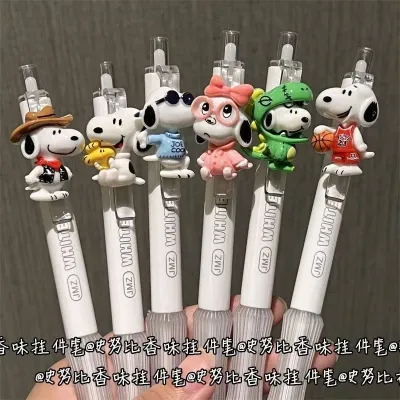
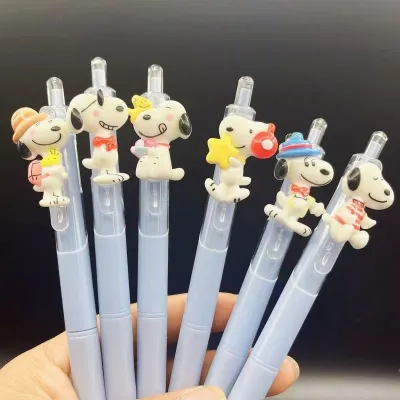
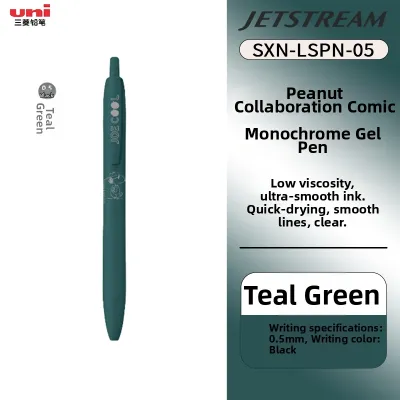
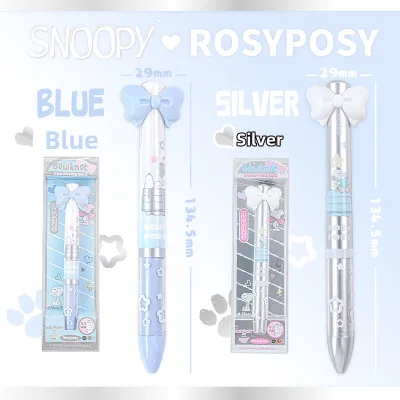
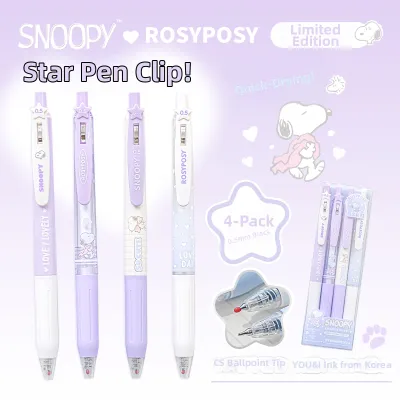
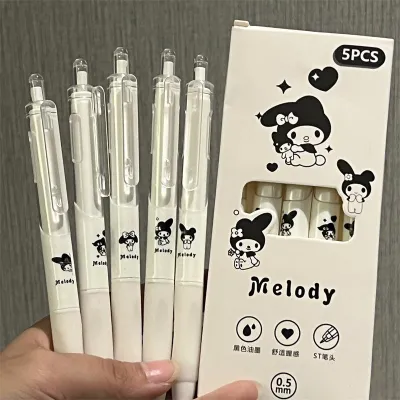
Prices are valid at publication and may change. Please refer to the product page for the latest price.
Physical and Visual Checks for Authentic Snoopy Ballpens
When your package arrives, conducting a thorough physical inspection is the most reliable way to confirm whether your Snoopy ballpen is genuine. Because external appearances can be deceptive on a computer screen, you must evaluate the item using a combination of visual and tactile checks. This process begins with a close examination of the outer packaging and licensing labels before moving on to the physical construction of the pen body and the performance of the ink.

Packaging, Licensing Marks, and Labeling
Genuine Snoopy stationery always features clear, high-quality packaging that displays official licensing information. Look closely at the back and sides of the card or box for the official Peanuts Worldwide copyright notice or the specific licensing marks of authorized distributors. The text should be perfectly legible, sharp, and free from spelling errors or blurry printing. Barcodes and product information labels on genuine items are typically aligned precisely, whereas counterfeit packaging often displays crooked labels, faded colors, or pixelated character artwork.
Pay close attention to the physical quality of the packaging materials. Authentic manufacturers use sturdy cardboard backing and clean, neatly sealed plastic blister covers that do not peel away easily. Be cautious of relying solely on a single holographic sticker or a generic “authentic” seal on the box. Counterfeiters frequently replicate these stickers using cheap metallic foils, so a shiny label alone does not guarantee a genuine product; it must be supported by crisp printing and official copyright text.
Build Quality, Materials, and Ink Performance
Once you unpack the pen, examine the plastic molding and assembly. Authentic Snoopy ballpens feature smooth seams, a balanced weight, and a secure clip mechanism that does not feel flimsy. If the pen features a 3D Snoopy topper or printed character graphics, inspect the details closely. Genuine prints have sharp borders and resist peeling, while authentic 3D toppers are molded cleanly without rough plastic flashing or misaligned paint.
The writing test is another critical step in verification. In tropical climates with high humidity, low-quality inks in counterfeit pens are highly prone to clogging, blobbing, or drying out prematurely inside the cartridge. Test the pen on standard notebook paper to observe the ink flow. A genuine ballpen should glide smoothly without requiring excessive downward pressure, and the ink should dry at a consistent rate without leaving large smudges. Additionally, take note of any strong, sweet, or acrid chemical odors coming from the pen body or the ink, as genuine stationery is formulated to be virtually odorless.
Evaluating Online Listings and Seller Credibility
Before clicking the checkout button on any online marketplace, you can filter out a significant portion of counterfeit listings by analyzing the product page. Be highly skeptical of listings that rely entirely on heavily watermarked stock photos or low-resolution images scraped from official brand websites. Legitimate sellers often provide high-resolution, multi-angle photos of the actual product in its retail packaging, allowing you to inspect the details before buying.
Customer reviews offer valuable clues about the authenticity of the inventory. Do not just look at the overall star rating; filter the reviews to read negative and neutral feedback. Look specifically for complaints regarding poor ink quality, flimsy plastic, or packaging that arrived without official licensing marks. If multiple buyers note that the item does not match the product description or feels like a cheap imitation, it is best to avoid that listing.
Additionally, evaluate the seller’s profile, store age, and return policies. Newly established storefronts that offer massive, unrealistic discounts on licensed character goods carry a much higher risk of distributing counterfeit items. Reputable sellers typically have a history of consistent positive feedback, clear customer service channels, and straightforward return policies that allow you to send back items that do not meet quality standards.
Choosing Safe Purchasing Channels
The most effective way to avoid counterfeit Snoopy stationery is to purchase directly from verified retail environments. Prioritize official brand flagship stores on major e-commerce platforms, authorized stationery distributors, and well-known physical retail chains. These sellers maintain direct supply chains with licensed manufacturers, ensuring that every item in their inventory is fully authorized and quality-tested.
Shopping on open online marketplaces with unverified third-party sellers introduces a higher level of risk, particularly when prices are listed in ₱ at a fraction of the standard retail cost. While bargain hunting is common, a price that seems too good to be true usually indicates that the product is unlicensed or counterfeit. If you are uncertain about a seller’s credibility, check if they are listed in official brand directories or ask the seller directly if they can provide proof of sourcing from authorized wholesalers.
Steps to Take If You Suspect a Counterfeit Purchase
If you receive a Snoopy ballpen and suspect it is counterfeit, acting quickly and documenting the evidence is essential for securing a refund. Start by taking clear, well-lit photographs of the pen and its packaging from multiple angles. Capture close-up shots of any blurry printing, misaligned logos, rough plastic seams, or damaged seals. If possible, record a short video of the unboxing process to prove the condition in which the item arrived.
Next, contact the e-commerce platform’s customer service or dispute resolution center immediately. Submit your photos and videos as evidence, clearly stating that the item received is a counterfeit product that does not match the seller’s claims of authenticity. Avoid using the pen extensively or discarding the original packaging, as most platforms require you to keep the item in its received condition to qualify for a return and refund. Follow the platform’s guided dispute steps carefully to ensure your consumer rights are protected.
Frequently Asked Questions (FAQ)
Can I verify a Snoopy ballpen using a standard barcode scanner app?
No, standard barcode scanner apps cannot verify the physical authenticity of a specific pen. These apps simply read the printed barcode and match it to a product type or manufacturer entry in a global database. Because counterfeiters can easily copy and print a genuine barcode onto fake packaging, a successful scan only proves that the barcode itself is valid, not that the physical item in your hand is authentic.
Are cheaper Snoopy ballpens always fake?
Not necessarily, but extreme price discrepancies are a major red flag. Legitimate retailers often run authorized promotional sales, bundle discounts, or clearance events for older stationery designs, which can lower the price in ₱. However, if the price is significantly below the standard retail baseline for licensed Peanuts merchandise, it is highly likely to be a counterfeit, as genuine licensing fees and quality manufacturing prevent authentic items from being sold at extremely low prices.
Community discussion
Share your experience or ask a question. Comments are reviewed before publication.