
Verifying the authenticity of a Staedtler pencil set online requires a systematic inspection of the seller’s digital storefront, the physical packaging, and the structural quality of the pencils themselves. In the Philippines, where high humidity can quickly degrade low-quality materials, counterfeit stationery is a persistent issue on major e-commerce platforms. Knowing how to identify genuine products before making a purchase—and immediately upon delivery—ensures you receive the reliable performance required for technical drawing, sketching, and writing.
Because counterfeiters have become highly adept at replicating outer packaging, relying on a single visual check is rarely sufficient. Instead, a successful verification combines digital caution during the browsing phase with hands-on material tests once the package arrives at your doorstep. By understanding the specific manufacturing standards of genuine stationery, you can easily protect your budget and avoid the frustration of brittle, unusable drawing tools.
Common Red Flags in Counterfeit Pencil Sets
When browsing online marketplaces, the first line of defense is analyzing the product listing itself. Counterfeiters often rely on stolen, low-resolution stock images or heavily watermarked photos lifted from official distributors. If the product images appear blurry, pixelated, or show inconsistent packaging designs within the same listing, treat the offer with extreme caution. Genuine listings typically feature crisp, high-definition photos showing the front, back, and contents of the specific pencil set.
Products mentioned in this guide
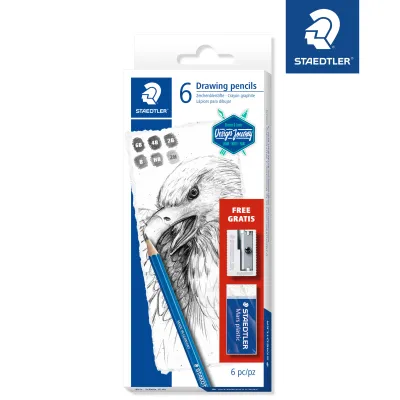
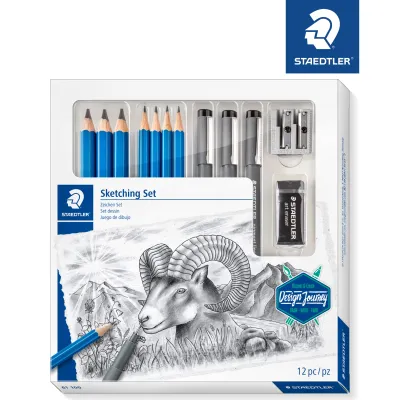
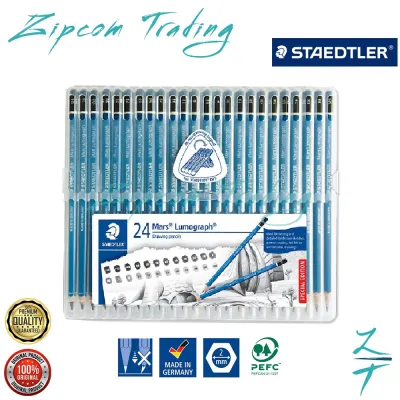
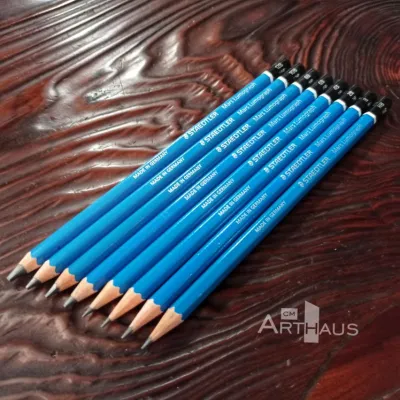
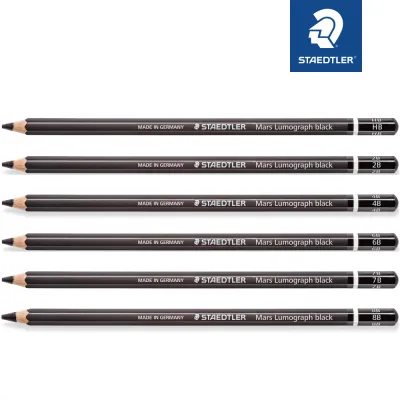
Prices are valid at publication and may change. Please refer to the product page for the latest price.
Text errors on the listing or the packaging images are another immediate giveaway. Carefully inspect the product titles, descriptions, and any visible text on the box for spelling mistakes, grammatical anomalies, or unusual font choices. Counterfeit packaging often features slightly altered brand names, misplaced accents, or inconsistent spacing in the product descriptions. Genuine manufacturers maintain strict quality control over their global packaging, meaning typographical errors are virtually nonexistent on authentic boxes.
Pricing is one of the most reliable indicators of a counterfeit product. While local online sales and holiday promotions can offer modest discounts, an impossibly low price is a major warning sign. For example, if a professional twelve-piece drawing pencil set typically retails for around ₱800 to ₱1,000 at authorized local bookstores, a listing offering the exact same set for ₱150 is highly likely to be counterfeit. Genuine high-grade graphite and sustainably sourced wood cannot be manufactured or sold at these extreme bargain prices.
Inspecting the Packaging and Branding Details
Once your package arrives, the physical box provides critical clues regarding its authenticity. Start by examining the print quality and color accuracy of the retail packaging. Genuine boxes feature vibrant, saturated colors with sharp, clean lines and no color bleeding. Pay close attention to the iconic Mars head logo; on counterfeit packaging, this logo is often slightly distorted, off-center, or printed with fuzzy borders that suggest a cheap scanning and reproduction process.

Security features and manufacturing codes offer further proof of origin. Authentic sets often feature clear batch codes stamped or printed on the back or bottom of the packaging. Depending on the specific product line, you may also find holographic stickers or regional distributor labels that verify import details. If these markings are missing, smudged, or easily scratched off with a fingernail, the set warrants closer inspection.
Additionally, evaluate the structural integrity of the container. Genuine metal tins are sturdy, fit together precisely, and open smoothly without warping. Cardboard packaging should feel thick and rigid, designed to protect the pencils during transit. In the humid climate of the Philippines, cheap counterfeit cardboard quickly absorbs moisture, feeling soft, limp, or unevenly glued. Authentic packaging uses high-quality, moisture-resistant adhesives and dense paperboard that retains its shape.
Evaluating the Pencils and Included Accessories
An authentic pencil is a precision tool, and its physical construction is difficult for counterfeiters to replicate cheaply. Begin by examining the wood casing of the pencils. Genuine professional pencils are typically crafted from premium, straight-grained cedar wood, which exhibits a consistent reddish-brown hue and a pleasant, natural wood scent. Counterfeits often utilize cheap, pale basswood or composite wood that feels exceptionally lightweight, smells strongly of chemicals or cheap paint, and splinters easily when sharpened.
Next, look closely at the alignment of the graphite core. In a genuine pencil, the lead is perfectly centered within the wood casing, ensuring even wear and preventing breakage during sharpening. Counterfeit pencils frequently suffer from off-center leads, which cause the graphite to snap repeatedly under the pressure of a sharpener. Furthermore, check the gold or silver hot-stamped lettering on the pencil body; on authentic items, this branding is deeply impressed, crisp, and highly resistant to rubbing, whereas fake lettering is often lightly printed and flakes off quickly during use.
If your set includes accessories like erasers, sharpeners, or blending stumps, inspect their build quality as well. Authentic accessories are made from durable, high-grade plastics and metals, featuring clean moldings with no excess plastic flash or loose parts. Counterfeit accessories often feel brittle, feature dull blades that tear the wood rather than cutting it, or contain erasers that smudge the paper instead of lifting the graphite cleanly. Perform a quick trial on a scrap piece of paper to verify that the eraser removes marks without tearing the fibers.
Choosing Reliable Sellers on E-commerce Platforms
To minimize the risk of purchasing counterfeit stationery, prioritize buying from verified digital storefronts. Look for official flagship stores, authorized mall badges, or verified distributor tags on your preferred shopping app. These badges indicate that the seller has submitted official business registration and authorization documents to the platform, providing a high level of consumer protection and authentic product guarantees.
Before adding an item to your cart, dedicate time to reading the seller’s feedback profile and customer reviews. Do not rely solely on the overall star rating, as some dishonest sellers inflate their scores using automated fake reviews. Instead, filter the reviews to show one-star and two-star ratings, specifically searching for keywords like “fake,” “counterfeit,” “brittle,” or “snapped lead.” Pay attention to the age of the shop; a store that has been active for several years with consistent positive feedback is far more reliable than a newly created shop with generic, repetitive reviews.
Finally, avoid listings that employ keyword stuffing or lack clear, detailed product descriptions. Reputable sellers provide precise specifications, including the exact hardness grades included in the set, country of origin, and clear return policies. If a seller refuses to answer direct questions about product authenticity or lacks a clear, platform-backed return policy, it is best to look for another source.
What to Do If You Receive a Suspected Fake
If you suspect that the pencil set you received is counterfeit, document the evidence immediately. Before opening the shipping parcel, record a continuous, unedited unboxing video. Start by showing the shipping label with your tracking details clearly visible, then open the package and film close-up shots of the packaging defects, misaligned pencil leads, or poor print quality. This video serves as crucial, indisputable evidence if you need to file a dispute with the e-commerce platform.
Do not click the button to confirm receipt or complete the order on your shopping app. Confirming receipt often releases the funds to the seller, making it significantly harder to secure a refund. Instead, immediately initiate a return or refund request through the platform’s buyer protection program, selecting “item is counterfeit” or “not as described” as the reason. Upload your unboxing video, high-resolution photos of the red flags, and a brief explanation of why the product is not genuine.
After securing your refund, take a moment to report the suspicious listing and storefront to the platform’s customer support team. Reporting these listings helps clean up the digital marketplace, protecting other artists, students, and professionals in the Philippines from falling victim to the same counterfeit schemes. By holding dishonest sellers accountable, you contribute to a safer, more reliable online stationery community.
Frequently Asked Questions (FAQ)
Can I verify authenticity using a barcode scanner app?
No, barcode scanner apps are not reliable tools for detecting counterfeit stationery. Counterfeiters can easily copy and print a valid, genuine barcode onto fake packaging, which will then register as authentic when scanned by a mobile app. To ensure your pencil set is genuine, you must rely on physical inspection of the wood, paint finish, and lead centering, alongside purchasing from verified, authorized sellers.
Are slightly lower prices always an indicator of fake products?
Slightly lower prices are not always a sign of a counterfeit, as authorized sellers frequently participate in official platform campaigns, double-day sales, or clearance events. However, there is a clear distinction between a legitimate 10% to 20% promotional discount and an impossibly low price that cuts the standard retail value by half or more. Always compare the discounted price against the standard rates at major local brick-and-mortar bookstores to determine if the deal is realistic.

Community discussion
Share your experience or ask a question. Comments are reviewed before publication.