
Verifying the authenticity of an ENHYPEN keychain requires a careful, step-by-step inspection of its packaging, physical materials, and security features. As the global popularity of K-pop continues to rise, the market has seen an influx of unauthorized replicas that mimic official designs. To protect your collection and ensure your money supports the artists, you must look beyond the initial visual appeal. By examining the print resolution, assessing the weight and metal quality, and checking for official holographic labels, you can confidently distinguish a genuine collectible from a cheap imitation.
Inspecting the Packaging and Print Quality
The outer packaging is your first line of defense when evaluating any piece of official merchandise. Genuine ENHYPEN keychains are distributed in high-quality packaging, which may include a sturdy cardboard box, a custom backing card, or a sealed plastic sleeve. You should immediately look for official branding, logos, and copyright text associated with the group’s management, such as HYBE or BELIFT LAB. These details are typically printed in crisp, legible fonts on the back or bottom of the packaging.
Replicas often fail to replicate the exact color profiles and print resolutions of official releases. When inspecting the packaging, compare the print quality against verified unboxing photos or official product listings. Look closely at the edges of logos and text; counterfeit packaging frequently exhibits pixelation, color bleeding, or slightly blurry lettering. Additionally, check for spelling errors or missing regulatory information, which are common indicators of rushed, unauthorized production.
Products mentioned in this guide
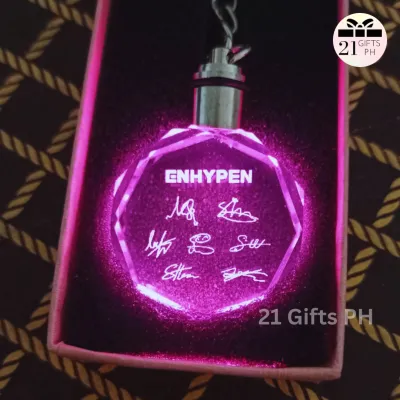
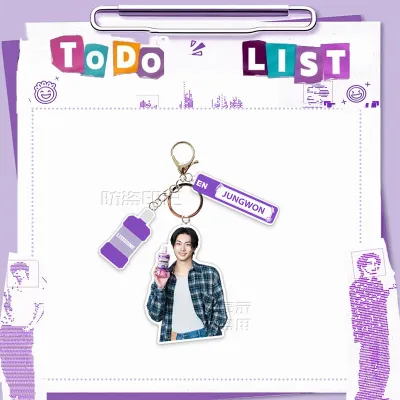
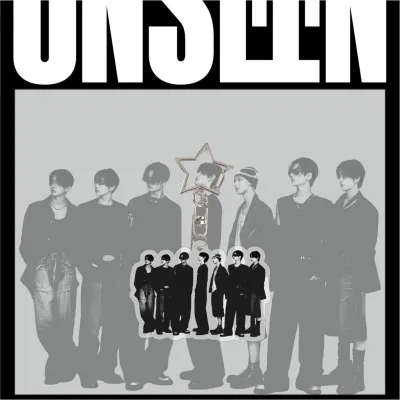
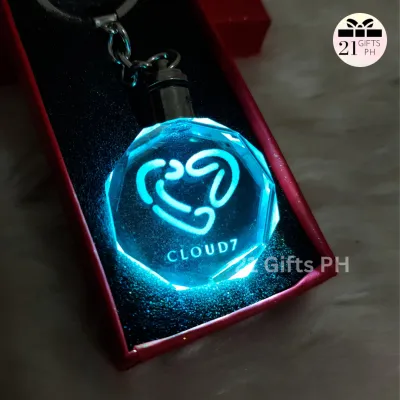

Prices are valid at publication and may change. Please refer to the product page for the latest price.
The paper stock or backing card itself can also reveal authenticity. Official backing cards are made from thick, rigid cardstock that does not bend easily under light pressure. In contrast, counterfeiters often use thin, flimsy paper that warps quickly, especially in humid tropical climates.
Evaluating Material, Weight, and Craftsmanship
The physical build of the keychain provides immediate clues about its origin. Official ENHYPEN keychains, whether made of acrylic, metal, or PVC, undergo strict quality control. If you are examining an acrylic keychain, run your fingers along the edges. Official acrylic pieces feature smooth, flame-polished edges with no sharp burrs or uneven cuts. The printed image should be sealed perfectly within the acrylic layers, free of trapped air bubbles, dust particles, or peeling edges.

Weight and heft are excellent indicators of material quality. Official metal keychains or thick acrylic charms have a noticeable weight in the hand. Counterfeits, aiming to minimize shipping and production costs, often use cheap, lightweight plastics or hollow metals that feel unusually light and brittle. If the keychain feels like a toy or lacks any substantial weight, it warrants closer scrutiny.
Pay close attention to the metal hardware, including the keyring, clasp, and connecting chains. Official merchandise utilizes sturdy, well-finished metal components with consistent coloration and secure soldering. Replicas often feature flimsy, thin jump rings that bend easily, mismatched metal tones, or visible rust. In humid environments, low-grade metal hardware on counterfeit keychains will tarnish or corrode rapidly, whereas official hardware is designed to maintain its finish under normal use.
Checking Official Authenticity Tags and Labels
Most official K-pop merchandise features a dedicated security label or holographic sticker to verify its authenticity. This sticker is typically placed on the back of the outer packaging or directly on the backing card. When you tilt the packaging under a light source, a genuine holographic sticker should display a clear, vibrant color shift and distinct patterns, often featuring the agency’s logo or a specific security pattern.
Many modern releases incorporate interactive verification systems, such as QR codes or hidden patterns that can be scanned using a smartphone app. If your keychain’s packaging includes a QR code, follow the manufacturer’s current instructions to scan and verify the product. Keep in mind that these digital verification systems are updated periodically, so ensure you are using the official, recommended application for scanning.
While a missing or non-functional security tag is a definitive sign of a counterfeit, you should not rely on the sticker alone. Some sophisticated counterfeiters have managed to replicate holographic stickers or transfer genuine stickers from damaged packaging onto fake items. Therefore, a passing tag must always be cross-referenced with the physical quality of the keychain itself; if the print is blurry or the metal is flimsy, the item may still be a replica despite a convincing sticker.
Assessing the Seller and Purchase Channel
Where you buy your merchandise is just as important as the physical item itself. To minimize the risk of purchasing a counterfeit, prioritize official distribution channels. Purchasing directly from the brand’s official global store, authorized local retailers, or official physical pop-up stores ensures that you receive genuine merchandise.
If you are shopping on third-party e-commerce platforms or online marketplaces, take the time to evaluate the seller’s profile. Look for established stores with high ratings and a proven history of selling official K-pop goods. Read customer reviews carefully, paying close attention to reviews that include photo or video evidence of the received items. Be skeptical of stores that use generic stock photos instead of actual product images.
Pricing is another critical factor. Official ENHYPEN keychains generally retail within a specific price range, often between ₱600 and ₱1,200 depending on the complexity of the design and the specific release. If a seller lists an item for an unusually low price, such as ₱150, or claims the item is a “factory overrun” or “unauthorized authentic,” it is almost certainly a counterfeit. Official manufacturers do not sell overruns or B-grade stock to third-party sellers. Furthermore, be cautious if a seller refuses to provide clear, unedited photos of the actual item and its packaging upon request.
Steps to Take If You Suspect a Counterfeit
If you receive an ENHYPEN keychain and suspect it is a counterfeit, acting quickly is essential to secure a refund. Begin by documenting the item thoroughly. Take clear, well-lit photos and videos from multiple angles, focusing on the packaging, the holographic sticker, any print defects, and the quality of the metal hardware. Having clear visual evidence is crucial when filing a dispute.
Next, contact the seller or the customer support team of the e-commerce platform where you made the purchase. Most major online marketplaces have strict policies against the sale of counterfeit goods and offer buyer protection programs. Present your documented evidence clearly, explaining the specific discrepancies between the received item and official merchandise standards.
While your dispute is pending, avoid using, displaying, or trading the item. Keep all original packaging intact, as you may be required to ship the item back to the seller or the platform for inspection. Finally, report the fraudulent listing to the platform to prevent other fans from falling victim to the same seller.
Frequently Asked Questions (FAQ)
Can I authenticate an ENHYPEN keychain just by looking at a photo?
While high-resolution photos can help you spot obvious red flags, they are rarely enough for a definitive authentication. Clear images can reveal blatant print flaws, incorrect fonts, spelling mistakes, or missing security tags. However, photos cannot convey the physical weight of the metal, the texture of the acrylic, or the specific color-shifting properties of a holographic sticker. A physical inspection remains the most reliable way to confirm authenticity.
Do all official ENHYPEN keychains come with a holographic sticker?
Most modern, official ENHYPEN merchandise releases feature a holographic security sticker on the packaging. However, there are exceptions. Certain older releases, exclusive event merchandise, or items bundled inside special album packages might use different packaging standards or omit the sticker entirely. If you are unsure, cross-reference the specific item with official product announcements or trusted unboxing videos from the fan community to confirm what packaging elements should be present.
Is it safe to buy second-hand ENHYPEN merchandise?
Buying second-hand keychains from other fans or resellers carries a higher risk of encountering counterfeits, swapped packaging, or hidden damage. To protect yourself, always ask the seller for proof of original purchase, such as a receipt or order confirmation from an official store. Request detailed, unedited photos of the actual keychain and its packaging under good lighting, and consider using secure payment methods that offer buyer protection.

Community discussion
Share your experience or ask a question. Comments are reviewed before publication.