
To verify if an online potter and clays store is legitimate, you must cross-reference its official business credentials, inspect the technical precision of its product listings, evaluate its payment security, and perform a thorough check of its domain history and community reputation. In the growing digital marketplace for pottery and sculpture supplies, distinguishing a dedicated distributor from a fraudulent storefront requires looking beyond a polished website template. A genuine supplier will always provide detailed material specifications—such as precise firing ranges, shrinkage rates, and safety certifications—while offering transparent, secure transaction methods.
The Risks of Buying from Unverified Online Craft Stores
The rise of e-commerce has made specialized arts and crafts supplies far more accessible, but it has also opened the door to online scams and counterfeit goods. In the pottery and clay modeling niche, purchasing from an unverified supplier carries significant financial and practical risks. Because high-quality ceramic clay, polymer clay, and specialty tools are heavy and expensive to transport, fraudulent storefronts often lure buyers with low prices, only to ship completely different materials, send expired products, or disappear entirely after receiving payment.
Beyond the immediate financial loss, using unverified or counterfeit clay can completely ruin your creative projects. Authentic clay bodies are formulated with precise ratios of minerals, plasticizers, and grog (fired clay particles) to ensure stability. Counterfeit or low-grade clays often exhibit poor plasticity, making them difficult to shape or throw on a potter’s wheel. Furthermore, they may suffer from unpredictable shrinkage or structural warping during the drying phase. When subjected to the intense heat of a ceramic kiln, incorrect firing temperatures can cause these unverified materials to melt, bloat, or even explode, potentially destroying your kiln’s expensive heating elements and any surrounding pottery.
Products mentioned in this guide
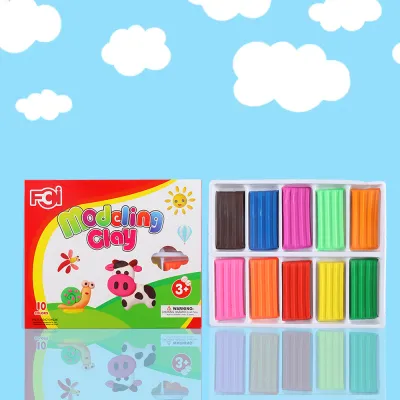
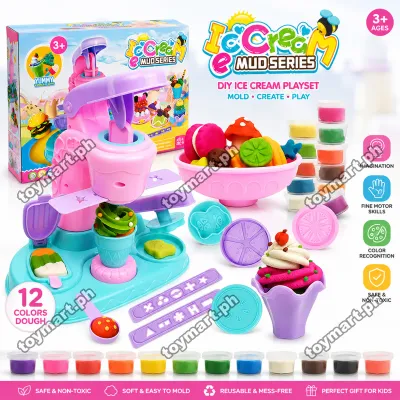
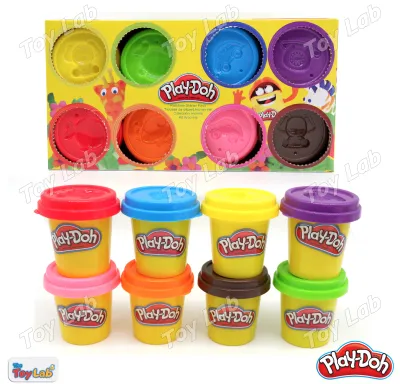
Prices are valid at publication and may change. Please refer to the product page for the latest price.
Safety is another critical concern, especially since clay modeling involves prolonged, direct skin contact. Legitimate manufacturers formulate their clays to meet strict non-toxic standards, but unverified modeling materials may contain undisclosed industrial solvents, heavy metals, or hazardous plasticizers. When baked in a household oven (in the case of polymer clay) or handled extensively by hobbyists, these mystery additives can release harmful chemical fumes or cause severe skin irritation.
Red Flags: Warning Signs of Fake Clay Supply Stores
Protecting your workshop budget and your physical safety starts with recognizing the warning signs of a fraudulent online storefront. The most obvious indicator is unrealistic pricing. Premium polymer clays, specialized air-dry formulas, and imported ceramic stoneware bodies have relatively stable market values due to manufacturing and shipping costs. If you spot a store offering premium brands or bulk ceramic clay at a fraction of the standard retail price—such as listing a professional 10-kilogram clay body for the price of a small hobby block—it is highly likely a scam designed to harvest credit card details.

Opaque business details are another major red flag. A legitimate potter and clays store will clearly display its physical warehouse, retail storefront, or studio address, alongside verifiable contact information. If a website lacks a physical address, provides only a generic online contact form, or lists a fake phone number, proceed with caution. Furthermore, legitimate businesses operating in the Philippines should be registered with the Department of Trade and Industry (DTI) or the Securities and Exchange Commission (SEC). A total absence of verifiable registration details is a strong indicator of an illegitimate operation.
Pay close attention to the payment methods accepted at checkout. Fraudulent websites often bypass secure, platform-backed payment gateways. If a store insists on direct, non-reversible payment methods—such as direct bank transfers to personal accounts, GCash or Maya transfers without a merchant gateway, or cryptocurrency—you will have no recourse if the goods never arrive. Legitimate stores utilize encrypted checkout systems that support credit cards or established digital wallets with robust buyer protection protocols.
Finally, analyze the store’s digital footprint. Scam websites are frequently built using cheap, pre-made templates and feature numerous broken links, spelling errors, and low-resolution product images stolen from legitimate ceramicists or established brands. You can often spot watermarks from other businesses on their product photos. If the website’s domain name is long, convoluted, or completely unrelated to pottery and crafts, it is a clear sign of a temporary setup designed to vanish once reported.
Green Flags: Traits of a Trustworthy Potter and Clays Store
When searching for a reliable potter and clays store, look for positive indicators that demonstrate professionalism, technical expertise, and operational transparency. A trustworthy online supplier will openly display its credentials, including its physical business address, warehouse location, and official brand authorization badges. Many legitimate distributors in the Philippines also operate physical pottery studios or retail spaces in major metropolitan areas, allowing customers to verify their physical existence and even opt for in-person pickup to save on heavy shipping costs.
A major hallmark of a genuine craft supplier is the depth of their product specifications. Legitimate stores do not just list “clay”; they provide comprehensive technical data sheets for every clay body. This includes the exact clay type (such as stoneware, earthenware, porcelain, or paper clay), the recommended firing temperature range expressed in pyrometric cones (for example, Cone 06 for low-fire or Cone 5/6 for mid-fire), the dry-to-fired shrinkage percentage, and the absorption rate. They will also clearly state safety certifications, such as the Art & Creative Materials Institute (ACMI) AP non-toxic seal or compliance with ASTM D-4236 standards, ensuring the material is safe for prolonged skin contact.
Secure transaction infrastructure and clear corporate policies are also essential green flags. Trustworthy stores protect your data with SSL encryption (indicated by the lock icon in your browser’s address bar) and offer clear, fair policies regarding shipping, returns, and refunds. Because clay is a heavy, moisture-sensitive medium, professional suppliers outline specific packaging standards to prevent the clay from drying out during transit under hot, humid tropical conditions. They will also provide realistic shipping calculations based on weight and destination.
Additionally, look for organic community engagement. A legitimate supplier usually maintains an active social media presence on platforms like Instagram or Facebook, where they share glaze results, showcase customer creations, and interact naturally with local pottery communities. They will have a history of consistent posts spanning months or years, rather than a sudden burst of spammy advertisements on a newly created page.
Actionable Steps to Verify a Store's Authenticity
Before entering your payment details, execute these practical, step-by-step verification checks to confirm the store’s legitimacy:
First, perform a domain and WHOIS lookup. Use a free online WHOIS database to check when the store’s website domain was registered. If a store claims to have years of experience serving the pottery community but its domain was registered only a few weeks ago, you are likely dealing with a temporary scam site. A domain registration history of several years indicates a stable, established business.
Second, gather independent social proof. Do not rely solely on the five-star testimonials displayed on the store’s own homepage, as these are easily fabricated. Instead, search for the store’s name on independent craft forums, local pottery community groups, or social media platforms. Look for organic discussions where local artists share their buying experiences, shipping times, and material quality. If the store has a history of non-delivery or sending incorrect materials, you will quickly find warnings from other potters.
Third, conduct a direct communication test. Reach out to the store’s customer service team via email, chat, or phone with specific, technical questions about their inventory. For example, ask about the mesh size of a specific stoneware clay, the grog content, or whether a particular clay body is compatible with commercial mid-fire glazes. A legitimate potter and clays store is run by knowledgeable staff who can provide accurate, technical answers. If the customer service representative gives vague, evasive answers, or if they do not respond at all, it is best to take your business elsewhere.
Fourth, run a reverse image search on their product and studio photos. Right-click on the store’s product images and upload them to a search engine to see where else they appear online. If the search reveals that the images were stolen from an independent ceramicist’s online shop, a stock photo library, or an established international brand’s website, the store is highly likely fraudulent and does not actually possess the inventory they claim to sell.
What to Do If You Encounter a Scam or Counterfeit Clay
If you realize you have fallen victim to a fraudulent online craft store, taking swift action can help mitigate your financial loss and prevent other artists from being scammed. Your first step should be to initiate a financial dispute. Contact your bank, credit card issuer, or mobile wallet provider (such as GCash or Maya) immediately to report the unauthorized or fraudulent transaction. Request a chargeback or dispute the charge, providing any evidence you have, such as screenshots of the website, order confirmation emails, and records of failed communication with the seller. If you purchased through an established online marketplace, utilize their built-in buyer protection program to request a full refund.
Next, report the fraudulent store to local consumer protection agencies. In the Philippines, you can file an official complaint with the Department of Trade and Industry (DTI) Fair Trade Enforcement Bureau or report the website to the Philippine National Police (PNP) Anti-Cybercrime Group. Reporting these fraudulent domains helps authorities track down scam networks and take down malicious websites, protecting the wider crafting community.
Finally, prioritize safety in your studio. If you receive clay that you suspect is counterfeit, contaminated, or inconsistent with the manufacturer’s official specifications, do not use, bake, or fire it. Counterfeit polymer clays can release toxic plasticizer fumes when baked in a household oven, contaminating your cooking space. In a ceramic studio, firing unidentified clay is highly dangerous; the material may have a much lower melting point than genuine stoneware, causing it to melt into a glassy pool that can permanently ruin your kiln shelves and heating elements. Always discard suspected counterfeit materials safely and consult an established local distributor to source verified, safe alternatives.
Frequently Asked Questions (FAQ)
How can I tell if the clay I received is counterfeit?
To determine if your clay is counterfeit, perform a thorough physical inspection. Check the packaging closely for missing safety seals, spelling errors, or low-quality printing that differs from the manufacturer’s official photos. Open the package and evaluate the material’s physical properties: genuine clay should have a consistent texture, whereas counterfeit formulas often feel excessively oily, crumbly, or exhibit an unusually strong chemical odor. For polymer clay, conduct a small test by conditioning a tiny piece; if it fails to bond or crumbles persistently despite proper kneading, it may be a counterfeit or expired batch. If you suspect the material is unsafe, stop using it immediately and contact the official manufacturer to verify the batch code printed on the packaging.
Is it safe to buy clay from social media marketplace sellers?
Purchasing clay from social media marketplace sellers carries a significantly higher risk profile than buying from an established, dedicated potter and clays store. Because these platforms are peer-to-peer, they often lack automated buyer protections and strict seller verification. If you choose to buy through these channels, always prioritize sellers who use platform-backed payment and shipping systems that offer escrow services or refund guarantees. Before completing a transaction, verify the seller’s local reputation by checking their profile creation date, transaction history, and ratings. Avoid direct, unprotected bank transfers, and if possible, arrange for cash-on-delivery (COD) through reliable local courier services so you can inspect the package’s physical condition before releasing the funds.
Community discussion
Share your experience or ask a question. Comments are reviewed before publication.