
Quick Answer: Key Safety Checks Before Buying
To determine if clay for kids is truly safe and non-toxic, look for verified safety certifications like the ACMI AP (Approved Product) seal or European EN71 compliance on the packaging. Do not rely on unregulated marketing terms such as “natural,” “organic,” or “eco-friendly,” which carry no legal weight without official certification. Additionally, perform a quick sensory check: safe clay should have a mild, neutral scent rather than a strong chemical odor, and it should not leave greasy or heavily stained residues on your child’s hands. Always buy from authorized brand stores or reputable local stationery shops to avoid counterfeit products that bypass quality controls.
How to Read and Verify Safety Certifications on Labels
Understanding the difference between marketing claims and official safety standards is the most reliable way to protect your child from harmful chemicals. Many products feature prominent labels claiming they are “100% safe” or “chemical-free,” yet these terms are often self-declared by manufacturers without third-party verification. To ensure a modeling compound is safe for prolonged skin contact and accidental ingestion risks, you must look for recognized toxicological and toy safety certifications.

The most common and trusted safety standard for art materials is the ASTM D-4236 designation, which indicates that the product has been evaluated by a qualified toxicologist for chronic health hazards. In addition to this designation, look for the Approved Product (AP) seal from the Art and Creative Materials Institute (ACMI). The AP seal certifies that the product contains no materials in sufficient quantities to be toxic or injurious to humans, including young children. For products imported from or sold in Europe, look for the CE mark alongside the EN71 certification, specifically EN71-3, which strictly limits the migration of heavy metals like lead, cadmium, and barium from toy materials.
Products mentioned in this guide
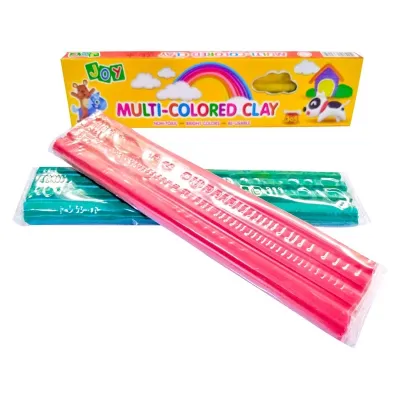
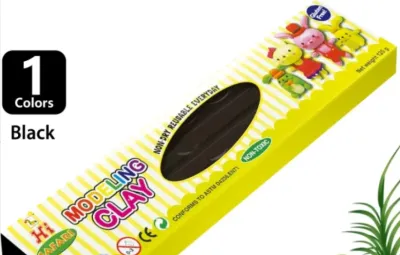
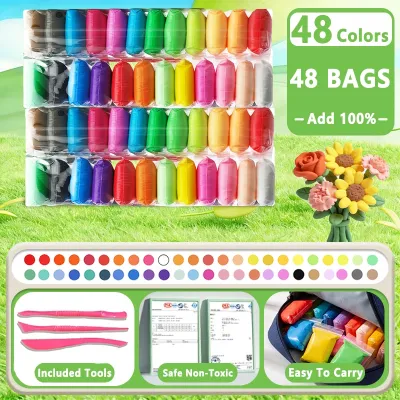
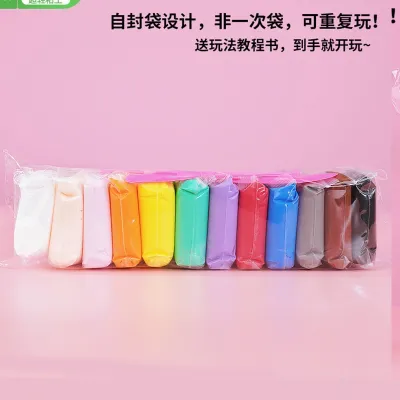
Prices are valid at publication and may change. Please refer to the product page for the latest price.
To verify these safety marks, you can search the public databases of certifying bodies. For example, the ACMI maintains a certified product registry on its official website where you can search by brand name to confirm if their AP seal is legitimate. If a brand claims compliance but does not appear in these official registries, or if the packaging lacks a physical address for the manufacturer or importer, it is best to avoid the product entirely.
Age grading labels are another critical piece of safety information on clay packaging. A warning such as “Not for children under 3” is often assumed to be a generic disclaimer, but it usually indicates a physical choking hazard due to small parts or a specific chemical formulation that is not suitable for toddlers who still explore objects with their mouths. Some advanced modeling materials, like polymer clays that require oven baking, are rated for older children (typically ages 8 or 14 and up) because the baking process releases fumes that require adult supervision and proper ventilation. Always adhere to these age guidelines to prevent both physical and chemical safety risks.
Sensory Checks: Inspecting Ingredients, Scent, and Texture
While certifications provide a paper trail of safety, your own senses can help you spot immediate red flags when opening a new package of clay. Reputable manufacturers maintain ingredient transparency, listing their primary base materials on the packaging or their official website. Knowing what goes into different clay types helps you evaluate whether they are appropriate for your child’s age and developmental stage.
Ingredient Transparency
The composition of modeling compounds varies significantly depending on the product type. Traditional play doughs are typically water-based and made from simple ingredients like wheat flour, salt, and food-grade pigments. Polymer clays, on the other hand, are plastic-based materials formulated with polyvinyl chloride (PVC) and liquid plasticizers to keep them pliable until baked. High-quality, certified polymer clays use safe, phthalate-free plasticizers, whereas cheap, unregulated alternatives may contain banned phthalates that can disrupt endocrine systems. Always look for brands that explicitly state their ingredients or confirm they are free from harmful phthalates, heavy metals, and toxic binders.
The Smell Test
A product’s scent is one of the quickest indicators of its chemical composition. Safe, high-quality clay should have a very mild, neutral, or slightly salty aroma. Some brands add food-grade fragrances to make the experience more pleasant for children, but these scents should never be overpowering. If you open a container of clay and detect a sharp, gasoline-like, solvent-heavy, or intensely artificial chemical odor, this is a major warning sign. Strong chemical smells often indicate the presence of volatile organic compounds (VOCs) or low-grade industrial solvents used to liquefy binders or mask cheap ingredients. Prolonged inhalation of these compounds can cause headaches, dizziness, or respiratory irritation in young children.
Texture and Residue
High-quality modeling compounds are engineered to leave minimal residue on hands and play surfaces. When your child handles the clay, it should feel pliable and cohesive. While oil-based clays (like traditional plasticine) naturally feel slightly slick due to their wax and oil bases, they should not leave a thick, greasy, or sticky film that is difficult to wash off with soap and water. Excessive greasiness often points to the use of low-grade industrial mineral oils. Furthermore, if the clay leaves stubborn, bright pigment stains on your child’s skin, it may contain cheap synthetic dyes that are not rated for cosmetic or toy safety. These unrefined pigments can be absorbed through the skin or accidentally transferred to food.
Where to Buy: Avoiding Counterfeits on Online Marketplaces
The rise of online marketplaces has made sourcing children’s toys and art supplies incredibly convenient, but it has also increased the risk of encountering counterfeit or unregulated goods. Many unbranded, bulk clay sets are sold at extremely low prices—often under ₱100 for dozens of colorful blocks—making them highly attractive to parents and educators on a budget. However, these ultra-cheap products often bypass standard customs inspections and local safety regulations, meaning they are far more likely to contain elevated levels of lead, arsenic, or banned plasticizers.
To ensure you are purchasing authentic, safe products, buy directly from official brand stores, authorized distributors, or established local stationery and toy shops in the Philippines, such as National Book Store or specialized craft boutiques. These retailers have established supply chains and quality control processes that ensure the products they stock comply with local and international safety standards.
When purchasing clay online, look for the official flagship store badge on e-commerce platforms to verify the seller’s credentials. Avoid buying from third-party sellers who offer unbranded bulk items with generic descriptions and no clear manufacturer contact details.
Upon receiving your delivery, inspect the packaging thoroughly before opening the clay. Look for the following red flags that suggest a counterfeit or unsafe product:
- Broken or missing safety seals on the containers.
- Blurry, poorly aligned, or low-resolution printing on the labels.
- Spelling errors in the safety warnings or brand name.
- Lack of a visible batch number, manufacturing date, or expiration date.
- No local distributor contact information or importer details.
If any of these red flags are present, do not allow your child to use the product. Contact the seller or the platform’s customer service immediately to report the issue and request a refund.
At-Home Safety: Allergy Testing, Supervision, and Storage
Once you have verified and purchased a safe clay product, implementing proper at-home handling, hygiene, and storage practices will ensure that playtime remains healthy and hazard-free.
Skin Patch Testing
Even certified non-toxic art supplies can occasionally cause mild skin reactions, especially in children with sensitive skin, eczema, or contact allergies. Before allowing your child to engage in a long play session, conduct a simple skin patch test. Rub a small piece of the clay onto the inside of their forearm and wait for 15 to 20 minutes. Check the area for any signs of redness, itching, swelling, or localized irritation. If any reaction occurs, discontinue use immediately and wash the skin thoroughly with mild soap and cool water.
Allergen Alert
Many popular modeling doughs are made using wheat flour as a primary base. While this makes the dough naturally soft and biodegradable, it poses a significant risk to children with celiac disease, wheat allergies, or severe gluten sensitivities. Ingestion of even tiny amounts of wheat-based clay, or touching the mouth with flour-covered hands, can trigger an allergic reaction. If your child has a gluten sensitivity, always read the ingredient list carefully to check for wheat or gluten. Opt for certified gluten-free modeling compounds, which are typically made from rice flour, cornstarch, or synthetic polymer bases.
Supervision and Hygiene
Active supervision is essential when young children are playing with modeling materials. Ensure that toddlers do not attempt to eat the clay, stuff it into their noses, or press it into their ears. Establish a strict handwashing routine before and after every play session. Washing hands before play prevents dirt, food crumbs, and bacteria on your child’s hands from contaminating the clay. Washing hands afterward with warm water and soap removes any residual starches, binders, or pigments, preventing them from being transferred to toys, furniture, or food.
Storage and Lifespan in Humid Climates
The tropical climate of the Philippines, characterized by high temperatures and elevated humidity levels, presents unique challenges for preserving modeling clay. Water-based doughs and organic clays are particularly susceptible to mold, mildew, and bacterial growth when exposed to moisture and warm air.
To maximize the lifespan of your children’s clay and keep it safe from microbial contamination, follow these storage guidelines:
- Store the clay in airtight plastic containers or heavy-duty zip-top bags immediately after play.
- Keep the containers in a cool, dry cupboard away from direct sunlight, windows, or damp areas.
- For homemade or organic doughs, consider storing them in the refrigerator to slow down mold development, especially during the humid rainy season.
- Regularly inspect the clay before handing it to your child. If you detect a sour, musty, or rancid odor, see black, green, or white spots of mold, or notice that the texture has become excessively sticky or slimy, discard the clay immediately. Do not attempt to wash, microwave, or bake molded clay to salvage it, as fungal spores can penetrate deep into the material and pose respiratory or skin risks to your child.
Frequently Asked Questions (FAQ)
Is homemade clay safer than store-bought options?
Homemade clay made from kitchen ingredients like wheat flour, salt, water, and food coloring is highly safe because you control exactly what goes into it, eliminating the risk of exposure to industrial chemicals or synthetic plasticizers. However, homemade clay lacks the professional-grade preservatives found in commercial products. In the warm, humid climate of the Philippines, homemade dough can develop mold and harbor harmful bacteria within just a few days of play. If you choose to make homemade clay, store it in the refrigerator, inspect it closely before every use, and discard it after a week to prevent bacterial exposure. Commercial clay from reputable brands uses tested, food-grade preservatives that safely extend the product’s shelf life without compromising your child’s health.
What should I do if my child accidentally swallows clay?
If your child swallows a small amount of certified non-toxic modeling clay or play dough, stay calm. Wipe out their mouth with a clean, damp cloth and offer them a few sips of water to help wash it down. Monitor them closely over the next few hours for any signs of distress, stomach ache, vomiting, or allergic reactions. Most certified non-toxic clays will pass through the digestive system without causing harm, though wheat-based doughs may cause issues if the child has a gluten allergy. However, if your child swallows a large quantity of clay, ingests polymer clay (which is denser and harder to digest), or displays any symptoms of illness, seek professional medical help immediately. Always bring the original product packaging with you to the clinic or hospital so the healthcare provider can identify the exact ingredients and safety certifications.
Community discussion
Share your experience or ask a question. Comments are reviewed before publication.