
A clear PVC bag offers a modern, structured, and highly visual way to present gifts. Unlike traditional wrapping paper that conceals the contents, a transparent bag showcases the colors, shapes, and thoughtful arrangement of your items immediately. This style of presentation has become popular for birthdays, weddings, corporate giveaways, and holiday exchanges because it combines the protective benefits of a sturdy container with the aesthetic appeal of an open display. Achieving a neat, professional look requires more than just dropping items into the bag; it demands careful planning, balanced arrangement, and clean finishing touches.
By understanding how to select the right materials, organize the contents strategically, and secure the bag without leaving unsightly smudges, you can elevate a simple collection of items into a curated gift experience. In tropical climates, where humidity can affect paper wrapping, a water-resistant PVC bag also provides an excellent practical shield for your gifts. Whether you are preparing a single delicate item or a multi-piece gift set, mastering these wrapping techniques will ensure your presentation looks polished, intentional, and beautifully organized.
Preparing Your Materials and Gift Items
To begin, select a clear PVC bag that matches the physical requirements of your gift. Start by measuring the height, width, and depth of your largest gift item, and add a few centimeters of clearance on all sides to ensure the item slides in easily without stretching the plastic. The thickness of the PVC material is a critical factor in structural support; heavier items like ceramic mugs, filled journals, or heavy glass bottles require a thicker, more rigid gauge of PVC to prevent the bottom of the bag from sagging. For lighter items like stationery, stickers, or small plush toys, a thinner, more flexible bag is usually sufficient.
Products mentioned in this guide
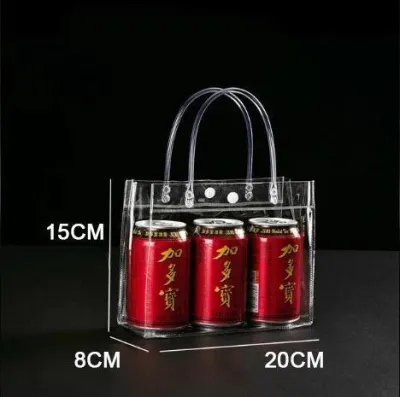
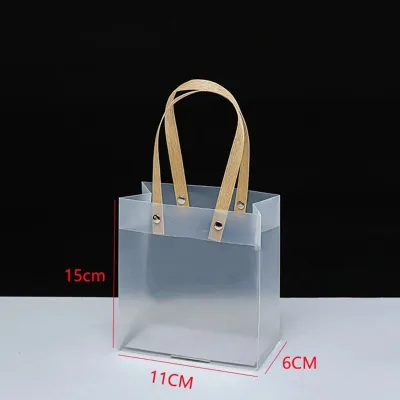
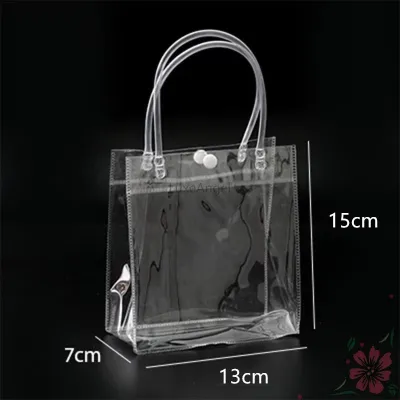
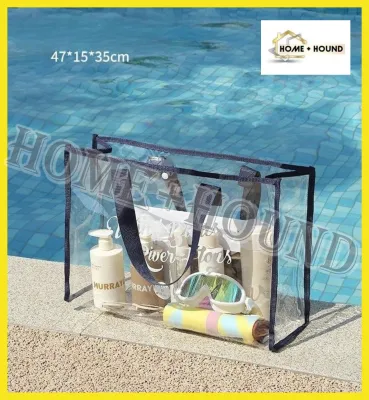
Prices are valid at publication and may change. Please refer to the product page for the latest price.
Next, gather your internal lining and decorative accessories to complete the presentation. Tissue paper, shredded raffia, and crinkle cut paper are excellent choices for creating a soft barrier that protects your items while adding a vibrant pop of color. Choose compatible sealing and decorative accessories like ribbons, twine, tags, or stickers that align with the gift theme. When selecting stickers or adhesive labels, verify their compatibility with PVC surfaces by testing a small piece on an inconspicuous area first, as some adhesives may slide off smooth plastic or leave a stubborn residue if repositioned.
Step-by-Step Guide to Arranging Items Inside the Bag
The key to an attractive transparent gift bag is a structured, balanced arrangement that keeps the contents from shifting during transit. Begin by laying down a generous base layer of your chosen cushioning material, such as crinkle cut paper or folded tissue paper, at the very bottom of the PVC bag. This base acts as a shock absorber for your items and raises them slightly, ensuring that smaller objects are not hidden by the bottom seams or folds of the bag. Press the filler down gently to create a flat, stable foundation that can support the weight of the gifts.

Once the base is set, begin positioning your gift items according to their height and visual weight. Place the tallest and heaviest items at the back of the bag to establish a strong backdrop, and arrange shorter, lighter items toward the front, ensuring the most attractive side faces the transparent front. Fill any remaining empty gaps with additional lining or smaller filler items to prevent movement during transport or handling. A well-packed bag should feel compact and secure, with every item clearly visible and held firmly in its designated spot.
Sealing and Finishing the Presentation
The method you use to close your clear PVC bag depends largely on its built-in closure design. Many PVC gift bags come equipped with convenient top closures such as adhesive strips, plastic zippers, or metal snap buttons, which provide a clean and secure seal with minimal effort. If your bag features an adhesive strip, peel the protective backing off slowly and press the flap down firmly from the center outward to avoid trapping air bubbles. For open-top PVC bags that lack built-in closures, you can fold the top edge over neatly and secure it with a strip of clear double-sided tape or a decorative sticker.
Once the bag is securely sealed, you can focus on adding external decorative elements to personalize the presentation. Attach ribbons, twine, or customized tags to the handles or sealing area to add a personalized decorative touch. The final step in the presentation process is ensuring the absolute clarity of the PVC material. Because PVC is highly polished and transparent, it easily picks up fingerprints, smudges, and fine dust particles during the assembly and arranging process. Take a clean, soft, dry microfiber cloth and gently wipe down the entire exterior and interior upper edges of the bag to remove any oils and restore its brilliant, glass-like shine.
Adapting the Wrap for Different Gift Types
Different types of gifts require specific adjustments to your wrapping strategy to ensure they remain safe, stable, and visually appealing. When wrapping fragile items such as delicate glassware, ceramic mugs, or scented candles, standard paper fillers may not offer enough protection. In these cases, consider wrapping the fragile item itself in a layer of bubble wrap or thick decorative tissue paper before placing it on top of a dense bed of crinkle cut paper inside the PVC bag. Position these delicate items in the center of the bag, surrounded by softer items, to prevent them from knocking directly against the rigid plastic walls.
For irregularly shaped or unusually heavy objects, conduct a quick weight check and reinforce the handles or sealing edges to prevent tearing. You can do this by cutting a piece of thick cardboard to the exact dimensions of the bag’s bottom, wrapping it in matching wrapping paper, and placing it inside as a rigid floor insert. When packaging multiple small items, such as stationery sets or cosmetics, use grouping and visual balancing strategies to avoid a cluttered appearance. Use small, shallow trays or mini organza pouches to group related items together before placing them inside the clear PVC bag. Whether you are wrapping a simple token worth ₱50 or a premium curated set, keeping the color scheme of your fillers and containers consistent maintains a cohesive, professional aesthetic.
Maintaining and Reusing Clear PVC Bags
One of the greatest advantages of clear PVC bags is their durability, which allows them to be reused multiple times for storage or future gift-giving. To keep these bags looking their best, identify surface smudges that can be safely cleaned and use mild, non-abrasive wiping methods to avoid scratching the material. Use a damp, soft cloth dipped in a mixture of water and a tiny drop of gentle dish soap to clean the surface. Avoid using harsh chemical solvents, alcohol-based cleaners, or abrasive scrubbing pads, as these can permanently cloud, scratch, or degrade the smooth PVC material.
Proper storage is equally critical to preserving the shape and clarity of unused or reclaimed PVC bags. Store unused or reclaimed PVC bags flat or loosely rolled in a cool environment to prevent permanent creases or heat deformation. Before reusing a PVC bag for a new gift presentation, evaluate the bag for signs of aging, yellowing, or tearing to determine when it is no longer suitable for gift presentation. If the bag shows significant yellowing, deep scratches, or persistent cloudiness that cannot be cleaned away, it is best to retire it from gift-giving duties and repurpose it for household organization.
Frequently Asked Questions (FAQ)
Can I use a heat sealer to close a clear PVC bag?
Standard household heat sealers are generally not recommended for closing clear PVC bags. Because PVC is a relatively thick and heat-sensitive material, standard sealers can easily melt through the plastic, warp the edges, or release unpleasant chemical odors due to the high temperatures required. If you must use heat sealing equipment, ensure it is a specialized, low-temperature sealer designed specifically for PVC, and always work in a well-ventilated area. For most gift-wrapping purposes, physical closures like adhesive strips, decorative tape, ribbons, or snap buttons are much safer, easier, and more visually appealing.
How do I prevent condensation or fogging inside the bag?
Condensation and fogging occur when there is a temperature difference between the inside and outside of the PVC bag, especially in high-humidity environments. To prevent this moisture buildup from obscuring the view of your gift, always wrap and seal your gifts at room temperature in a dry, air-conditioned space. Ensure that all items, including wooden elements, paper fillers, and fabric ribbons, are completely dry before placing them inside the bag. If you are gifting items that naturally retain moisture, such as fresh flowers or potted plants, avoid sealing the top of the bag completely to allow for natural air circulation.
Are clear PVC bags safe for wrapping food gifts?
Standard decorative PVC bags are typically not food-grade and should not come into direct contact with unpackaged food items. The chemicals used to make PVC flexible can transfer to food, posing potential health risks. If you want to use a clear PVC bag to present edible gifts like cookies, candies, or baked goods, always seal the food items inside food-safe cellophane bags, glass jars, or food-grade plastic containers first. Once the food is safely wrapped in a certified food-safe barrier, you can place the containers inside the decorative PVC bag for a beautiful and safe presentation.
Community discussion
Share your experience or ask a question. Comments are reviewed before publication.