
To properly wrap pallets with stretch film and prevent load shifting during transit, you must secure the load directly to the wooden pallet base, maintain consistent tension throughout the wrapping process, and apply a systematic spiral pattern with a 30% to 50% overlap between layers. This creates a unified, rigid structure that resists the forces of acceleration, braking, and cornering during transport. By mastering the correct hand-wrapping technique, you protect your inventory from damage, reduce material waste, and ensure warehouse safety.
Unitizing a pallet load transforms individual boxes or items into a single, cohesive unit. When done correctly, the stretch film acts as a continuous elastic band, absorbing vibrations and impacts. This guide provides a comprehensive, step-by-step methodology to prepare, wrap, and secure your palletized goods using standard hand-applied stretch film.
Preparation and Safety Checks Before Wrapping
Before reaching for a roll of stretch film, inspect the wooden pallet itself. Look for cracked deck boards, loose nails, or structural instability that could compromise the load. Stack heavier items at the bottom of the pallet to establish a low center of gravity. Ensure the boxes are aligned flush with one another, avoiding any overhang. Overhanging boxes are highly susceptible to crushing and reduce the overall stacking strength of the pallet.
Products mentioned in this guide
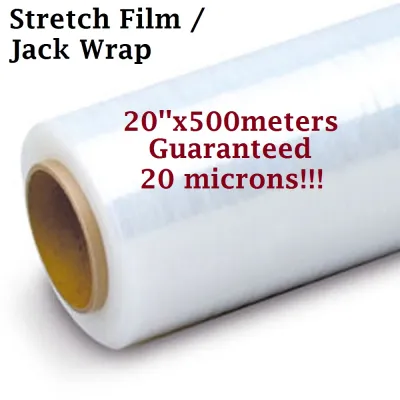
122 Lazada user ratings
Antagal dumating. Wala sa expected delivery date.I’ve seen it on the delivery history namasyal sa bulacan from QC bago nakarating sa Mandalu…Read full reviewShow less
Antagal dumating. Wala sa expected delivery date.I’ve seen it on the delivery history namasyal sa bulacan from QC bago nakarating sa Mandaluyong
Durability: .......................looks durable......... Clarity: very clear....................... Ease of Use: easy
Ease of Use:good Durability:good Clarity:good nice ang item nagustuhan ng asawa ko sya kc gagamit nyan legit seller
great value for money Clarity:should last me a very long time. pretty strong also dkes not tear easily
Received my order on time and in good condition, well packed 👍👍👍 Thank you seller and delivery rider 👍 👍👍👍👍
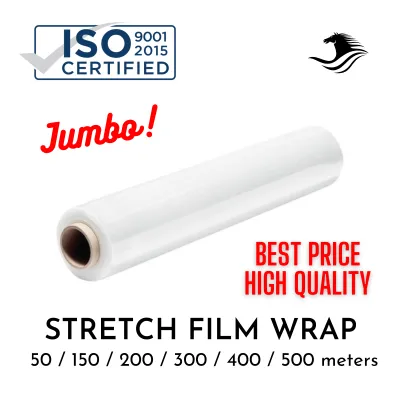
1,119 Lazada user ratings
Efficient packaging solution., Great value for the price., Convenient size for various packaging needs., Provides a tight and secure wrap., …Read full reviewShow less
Efficient packaging solution., Great value for the price., Convenient size for various packaging needs., Provides a tight and secure wrap., High-quality material for reliable protection., Ideal for shipping and storage., Durable stretch film for secure packaging., Perfect for pallet wrapping.,
Durable stretch film for secure packaging. Efficient packaging solution. Easy to use and handle. Perfect for wrapping of many files and stor…Read full reviewShow less
Durable stretch film for secure packaging. Efficient packaging solution. Easy to use and handle. Perfect for wrapping of many files and storybooks.
Received package just in time well package with bubble wrappers intact start to use it good as of now value for the money
Provides a tight and secure wrap., Efficient packaging solution., looks okey. Good for packaging items for shipping.
Strong adhesive for a secure wrap., Efficient packaging solution., Durable stretch film for secure packaging.,
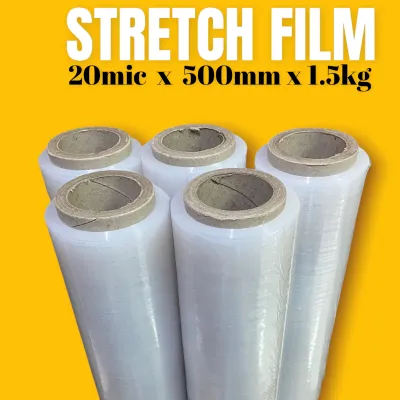
7,066 Lazada user ratings
Strong and tear-resistant, Easy to use and handle, Securely wraps and protects items, Convenient size for wrapping, Yahweh mush njgbah nugah…Read full reviewShow less
Strong and tear-resistant, Easy to use and handle, Securely wraps and protects items, Convenient size for wrapping, Yahweh mush njgbah nugah mga nvhha nbhah
Ease of Use:10/10 Durability:0/10 Clarity:10/10 what you see is what you get certainly will order again fast delivery and well packed
what you see is what you get,, super affordable ang price, fair pricing, fast delivery, courteous ang courier. more sales
napakaayos ang package ng items .medyo manipis yung na order ko ..pero ok n yun nextime nlang ulit .salamat seller
Useful tlga sya..maganda at mura dto sa shop na to..Salamat po
Prices are valid at publication and may change. Please refer to the product page for the latest price.
Choose the right stretch film gauge and width based on the weight and profile of your load. Standard hand films typically range from 12 to 20 microns. Lighter, uniform loads can be secured with thinner films, while heavy, irregular, or sharp-edged loads require thicker, puncture-resistant films. Always refer to the manufacturer’s label on the film packaging to verify the recommended weight limits and stretch capacities.
Gather all necessary equipment before starting. A quality hand film dispenser with an adjustable brake helps control tension and protects your hands from friction heat. Wear heavy-duty safety gloves to prevent blisters and cuts from the cardboard or film edges. Keep a safety utility cutter nearby to slice the film cleanly at the end of the process. Clear the surrounding floor space of debris, dust, and other hazards, ensuring a flat, unobstructed workspace where you can walk 360 degrees around the pallet without tripping.
Step-by-Step Pallet Wrapping Technique
Securing a pallet successfully relies on a systematic, continuous motion that builds strength from the ground up. The process begins with anchoring the film to the pallet base, moves into a progressive spiral up the sides, reinforces the top corners, and finishes with a downward spiral to double the structural integrity.

Maintaining a steady, deliberate walking pace around the pallet is essential. Sudden jerks or pauses can cause uneven tension, leading to loose pockets or premature film breakage. By keeping your body positioned correctly and moving smoothly, you apply uniform pressure across all sides of the load, ensuring no single corner becomes a weak point during transit.
Securing the Base and Initial Layers
The foundation of a secure pallet load is the connection between the goods and the wooden pallet itself. To begin, pull approximately one meter of stretch film from the roll and twist it slightly to form a rope-like tail. Tie this tail securely around one of the corner blocks or deck boards of the wooden pallet. Alternatively, tuck the film tail firmly between the bottom layer of boxes and the pallet deck, ensuring it is held tight by the weight of the load. This anchor point prevents the film from slipping when you begin to apply tension.
Once the anchor is secure, begin wrapping the bottom of the pallet. You must wrap the base at least three to four times, ensuring the film covers both the lower edge of the bottom boxes and the top edge of the wooden pallet. This physical overlap is what locks the load to the pallet. If you only wrap the boxes, the entire stack can easily slide off the wooden base during sudden forklift stops or sharp turns on a delivery truck.
As you complete these initial base layers, perform an observable check to ensure the bottom edge is fully sealed. The film should form a tight, continuous barrier around the lower perimeter. This barrier helps prevent moisture, road spray, dust, and pests from entering the bottom of the load during transit or long-term warehouse storage.
Applying the Spiral and Cross-Layer Patterns
With the base securely anchored, transition into the upward spiral wrap. Walk slowly around the pallet in a forward-facing direction, holding the dispenser firmly. Angle the roll slightly upward to guide the film in a gradual, ascending spiral. Each rotation must overlap the previous layer to build a continuous, interlocking sleeve around the boxes. Keep your eyes on the corners of the load, as these are the points where the film experiences the highest friction and tension.
When you reach the top half of the pallet, implement a cross-layer or figure-eight wrapping technique to bind the upper boxes together. Tall or uneven loads are highly prone to toppling because the top layers experience the greatest sway during transit. By crossing the film diagonally over the top corners or applying extra horizontal layers at the very top, you create a secure cap that prevents individual boxes from shifting outward.
After securing the top section, do not stop there. Reverse the angle of the film roll and begin spiraling back down toward the base. This downward pass creates a double-layered, crisscross pattern that significantly increases the load’s resistance to shear forces. Continue the downward spiral until you reach the pallet base, ensuring the entire load is encased in a robust, multi-layered protective wrap.
Controlling Tension and Overlap Percentage
Managing film tension is a balancing act that requires physical feedback and visual monitoring. To maximize the holding force of the stretch film, you must pull the film taut as you walk around the pallet. Many modern stretch films feature printed visual stretch indicators, such as small grid patterns or logos, that deform when the film reaches its optimal stretch percentage. If your film does not have these indicators, gauge the tension by feeling the physical resistance of the roll; the film should feel firm and snug against the boxes without snapping.
Maintain an overlap of 30% to 50% on each consecutive rotation for standard, uniform loads. For heavier or highly irregular loads, increase the overlap to 50% or more, or refer to the film manufacturer’s specific guidelines for heavy-duty applications. Consistent overlap ensures there are no thin, single-layer gaps that could tear under stress.
Adjust your tension based on the nature of the items being wrapped. For fragile goods or lightweight corrugated boxes, reduce the tension slightly to avoid crushing the delicate cardboard walls or damaging the products inside. For heavy, rigid items like metal parts or dense wooden crates, apply maximum tension to utilize the full elastic recovery of the stretch film, ensuring a rock-solid hold.
Finishing the Wrap and Securing the Film Tail
Once you have completed the downward spiral and returned to the base, it is time to finish the wrap. Use your safety utility cutter to slice the film cleanly, leaving a tail of approximately 30 to 40 centimeters. Avoid tearing the film by hand, as this can create jagged edges that easily unravel. Take the cut tail and tuck it firmly under one of the previous layers on the side of the pallet, or press it flat against the wrapped surface. The natural cling properties of quality stretch film will hold the tail in place. If you are using a non-cling film or wrapping in extremely cold environments, secure the tail with a strip of packaging tape or use a heat gun to lightly fuse the layers together, following the manufacturer’s instructions.
Before moving the pallet, perform a physical stability test. Gently push the top and middle sections of the load with your hands. The entire pallet, including the wooden base, should move as a single, rigid unit. If you observe any independent shifting, wobbling, or loose pockets of film, the load is not secure and must be reinforced with additional layers of film.
Finally, prepare the pallet for warehouse routing and shipping. If the load requires shipping labels, packing slips, or inventory barcodes, apply them to a flat, unwrinkled section of the stretch film. Placing labels on smooth surfaces ensures they remain legible and easily scannable by warehouse personnel and automated sorting systems. Avoid placing labels over deep folds or corners where they might become distorted or torn during handling.
Identifying Common Wrapping Mistakes and Troubleshooting
One of the most frequent mistakes in pallet wrapping is applying an insufficient number of base wraps. When operators rush the process, they often fail to properly anchor the film to the wooden pallet. During forklift transport, the sudden stops and starts generate significant inertia. Without a strong base anchor, the entire stack of boxes can slide completely off the wooden pallet, causing severe product damage and safety hazards on the warehouse floor. If you notice the film riding up above the wooden deck during your initial wraps, stop and adjust your angle to ensure the wood is securely captured.
Inconsistent tension is another common issue that compromises load integrity. If the tension is too loose at the top, the upper boxes will sway and rub against each other, leading to scuffed packaging or collapsed stacks. Conversely, if the tension is too high in the middle, the film can crush the corrugated walls of the boxes, damaging the contents inside. To troubleshoot this, regularly inspect the shape of your wrapped pallets. If you see “hourglassing”—where the middle of the stack is squeezed inward—reduce the tension on the middle layers while maintaining a firm wrap at the top and bottom.
Film breakage during the wrapping process can be highly frustrating and often indicates an underlying issue. If the film snaps repeatedly, check the roll for nicks, cuts, or manufacturing defects along the edges. Sharp corners on the pallet load can also puncture the film, causing it to tear under tension. If you encounter sharp edges, place cardboard corner protectors over the sharp areas before wrapping. If the film breaks mid-wrap, do not simply tie the broken ends together and continue. Instead, overlap the broken section by at least two full rotations to ensure the structural integrity of the wrap is not compromised.
Frequently Asked Questions (FAQ)
How many layers of stretch film are needed for a standard pallet?
The number of layers required to secure a standard pallet depends on the total weight of the load and the micron thickness of the stretch film. Generally, lighter loads (under 500 kg) wrapped with a standard 15-micron film require two to three layers around the body. Heavy or irregular loads (over 500 kg) may require four or more layers to prevent shifting. Always check the film manufacturer’s recommended layer count printed on the product label or packaging, as advanced high-performance films may offer equivalent strength with fewer layers. As a practical check, the wrapped load should appear uniformly covered and feel firm to the touch, with no visible weak spots or loose film.
Should the stretch film cover the entire wooden pallet base?
Yes, the stretch film must wrap securely around the wooden pallet base to physically lock the load to the pallet structure. Wrapping only the boxes allows the entire stack to slide off the wood during sudden stops, turns, or forklift maneuvers. The film should catch at least 5 to 10 centimeters of the wooden pallet’s top deck and corner blocks. The only exception to this rule is when using specific slip-sheet setups or specialized plastic pallets designed for unitized loads without a traditional wooden base, where alternative securing methods are specified by the logistics coordinator.

Community discussion
Share your experience or ask a question. Comments are reviewed before publication.