
Quick Answer: Choosing Your Ideal Notebook Paper Weight
Choosing the right notebook paper weight is a balance between your preferred writing tools and how you carry your notes. If you want a versatile, everyday notebook that handles gel pens and rollerballs without becoming too bulky to carry in your bag, intermediate paper (80 to 100 GSM) is your optimal choice. It offers a reliable middle ground, resisting most ink ghosting while remaining light enough for daily commutes.
For those who prioritize maximum page count and ultra-light portability, lightweight paper (under 75 GSM) is ideal, though it is best paired with standard ballpoints or pencils. Conversely, if you write with wet fountain pens, heavy markers, or light watercolor washes, heavyweight paper (above 100 GSM) provides the necessary thickness to prevent bleed-through, albeit in a thicker, heavier notebook. Ultimately, matching your paper weight to your daily writing instrument and carrying habits ensures a smooth, frustration-free writing experience.
Understanding Paper Weight and GSM in Notebooks
To make an informed decision when browsing local stationery shops or online marketplaces, you must first understand how paper is measured. The universal standard for paper weight is Grams per Square Meter, commonly abbreviated as GSM. This metric measures the weight of a single sheet of paper measuring one square meter. A higher GSM indicates a denser, thicker sheet of paper, while a lower GSM indicates a thinner, more delicate sheet.
Products mentioned in this guide
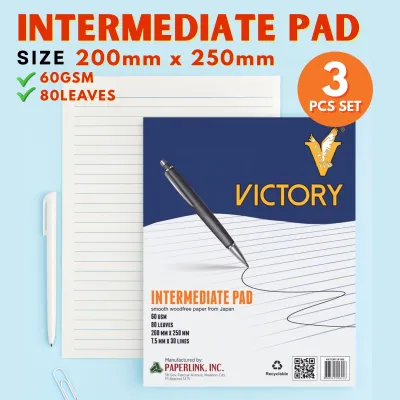
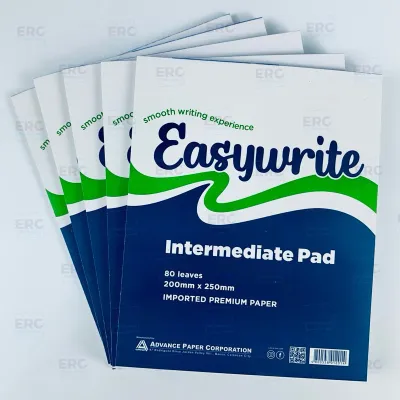
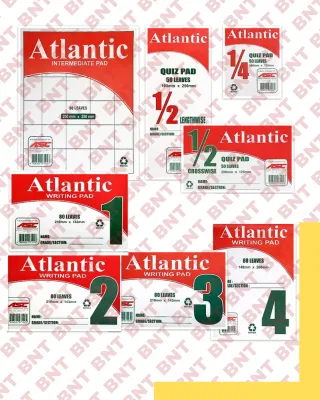
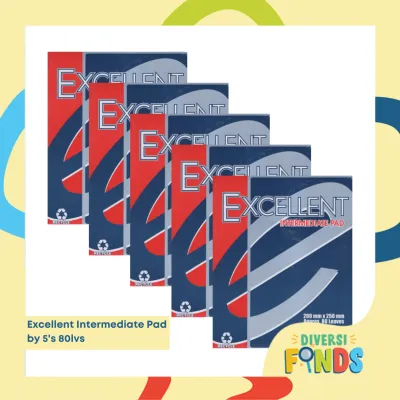
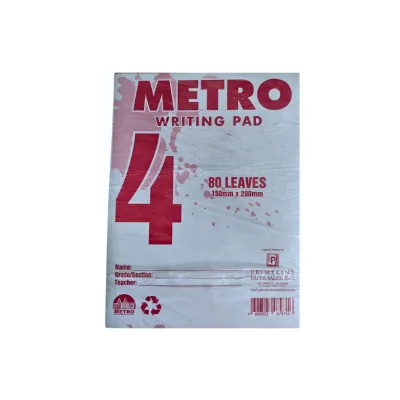
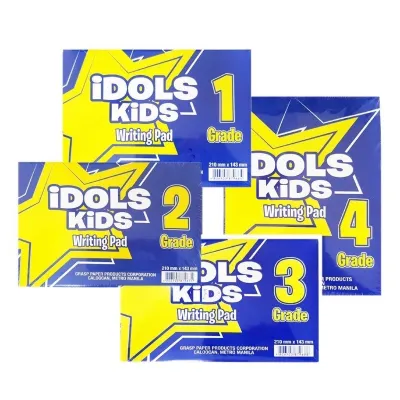

Prices are valid at publication and may change. Please refer to the product page for the latest price.

Lightweight paper typically falls below 75 GSM. You often find this in pocket-sized travel journals, airmail stationery, or high-capacity planners. Because the sheets are thin, they have a distinct, slightly crinkly texture and allow manufacturers to pack hundreds of pages into a slim profile. However, this thinness makes the paper highly translucent, meaning writing on one side is often visible from the other.
Intermediate paper ranges from 80 to 100 GSM. This is the standard weight for most high-quality school and office notebooks, loose-leaf refills, and professional journals. It strikes a deliberate balance, providing enough density to handle standard liquid inks while keeping the notebook compact enough to slip into a backpack or tote bag.
Heavyweight paper refers to anything above 100 GSM, often extending up to 160 GSM or more in specialized art journals. This paper feels substantial, almost like cardstock, and offers maximum opacity. It is designed to withstand heavy ink saturation without warping or tearing, making it a favorite for creative journaling, sketching, and mixed-media projects.
In tropical climates like the Philippines, environmental factors also play a role in how these weights behave. High relative humidity can cause paper fibers to absorb ambient moisture, making thin sheets feel limp and increasing their susceptibility to ink feathering. Understanding these baseline categories helps you anticipate how a notebook will perform in your specific environment.
Comparing Light, Intermediate, and Heavy Paper
When evaluating notebook paper, several practical performance dimensions dictate your daily writing experience. These include ink resistance, physical bulk, and pen compatibility.
Ink Bleed-Through and Ghosting Resistance Bleed-through occurs when ink penetrates entirely through the sheet, appearing as spots or pools on the reverse side. Ghosting, or show-through, refers to the shadow of your writing visible through the paper without the ink actually breaking the surface. Lightweight paper offers minimal resistance to both; wet gel pens and rollerballs will almost certainly ghost, and fountain pens may bleed. Intermediate paper significantly reduces ghosting and generally prevents bleed-through with standard gel and ballpoint pens. Heavyweight paper provides the highest resistance, allowing you to use wet inks, broad markers, and even light brush pens with virtually zero ghosting.
Notebook Bulk and Portability The physical weight of your notebook is a major consideration if you commute daily or travel frequently. A 200-page notebook made of lightweight paper is remarkably thin and easy to carry. If you transition that same 200-page count to heavyweight paper, the notebook becomes double or triple the thickness and significantly heavier, adding noticeable bulk to your bag. Intermediate paper keeps the notebook manageable, allowing for a generous page count without making your daily carry feel like a textbook.
Pen and Ink Compatibility Your choice of writing instrument should directly influence your paper selection. Standard ballpoint pens and pencils work exceptionally well on lightweight paper because they do not deposit large amounts of liquid ink. Gel pens, rollerballs, and fine-liner markers require the sturdier surface of intermediate paper to prevent the ink from spreading or soaking through. Fountain pens, calligraphy nibs, and alcohol-based markers demand heavyweight paper, as their high ink flow requires dense fibers to keep the lines crisp and prevent feathering.
| Feature | Lightweight Paper (<75 GSM) | Intermediate Paper (80–100 GSM) | Heavyweight Paper (>100 GSM) |
|---|---|---|---|
| Common Uses | Pocket journals, high-page planners, airmail | Daily note-taking, office work, school notebooks | Art journals, bullet journaling, sketching |
| Best Pen Matches | Ballpoint pens, pencils, fine gel pens | Gel pens, rollerballs, standard fountain pens | Fountain pens, markers, brush pens, light watercolor |
| Ghosting Resistance | Low (high show-through) | Moderate (minimal show-through) | High (virtually no show-through) |
| Bleed-Through Risk | High with wet inks | Low with standard office pens | Extremely low |
| Portability | Excellent (very light and thin) | Good (balanced weight and thickness) | Fair (bulky and heavy in high page counts) |
While these categories provide a reliable baseline, remember that paper chemistry, surface coatings, and fiber sourcing can alter these expectations. A high-quality, coated intermediate paper can sometimes resist ink bleed-through better than a poorly manufactured, uncoated heavyweight paper.
How to Choose the Right Weight for Your Needs
Selecting the right paper weight requires analyzing your daily routine, your preferred writing tools, and your environment.
If your primary goal is ultra-portability, lightweight paper is your best match. This option is highly suited for students or professionals who carry multiple notebooks or planners throughout the day. If you primarily write with standard ballpoint pens, mechanical pencils, or extra-fine gel pens, you will rarely experience issues with ghosting or bleeding. The thin profile allows you to keep a comprehensive, multi-month planner or a thick journal in your bag without adding unnecessary physical strain during your commute.
If you need a versatile, multi-purpose notebook, intermediate paper is the most practical choice. It accommodates the widest variety of writing instruments, from standard office gel pens to fine-tip rollerballs. You can write quickly on both sides of the page without distracting show-through, making it ideal for lecture notes, meeting minutes, and daily journaling. It offers a comfortable, smooth writing surface that feels substantial under your pen without making the notebook too heavy to carry around.
If you are a creative planner, artist, or fountain pen enthusiast, heavyweight paper is essential. The thick sheets provide a luxurious, stable canvas that handles wet inks, layering, and shading beautifully. While the resulting notebook will be thicker and contain fewer pages for the same physical volume, the compromise is worth it for the pristine, bleed-free results.
Before making your final choice, verify if the manufacturer mentions specific paper treatments. In humid environments, ink drying times can slow down significantly. Coated papers, while excellent for preventing ink feathering, may extend drying times even further on intermediate and heavyweight sheets. If you write quickly or are left-handed, look for uncoated or fast-drying paper options within your chosen weight class to avoid smudging.
What to Verify Before Buying a Notebook
To ensure you get the exact writing experience you want, look beyond generic marketing terms and perform a few quick checks before purchasing.
First, always look for the specific GSM rating in the product specifications. Terms like “thick paper,” “premium quality,” or “heavyweight” are subjective and vary widely between brands. A notebook marketed as “thick” might only be 80 GSM, which is standard intermediate paper, while another might be 120 GSM. Knowing the exact number gives you a reliable standard of comparison.
Second, read user reviews specifically searching for feedback on ink behavior. Look for mentions of the exact pen types you plan to use, such as “fountain pen friendly,” “no gel pen bleed,” or “minimal ghosting.” This real-world feedback is invaluable, as it reveals how the paper’s sizing and coating perform under actual writing conditions.
Third, consider how the paper weight interacts with the notebook’s binding. Heavyweight paper requires robust binding, such as thread sewing or twin-ring spirals, to lay completely flat. If a notebook uses a tight glued binding with very thick paper, it may resist staying open, making it difficult to write near the margins. Conversely, lightweight and intermediate papers are more flexible and generally lay flat more easily, regardless of the binding style.
Finally, pay attention to the paper finish. Smooth, satin-like finishes slow down ink absorption, which keeps lines sharp but increases drying times. Vellum or textured finishes absorb ink faster, reducing drying times but potentially causing slight feathering with wet pens. Testing a small, inconspicuous corner of a page with your favorite pen is always the safest way to verify compatibility before committing to a full notebook.
Frequently Asked Questions (FAQ)
Is 80 GSM paper considered intermediate or light?
Yes, 80 GSM is widely considered the baseline for standard intermediate paper in notebooks. While it is thicker and more robust than typical 60 or 70 GSM lightweight copy paper, it remains thinner and more flexible than premium 100+ GSM options. It represents the entry point for reliable double-sided writing with standard office pens.
Does heavier paper always mean better quality?
Not necessarily. Paper quality is determined by a combination of fiber density, raw materials, and surface sizing (coatings), not just weight. A well-engineered 80 GSM intermediate paper with a high-quality coating can resist ink feathering and bleed-through far better than a poorly manufactured 120 GSM heavyweight paper that lacks proper sizing. Choose your paper based on its specific treatment and compatibility rather than GSM alone.
Can I use fountain pens on intermediate paper?
Yes, you can use fountain pens on intermediate paper, but performance depends heavily on your specific pen and ink setup. Fine or extra-fine nibs paired with drier inks generally perform well on 90 to 100 GSM intermediate paper. However, wet, broad nibs or highly saturated inks may cause slight ghosting or minor bleed-through. It is always best to perform a small trial on a back page to check for feathering before writing extensively.
Community discussion
Share your experience or ask a question. Comments are reviewed before publication.