
An Enya acoustic guitar can be a deeply thoughtful and memorable Christmas gift for your partner, provided the instrument matches their current skill level, physical comfort, and musical aspirations. Gifting a musical instrument shows a high level of personal support for their creative journey, but it also requires careful consideration of practical factors like space, maintenance, and playability. By evaluating their musical background and selecting the right specifications, you can transform a large holiday box into a gateway for years of musical enjoyment.
Evaluating an Enya Acoustic Guitar as a Holiday Gift
Before purchasing an instrument, it is essential to assess where your partner stands on their musical path. If they are a complete beginner who has only expressed a passing interest, a starter acoustic guitar is a low-pressure way to explore a new hobby. For casual players who already know a few chords, a reliable instrument can rekindle their passion. However, if your partner is an experienced musician with highly specific preferences regarding tone woods, neck profiles, and action height, buying a guitar without their direct input can be risky. In such cases, involving them in the selection process or presenting a thoughtful gift certificate for a joint shopping trip might be more appropriate than a surprise.
You must also consider the practical commitment of owning an acoustic guitar. Learning to play requires dedicated practice time and a suitable physical space in your home. In the Philippines, the tropical climate and high relative humidity can significantly affect traditional wooden instruments, causing wood to swell, warp, or crack over time. While some modern instruments utilize composite materials that are more resilient to these environmental changes, any guitar still requires basic care and storage. Ensure your partner has the physical space for a stand or a gig bag, and consider whether they have the time to commit to regular practice. A guitar should feel like an open door to creativity, not an overwhelming obligation or a source of guilt if it sits unused in a corner.
Products mentioned in this guide
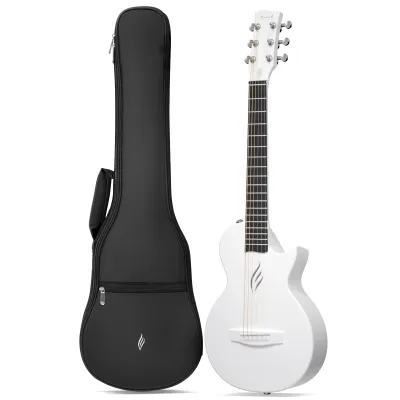
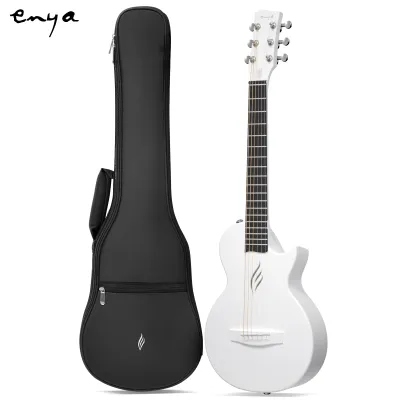
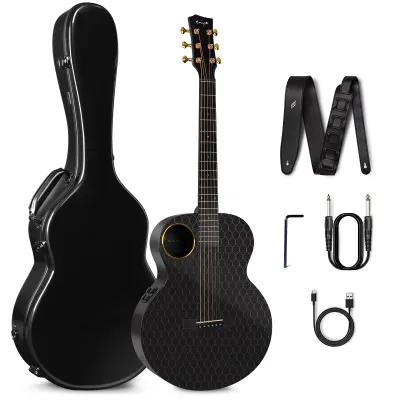
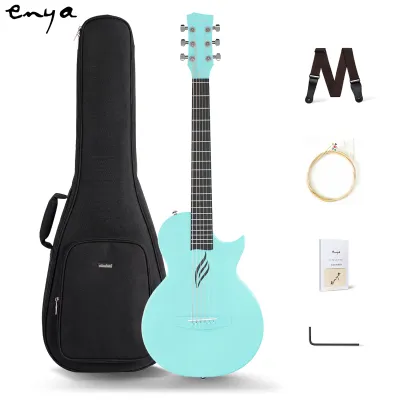
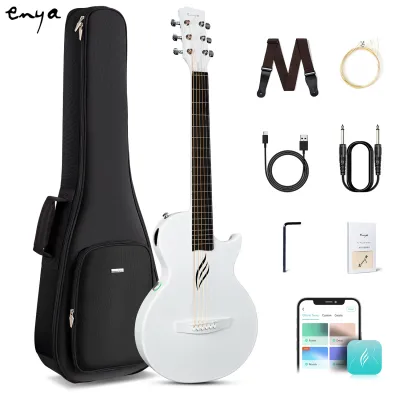
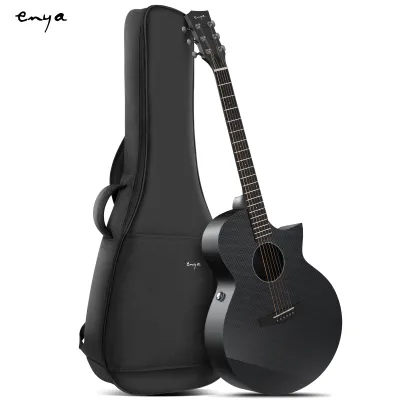
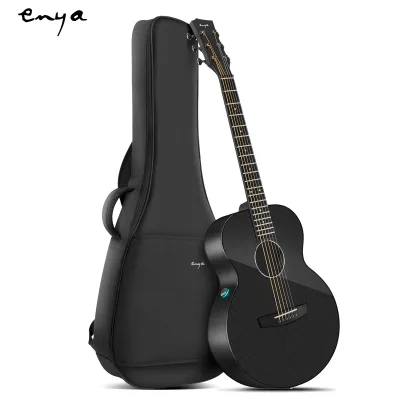
Prices are valid at publication and may change. Please refer to the product page for the latest price.
Matching the Guitar Specifications to Your Partner
Selecting the right guitar requires looking closely at the physical specifications to ensure a comfortable playing experience. Acoustic guitars come in various body shapes and scale lengths, which directly impact how the instrument feels in a player’s arms. For partners with smaller frames or those who travel frequently, a compact or travel-sized guitar offers excellent portability and a more manageable reach across the fretboard. Conversely, a full-sized dreadnought or auditorium shape provides a fuller, louder sound but may feel bulky for some players. Check the manufacturer’s specification sheet for dimensions and weight to find a balance between physical comfort and acoustic resonance.

Another critical decision is the choice of strings, which are typically divided into steel and nylon. Steel strings are standard on most traditional acoustic guitars, producing a bright, crisp tone suitable for pop, folk, and rock. However, they require more finger strength and can cause initial discomfort for beginners. Nylon strings, found on classical guitars, are much softer on the fingertips and produce a warm, mellow tone, making them highly approachable for new players. Review the product label carefully to confirm which string type the guitar is designed to support, as putting steel strings on a guitar built for nylon can cause severe structural damage due to the higher tension.
Finally, do not overlook your partner’s dominant hand. If your partner plays with their dominant hand on the fretboard (meaning they pluck or strum with their left hand), you must purchase a dedicated left-handed model. Standard right-handed guitars cannot simply be re-strung upside down without replacing the nut and saddle, as the string slots and bridge angles are specifically cut for a right-handed configuration. Confirming this detail beforehand prevents the disappointment of an unplayable instrument on Christmas morning.
Pre-Gifting Inspection and Accessory Checklist
Once the guitar arrives, perform a thorough physical inspection before wrapping it. Shipping can occasionally subject instruments to rough handling or extreme temperature shifts. Carefully unbox the guitar and check the neck to ensure it is straight and not bowed. Examine the bridge—the piece where the strings attach to the body—to verify it is securely glued with no visible gaps or lifting. Inspect the tuning pegs, frets, and nut for any sharp edges, loose hardware, or cosmetic defects. Catching these issues early allows you to arrange a replacement or professional adjustment well before Christmas Eve.
A complete gift experience often requires more than just the guitar itself. Check the product listing to see what accessories are included in the package. A basic starter kit should ideally feature a padded gig bag for protection, a digital clip-on tuner, a comfortable strap, and a few picks. If these items are not included, purchasing them separately is highly recommended. A reliable digital tuner is especially crucial, as a guitar that cannot stay in tune will quickly frustrate a beginner.
Additionally, pay close attention to the manufacturer’s instructions regarding initial setup and environmental care. In tropical regions like the Philippines, maintaining proper humidity is vital for wooden instruments. If you are gifting a traditional wood guitar, you may need to purchase a small soundhole humidifier or store the instrument in its gig bag with silica gel packets to regulate moisture. Read the included manual for recommended tuning steps, as new strings will naturally stretch and slip out of tune frequently during the first few days of use.
Presenting and Supporting the Musical Gift
Presenting a large, distinctively shaped box without giving away the surprise requires some creativity. To keep the secret safe under the Christmas tree, consider wrapping the guitar box in plain brown paper or placing it inside a larger, rectangular shipping box stuffed with packing material to disguise its shape. Alternatively, you can hide the guitar in a secure closet and present a smaller, wrapped clue—such as a guitar pick, a capo, or a custom-made coupon—that leads your partner on a festive treasure hunt to find their main gift.
To show extra thoughtfulness, pair the guitar with practical add-ons that support their learning journey. A sturdy floor stand encourages regular practice by keeping the instrument visible and easily accessible, rather than tucked away in a closet. A capo is another inexpensive but highly useful tool that allows players to change keys easily without learning complex chord shapes. You might also include a subscription to an online guitar learning platform or a book of chord charts featuring their favorite songs to help them get started immediately.
Briefly establishing a dedicated, comfortable practice space in your home can also help your partner succeed. This area does not need to be large; a quiet corner with a comfortable, armless chair (which allows free movement of the guitar body) and good lighting is sufficient. By creating an inviting environment free from major distractions, you demonstrate that you are not just gifting an object, but actively supporting their personal growth, creative expression, and musical enjoyment for the coming year.
Frequently Asked Questions (FAQ)
Do I need to tune the guitar before gifting it?
It is generally safer to keep the guitar slightly detuned while it is stored under the Christmas tree or in transit. Keeping strings at full tension during shipping or while subjected to varying indoor temperatures can put unnecessary stress on the neck and bridge. Instead, leave the strings slightly loose and tune the instrument to standard pitch right before the reveal, or make tuning the guitar a fun, collaborative first step of the unboxing experience using the included digital tuner.
What if my partner already has an acoustic guitar?
If your partner is already an active player, a second guitar can still be an excellent gift if it serves a different purpose. For example, if their current instrument is a bulky dreadnought, a compact travel guitar or a model made from durable composite materials can be perfect for outdoor trips or casual beach outings. However, if their current setup already meets all their needs, consider alternative music-related gifts such as a professional setup service at a local luthier shop, high-quality replacement strings, a premium leather strap, or home recording equipment.
Community discussion
Share your experience or ask a question. Comments are reviewed before publication.