
When looking for engaging craft materials, foam clay for kids stands out as a highly popular choice due to its lightweight texture, vibrant colors, and mess-free application. Parents frequently ask if this soft, pliable modeling material is completely safe for young artists to handle. Foam clay is generally considered safe for children when used as intended under proper adult supervision.
However, maintaining a safe play environment depends on several key factors. You must select age-appropriate products, verify certified non-toxic labels on the packaging, and ensure that children do not ingest the material. It is vital to remember that a “non-toxic” label simply means the product will not cause acute poisoning if handled properly; it does not mean the material is edible or safe to swallow.
Potential Risks of Foam Clay You Should Know
While foam clay is designed with child safety in mind, it is not entirely without risks. Understanding the realistic hazards associated with this modeling material helps you monitor playtime effectively and prevent accidents before they occur.
Products mentioned in this guide
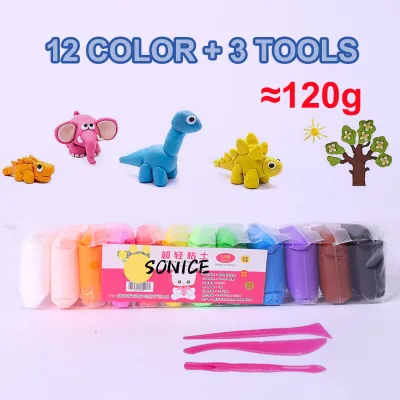
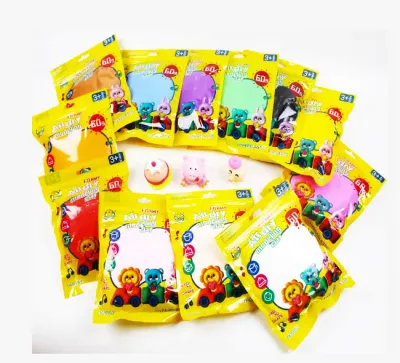
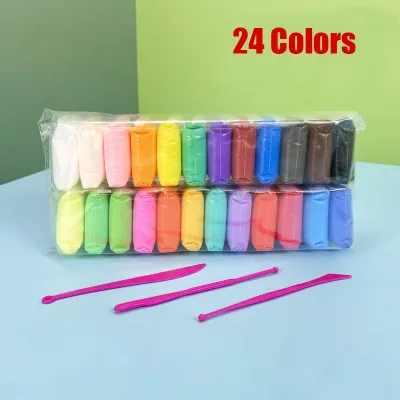
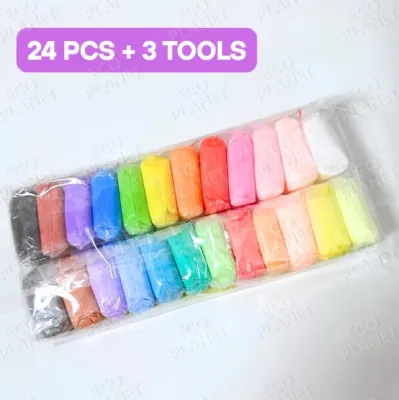
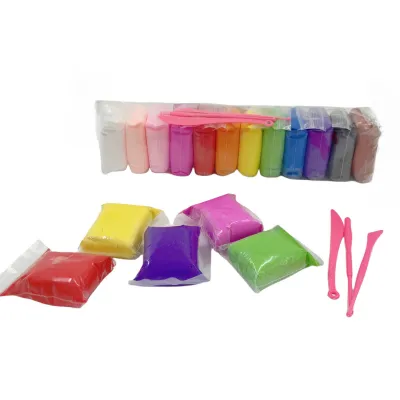

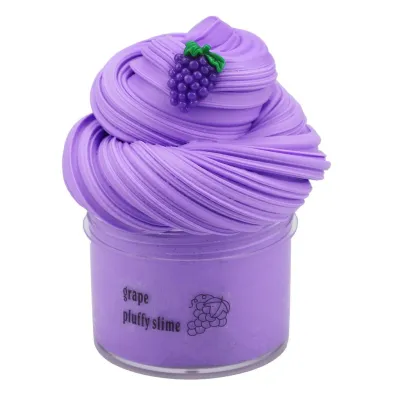
Prices are valid at publication and may change. Please refer to the product page for the latest price.
Choking and Ingestion Hazards
The physical texture of foam clay consists of tiny polystyrene beads embedded in a water-based binder. While the base chemical formula is typically formulated to be non-toxic, swallowing any amount of this material can cause physical issues. If a child swallows a significant amount of clay, it can lead to gastrointestinal blockages, stomach discomfort, or mild digestive issues.
Additionally, many retail kits do not contain just the clay itself. They often include small accessories such as plastic googly eyes, modeling tools, keychains, and decorative beads. These small pieces present a severe choking hazard, especially for children who still explore objects by putting them in their mouths.
Skin Sensitivities and Allergic Reactions
Foam clay formulations vary significantly between manufacturers. To make the clay appealing, some brands add synthetic fragrances, vibrant colorants, or specific chemical preservatives to prolong shelf life. For children with sensitive skin or pre-existing conditions like eczema, these additives can trigger contact dermatitis or mild allergic reactions.
You can minimize this risk by encouraging children to wash their hands thoroughly immediately after finishing their projects. If your child has highly sensitive skin, it is wise to perform a quick patch test by having them handle a tiny piece of the clay for a few minutes, then checking their skin for redness or irritation over the next twenty-four hours.
Mold and Bacterial Growth
Because foam clay is a water-based material containing organic binders, it is susceptible to environmental contamination. Once a package is opened and handled, bacteria and moisture from a child’s hands are introduced into the mixture. Over time, this creates an ideal breeding ground for mold and bacteria, especially when the clay is stored in warm conditions.
In tropical climates with high humidity, such as the Philippines, mold can develop rapidly inside poorly sealed containers. You should regularly inspect your child’s clay collection for visual signs of spoilage, such as dark spots, discoloration, or a fuzzy texture. A sour, musty, or unusual chemical odor is also a clear indicator that the clay has spoiled and must be discarded immediately.
How to Select Safe Foam Clay for Kids: Labels and Certifications
Navigating the toy aisle requires looking past colorful marketing claims and focusing on verified safety standards. Relying solely on vague buzzwords like “natural,” “organic,” or “eco-friendly” can be misleading, as these terms are not legally regulated for craft supplies.

- Non-Toxic Seals: Always look for recognized international safety standards on the packaging. The most common certification to look for is ASTM D-4236, which indicates that the product has been evaluated by a toxicologist and labeled in accordance with US art material safety standards. For European imports, look for the EN71 certification mark, which ensures compliance with strict toy safety regulations.
- Age Grading Warnings: Pay close attention to the age recommendation printed on the box, such as "Not suitable for children under 3 years" or "Ages 3+". These warnings are not suggestions based on a child's artistic skill level; they are legal safety requirements. If a product is marked for ages three and up, it almost always means the kit contains small parts or materials that present a choking hazard for younger toddlers.
- Ingredient Transparency: Reputable manufacturers often provide a basic list of ingredients on their packaging or make a Safety Data Sheet (SDS) available online. If your child has specific allergies—such as sensitivities to gluten, dairy, or specific synthetic dyes—checking these lists is essential. If a brand refuses to disclose its basic material composition or lacks clear contact details, it is best to choose an alternative product.
- Manufacturer Information: High-quality craft brands print clear contact information, batch numbers, and manufacturing dates on their packaging. This traceability is crucial if a product recall occurs or if you need to contact the company regarding a safety issue. Avoid purchasing unbranded, generic clay sets sold in plain plastic bags without clear labeling, as these rarely undergo rigorous safety testing.
Matching Foam Clay to Your Child's Age and Skill Level
Selecting the right type of foam clay kit depends heavily on your child’s developmental stage. Tailoring the material to their age ensures they can enjoy tactile play without encountering unnecessary physical hazards.
Toddlers and Preschoolers (Under 3)
Standard foam clay kits are highly discouraged for children under three years old. Toddlers are in a developmental phase where oral exploration is common, making the risk of choking on small clay pieces or included accessories extremely high. If you want to introduce tactile sensory play to this age group, opt for homemade, food-grade edible playdough or large-format sensory silicone blocks instead.
Early Elementary (Ages 3 to 6)
Children in this age range can safely enjoy basic foam clay sets, but they still require active adult supervision. Choose kits that feature large, solid blocks of clay and simple, blunt plastic shaping tools. Avoid any sets that come with tiny decorative accessories, such as miniature eyes or small beads, and make sure to store the clay out of reach when playtime is over.
Older Children (Ages 7+)
Older kids generally possess the fine motor skills and cognitive understanding required for complex foam clay projects. They can safely use kits that include small decorative elements, wire armatures, and specialized sculpting tools. At this stage, children can follow multi-step instructions and understand that the clay must never be put near their mouths or eyes.
Daily Habits for Safe Play and Proper Storage
Establishing simple, consistent routines around craft time keeps the play area clean and extends the usable life of your modeling materials. These daily habits help prevent bacterial contamination and keep the clay pliable for future projects.
- Preparation: Before opening any clay, have your child wash their hands thoroughly with soap and water. This simple step removes dirt, oils, and bacteria that could otherwise transfer to the clay and accelerate mold growth. It is also helpful to set up a dedicated crafting space on a clean, washable surface, such as a silicone mat or a plastic table cover, to prevent the clay from picking up household dust or pet hair.
- During Play: Enforce a strict rule that no food or drinks are allowed at the crafting table. Eating while handling foam clay increases the risk of accidental ingestion through cross-contamination. Keep a close eye on younger children to ensure they do not rub their eyes or put their clay-covered fingers near their mouths while working.
- Post-Play Cleanup: Once the crafting session is complete, have your child wash their hands again with warm water and soap. This removes any leftover residue, colorants, or fragrances from their skin. Wipe down the crafting surface and any tools used with a damp cloth to prevent dried clay particles from scattering around the room.
- Storage for Longevity: Foam clay is an air-dry material, meaning it will begin to harden as soon as it is exposed to the air. To keep unused portions soft, seal them tightly in their original airtight containers or place them inside heavy-duty zip-lock bags with all the air squeezed out. Store the containers in a cool, dry cabinet away from direct sunlight. In hot, humid regions, storing the sealed bags in a dark, dry pantry helps prevent premature drying and discourages mold spores from multiplying.
What to Do If Your Child Swallows or Reacts to the Clay
Even with careful supervision, accidents can happen. Knowing how to respond calmly and effectively ensures your child remains safe and comfortable.
Ingestion
If you suspect your child has swallowed a small piece of foam clay, do not panic. Wipe any remaining residue from their mouth and have them rinse with water. Offer them a small glass of water to help flush the material through their digestive system. Monitor them closely over the next few hours for signs of distress, such as vomiting, persistent coughing, or abdominal pain. If they have swallowed a large amount of clay, or if they exhibit any unusual symptoms, contact your pediatrician or a local poison control center immediately.
Skin or Eye Contact
If your child experiences skin irritation or redness after playing, gently wash the area with mild soap and lukewarm water, then pat it dry. For accidental eye contact, gently flush the eye with a continuous stream of clean, lukewarm water for several minutes. If irritation, redness, or discomfort persists in either the skin or eyes, seek professional medical advice.
Medical Disclaimer
Please note that the safety guidelines provided in this article are for general informational purposes only. They do not replace professional medical advice, diagnosis, or treatment. Always consult a qualified healthcare provider or emergency medical services if you have concerns about your child’s health.
Frequently Asked Questions (FAQ)
Is foam clay the same as polymer clay?
No, foam clay and polymer clay are entirely different materials with distinct properties. Foam clay is a lightweight, water-based, air-dry material that hardens naturally at room temperature. Polymer clay is an oil-based plastic (PVC) material that remains soft until it is baked in a home oven to cure. Because polymer clay requires high-heat baking and contains different chemical compounds, it is generally not recommended for unsupervised play by young children.
Can foam clay be baked in the oven to harden faster?
No, you should never bake standard foam clay in an oven or heat it in a microwave. Standard foam clay is designed strictly to air-dry at room temperature. Applying high heat to air-dry foam clay can cause it to melt, catch fire, or release toxic chemical fumes into your home. Always follow the manufacturer’s packaging instructions and allow the clay to dry naturally, which typically takes twenty-four to forty-eight hours depending on the thickness of the creation and local humidity levels.
Community discussion
Share your experience or ask a question. Comments are reviewed before publication.