
Choosing the “No Grid Survival Projects” book as an exchange gift can be an exceptionally practical choice or a complete mismatch, depending entirely on the context of your event and the recipient. In a country like the Philippines, where tropical storms, sudden power outages, and seasonal monsoon rains are part of daily life, practical self-reliance is highly valued. A book focused on off-grid survival, DIY water filtration, and emergency food storage carries a level of real-world utility that standard novelty gifts simply cannot match. However, because survivalism can be a highly specialized and sometimes intense topic, deciding whether to wrap this book for your next holiday gathering or office party requires a careful look at your specific gift exchange dynamics.
To make an informed decision, you must weigh the format of your gift exchange against the reading habits and lifestyle of your potential recipient. While some participants will find a hands-on guide to building solar heaters or rainwater collectors incredibly engaging, others might prefer more conventional, lighthearted gifts. By analyzing the physical quality of the book, understanding who will benefit most from its contents, and comparing it to reliable alternative options, you can ensure your contribution to the gift pile is both memorable and genuinely appreciated.
Evaluating a Survival Guide for Gift Exchanges
Before purchasing any book for a gift exchange, it is essential to analyze the format and underlying theme of the event. In traditional Secret Santa exchanges where you draw a specific name, you have the luxury of tailoring the gift to that person’s known interests. If your assigned recipient is an avid camper, a DIY enthusiast, or someone who loves home improvement projects, a survival guide is a highly thoughtful choice. Conversely, in a “White Elephant” or “Yankee Swap” style exchange—where gifts are drawn blindly and can be stolen by other players—highly niche books can be risky. A survival manual might sit ignored in a pile of more universally appealing items like insulated tumblers or sweet treats if the crowd is not particularly outdoorsy.
Products mentioned in this guide
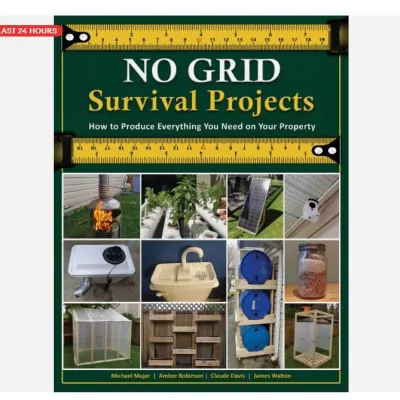
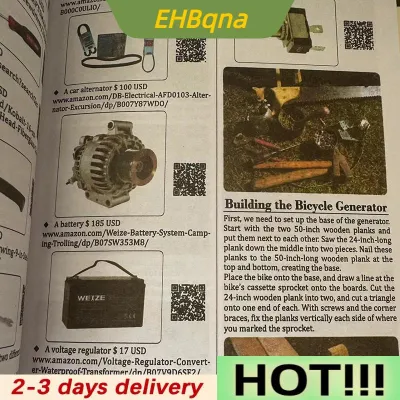
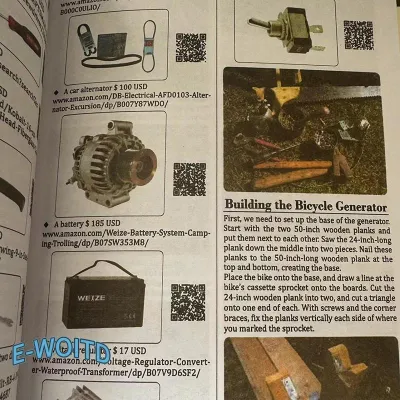
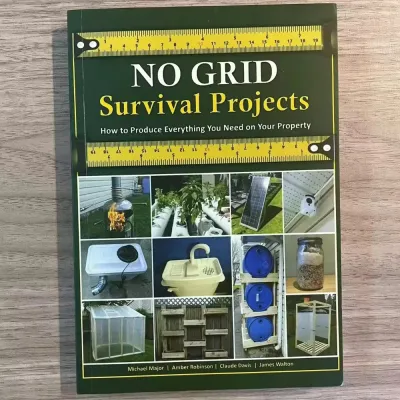
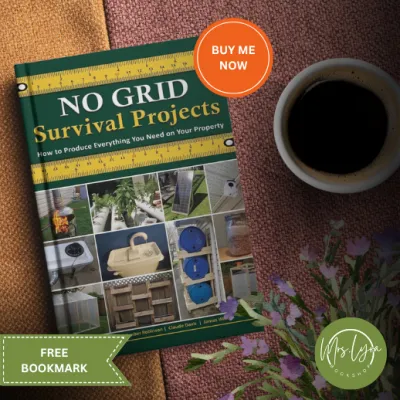
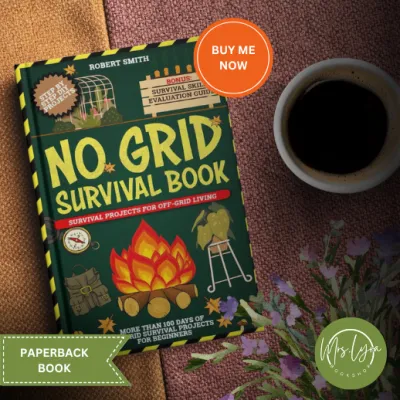
Prices are valid at publication and may change. Please refer to the product page for the latest price.
In the local context, many holiday gift exchanges, often referred to as Monito Monita, operate under specific weekly themes. If the theme of the week is “something useful,” “something sturdy,” or “something for the home,” the “No Grid Survival Projects” book fits the criteria perfectly. It represents a tangible investment in knowledge that can protect a household during unexpected utility disruptions. However, if the exchange theme leans toward humor, relaxation, or luxury, a dense manual on emergency preparedness might feel overly serious or even out of place among festive decorations and lighthearted celebrations.
Giving books as exchange gifts carries distinct advantages and disadvantages that you must balance. On the positive side, a book is a durable, screen-free source of information that can be shared among family members and kept on a shelf for years. It shows a level of intellectual consideration that generic gift cards or plastic trinkets lack. On the negative side, books require a commitment of time and attention. If the recipient is not an active reader or prefers digital formats, the book may end up as a decorative dust-collector. Furthermore, survival and off-grid living are highly specific topics; unlike general fiction or popular self-help, they appeal to a distinct mindset focused on self-reliance and manual labor.
Identifying the Right Recipient for Survival Projects
To ensure your gift does not go to waste, it helps to visualize the ideal recipient profile for a survival project book. This guide is tailor-made for individuals who love working with their hands, such as weekend woodworkers, backyard gardeners, and home improvement hobbyists. It also strongly appeals to outdoor enthusiasts who spend their free time hiking, camping, or exploring remote areas. Additionally, family heads who take emergency preparedness seriously—those who actively maintain a household “go-bag” or emergency food pantry—will find the step-by-step instructions for water collection and food preservation incredibly valuable.

On the other hand, there are several personality profiles that are highly unlikely to appreciate this genre. Minimalists who prefer to keep their living spaces free of physical clutter may find a thick paper book burdensome. Individuals who experience high levels of anxiety regarding natural disasters or global instability might find the subject matter distressing rather than empowering. Furthermore, urban dwellers living in compact high-rise condominiums with no outdoor space or access to a yard will find many of the large-scale DIY projects, such as building composting toilets or backyard root cellars, completely impractical for their living situation.
If you are preparing a gift for a blind draw where the recipient could be anyone from a young office intern to a senior manager, you must employ a few strategies to gauge general appeal. Consider the overall demographic of your group. A workplace dominated by field engineers, agricultural planners, or outdoor adventurers is far more likely to welcome a survival guide than a corporate office of digital marketing specialists. If you still want to gift the book but worry about its niche appeal, you can broaden its attractiveness by pairing it with a universally useful item, ensuring that whoever wins the package walks away with something they can use immediately.
Verifying Book Specifications Before Purchase
When gifting a physical book, the presentation and tactile quality of the item speak volumes about the care you put into selecting it. Before finalizing your purchase on any online marketplace, pay close attention to the physical dimensions, page count, and weight of the volume. A comprehensive survival guide with detailed diagrams should ideally be printed in a clear, legible format. If the book is too small or uses a cramped layout, the instructional diagrams for building projects will be difficult to follow. Ensure the dimensions are standard for instructional manuals (typically around 6 by 9 inches or larger) so that it feels substantial when held.
In humid, tropical climates, the choice of bookbinding and paper quality is critical for longevity. High humidity can cause cheap, low-grade paper to absorb moisture rapidly, leading to warped pages, musty odors, and premature yellowing. Look for listings that specify high-quality, acid-free paper and a durable binding. A sturdy paperback with a reinforced spine is excellent for active use on a workbench, while a hardcover edition offers maximum protection against wear and tear. If you are buying online, read customer reviews specifically searching for mentions of print clarity, paper thickness, and whether the binding holds up to repeated opening.
Finally, always verify the edition, publication year, and publisher of the book to avoid purchasing unauthorized, low-quality prints. Because popular survival titles are frequently targeted by unauthorized printers, online marketplaces can sometimes host cheap, bootleg copies with blurry text, missing pages, or poorly reproduced diagrams. Check that the seller is reputable or buy directly from official bookstore outlets. Gifting an official, well-printed edition ensures that the recipient receives accurate, safe instructions for their DIY projects, while also reflecting positively on your standards as a gift-giver.
Exploring Alternative Gifts with Similar Appeal
If you decide that a highly specific off-grid survival book is too risky or niche for your particular gift exchange, you can easily pivot to alternative options that capture a similar spirit of utility and practical knowledge. For instance, books focusing on urban gardening, container farming, or basic home maintenance offer the same satisfying hands-on appeal but are much easier to apply in everyday suburban or city households. A guide to growing edible herbs on a balcony or performing basic plumbing repairs is universally useful without carrying the intense connotations of survivalism.
If you want to move away from books entirely but still want to offer a gift centered on preparedness and utility, small survival tools make excellent alternatives. Items like compact multi-tools, emergency solar-powered flashlights, or portable water filtration straws are highly functional, easy to pack, and fit neatly into standard gift budgets. To help you compare these options against the survival book, consider the following comparison framework based on common gift exchange criteria:
| Gift Option | Universality | Budget Flexibility | Wrapping Ease |
|---|---|---|---|
| Survival Guide Book | Moderate | Moderate (depends on edition) | High (flat, rectangular shape) |
| Compact Multi-tool | High | High (wide price range available) | Moderate (requires a small box) |
| Solar-Powered Flashlight | Very High | Moderate | Moderate (irregular shape) |
| Premium Notebook & Pen | Extremely High | High (₱200 to ₱1,000+ options) | High (flat and easy to wrap) |
| Basic First Aid Guide | High | High (affordable paperbacks) | High (lightweight and flat) |
For an exchange where you want to play it completely safe while maintaining a high standard of quality, premium stationery is an exceptional alternative. A high-quality notebook featuring thick, bleed-resistant paper (ideally 100 gsm or higher to prevent ink from soaking through) paired with a reliable, smooth-writing gel pen is a gift that almost anyone can use. Whether the recipient uses it for daily journaling, sketching, or planning their own household projects, premium stationery carries an elegant, professional appeal that fits seamlessly into any exchange budget, from a modest ₱300 limit to a more generous ₱1,000 tier.
Wrapping and Presenting Your Book Gift
How you present your gift can significantly elevate its perceived value and add an element of fun to the exchange. Books have a very distinct, flat, rectangular shape that is incredibly easy for participants to guess simply by holding or looking at the wrapped package. If your gift exchange involves guessing games, try disguising the shape of the book. You can place the book inside a slightly larger, shallow cardboard box filled with shredded paper, or sandwich it between two larger sheets of corrugated cardboard to alter its profile. This keeps the element of surprise alive until the very moment the wrapping paper is torn away.
To add a thoughtful, personal touch without spending a lot of money, consider including small, thematic inserts inside the book. A durable, waterproof bookmark made of synthetic paper or thin metal fits the survival theme perfectly and serves as a highly practical tool for marking project pages. You can also write a short, handwritten note on a neat card, explaining why you chose this specific guide—perhaps highlighting a particularly interesting project inside, like building a simple solar oven or a rainwater collector. This small gesture transforms a mass-produced book into a highly personalized and memorable gift.
Lastly, always plan for the possibility that the recipient might already own the book or simply prefer a different topic. When purchasing from an online marketplace or a physical bookstore, check the return and exchange policies. Keep the transaction receipt safe, or ask the store for a gift receipt that does not display the price. If the platform allows for easy returns within a specific window, let the recipient know privately after the exchange that they can swap it if they already have a copy. This level of consideration ensures a stress-free experience for everyone involved.
Frequently Asked Questions (FAQ)
Can I regift a survival book I already own?
Regifting a book is acceptable only under very specific conditions and depends heavily on the formality of the event. If you are participating in a casual exchange among close friends who openly encourage sustainable gifting or pre-loved items, regifting is perfectly fine. However, for formal office exchanges or traditional holiday events, a regifted book must be in absolutely pristine, unread condition. There must be no creased spines, dog-eared pages, scuff marks on the cover, or personal inscriptions inside. If the book shows even minor signs of wear, it is much better to purchase a fresh copy to maintain proper gift-giving etiquette.
How do I handle budget limits for book gifts?
When a gift exchange enforces a strict price cap, such as ₱500, you can easily find high-quality options by utilizing the search filters on popular online marketplaces. Filter your searches by price range and look for reputable sellers offering authorized paperback editions, which are generally much more budget-friendly than hardcovers. If the cost of the paperback falls slightly below the minimum spending limit, do not leave the gift incomplete. You can easily bridge the budget gap by bundling the book with a small, complementary item, such as a high-quality black gel pen, a set of sticky page markers, or a simple pocket notebook, creating a cohesive and valuable gift package.

Community discussion
Share your experience or ask a question. Comments are reviewed before publication.