
When deciding between Juz Dough and other modeling clays for your next creative project, the right choice depends on your desired durability, curing method, and level of detail. Juz Dough is a lightweight, air-dry modeling compound that is highly suitable for school projects, dioramas, and basic crafts due to its soft texture and easy handling. However, for detailed jewelry, functional items, or heavy pottery-style sculptures, alternative materials like polymer clay or traditional air-dry clay are better suited.
In tropical environments like the Philippines, ambient humidity and temperature play a significant role in how clay behaves during both the molding and curing stages. High humidity can extend the drying time of air-dry compounds, while excessive heat can affect the shelf life of uncured polymer clays. Understanding these material differences ensures your finished project remains structurally sound and visually appealing over time.
Understanding Juz Dough and Its Core Characteristics
Juz Dough is a specialized lightweight, air-dry modeling compound designed primarily for ease of use and vibrant color presentation. Unlike dense, traditional clays, it has a fluffy, almost spongy texture when wet, making it exceptionally easy to knead, roll, and shape. This soft consistency is particularly beneficial for younger crafters or students who may struggle with stiffer modeling materials.
Products mentioned in this guide
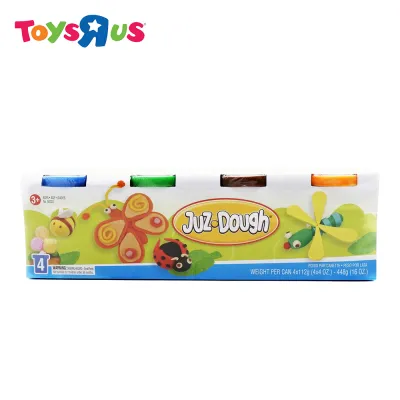
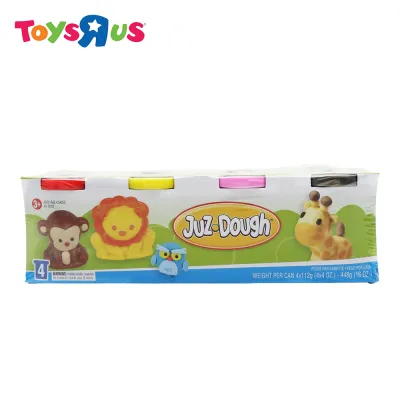
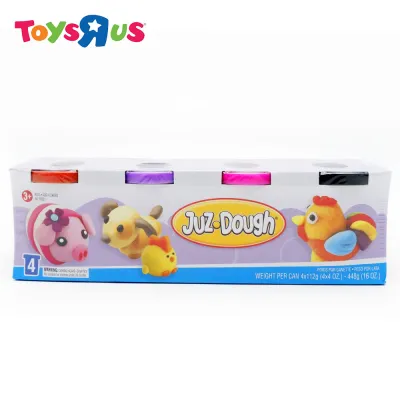
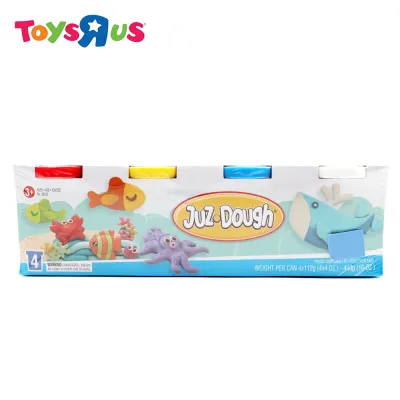
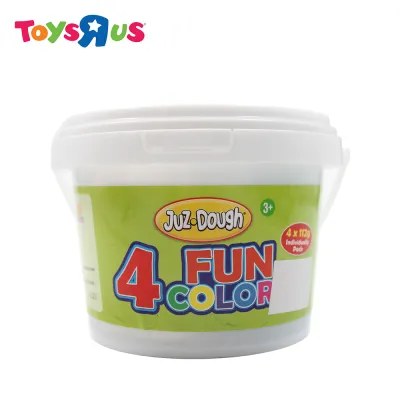
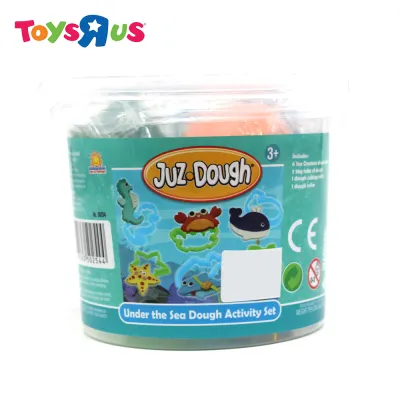
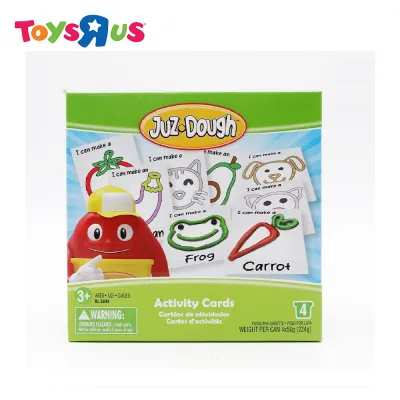
Prices are valid at publication and may change. Please refer to the product page for the latest price.
The curing mechanism for Juz Dough is entirely air-based, meaning it requires no baking, kiln-firing, or chemical catalysts to harden. As the moisture evaporates from the compound, it cures into a firm, slightly flexible, foam-like state. Because drying times are highly dependent on thickness and local weather conditions, it is essential to check the product label for specific guidelines. In highly humid tropical climates, a piece that might dry in 24 hours in a dry climate may require 48 hours or more to cure completely to the core.
This material is ideal for projects where weight is a primary concern. For example, school dioramas, lightweight hanging ornaments, decorative keychains, and basic children’s crafts benefit from its low density. When dry, the finished pieces are light enough to be suspended or glued to paperboard backings without causing the support structure to sag or collapse. However, its lightweight nature means it lacks the structural heft required for heavy, freestanding sculptures.
Comparing Juz Dough with Other Common Clay Types
To select the right material, it is helpful to contrast Juz Dough with other widely available modeling clays. Each type of clay has distinct physical properties, curing requirements, and post-cure durability profiles that make them suitable for different applications.

Traditional air-dry clay is typically made from natural earth clays or paper-pulp bases. It is significantly heavier than Juz Dough and dries to a hard, stone-like finish. However, traditional air-dry clay is prone to shrinkage as the water content evaporates, which can lead to cracking, especially if molded over rigid armatures. It is best suited for rustic, pottery-style vessels, relief tiles, and heavier sculptures where a substantial, ceramic-like feel is desired.
Polymer clay is a synthetic modeling material based on polyvinyl chloride (PVC) plastic. It does not dry out when exposed to air, allowing for an indefinite working time. To cure, polymer clay must be baked in a home oven at a precise temperature specified by the manufacturer, usually between 110°C and 130°C. Once baked, polymer clay is highly durable, rigid, and naturally water-resistant, making it the standard choice for detailed miniatures, custom jewelry, and intricate charms.
Reusable play dough is a non-hardening compound often made from flour, water, and salt, or wax-based materials. It is designed strictly for temporary play and sensory activities rather than permanent crafts. If left exposed to air, standard play dough will dry out, shrink, and crack, rendering it unusable. It cannot be painted or sealed effectively for long-term preservation.
| Clay Type | Curing Method | Durability & Water Resistance | Best Project Types |
|---|---|---|---|
| Juz Dough (Lightweight Air-Dry) | Air-dry (no heat required) | Low to moderate; susceptible to moisture unless sealed | School dioramas, lightweight figurines, basic crafts |
| Traditional Air-Dry Clay | Air-dry (no heat required) | Moderate; heavy and solid but water-soluble unless sealed | Pottery-style vessels, rustic sculptures, relief tiles |
| Polymer Clay | Oven-bake (requires specific heat) | High; highly durable, rigid, and naturally water-resistant | Detailed jewelry, miniatures, intricate charms |
| Reusable Play Dough | Non-hardening (temporary play) | Very low; designed to remain soft, cracks if left out | Sensory play, temporary modeling, early childhood activities |
How to Match the Clay to Your Specific Project
Selecting the right clay requires matching the material’s physical properties to the functional demands of your finished piece. By evaluating how the item will be used, handled, and stored, you can eliminate unsuitable options and avoid project failure.
Choose Juz Dough or a similar lightweight air-dry clay if your primary goals are ease of molding, vibrant built-in colors, and a safe, heat-free curing process. This makes it highly suitable for classroom activities, quick weekend crafts with children, and decorative elements for school projects. Because it does not require an oven, it is a highly accessible option for quick, low-mess crafting sessions where you want to keep your budget within a few hundred pesos (₱).
Choose polymer clay if your project involves intricate details, thin structural elements, or items that will experience frequent handling. If you are making custom earrings, detailed gaming miniatures, or small charms, polymer clay’s ability to hold fine textures and resist breakage after baking is unmatched. Its water resistance also ensures that sweat or light moisture will not degrade the finished piece.
Choose traditional air-dry clay if you want to create larger, more substantial pieces that mimic the look and feel of kiln-fired ceramics. This material is excellent for hand-built pots, decorative bowls, and heavy sculptures. It provides a solid, earthy weight that lightweight clays cannot replicate, though you must plan for potential shrinkage and cracking during the drying phase.
Always verify specialized requirements before starting your project. If your creation will come into contact with food or drink, such as a custom mug or plate, none of these standard hobby clays are safe to use; they are not food-safe. Similarly, if your project will be placed outdoors or exposed to high heat, you must verify the manufacturer’s specifications, as standard air-dry and polymer clays will degrade under prolonged exposure to UV light and rain without specialized marine-grade sealants.
What to Check on the Packaging Before You Buy
Before purchasing any modeling clay at your local stationery store or through an online marketplace, take a moment to inspect the packaging. The label contains critical information regarding safety, usability, and material compatibility that can save you time and prevent ruined projects.
First, check the curing instructions. For air-dry clays like Juz Dough, look for estimated drying times and any specific environmental recommendations. For polymer clays, verify the exact baking temperature and time required per unit of thickness. Baking polymer clay at the wrong temperature can either leave it brittle or cause it to release unpleasant fumes, so having a clear understanding of these parameters is vital.
Second, prioritize safety certifications, especially if the clay will be used by children or during prolonged skin contact. Look for recognized non-toxic seals, such as the AP Non-Toxic seal or compliance with EN71 safety standards. These certifications indicate that the formulation has been evaluated for harmful chemicals and is safe for general craft use.
Third, inspect the packaging seal and check for shelf life indicators. In warm, tropical climates, poorly sealed plastic packaging can allow moisture to escape over time, causing air-dry clay to harden inside the package before you even open it. Gently squeeze the package if possible; it should feel soft and pliable. If the package feels rigid or has visible air gaps, the clay may have already begun to cure.
Finally, look for manufacturer notes regarding finish compatibility. Some clays specify which types of paints and sealants work best with their formula. Checking these recommendations beforehand prevents you from applying a varnish that might react chemically with the clay, which can result in a permanently sticky or tacky surface.
Frequently Asked Questions (FAQ)
Can you paint or seal Juz Dough after it dries?
Yes, you can paint and seal Juz Dough once it has cured completely. Because it is an air-dry compound, it is highly recommended to check the manufacturer’s label for compatible paint types, with water-based acrylic paints generally being the safest and most effective option. To protect the finished piece from humidity and dust, you can apply a compatible clear sealant. Always test your chosen paint and sealant on a small, fully cured scrap piece of clay first to ensure proper adhesion and to verify that the finish does not become sticky over time.
How should you store leftover modeling clay to prevent it from drying out?
To extend the shelf life of unused air-dry clay like Juz Dough, you must prevent exposure to air. Store any leftover clay in airtight plastic containers or heavy-duty resealable bags, squeezing out as much excess air as possible before sealing. Depending on the specific brand instructions, wrapping the clay tightly in plastic cling wrap before placing it in the container can provide an extra layer of protection. Store the container in a cool, dry place away from direct sunlight, as high temperatures can accelerate moisture loss and degrade the material’s pliability.
Community discussion
Share your experience or ask a question. Comments are reviewed before publication.