
If you are designing custom accessories, sourcing beads that balance brilliant sparkle with affordability is a constant challenge. During your search for high-clarity components, you will inevitably come across k9 crystal. This popular man-made material has become a staple in the DIY crafting community, offering a striking look that mimics high-end gemstones at a fraction of the price.
But is K9 crystal actually suitable for wearable jewelry? The short answer is yes, but its success depends entirely on your design choices, assembly techniques, and the specific jewelry pieces you plan to create. While it delivers exceptional clarity and light refraction, its weight and susceptibility to chipping mean it requires careful handling and appropriate structural support. Understanding these physical characteristics will help you decide whether to incorporate these beads into your next beading or wire-wrapping project.
What Is K9 Crystal? Understanding the Material
To evaluate this material for your jewelry projects, it is essential to understand what it actually is. K9 crystal is a premium grade of optical borosilicate glass, often classified as barium crown glass. The “K” refers to the German word for crown (Krone), and the “9” denotes the specific chemical composition and lead-free formulation. Originally developed for high-precision optical lenses, prisms, and scientific instruments, this glass is manufactured under strict quality controls to ensure maximum light transmission.
Products mentioned in this guide
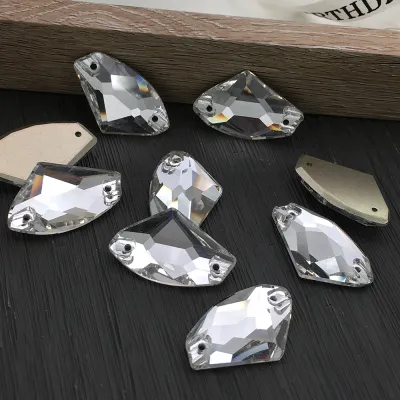
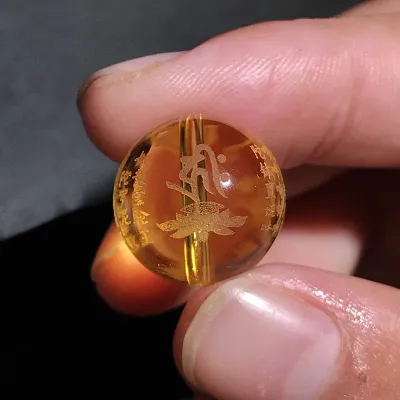
Prices are valid at publication and may change. Please refer to the product page for the latest price.
Unlike natural gemstones such as quartz, amethyst, or jade, K9 crystal is entirely man-made. It is produced in industrial kilns by melting silica, boron trioxide, and barium oxide at extreme temperatures. Because it is synthetic, it lacks the natural inclusions, internal fractures, and organic color variations characteristic of mined minerals. It also does not carry the metaphysical or healing associations often sought by collectors of natural geological specimens.
In the arts and crafts market, this material is highly valued for its versatility. Manufacturers cut, polish, and facet the glass into various shapes tailored for jewelry makers. When browsing local wholesale hubs or online craft stores, you will commonly find K9 crystal in the form of faceted briolette beads, delicate pendants, chandelier drops, flatback rhinestones for embellishing fabric, and intricate spacer beads.
Key Properties of K9 Crystal for Beading and Jewelry
Every material behaves differently under the stress of daily wear and crafting. To design durable, comfortable accessories, you must understand how K9 crystal performs regarding its optical qualities, physical durability, and weight.

Clarity and Light Refraction
The primary reason jewelry makers choose K9 crystal is its exceptional optical performance. It features a high refractive index and low dispersion, which means it bends light efficiently and splits it into sharp, rainbow-like flashes. When light passes through a faceted K9 bead, it produces a brilliant prismatic effect that rivals much more expensive luxury glass brands.
Because it was engineered for optical instruments, high-quality K9 glass is remarkably transparent. You will rarely find the internal bubbles, cloudy patches, or dark specks that often plague cheap, standard bottle glass. When sourcing these beads, always perform a quick visual inspection under a bright light. Look for crisp, clean facet edges and uniform cuts, as precise geometry is what allows the material to catch and return light from every angle.
Hardness and Scratch Resistance
Durability is a key factor when creating wearable art. K9 crystal typically registers around 5.5 to 6 on the Mohs hardness scale. This makes it significantly harder than acrylic or resin, meaning it will not easily dull or develop fine surface scratches from rubbing against clothing or skin.
However, because it is a glass compound, it remains brittle. While it resists surface abrasion well, a hard impact—such as dropping a bracelet onto a tiled floor or knocking a ring against a metal desk—can cause the crystal to chip, crack, or shatter. Additionally, if you plan to modify or drill your own K9 components, standard steel crafting drills will not suffice. You must use specialized, lubricated diamond-tipped bits and a steady, slow-speed rotary tool to prevent thermal shock and cracking.
Weight and Drape
The physical density of K9 crystal is another crucial consideration. It is substantially heavier and denser than plastic, resin, or acrylic alternatives. This weight is often perceived as a sign of luxury, giving finished necklaces and bracelets a substantial, high-end feel and a graceful drape that hugs the contours of the body.
However, this weight demands structural integrity in your jewelry designs. A multi-strand necklace composed entirely of large K9 beads can become heavy and uncomfortable, particularly in warm, humid climates like the Philippines where heavy accessories can cling to the skin. To prevent structural failure, you must pair these beads with strong, multi-strand beading wire and robust metal findings. Avoid using K9 beads for oversized statement earrings unless you are using thick, secure ear wires that will not sag or bend under the weight.
K9 Crystal vs. Other Common Jewelry Materials
Choosing the right bead for your project involves weighing aesthetic desires against budget and physical limitations. The table below compares K9 crystal with other popular materials used in DIY jewelry making to help you identify the best fit for your design.
| Material Type | Visual Clarity | Weight & Density | Scratch Resistance | Typical Cost Tier |
|---|---|---|---|---|
| K9 Crystal | High (Excellent refraction, sharp prisms) | High (Feels substantial and premium) | Moderate to High (Resistant to daily wear) | Budget-Friendly to Mid-Range |
| Natural Quartz | Variable (Features unique natural inclusions) | High (Feels cold and heavy) | High (Very durable, Mohs 7) | Premium to High |
| Standard Glass | Moderate (May contain minor bubbles or mold lines) | Moderate to High (Varies by composition) | Moderate (Can scratch over time) | Low |
| Acrylic / Plastic | Low (Dull reflection, prone to cloudiness) | Low (Very lightweight) | Low (Scratches very easily) | Ultra-Low |
When analyzing these trade-offs, K9 crystal emerges as an excellent middle ground. It offers the brilliant clarity and premium weight of high-end leaded crystal or natural gemstones, but at a fraction of the cost. In local craft hubs, a strand of K9 beads typically costs a fraction of the price of semi-precious stones, often starting at under ₱100 depending on the bead size. However, it lacks the unique, organic charm of natural quartz. If your target market or personal style leans toward bohemian, rustic designs that celebrate natural imperfections, mined gemstones are the superior choice.
Conversely, when compared to acrylic, K9 crystal is vastly superior in longevity and visual impact. Acrylic beads are excellent for lightweight, casual, or children’s jewelry where safety and low cost are the primary goals. However, for elegant eveningwear, bridal accessories, or suncatchers designed to hang in windows and cast rainbows across a room, K9 crystal is the undisputed winner due to its optical brilliance.
Is K9 Crystal Good for DIY Jewelry? Pros and Limitations
Evaluating K9 crystal’s overall suitability requires looking at how it behaves during the assembly process and how it holds up over time.
- Best Applications: Because of its high refractive index, K9 crystal shines brightest in projects designed to capture and play with light. It is highly recommended for suncatchers, wind chimes, wire-wrapped pendants, and faceted spacer beads that add a sudden burst of sparkle between duller stones or pearls.
- Hardware Compatibility: The physical weight of K9 crystal means you cannot rely on cheap or fragile stringing materials. If you are designing a beaded bracelet or necklace, swap out thin elastic cords or basic sewing threads for professional-grade, nylon-coated stainless steel beading wire (such as 49-strand wire). This provides the necessary tensile strength and flexibility to support the heavy beads. Similarly, choose heavy-duty, soldered jump rings and sturdy lobster clasps to ensure the weight of the finished piece does not pull the connections apart.
- Limitations to Consider: While beautiful, K9 crystal has physical limitations that you must design around. The sharp, precise facets that make the beads sparkle can also act like miniature blades. Over time, the hard edges of the drill holes can rub against and fray softer stringing threads, such as silk or standard nylon. To prevent your jewelry from snapping unexpectedly, always use wire guards (wire guardians) at connection points, or insert smooth metal spacer beads on either side of the crystal to buffer the friction. Additionally, remember that K9 is a glass material; it does not offer the "healing energy" or collectible value sought by buyers who prioritize natural minerals.
- Final Verdict: For most DIY crafters, K9 crystal is an outstanding, cost-effective material that delivers a luxurious, sparkling finish. It bridges the gap between cheap plastic components and expensive luxury crystals. As long as your designs accommodate its physical weight and protect against thread friction, K9 crystal will yield durable, eye-catching jewelry that looks far more expensive than it is.
How to Choose and Care for K9 Crystal Components
To ensure your handmade jewelry maintains its stunning brilliance for years, you must select high-quality components from the start and practice proper aftercare.
- Purchasing Checklist: When sourcing K9 crystal beads, check that the faceted cuts meet cleanly at sharp points rather than overlapping or leaving flat, unpolished gaps. Inspect the edges of the drill holes; they should be smooth, centered, and free of jagged chips or sharp glass burrs that could cut your stringing wire. Finally, look through the bead against a white background to verify there are no cloudy swirls, internal bubbles, or visible seam lines from manufacturing molds.
- Cleaning Routine: Over time, daily wear will expose your jewelry to skin oils, sweat, cosmetics, and perfumes, which form a dull film over the facets. For regular maintenance, simply wipe the crystals with a clean, dry microfiber cloth. This easily removes fingerprints and restores the original luster without the need for moisture.
- Deep Cleaning: If your jewelry has accumulated stubborn grime or lotion buildup, a gentle deep clean is necessary. Mix a drop of mild dish soap in a bowl of lukewarm water. Submerge the jewelry briefly and use a soft-bristled toothbrush to gently clean around the facets and metal settings. Rinse the piece thoroughly in clean, lukewarm water and dry it immediately with a soft towel. Ensure the beads and stringing channels are completely dry before storing them to prevent moisture from weakening the stringing wire or tarnishing metal findings.
- Storage and Protection: Because K9 crystal is relatively hard, it can scratch softer materials like sterling silver, pearls, or copper if they are tossed together in a single drawer. Store your K9 jewelry pieces in individual soft fabric pouches or separate compartments of a lined jewelry box. Furthermore, avoid using ultrasonic jewelry cleaners. The high-frequency vibrations can loosen glued-on components, chip touching beads, or damage delicate metallic coatings (like Aurora Borealis finishes) applied to the surface of the crystals.
Frequently Asked Questions (FAQ)
Does K9 crystal turn yellow or cloudy over time?
No, high-quality K9 crystal is chemically stable and will not yellow, degrade, or break down from exposure to ultraviolet (UV) sunlight, unlike acrylic, resin, or plastic beads. If your crystal jewelry begins to look cloudy or loses its sparkle, it is almost always due to surface buildup from skin oils, soaps, lotions, or environmental dust. A quick wash in lukewarm soapy water or a wipe with a microfiber cloth will instantly restore its original clarity.
Can I use K9 crystal beads for wire wrapping?
Yes, K9 crystal beads and pendants are excellent candidates for wire wrapping. Their hardness prevents the jewelry wire from scratching the surface during the wrapping process, allowing you to create secure, intricate designs. However, because the glass is brittle, you must exercise caution when using pliers. Avoid applying direct, heavy pressure with metal tools directly onto the sharp faceted edges or near the drill holes, as this can cause the crystal to chip or fracture.
Is K9 crystal safe for sensitive skin?
K9 crystal is chemically inert, non-porous, and lead-free, making the glass itself completely hypoallergenic and safe for prolonged skin contact. If you experience skin irritation or allergic reactions while wearing K9 crystal jewelry, the issue is almost certainly caused by the metallic findings, clasps, or wires used in the piece. To protect sensitive skin, ensure you pair your K9 crystal components with high-quality, hypoallergenic metals such as surgical-grade stainless steel, titanium, or sterling silver.
Community discussion
Share your experience or ask a question. Comments are reviewed before publication.