
When selecting a comprehensive stationery supplies set, prioritizing the right pen features is the single most important decision you can make to ensure long-term writing comfort and productivity. A poorly chosen set can lead to hand fatigue, smudged documents, and wasted money on dried-out refills. To make an informed choice, you must look past generic marketing claims and focus on verifiable physical characteristics: ink delivery consistency, drying speed under local humidity conditions, refill standardization, and ergonomic design. By matching these technical features to your specific daily writing tasks and paper types, you can curate a highly efficient toolkit that performs reliably in any environment.
In tropical regions like the Philippines, environmental factors play a surprisingly large role in how writing instruments perform. High relative humidity causes paper fibers to absorb moisture from the surrounding air, which can significantly alter how ink behaves upon contact. Water-based inks that dry quickly in arid climates may feather, bleed, or remain wet for much longer on humid paper, leading to accidental smudges. Therefore, understanding the relationship between ink chemistry, paper quality, and physical pen design is essential for selecting a set that stands up to daily use in local offices, schools, and home workspaces.
Evaluating Core Writing Performance and Ink Flow
The term “smoothness” is frequently used by manufacturers to describe pen performance, but in practice, writing smoothness is a variable quality that depends entirely on the interaction between the pen tip, the ink viscosity, and the paper texture. When evaluating a stationery supplies set, you should translate subjective descriptors into observable trial checks. A pen that glides effortlessly on high-gsm, coated paper may feel scratchy or skip frequently on standard 70 gsm or 80 gsm copy paper. To ensure a reliable writing experience, always test sample pens on the exact paper weight and texture you intend to use for your daily tasks.
Products mentioned in this guide
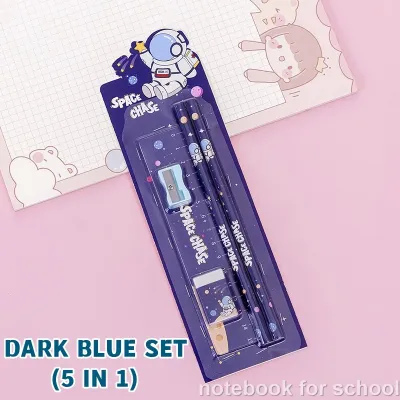
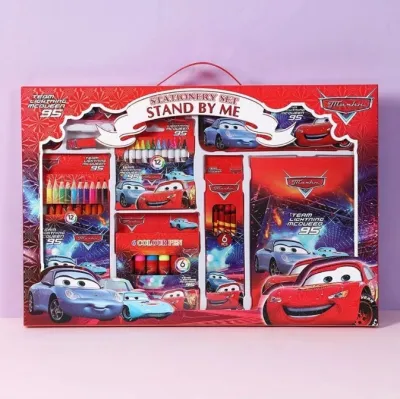
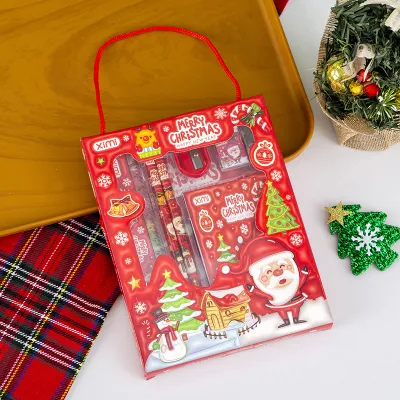
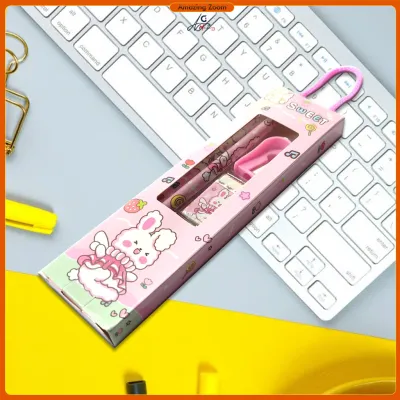
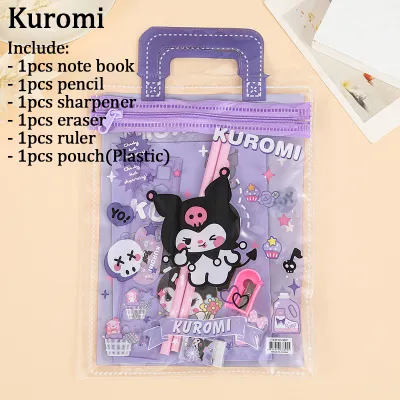
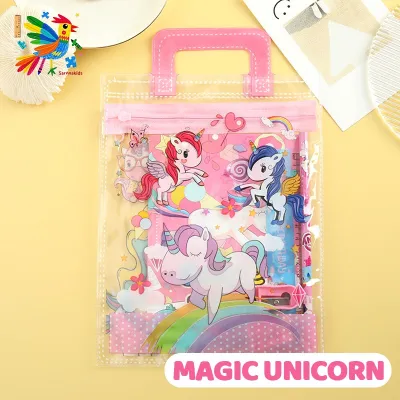
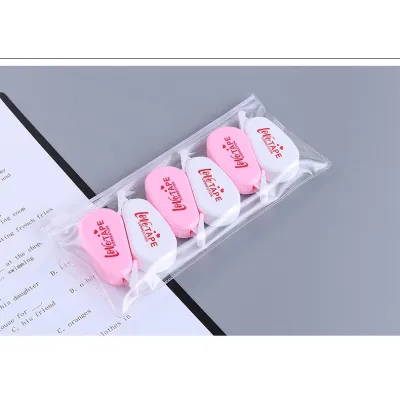
Prices are valid at publication and may change. Please refer to the product page for the latest price.
Ink drying speed is another critical performance metric that is heavily influenced by environmental conditions. In humid climates, the evaporation rate of water-based inks slows down, which can result in smearing when you turn a page or run your hand across your notes. You can perform a simple, observable trial check to verify drying speed before purchasing a bulk set. Draw a series of solid lines on your target paper and gently swipe a finger across them at one-second, three-second, and five-second intervals. This test will help you identify which pens are suitable for rapid note-taking or left-handed writers who require near-instantaneous drying.
Line consistency and skipping are directly tied to the precision of the pen’s tip and its internal ink flow rate. Check the manufacturer’s specifications for the tip size, which typically ranges from ultra-fine (0.38 mm) to medium (0.7 mm or 1.0 mm). Fine tips require less ink flow and produce crisp, detailed lines, but they can feel scratchy if you write at a steep angle. Conversely, broader tips offer a wetter, smoother feel but are more prone to skipping if the ink delivery system cannot keep pace with fast writing. Ensure the pen maintains a continuous, unbroken line when held at your natural writing angle, which typically sits between 60 and 80 degrees.
Bleed-through and feathering occur when ink penetrates too deeply into the paper or spreads outward along the paper fibers, making your writing look fuzzy and illegible. Instead of assuming a pen is universally bleed-resistant, check the product labels for specific paper compatibility or fiber-penetration warnings. If you frequently write on double-sided notebook pages, look for pens designed with controlled ink flow rates or pigment-based formulas that sit on top of the paper fibers rather than soaking through them. Performing a manual test on a single sheet of your preferred notebook will quickly reveal whether the ink is visible on the reverse side.
Matching Ink Types and Refill Compatibility to Your Needs
Selecting the right ink system is a foundational step in customizing your stationery supplies set, as different ink types are engineered for distinct writing tasks and drying characteristics. Ballpoint pens utilize a thick, oil-based ink that dries almost instantly upon contact with paper, making them highly resistant to smudging and water damage. This quick-drying nature makes ballpoint pens exceptionally reliable for filling out official forms, writing on carbon copies, or taking quick notes on the go. However, because oil-based ink is highly viscous, these pens require more downward physical pressure to write, which can lead to hand strain during long writing sessions.

Gel pens offer a compelling alternative by using water-based gel ink containing suspended pigments. This formulation allows the pen to glide across the page with minimal pressure, producing highly opaque, vibrant lines that are excellent for color-coding, journaling, and detailed academic notes. The primary trade-off is that gel ink remains wet longer than ballpoint ink, particularly in humid environments where moisture in the air slows down the drying process. If you prioritize the smooth feel of a gel pen, look for quick-dry gel formulas or opt for finer tip sizes (such as 0.5 mm) that deposit less ink on the page, thereby reducing drying times.
Rollerball pens use liquid water-based ink that flows very freely from the reservoir to the paper, providing a dark, fluid line that mimics the writing experience of a fountain pen. Because the ink is highly liquid, it requires virtually no writing pressure, making it incredibly comfortable for extended writing tasks. However, rollerball ink is the most susceptible to feathering and bleeding through standard, low-cost copy paper. If your daily work involves writing on thin or uncoated paper, a rollerball pen may not be the most practical choice for your stationery supplies set unless you pair it with high-quality, heavy-weight paper.
To ensure your stationery supplies set remains cost-effective and sustainable over time, always check the packaging or official product specifications for standardized refill codes. Many high-quality pens are designed to accept universal refill formats, such as the ISO 12757-2 standard for ballpoint pens or the widely popular “G2” style refill format used by various brands. Choosing a set that utilizes standardized, widely available refills prevents you from having to discard durable pen barrels when the ink runs out. This approach not only reduces plastic waste but also allows you to swap in different ink colors or tip sizes while keeping the same comfortable pen body.
Specialized ink properties, such as water resistance, erasability, or archival quality, should be verified strictly through manufacturer claims and intended use conditions. For signing legal documents, checks, or official records, prioritize pigment-based archival inks that resist fading from light exposure and cannot be easily washed away by water or chemicals. If you are a student or professional who makes frequent mistakes, erasable gel inks offer the convenience of pencil writing with the clean look of a pen. However, keep in mind that erasable inks are heat-sensitive; leaving your notebooks in a hot car or under direct sunlight can cause the ink to disappear, so they should never be used for official or permanent records.
Assessing Ergonomics and Build Quality for Daily Comfort
The physical design of a pen directly impacts your physical comfort and writing endurance, making ergonomics a key consideration when purchasing a bulk stationery supplies set. A pen’s barrel thickness and grip design determine how tightly you must squeeze the instrument to maintain control. For most hand sizes, a barrel diameter between 9 mm and 11 mm provides an optimal balance of control and comfort. Look for pens featuring soft rubber, silicone, or textured grips that cushion your fingers and prevent slipping, especially during warm afternoons when hands can become sweaty.
Weight distribution is another critical factor that influences hand fatigue over long periods. A pen that is too top-heavy, which often happens when a heavy cap is posted on the back of the barrel, can pull your hand backward and strain your wrist muscles. Conversely, a pen that is too light may require you to apply extra downward pressure to keep the tip in contact with the paper. Look for manufacturer specifications regarding the pen’s weight, usually measured in grams. Lightweight plastic pens (under 10 grams) are highly portable and easy to maneuver, while heavier metal-accented pens (15 to 25 grams) offer a more grounded, deliberate writing feel.
Material quality determines how well your writing instruments will withstand the rigors of daily use in a busy office or classroom. Plastic barrels are lightweight, affordable, and come in a wide variety of colors, making them excellent for large-scale stationery supplies sets. However, low-grade plastics can crack easily under pressure or split at the threaded joints where the barrel unscrews. Metal barrels, constructed from aluminum, brass, or stainless steel, offer superior structural integrity and a premium aesthetic. While metal pens represent a higher initial investment, they are highly durable and can be wiped down easily with a dry cloth to maintain their appearance.
The moving parts of a pen—such as the pocket clip, cap, or click mechanism—are often the first components to fail under daily wear and tear. Inspect the design of the pocket clip; metal spring-loaded clips are far more resilient than molded plastic clips, which can easily snap when clipped onto thick notebook covers or heavy pocket fabrics. For retractable pens, a firm, positive click mechanism indicates a robust internal spring that will not wear out quickly. If you prefer capped pens, ensure the cap fits tightly with an audible snap or a secure screw-on thread, which prevents the cap from falling off in your bag and keeps the ink from drying out prematurely.
Building a Customized Stationery Supplies Set Shortlist
To build a highly functional stationery supplies set, you must map specific pen features to your distinct daily tasks rather than buying a one-size-fits-all bundle. For quick, on-the-go note-taking where speed and reliability are paramount, a retractable ballpoint pen is the ideal choice because it will not dry out if left uncapped and dries instantly on almost any paper surface. For detailed drafting, sketching, or precise margin notes, a fine-tip gel pen (0.4 mm or 0.5 mm) provides the necessary control and sharp line definition. For signing official contracts, certificates, or legal documents, a medium-tip rollerball or gel pen with pigment-based, water-resistant ink ensures a professional and permanent mark.
When assembling your customized set, use a conditional checklist to balance your initial budget against long-term operating costs. Whether your budget is ₱500 or ₱2,000, a stationery supplies set with a very low upfront price might seem attractive, but if the pens use proprietary, expensive refills that are difficult to source, your total cost of ownership will quickly rise. Consider your primary writing environment as well; if you work in high-humidity areas, prioritize water-resistant inks and durable, non-slip grips. If your daily routine involves frequent travel, look for pens with secure caps or robust pocket clips that prevent leaks and accidental clicks inside your bag.
Before finalizing your purchase on an online marketplace or from an official brand store, verify the exact bundle contents and current stock availability. Some pre-packaged stationery supplies sets include filler items like low-quality rulers, erasers, or pencil sharpeners that you may not need, which can inflate the price without adding real value. Read the product description carefully to confirm the quantity of each pen type, ink color, and tip size included in the bundle. This ensures you are paying for items that directly support your workflow rather than unnecessary accessories.
Finally, review the seller’s return policy and warranty terms, especially when purchasing bulk stationery supplies sets for an office or school. Ensure that the retailer offers a straightforward return or replacement process in case any pens arrive damaged, leaking, or dried out during transit. Checking customer feedback specifically for packaging quality can help you avoid sets that suffer from poor shipping protection. By taking these verification steps, you can confidently invest in a high-quality stationery supplies set that meets your writing needs and provides excellent long-term value.
Frequently Asked Questions (FAQ)
How can I test a pen's ink quality before buying a full set?
To test ink quality without committing to a bulk stationery supplies set, purchase a single unit of the pen model first. Test it on the exact paper stock you use daily, as paper texture and weight heavily influence ink behavior. Draw a series of fast diagonal lines to check for skipping, and write a paragraph to assess line consistency. To test drying speed, draw a thick line and wipe your finger across it after one, three, and five seconds to see how long it takes to set completely.
Should I prioritize branded pens or generic options for a bulk stationery supplies set?
Branded pens from established manufacturers generally offer superior quality control, consistent ink formulas, and widely available standardized refills, making them a reliable choice for long-term professional or academic use. Generic options are often more cost-effective and are highly suitable for high-loss environments, such as public reception desks, temporary events, or basic marking tasks where pen loss is frequent. Weigh the importance of writing comfort and longevity against your budget and the likelihood of the pens being misplaced.
Community discussion
Share your experience or ask a question. Comments are reviewed before publication.