
To choose the right kraft paper bag size for a gift, you must measure the item’s length, width, and height, then add a clearance allowance of at least 1.5 to 2 centimeters on all sides, plus extra height if you plan to fold the top. Matching the gift to the correct bag involves balancing these physical dimensions with the bag’s paper weight—measured in grams per square meter (GSM)—and handle style to ensure the package does not tear or collapse. Whether you are wrapping a delicate piece of jewelry or a bulky gift basket, selecting the correct proportions keeps your presentation neat and secure.
Using kraft paper bags for gift-giving offers a rustic, clean, and highly customizable presentation. However, an ill-fitting bag can quickly ruin this aesthetic, causing the paper to sag, crease, or tear. In tropical climates like the Philippines, high humidity can naturally soften paper fibers over time, making it even more critical to select a bag with the appropriate thickness and dimensions to support your gift safely.
How to Measure Your Gift for a Paper Bag
To find the minimum bag dimensions required, place your gift on a flat surface and use a ruler or measuring tape to record its exact length, width, and height. If the gift is already in a box, measure the box itself. For unboxed or irregularly shaped items, measure the widest points along each axis to ensure you do not underestimate the space needed inside the bag.
Products mentioned in this guide
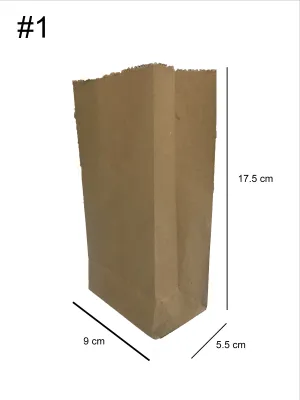
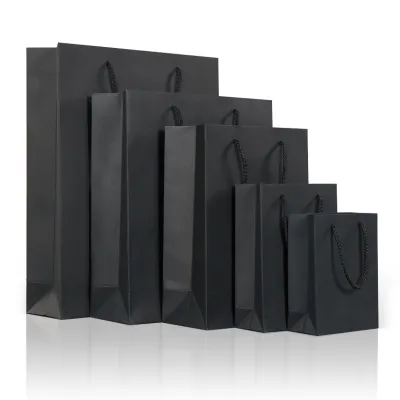

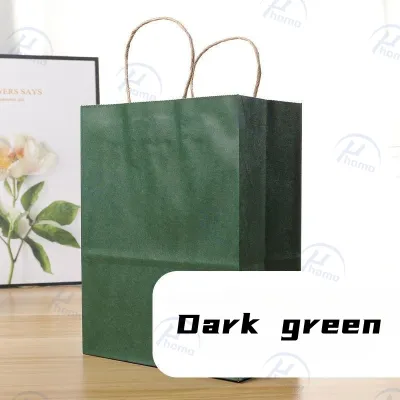
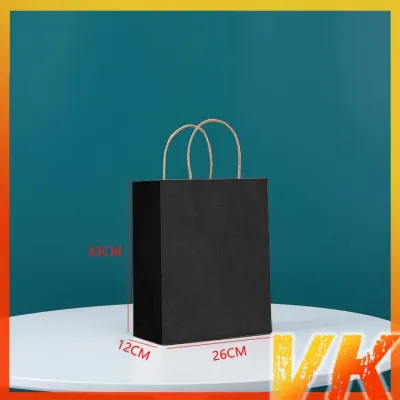
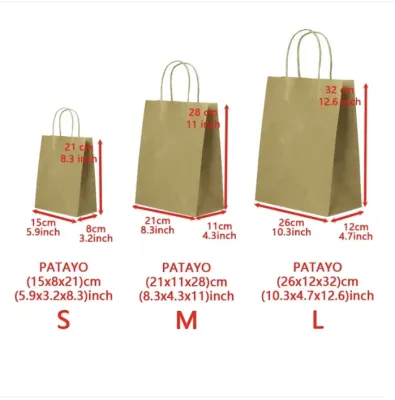

Prices are valid at publication and may change. Please refer to the product page for the latest price.
Once you have the exact measurements, add a clearance allowance to ensure the gift slides in easily without catching on the paper. Adding at least 1.5 centimeters to the length and width of your measurements prevents the bag from stretching or tearing at the seams during packing. For the height, add at least 3 to 5 centimeters of extra space if you want the gift to sit fully inside with the handles upright, or 8 to 10 centimeters if you plan to fold the top edge over.
Always measure your gift after applying any protective wrapping or decorative fillers. Items wrapped in bubble wrap, thick layers of tissue paper, or placed inside secondary gift boxes will have a significantly larger volume than the raw item itself. Accounting for these extra layers beforehand ensures you do not end up with a bag that is too tight to seal.
Recommended Kraft Paper Bag Sizes by Gift Type
Matching the proportions of your gift to the general footprint of the bag prevents awkward bulging and structural strain. Different categories of presents require distinct bag shapes, base designs, and structural support to look their best and remain safe during transport.

Small Gifts (Jewelry, Cosmetics, Accessories)
Small gifts like rings, necklaces, lipsticks, or delicate keychains require compact packaging to look intentional and elegant. Typical dimensions for small kraft paper bags often range around 11 to 15 centimeters in height and 8 to 12 centimeters in width. Using an oversized bag for a tiny item looks careless and allows the gift to slide around excessively, which increases the risk of damage during transit.
To keep small items stable, check the product specifications to ensure the bag features a flat bottom gusset. A flat bottom allows the bag to stand upright on its own, which is essential for displaying gifts on a table or counter before they are opened. Without a structured gusset, small bags tend to tip over, potentially spilling their contents.
Medium Gifts (Books, Apparel, Shoes, Tech Gadgets)
Medium-sized items like novels, folded shirts, standard shoeboxes, or tablet devices fit best in mid-sized bags. These bags typically measure around 20 to 30 centimeters in height and 15 to 25 centimeters in width, with a side gusset of 8 to 12 centimeters. This depth is particularly important for accommodating the rectangular shape of shoeboxes or stacked clothing without stretching the paper seams.
Because medium gifts can carry significant weight—especially hardcover books or electronic devices—you must verify the bag’s weight capacity. Check the manufacturer’s specified weight limit or the paper thickness on the product label before purchasing.
For comfortable carrying, look for bags equipped with reinforced handles. Twisted paper handles or flat cotton straps glued securely to the inner rim of the bag provide the necessary grip and distribute the weight evenly, preventing the handles from snapping or cutting into your hands during transport.
Large or Bulky Gifts (Appliances, Large Toys, Gift Baskets)
Oversized or awkwardly shaped items, such as small kitchen appliances, stuffed toys, or multi-item gift baskets, require large-format bags. These bags often exceed 40 centimeters in height and width, featuring extra-wide side gussets of 15 centimeters or more. The wide gusset is crucial because it allows the base of the bag to expand fully, accommodating the wide footprint of a basket or appliance box.
When dealing with heavy or bulky loads, prioritize heavy-duty kraft paper. Look for bags that feature double-layered bottoms or cardboard base inserts to prevent the bottom from sagging or tearing open.
It is also important to recognize when a paper bag is no longer suitable. If your gift exceeds the manufacturer’s stated weight limits or has sharp, rigid corners that could easily puncture paper, switch to alternative heavy-duty packaging. Options like corrugated cardboard boxes, reusable canvas tote bags, or woven plastic bags are much safer choices for extremely heavy items.
Beyond Dimensions: Checking Thickness and Handle Strength
Selecting the right size is only half the battle; you must also evaluate the structural integrity of the kraft paper bag. Paper thickness is commonly measured in GSM (grams per square meter), which you can find on the product’s specification sheet. A higher GSM indicates thicker, stiffer paper that offers better tear resistance and holds its shape well, even in humid environments. For lightweight gifts, a GSM of 70 to 90 is usually sufficient, while heavier items require a robust GSM of 120 to 150 or more.
The style of the handle also dictates how much weight the bag can safely support. Die-cut handles, which are cut directly into the paper, are clean and minimalist but offer limited weight capacity and can tear easily if overloaded. Flat paper handles are budget-friendly and suitable for light apparel, while twisted paper handles offer moderate strength for books and small electronics. For the heaviest gifts, cotton rope handles threaded through reinforced metal eyelets provide the highest durability and carrying comfort. Always refer to the manufacturer’s guidelines to match the handle type to your gift’s weight class.
Before packing your gift, perform a quick visual inspection of the bag’s construction. Examine the bottom glue line to ensure it is fully sealed without any gaps or dry patches where the adhesive might fail. Check the side folds and handle attachments for any signs of fraying or weak gluing. Taking a few seconds to verify these details prevents embarrassing accidents where the bottom of the bag drops out unexpectedly.
Tips for Packing and Securing Odd-Shaped Gifts
Irregularly shaped items, such as plush toys, handmade ceramics, or sports equipment, can be challenging to pack neatly in a standard paper bag. To solve this, consider placing the item inside an inner corrugated box or a rigid mailer first. This creates a uniform, stable shape that slides easily into the kraft bag, protecting the paper from being punctured by sharp edges.
If your gift is small but you want to use a slightly larger bag for presentation, add decorative fillers. Placing crinkle paper or folded tissue paper at the bottom of the bag elevates the item, making it more visible when the recipient opens it. The filler also provides a cushioning layer that absorbs shocks and fills empty space, preventing the gift from shifting around.
Finally, secure the top of the bag to keep the contents hidden and stable during transport. You can fold the top edge down by two to three centimeters and seal it with a decorative sticker, colorful washi tape, or a punched hole threaded with a rustic jute ribbon. This not only adds a professional, polished look to your gift but also prevents the bag from gaping open and exposing the surprise inside.
Frequently Asked Questions (FAQ)
Can I use a kraft paper bag for food gifts?
Standard kraft paper bags are excellent for dry, packaged goods, but they are not automatically suitable for direct contact with unpackaged food. Standard paper can absorb oils and moisture, leading to unsightly grease stains and structural weakening. For baked goods, pastries, or greasy items, look for specialized food-grade kraft bags that feature a grease-resistant lining or a wax coating. Always check the product packaging for explicit food-safe certifications or labels before placing unpackaged food items directly inside the bag.
How do I prevent a heavy gift from tearing the bottom of the bag?
To reinforce a kraft paper bag for a heavy gift, place a custom-cut piece of rigid cardboard at the bottom of the bag. This simple addition, which can be made using a simple ₱10 piece of rigid cardboard, distributes the weight of the gift across the entire base rather than concentrating it on a single point, significantly reducing the risk of a blowout. Additionally, always carry the bag by supporting the base with one hand when moving heavy items, and avoid dragging the bag across rough surfaces when setting it down.

Community discussion
Share your experience or ask a question. Comments are reviewed before publication.