
Choosing between the Kuru Toga Roulette and the Standard Kuru Toga comes down to a choice between premium tactile feedback and lightweight, practical utility. While both pencils utilize the same core engineering to keep your graphite sharp, they target entirely different writing preferences. The right model for your desk depends on how you value grip texture, casing materials, weight distribution, and your overall budget for daily writing instruments.
For students, illustrators, and professionals who write for hours at a time, a mechanical pencil is more than just a utility; it is an extension of the hand. The physical differences between these two models alter how much pressure you apply, how quickly your hand fatigues, and how the pencil behaves in humid environments. Understanding these subtle physical characteristics will ensure you select the tool that best complements your natural writing style.
Core Mechanism: Do They Rotate Lead Differently?
At the heart of both pencils lies the proprietary Kuru Toga rotation engine. This internal mechanism solves a century-old problem inherent to mechanical pencils: the uneven wearing down of the lead. When you write with a standard mechanical pencil, the graphite wears down at an angle, creating a slanted, chisel-like tip that produces thick, blurry lines and breaks easily. The Kuru Toga engine uses a spring-loaded clutch that rotates the lead slightly every time you lift the pencil from the paper, maintaining a clean, conical point.
Products mentioned in this guide
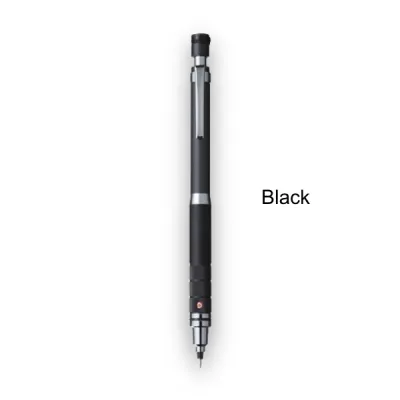
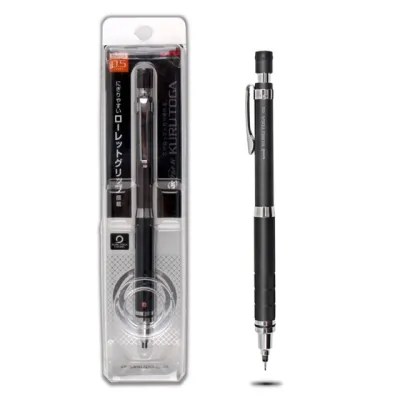
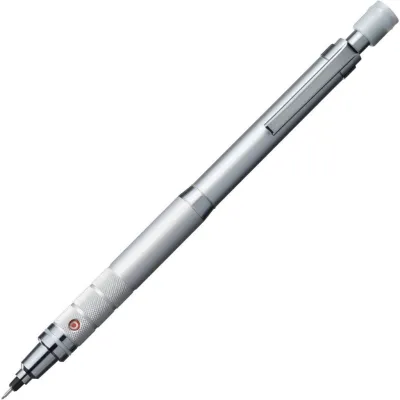
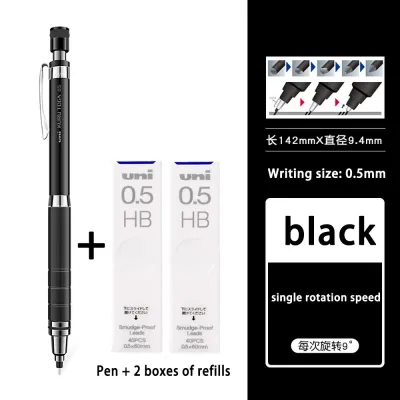
Prices are valid at publication and may change. Please refer to the product page for the latest price.
Despite the difference in outer construction, the Roulette and the Standard models share the exact same standard rotation engine. This engine rotates the lead by nine degrees with each lift, requiring forty presses to complete a full three-hundred-and-sixty-degree rotation. Because they share this internal DNA, both pencils deliver the same consistent line width and line clarity when using identical lead grades. If your primary goal is simply to experience the auto-rotation technology, both models perform this core task with equal efficiency.
However, the real-world performance of this rotation engine is highly dependent on external factors such as lead hardness, writing pressure, and paper texture. The mechanism requires a minimum amount of downward pressure to engage the internal gears. If you write with an incredibly light touch, or if you use exceptionally hard lead like H or 2H, the gears may not rotate fully. Conversely, softer leads like B or 2B, which are highly popular for their dark lines, wear down faster and benefit immensely from this rotation system, especially when writing on standard copy paper or textured notebook pages.
In tropical climates where humidity can soften paper fibers, the interaction between the lead and the page changes. Damp paper fibers offer less resistance, which can sometimes cushion the pencil tip and require you to press slightly harder to engage the rotation clutch. Both the Roulette and the Standard handle these variations similarly, but the physical feedback you receive through the barrel differs due to their contrasting outer shells.
Build Quality and Grip Comfort
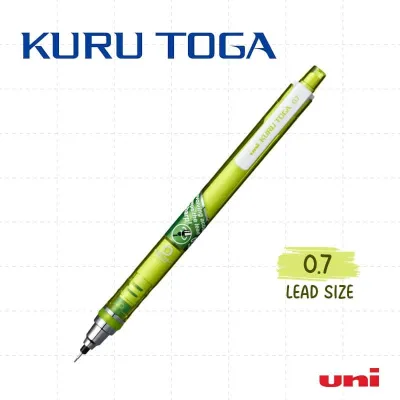
The most obvious distinction between these two models is the choice of materials used in their construction. The Standard Kuru Toga features a lightweight, transparent plastic body that allows you to see the internal gears of the rotation engine at work. The grip section is smooth plastic, occasionally featuring subtle ridges depending on the specific production run. While this plastic construction makes the pencil incredibly light, it is more susceptible to surface scratches, cosmetic wear, and potential cracking around the threaded joints if dropped onto hard tile floors.

In contrast, the Roulette is built with a premium hybrid construction designed for durability and professional aesthetics. It features a metallic lower barrel and a knurled metal grip section made of machined aluminum. Knurling involves cutting a dense, diamond-patterned texture directly into the metal. This textured surface provides exceptional traction, ensuring that your fingers do not slip down the barrel during long writing sessions.
This knurled grip is particularly advantageous in warm, humid environments where hands naturally sweat. While smooth plastic grips can become slick and difficult to hold, requiring you to squeeze tighter and strain your hand, the Roulette’s textured metal grip locks your fingers securely in place with minimal effort. However, this texture is highly tactile; writers who hold their pencils with a very tight, high-pressure grip may find the rough metal pattern abrasive against their skin over time.
Weight and Balance for Long Writing Sessions
The physical weight of a writing instrument dictates how long you can use it before experiencing hand fatigue. The Standard Kuru Toga is exceptionally light, weighing only a few grams. This minimal mass makes it feel almost weightless in the hand, allowing for rapid, agile movements. It is an excellent choice for quick note-taking, fast-paced exams, or casual sketching where you want the tool to disappear in your hand.
The Roulette introduces a deliberate heft to the writing experience. Because the lower half of the pencil is constructed from metal while the upper cap remains plastic, the center of gravity is shifted dramatically toward the tip. This front-weighted balance is a favorite among drafting professionals and calligraphers. A front-heavy pencil naturally falls forward into the paper, meaning the weight of the tool itself does the work of pressing the lead down, reducing the physical effort required from your hand.
To determine which balance profile suits you, perform a simple observable check with your current stationery collection. Hold a lightweight plastic ballpoint pen and write a paragraph, noting how much control you feel over the tip. Then, switch to a heavier metal-bodied pen if you have one. If you prefer a grounded, stable feel that guides your hand smoothly across the page, the front-weighted Roulette will suit your style. If you prefer a nimble, effortless tool that moves as fast as your thoughts without adding physical drag, the Standard is the better match.
Price and Value Assessment
When evaluating these two models, the price difference in Philippine Pesos (‛) is a major deciding factor. The Standard Kuru Toga is positioned as an entry-level, budget-friendly option. It is widely accessible and represents a low-risk investment for students or casual users. If you lose your pencil in a busy classroom or lecture hall, replacing a Standard model will not cause significant financial strain.
The Roulette sits at a premium price tier, often costing double or triple the price of the Standard model in local retail shops and online marketplaces. This price premium is justified by the machined metal components, the knurled grip, and the overall professional aesthetic. It is designed to be a long-term investment—a durable desk companion that can withstand years of daily use without showing significant wear.
Fortunately, the long-term maintenance costs for both models remain identical. Both pencils use standard, universally available replacement leads (most commonly in 0.5mm diameter) and standard replacement erasers that sit beneath the push-button cap. You do not need to purchase proprietary consumables to keep either pencil running, meaning the ongoing cost of ownership is limited entirely to how often you write and how quickly you consume graphite.
How to Choose the Right Kuru Toga for Your Needs
To make your final decision, evaluate your daily writing environment and physical preferences against these specific scenarios:
Choose the Kuru Toga Roulette if:
- You prefer a heavier, front-weighted writing instrument that provides stability and control.
- You write in warm or humid conditions where a knurled metal grip is necessary to prevent finger slippage.
- You want a durable, professional-looking tool for an office desk or drafting table that resists physical wear.
- You are willing to pay a premium in ‛ for superior materials and a tactile, textured hold.
Choose the Standard Kuru Toga if:
- You prefer an ultra-lightweight pencil that minimizes hand strain during rapid, continuous writing.
- You are on a budget or need a highly affordable tool for school, exams, or travel.
- You dislike rough textures and prefer the smooth, familiar feel of a traditional plastic barrel.
- You want a simple, functional introduction to lead-rotation technology without a major financial commitment.
Before purchasing, verify your personal sensitivity to metal textures. If you have sensitive skin or a highly compressed grip style, try holding a knurled metal tool in a local stationery shop to ensure the texture does not cause discomfort during extended use.
Frequently Asked Questions (FAQ)
Are the replacement leads and erasers interchangeable between both models?
Yes, both the Roulette and the Standard models use standard mechanical pencil consumables. They are fully compatible with standard 0.5mm replacement leads from any brand, though using high-quality graphite formulated for smooth rotation can enhance the writing experience. The small erasers located under the top button cap are also interchangeable, typically utilizing the standard replacement eraser sizes widely available in local office supply stores.
Does the metal grip on the Roulette get slippery or uncomfortable?
The knurled metal grip on the Roulette is specifically engineered to prevent slipping, even when writing in high-humidity environments or when your hands are sweaty. The cross-hatched texture provides excellent traction under normal conditions. However, because it is made of metal, it can feel cold to the touch initially when used in heavily air-conditioned offices or classrooms. If you prefer a soft, cushioned grip, you may want to test the texture in person, as the firm metal knurling does not compress like rubber or silicone.
Community discussion
Share your experience or ask a question. Comments are reviewed before publication.