
Choosing the right material for sewing, stationery, or crafting projects requires a clear understanding of your options. Among the most popular choices is leatherette fabric, a synthetic alternative designed to mimic the texture, appearance, and versatility of genuine animal hide. While it offers an accessible and animal-friendly option for creators, it behaves quite differently from both genuine leather and polyurethane (PU) leather.
Deciding between these materials depends on your budget, your sewing equipment, and how the finished item will be used. Genuine leather offers unmatched longevity but requires specialized tools and a higher investment. Synthetic alternatives like leatherette and PU leather provide consistent widths and affordable price points, though they require specific handling to prevent damage over time, especially in warm climates.
Understanding Leatherette Fabric: Composition and Common Uses
The term “leatherette” is a broad commercial designation used to describe any synthetic fabric engineered to replicate the look and feel of real leather. Unlike genuine leather, which is processed from animal skins, leatherette is entirely manufactured. It is designed to provide a uniform surface, making it highly attractive for commercial production and home crafting alike.
Products mentioned in this guide
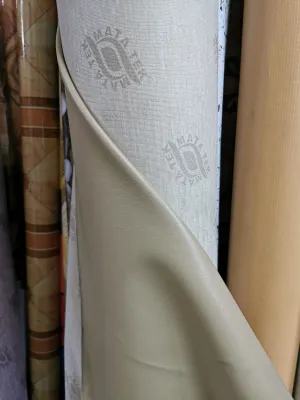
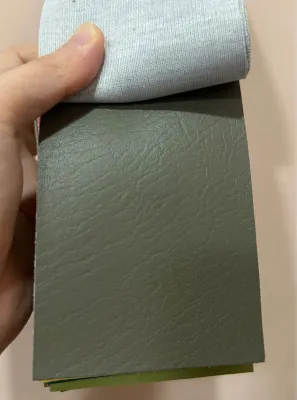
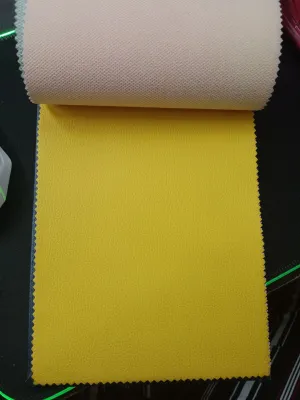
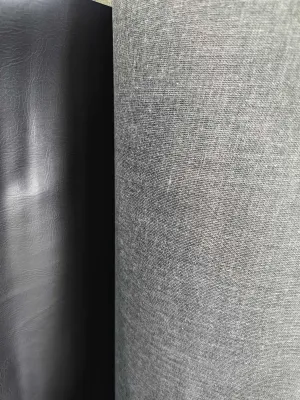
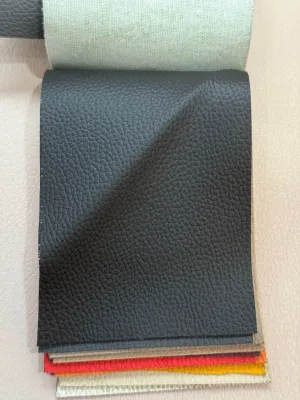
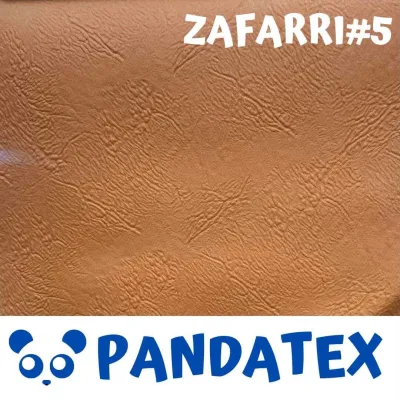
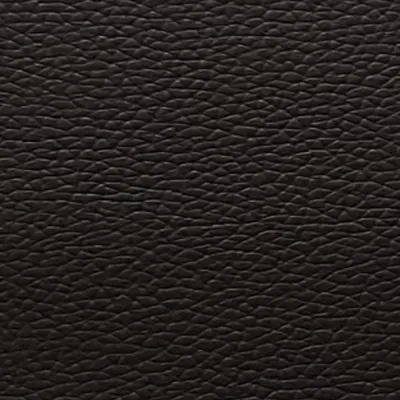
Prices are valid at publication and may change. Please refer to the product page for the latest price.
At its core, leatherette fabric consists of a multi-layered construction. The base layer is typically a woven, knitted, or non-woven fabric made from cotton, polyester, rayon, or a synthetic blend. This backing provides the material with its structural strength, stretch, and tear resistance. Atop this base, manufacturers apply a synthetic polymer grain layer, which is textured to simulate the natural pores and wrinkles of animal hide.
The polymer layer is most commonly made from either polyvinyl chloride (PVC) or polyurethane (PU). PVC-based leatherette is generally tougher and more rigid, whereas PU-based varieties tend to be softer and more pliable. Because of these structural differences, the term leatherette encompasses a wide range of weights, from paper-thin sheets used in delicate bookbinding to heavy, thick rolls designed for automotive upholstery.
In the sewing and stationery sectors, leatherette fabric is highly valued for its clean finish and structural stability. It is a staple material for bookbinding, custom journal covers, pencil cases, pouches, cosmetic bags, and lightweight tote bags. Because it does not fray at the edges, crafters can leave seams raw, saving time and creating sleek, modern silhouettes.
However, because specific performance traits like thickness, flexibility, and surface texture vary significantly by manufacturer, you should never buy in bulk without verification. It is highly recommended to check the technical specifications provided by the supplier or request small material swatches. Testing how a specific brand of leatherette bends, stitches, and creases will save you from costly mistakes during assembly.
Leatherette vs. Genuine Leather: Comparing Workability and Lifespan
When comparing leatherette fabric to genuine leather, the differences in physical handling, sewing difficulty, and long-term durability are stark. Genuine leather is a natural, fibrous material that varies in thickness, texture, and shape across a single hide. Leatherette, by contrast, is highly uniform, offering a consistent thickness and straight edges that make pattern layout and cutting incredibly efficient.

From a sewing perspective, both materials share a unique challenge: they do not self-heal. Unlike woven cotton or linen, where fibers shift to accommodate a needle, punching a hole in either leatherette or genuine leather leaves a permanent mark. If you make a mistake and have to rip out a seam, the needle perforations will remain visible, potentially weakening the seam line. This characteristic requires careful planning, the use of clips instead of pins, and slow, deliberate stitching.
The financial investment required for these materials also differs dramatically. In local textile markets, high-quality leatherette fabric is highly accessible, often retailing between ₱150 and ₱350 per yard. Genuine leather hides are sold by the square foot rather than the yard, quickly running into thousands of pesos per piece. For beginners or large-scale projects, the lower cost and wide, predictable dimensions of synthetic options make them the practical choice.
Before making your first cut, always verify the material’s thickness and backing type. These physical properties dictate the required needle size, machine presser foot, and thread tension. A heavy, stiff backing will put significantly more strain on your sewing machine than a light, stretchy knit backing, making material verification a critical first step.
Handling and Sewing Characteristics
The drape and stiffness of standard leatherette vary greatly depending on its chemical formulation. While genuine leather can range from butter-soft lambskin that drapes beautifully to thick, rigid vegetable-tanned cowhide, synthetic leatherette often sits somewhere in the middle. PVC-based leatherette is notoriously stiff, making it excellent for structured items like rigid boxes or heavy book covers, but difficult to turn right-side out when sewing bags.
To sew these materials successfully on a domestic machine, specialized tools are necessary. The plastic coating on leatherette has a high-friction surface that tends to stick to standard metal presser feet, causing uneven feeding and skipped stitches. Using a Teflon (non-stick) foot or a roller foot allows the machine to glide smoothly over the surface. Additionally, choosing a sharp microtex needle or a specialized leather needle ensures clean punctures without tearing the polymer layer.
Longevity and Environmental Factors
The natural structure of genuine leather allows it to breathe, absorbing and releasing moisture while developing a unique patina over decades of use. With proper conditioning, genuine leather can last a lifetime, becoming softer and more characterful. Leatherette fabric, being non-porous, does not breathe and cannot develop a patina; instead, its synthetic surface remains static until it eventually degrades.
Environmental factors play a massive role in the lifespan of synthetic fabrics, especially in tropical climates characterized by high heat and humidity. Under these conditions, the polymer layers of leatherette are highly susceptible to hydrolysis—a chemical reaction where moisture breaks down the polyurethane or PVC bonds, causing the surface to bubble, crack, and peel away from the fabric backing. The lifespan of your project depends heavily on the quality of the polymer used, the thickness of the coating, and how well the item is protected from extreme humidity.
Leatherette vs. PU Leather: Decoding Fabric Labels and Terminology
Navigating fabric descriptions can be incredibly confusing, especially when terms like “leatherette,” “PU leather,” and “faux leather” are used interchangeably. To make an informed purchase, you must understand that PU leather is actually a specific sub-category of synthetic leather, whereas leatherette serves as an overarching umbrella term. Leatherette can refer to materials coated with either polyurethane (PU) or polyvinyl chloride (PVC).
Distinguishing between PU and PVC is crucial because they behave differently under your sewing needle and in daily use. PU leather is manufactured by applying a liquid polyurethane layer over a fabric base. This polymer is inherently softer, more flexible, and slightly more breathable than PVC. It mimics the natural hand-feel and drape of genuine leather very closely, making it the preferred choice for flexible journal covers, pouches, and apparel.
PVC leatherette, on the other hand, is made by compounding polyvinyl chloride with plasticizers and stabilizers before applying it to the fabric backing. This results in a much stiffer, heavier, and completely non-porous material. While PVC is highly durable, scratch-resistant, and easy to clean, it lacks the soft drape of PU. It is best suited for highly structured items that do not require tight curves or frequent flexing.
When sourcing materials, do not rely solely on vague marketing names like “vegan leather” or “eco-leather,” which can mask the actual chemical composition. Always examine the technical data sheet, product tags, or online descriptions for the exact coating and backing materials. Knowing whether you are working with a PU-coated polyester knit or a PVC-coated woven cotton will tell you exactly how the fabric will drape, stretch, and respond to your sewing machine.
Matching the Material to Your Sewing or Crafting Project
Selecting the correct material requires balancing the aesthetic goals of your project with the physical demands the item will face. A material that works beautifully for a rigid, decorative book cover may fail miserably if used for a flexible, high-wear daily tote bag. By matching the specific properties of genuine leather, PU leatherette, and PVC leatherette to your project type, you ensure both sewing success and product longevity.
For stationery projects like custom planners, notebook covers, and desk mats, synthetic leatherette is often the superior choice. Its uniform thickness allows for precise folding and clean glued edges, which are difficult to achieve with the variable thickness of genuine leather hides. If you are crafting a soft, wrap-around journal cover, a lightweight PU leatherette provides the necessary flexibility. For a rigid, hardbound book cover, a thin PVC-based leatherette provides a smooth, durable surface that adheres well to bookbinding board.
For bags, accessories, and heavy-use items, the choice depends on the desired lifespan and the capabilities of your sewing machine. If you want to create an heirloom-quality piece that can withstand heavy loads and daily friction, genuine leather remains the gold standard due to its high tensile strength. However, if you are making lightweight pouches, cosmetic bags, or fashion accessories on a budget, PU leatherette offers a beautiful, animal-free alternative that is easy to cut and sew.
| Material Type | Best Project Applications | Sewing Ease | Key Care Considerations |
|---|---|---|---|
| Genuine Leather | Heirloom bags, heavy-duty straps, premium wallets | Moderate to Difficult (requires heavy-duty machine, specialized needles) | Needs regular conditioning; susceptible to mold in high humidity if untreated |
| PU Leatherette | Flexible journal covers, soft pouches, lightweight apparel | Moderate (requires Teflon foot, microtex/leather needle) | Wipe clean with damp cloth; avoid high heat and prolonged moisture |
| PVC Leatherette | Rigid bookbinding, structured pencil cases, heavy-duty covers | Moderate to Difficult (can be stiff; requires slow sewing and thick needles) | Wipe clean; highly water-resistant but prone to cracking if exposed to direct sun |
Caring for Leatherette: Preventing Peeling and Humidity Damage
Proper maintenance is the key to extending the life of any item made from leatherette fabric. Because the surface is a synthetic plastic layer rather than an organic skin, it does not absorb traditional leather conditioners or oils. Applying heavy oils or animal-fat-based conditioners to leatherette will only leave a greasy residue that can actually attract dirt and accelerate the breakdown of the polymer.
For routine cleaning, a simple approach is best. Wipe the surface gently with a soft, clean microfiber cloth dampened with lukewarm water. If the item is heavily soiled, a tiny drop of mild dish soap can be added to the water, but you must wipe away any soapy residue with a clean, damp cloth afterward. Avoid harsh chemical solvents, alcohol-based sanitizers, or abrasive scrubbing brushes, as these can strip away the protective topcoat and cause immediate discoloration or cracking.
Storage conditions are critical, especially in humid tropical regions like the Philippines. To prevent the dreaded process of hydrolysis—where moisture breaks down the chemical bonds of the polymer—always store your leatherette items in cool, dry, and well-ventilated spaces. Avoid keeping them in sealed plastic containers or dark, humid closets without airflow, as this traps moisture and creates a breeding ground for mold and peeling. Placing silica gel packets inside stored bags or journal covers can help absorb excess moisture.
Additionally, protect your leatherette projects from prolonged exposure to direct sunlight and high heat. Leaving a synthetic leather journal on a sunny windowsill or inside a hot vehicle can cause the plasticizers within the polymer layer to evaporate. Once these plasticizers are lost, the material becomes incredibly brittle, leading to irreversible cracking and peeling.
Frequently Asked Questions (FAQ)
Is leatherette fabric completely waterproof?
While the synthetic polymer top layer (whether PU or PVC) is entirely waterproof and will repel liquid spills, the overall fabric is not guaranteed to be completely waterproof. Moisture can easily penetrate through the woven fabric backing along raw edges, and water can seep through the needle holes created during sewing. For outdoor or water-resistant projects, you must check the manufacturer’s specific water-resistance ratings and seal your seams appropriately.
Can I sew leatherette on a standard home sewing machine?
Yes, most standard domestic sewing machines can easily handle light to medium-weight leatherette fabric. To ensure smooth stitching, use a non-stick Teflon foot or a roller foot to prevent the material from sticking to the machine. Equip your machine with a sharp microtex or leather needle (size 80/12 to 90/14), and lengthen your stitch to 3.0mm or 4.0mm to avoid creating a perforated line that could easily tear.
How do I fix peeling leatherette?
Once leatherette fabric begins to peel, the damage is a result of structural chemical breakdown and cannot be permanently reversed. You can apply temporary cosmetic fixes, such as flexible vinyl repair compounds or specialized fabric paints, to match the color and seal the area temporarily. However, these solutions are only stopgaps, and replacing the degraded material is the only permanent solution for heavily damaged items.
Community discussion
Share your experience or ask a question. Comments are reviewed before publication.