
Every time you open a fresh notebook, its physical layout silently dictates how your thoughts will flow. For decades, the vertical, portrait-style notebook has been the default choice for students, writers, and professionals alike. However, as modern workspaces evolve and note-taking styles become more visual, the horizontal, landscape-style notebook has gained significant traction. Choosing between a lengthwise (landscape) and a crosswise (portrait) notebook is not merely an aesthetic decision; it directly impacts your writing posture, how you organize information, and how efficiently you use your physical workspace.
In the Philippines, where study tables in university libraries, co-working spaces, and local coffee shops are often compact, managing your desk footprint is a daily challenge. Furthermore, the tropical climate and high humidity levels can affect how paper behaves, making the choice of binding and page orientation crucial for long-term durability. Whether you are a student mapping out complex organic chemistry structures, a programmer drafting system architectures, or a creative writer keeping a journal, understanding the structural and functional differences between these two layouts will help you select the perfect tool for your daily tasks.
Defining Lengthwise and Crosswise Notebook Layouts
To make an informed choice, it is essential to first clarify the terminology and physical characteristics of these two orientations. A crosswise notebook, commonly referred to as portrait or vertical orientation, is bound along its longer edge. This is the traditional format we see in standard school composition books, spiral-bound lecture pads, and classic diaries. The page is taller than it is wide, encouraging a top-to-bottom, linear progression of text.
Products mentioned in this guide
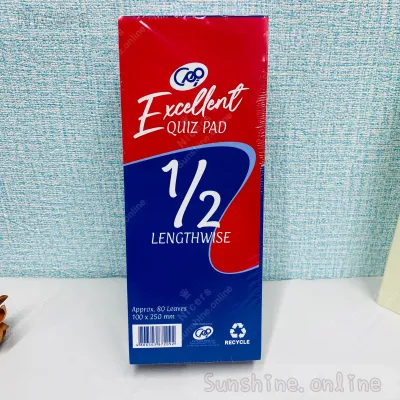
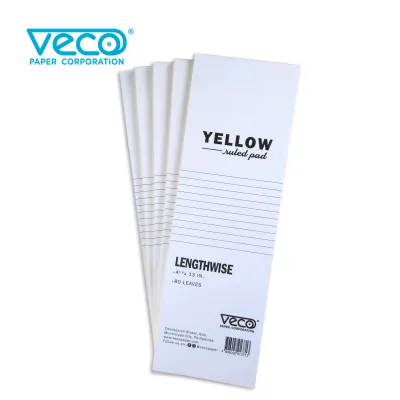
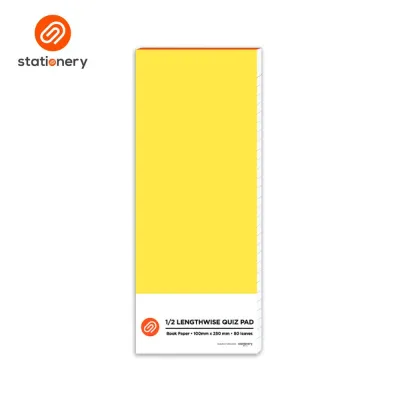
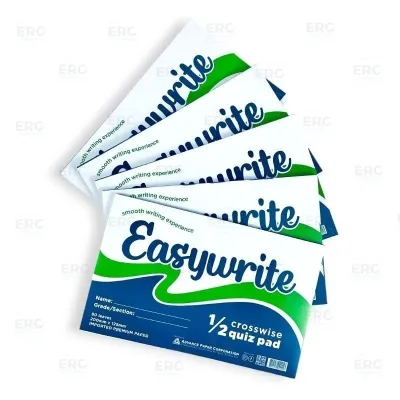
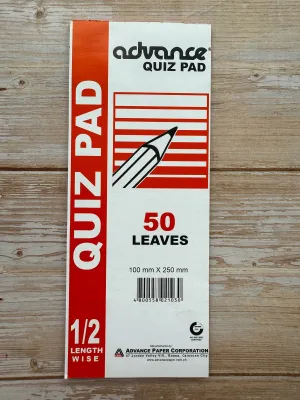
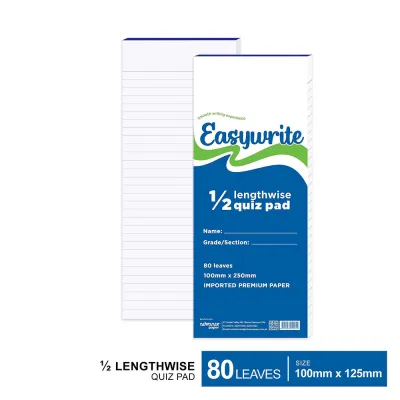
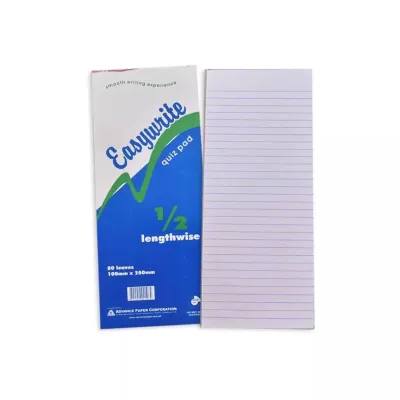
Prices are valid at publication and may change. Please refer to the product page for the latest price.
Conversely, a lengthwise notebook, also known as landscape or horizontal orientation, is bound along its shorter edge or along the top long edge to open upward. This layout provides a page that is wider than it is tall. This horizontal canvas mimics the aspect ratio of modern computer monitors, laptops, and tablets, offering a panoramic view of your notes.
The proportions of these pages significantly alter the usable writing area and how margins are utilized. In a standard crosswise layout, margins are typically positioned on the left side, creating a clear boundary for bullet points, dates, or corrections. In a lengthwise layout, margins are often omitted entirely, or the page is divided into columns to prevent lines of text from becoming excessively long and difficult to read.
Standard paper sizes, such as A4, A5, and B5, are available in both orientations. For example, a standard crosswise B5 notebook measures approximately 176mm wide by 250mm tall. A lengthwise B5 notebook flips these dimensions, offering a spacious 250mm of horizontal writing width and 176mm of vertical height. This simple rotation shifts the center of gravity of your writing hand and changes how much of the page you can view at a single glance without adjusting your posture.
Aligning Notebook Orientation With Your Subject Matter
The nature of the subject you are studying or documenting should be the primary driver behind your choice of notebook orientation. Different academic disciplines and professional tasks require different spatial arrangements on the page.

Lengthwise notebooks are exceptionally well-suited for wide-format, non-linear information. If your work involves complex mathematical equations, chemical formulas, or programming code blocks, a horizontal layout allows you to write long strings of characters on a single line without forced, confusing line breaks. Visual thinkers, project managers, and designers also benefit immensely from the landscape format. It provides the ideal canvas for drawing horizontal timelines, detailed mind maps, flowcharts, and user interface wireframes. When sketching out a website layout or a mobile application interface, the landscape page naturally matches the screen dimensions you are designing for, making the transition from paper to digital seamless.
On the other hand, crosswise notebooks remain the gold standard for linear, text-heavy writing. If your daily routine consists of writing essays, taking continuous lecture notes, recording meeting minutes, or keeping a traditional diary, the vertical layout is highly efficient. Human eyes are naturally accustomed to reading narrow columns of text, which is why newspapers, magazines, and textbooks are printed in portrait orientation. Writing long paragraphs across a wide landscape page can lead to visual fatigue, as your eyes must travel a long distance to find the beginning of the next line.
For those who engage in mixed-use note-taking—combining text with diagrams—the choice of ruling or grid pattern becomes critical. Dot-grid and graph patterns are highly versatile in both orientations. In a lengthwise notebook, a dot-grid pattern allows you to easily divide the wide page into two or three vertical columns for standard text, while leaving the bottom or side open for horizontal diagrams. If you prefer lined paper, a crosswise notebook is generally more practical for pure writing, as it offers more lines per page, reducing the frequency with which you need to flip pages during a fast-paced lecture or meeting.
Evaluating Desk Space, Ergonomics, and Binding Styles
Beyond the content of your notes, the physical environment in which you write plays a massive role in determining which orientation is more comfortable and practical. Desk space, hand ergonomics, and portability are three critical factors that vary significantly between lengthwise and crosswise layouts.
In modern workspaces, desk real estate is often limited. If you work with a laptop or a desktop computer, a traditional crosswise notebook can be difficult to position. Placing a portrait notebook to the side of your keyboard forces you to constantly turn your neck, which can lead to strain over long study sessions. Placing it directly in front of your keyboard is often impossible because the vertical height of the open notebook pushes the keyboard too far back, compromising your typing posture. A lengthwise notebook, particularly one that is top-bound, solves this spatial puzzle beautifully. It can sit neatly in the narrow gap between your keyboard and the edge of the desk, allowing you to type and take handwritten notes simultaneously without twisting your body or sacrificing desk space.
Binding styles also interact differently with each orientation, directly affecting writing comfort. In a traditional side-bound crosswise notebook, the central spine or spiral rings can obstruct your hand, especially when writing near the inner margins. For left-handed writers, this is a constant source of discomfort, as their wrist must rest on the bumpy binding when writing on the right-hand page. Lengthwise notebooks offer unique ergonomic solutions. A top-bound landscape notebook moves the binding completely out of the way of your writing hand, regardless of whether you are left-handed or right-handed. This allows for a completely flat, unobstructed writing surface from the first line to the last.
Portability and storage are final practical considerations. Standard backpacks, messenger bags, and tote bags are vertically oriented, designed to hold laptops and folders upright. A large lengthwise notebook can be awkward to pack, as its wide dimensions may not fit into standard internal sleeves. If packed horizontally, the corners of the cover can easily become bent or frayed against the sides of the bag. To prevent this, look for lengthwise notebooks with rigid hardcovers or opt for a compact A5 size that slides easily into bag compartments. In the humid tropical climate of the Philippines, paper can absorb moisture from the air, making soft covers prone to warping; a sturdy hardcover or a protective plastic sleeve is highly recommended to keep your landscape pages pristine during your daily commute.
Comparing Lengthwise and Crosswise Notebooks at a Glance
To help you quickly evaluate the physical and functional differences between these two layouts, the following table summarizes their key characteristics based on observable structural traits and standard use cases.
| Feature | Lengthwise (Landscape) | Crosswise (Portrait) |
|---|---|---|
| Primary Orientation | Horizontal (wider than it is tall) | Vertical (taller than it is wide) |
| Ideal Subject Matter | Mind maps, timelines, coding layouts, sketching, wide equations | Linear text, essays, traditional journaling, meeting minutes |
| Common Binding Styles | Top-bound spiral, side-bound landscape stitch | Side-bound spiral, left-side book binding |
| Desk Footprint | Fits easily below keyboards or in shallow, wide spaces | Requires deeper vertical space when fully opened |
| Portability | May require wider bags; best with rigid covers | Slides easily into standard backpacks and document sleeves |
| Left-Handed Friendliness | High (especially top-bound styles) | Variable (side binding can obstruct the hand) |
How to Choose the Right Notebook Orientation for You
Selecting the perfect notebook orientation comes down to analyzing your personal note-taking profile, your physical workspace, and your daily habits. Use the following frameworks to guide your decision before making a purchase.
Choose a lengthwise notebook if:
- Your daily workflow is highly integrated with a computer, and you need a notebook that fits comfortably in front of your keyboard.
- You are a visual planner, designer, or programmer who frequently draws mind maps, flowcharts, website wireframes, or horizontal timelines.
- You write long mathematical equations, chemical structures, or code snippets that require wide horizontal space to remain readable.
- You are left-handed and want to avoid the discomfort of resting your hand on a central side binding by using a top-bound layout.
Choose a crosswise notebook if:
- Your primary task is writing continuous, long-form text, such as essays, detailed lecture notes, or daily journal entries.
- You frequently take notes on your lap, on small lecture hall tablet chairs, or while standing, where a vertical notebook provides better structural support.
- You prioritize maximum portability and want a notebook that slides effortlessly into standard vertical bag compartments and laptop sleeves.
- You prefer a traditional, book-like reading flow when reviewing your notes later.
Verify first before checkout: Before finalizing your purchase on any online marketplace or at a local stationery store, perform these essential quality checks:
- Paper Weight (GSM): Check the paper density. For fountain pens or heavy gel pens, look for paper that is 80 GSM or higher to prevent ink feathering and bleeding, which can be exacerbated by high humidity.
- Binding Durability: Ensure the spiral wire or stitched spine is robust. For lengthwise notebooks, a sturdy top-bound spiral is often the most durable option for frequent page-flipping.
- Cover Rigidity: If you plan to carry a landscape notebook in a backpack, opt for a hard cardboard or plastic cover to protect the wide edges from bending.
- Exact Dimensions: Measure your desk space and your daily bag to ensure the notebook's width or height matches your physical constraints.
Frequently Asked Questions (FAQ)
Can I use a lengthwise notebook for everyday journaling?
Yes, you can comfortably use a lengthwise notebook for daily journaling, but it helps to adapt your writing layout to maintain readability. Because landscape pages are wide, writing a single line of text from the left edge to the right edge can make reading back your entries difficult. To resolve this, try dividing each page into two or three vertical columns, similar to a newspaper or magazine layout. This keeps your line lengths short and easy to scan. Alternatively, you can use the left side of the wide page for structured bullet points or habit trackers, and the right side for free-form reflective writing.
Does crosswise orientation affect left-handed writers?
Yes, traditional crosswise notebooks with left-side bindings often present ergonomic challenges for left-handed writers. As a left-handed writer moves their hand across the page, their wrist or palm frequently rests directly on the metal spiral or thick stitched spine, which can cause discomfort and smudge fresh ink. To avoid this, left-handed users should look for top-bound crosswise notebooks, which move the binding to the top edge and keep the sides completely clear. Another excellent option is to choose a lay-flat thread-bound notebook, which minimizes the height of the central seam and allows the hand to glide smoothly across the transition between pages.

Community discussion
Share your experience or ask a question. Comments are reviewed before publication.