
Quick Answer: Which Planner Fits Your Routine?
Choosing between the Limelight 2026 planner and other popular options in the Philippines depends on your balance of structured goal-setting, paper preferences, and budget. There is no single option that suits every writing style, so identifying your daily organizational habits is the first step toward making a successful purchase.
Recommend the Limelight 2026 planner if you want an affordable, pre-structured layout with built-in habit trackers, weekly reviews, and localized elements. It serves as an excellent middle ground for users who want to organize their personal and professional life without the high cost of imported productivity systems.
Recommend minimalist or dot-grid alternatives if you prefer creative freedom, custom layouts, and heavy marker or watercolor use. These blank canvases are ideal for those who enjoy the artistic process of bullet journaling and do not want to be confined by pre-printed templates.
Products mentioned in this guide


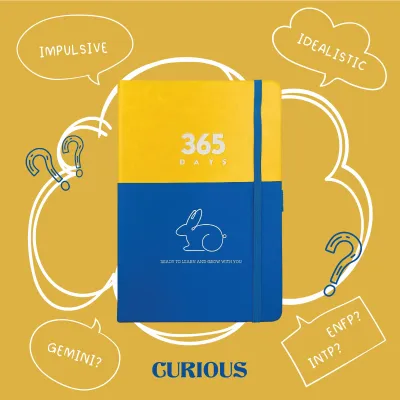
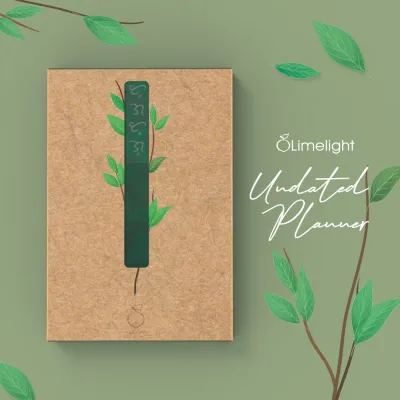
Prices are valid at publication and may change. Please refer to the product page for the latest price.
Recommend heavy-duty daily planners if you manage a packed hourly schedule and require dedicated daily pages. These high-capacity options are best for students with heavy course loads or professionals with back-to-back meetings who need to block out every hour of the day.
By evaluating these core preferences, you can narrow down your choices and find a tool that genuinely enhances your daily productivity. The following sections break down paper quality, binding styles, and layout structures to help you finalize your choice for the upcoming year.
What to Expect From the Limelight 2026 Planner
Limelight has established a solid reputation in the local stationery community for offering functional, productivity-focused planners at an accessible price point. Historically, their planners combine goal-setting frameworks, monthly overviews, and structured weekly layouts designed to keep users aligned with their personal and professional objectives. They are particularly popular among Filipino students and young professionals who want a reliable organizational tool without a premium price tag.

Since exact specifications can vary year-on-year, always verify the exact layout format of the 2026 edition before purchasing. Limelight often releases multiple formats, including horizontal and vertical weekly spreads, so you must confirm which style aligns with your handwriting size and scheduling habits. Additionally, check the paper weight, which is typically measured in grams per square meter (GSM), to ensure it can handle your preferred writing instruments.
Pay close attention to the physical build of the planner, including the cover material and binding type. Limelight planners frequently feature durable synthetic leather or sturdy hardboards designed to withstand the wear and tear of daily commuting. Look for practical details like ribbon markers, elastic closures, and expandable back pockets, which add convenience to your daily routine.
To avoid counterfeit or outdated stock, verify the latest 2026 release details, colorways, and included accessories directly through the official brand store or authorized local stationery retailers. Checking official product listings ensures you receive authentic paper stock and the exact layout configuration advertised for the current year.
Key Comparison Dimensions for Your Planner Search
Before comparing specific brands, understand the key technical dimensions that dictate how a planner performs under daily use. Evaluating these criteria systematically allows you to compare any planner on the market objectively.
Layout and Planning Structure
Choosing between dated and undated formats is your first major decision. Dated planners, like the Limelight 2026 planner, provide immediate structure and chronological discipline, making them ideal for users who plan consistently every week. Undated options offer flexibility if you tend to skip weeks, ensuring that no paper goes to waste during busy periods or vacations.
Weekly spreads are ideal for bird’s-eye planning and project management, whereas daily spreads accommodate detailed time-blocking and extensive journaling. Assess your daily writing volume to determine if a single page per day is necessary or if a weekly overview suffices. A weekly layout keeps the planner slim, while a daily layout provides ample space for long-form notes.
Look for built-in modules like monthly budget trackers, habit grids, and vision boards. These pre-printed sections save setup time but can feel restrictive if they do not align with your personal habits. Ensure the structured prompts in the planner actually serve your goals rather than cluttering your writing space.
Paper Quality and Pen Compatibility
Paper weight, measured in GSM, is a primary indicator of how well a page handles different writing instruments. Standard planners typically range from 70 GSM to 120 GSM, with higher numbers generally indicating thicker pages that resist ink penetration. If you use heavy ink sources, prioritizing higher GSM paper is essential.
For users in the Philippines, local humidity levels can affect paper fibers, sometimes increasing ink absorption and lengthening drying times. If you regularly write with gel pens, fountain pens, or water-based brush markers, verify if the paper is coated to prevent feathering and ghosting. Uncoated, thin paper is highly prone to absorbing moisture, which can cause inks to spread and bleed through to the other side of the page.
Conducting a small ink test or “swatch test” on an inconspicuous back page is the most reliable way to check compatibility. Look for immediate bleed-through, where ink soaks completely through the sheet, and ghosting, where the shadow of the writing is visible on the reverse side. If you prefer fine-tip ballpoint pens, paper texture and smoothness will be your primary focus rather than bleed resistance.
Size, Binding, and Everyday Portability
Planner dimensions dictate how easily the book fits into your daily routine. An A5 size (roughly 5.8 x 8.3 inches) offers a balanced canvas for writing while fitting comfortably into most backpacks and tote bags. Smaller sizes like B6 or A6 prioritize portability but limit the amount of information you can record on a single page.
Binding styles determine the physical usability of the planner on flat surfaces. Thread-sewn binding allows the planner to lay completely flat, which is essential for comfortable writing across the center fold. Spiral or wire-o binding allows you to fold the book back on itself to save desk space, but the metal coils can sometimes interfere with your hand placement while writing.
Consider the durability of the cover material, especially if you commute regularly via public transit in Manila. Hardcovers and thick polyurethane (PU) leather covers protect the inner pages from bending and moisture in packed bags. If you select a soft paper cover, you may need to invest in an additional protective plastic sleeve to prevent frayed edges over months of use.
How Limelight Compares to Other Popular Planner Styles
Understanding how Limelight positions itself against broad categories of popular planners available in the Philippines helps you identify the correct style for your workflow.
Structured Productivity and Goal-Tracking Planners
Structured planners are designed for individuals who want more than just a calendar; they act as personal coaches. Limelight incorporates goal-setting frameworks, monthly reflection pages, and habit trackers to help users maintain momentum throughout the year. This structure is highly beneficial for individuals who appreciate guided organization.
When comparing Limelight to other structured planners in the local market, pay attention to the complexity of the prompts. Some international productivity planners use highly rigid, multi-step systems that can feel overwhelming for beginners or those with straightforward schedules. These premium imported options often come with a steep learning curve and a premium price tag.
Limelight strikes a balance by providing clear, uncomplicated tracking sections that do not crowd the primary writing space. This makes it an approachable entry point for students and young professionals who want to build organizational habits without feeling pressured by overly complex templates. The inclusion of localized holidays and clean, minimalist typography also enhances its daily usability for Filipino users.
Minimalist and Freeform Grid Planners
Minimalist planners, often featuring dot-grid, grid, or blank pages, stand in stark contrast to structured layouts. These planners provide maximum freedom, allowing you to design your own spreads, track custom metrics, and integrate sketching or calligraphy. Popular choices in this category focus entirely on paper quality and construction, leaving the interior design completely up to the user.
While minimalist planners offer unparalleled flexibility, they demand a significant time investment. You must manually draw calendars, write out dates, and design layouts from scratch, which can become a chore during busy weeks. If you lack the time or inclination to design your own spreads, a blank notebook can quickly lead to planning fatigue.
Choosing between Limelight’s pre-printed structure and a minimalist grid planner comes down to your willingness to design. If you enjoy the artistic process of bullet journaling and use wet media like fountain pens or watercolor, a dedicated high-GSM grid notebook is superior. If you prefer to open your book and immediately start scheduling, Limelight’s ready-to-use pages save valuable time and effort.
High-Capacity Daily Scheduling Planners
For professionals, medical workers, or students with packed hour-by-hour commitments, a weekly layout may not provide enough writing space. High-capacity daily planners dedicate an entire page to each day, often including hourly timestamps from morning to night. This format ensures you have ample room for detailed task lists, meeting notes, and daily reflections.
The primary trade-off with daily planners is physical bulk. A book with over 365 individual daily pages is significantly thicker and heavier than a weekly planner, making it less convenient to carry during daily commutes. If you travel frequently or work on the go, carrying a thick daily volume can become a physical burden.
Limelight typically balances this by utilizing weekly spreads that consolidate your schedule into a two-page view, keeping the profile slim and portable. If your daily task list is moderate, a weekly layout keeps your bag light and organized. If you absolutely require detailed time-blocking and extensive daily notes, a dedicated daily planner is worth the extra weight and desk footprint.
Assessing Budget and True Value
When evaluating the cost of a planner, look beyond the initial price tag to determine its overall value. Calculate the cost relative to the quality of materials, the number of usable pages, and the inclusion of functional extras. A slightly more expensive planner that includes durable binding and ink-friendly paper often proves more economical than a cheap notebook that falls apart by mid-year.
In the Philippines, planner prices span a wide spectrum, from budget-friendly options under ₱300 to premium imported brands exceeding ₱1,500. Limelight generally positions itself in the highly accessible mid-range tier, offering competitive features without the premium price tag associated with imported stationery. This makes it a highly cost-effective choice for budget-conscious buyers who still demand decent paper performance.
To find the most accurate pricing, check official online storefronts, physical department stores, and established local stationery shops. Be cautious of extremely low prices on unauthorized marketplaces, as these may indicate older stock, damaged items, or counterfeit goods. Purchasing from authorized sellers ensures you receive a genuine product with intact binding and correct page counts.
Remember to factor in secondary expenses, such as shipping fees to your specific region and the cost of specialized writing tools. If a planner’s paper requires specific low-bleed gel pens or fountain pen inks to perform well, those additional purchases will increase your total investment. Opting for a planner with versatile paper compatibility helps keep your overall stationery costs manageable.
Final Decision Framework: Make Your Choice
To finalize your decision, match your daily habits and preferences to the following conditional scenarios:
- Choose the Limelight 2026 Planner if: You want a structured, goal-oriented system with built-in habit trackers, appreciate a lay-flat design, prefer an affordable mid-range price point, and want to support an established brand popular in the local stationery community.
- Choose a Minimalist/Grid Alternative if: You want absolute control over your page layouts, enjoy bullet journaling, calligraphy, or sketching, and have the time to manually draw your weekly and monthly spreads.
- Choose a High-Capacity Daily Planner if: Your daily schedule requires intensive hour-by-hour time-blocking, you take extensive meeting notes, and you do not mind carrying a thicker, heavier book in your bag.
Before checking out, perform a final verification of the product specifications. Check the exact dimensions to ensure it fits your favorite bag, confirm the paper weight (GSM) to match your preferred pens, and verify stock availability on official retail channels to ensure a smooth start to your planning journey.
Community discussion
Share your experience or ask a question. Comments are reviewed before publication.