
Finding the perfect planner in the Philippines is a highly personal journey, especially when balancing the demands of school, work, and creative hobbies. The Limelight planner has emerged as a popular local choice, known for its clean aesthetics and functional layouts, but it exists in a competitive market filled with diverse alternatives. Deciding whether this specific brand or another option suits your daily routine requires looking beyond cover designs to evaluate structural layouts, paper specifications, and overall value. The ideal planner is not a one-size-fits-all product; instead, it depends entirely on your unique writing workflow, your preferred pens, and how well the book survives daily commutes in tropical weather. By comparing these essential elements, you can select a tool that keeps you organized throughout the year without frustrating ink issues or structural failures.
Identifying Your Core Planning Requirements
Before comparing specific brands, you must define your non-negotiable planning features to avoid purchasing a book that eventually sits empty on your desk. The first step is determining your preferred layout structure, which dictates how you visualize your time. Daily formats offer maximum space for detailed scheduling and extensive journaling, making them ideal for busy professionals or students with packed agendas. Weekly layouts provide a broader overview of your seven-day commitments on a single spread, which helps in balancing long-term projects with daily tasks. If you prefer complete freedom or want to start planning at any point in the year, undated formats allow you to fill in dates manually, preventing the guilt of wasted pages during inactive weeks.
Beyond basic calendars, consider what tracking elements are essential for your personal growth and daily management. Many modern planners integrate dedicated sections for habit trackers, monthly goal setting, budget logs, and gratitude lists. If you rely on these structured prompts to stay motivated, look for options that build them directly into the monthly or weekly spreads. Conversely, if you prefer a minimalist approach, you might want a planner that prioritizes freeform space, such as blank or dotted pages, where you can design your own tracking systems.
Products mentioned in this guide
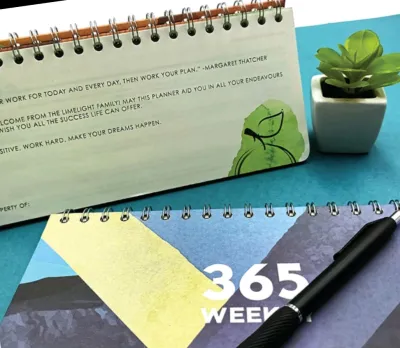
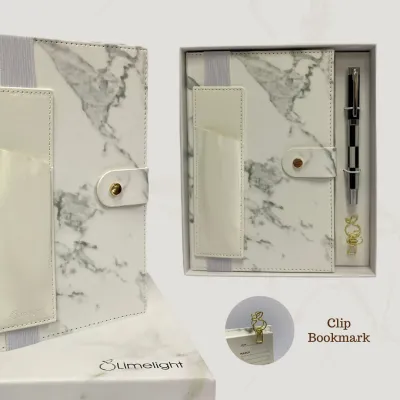

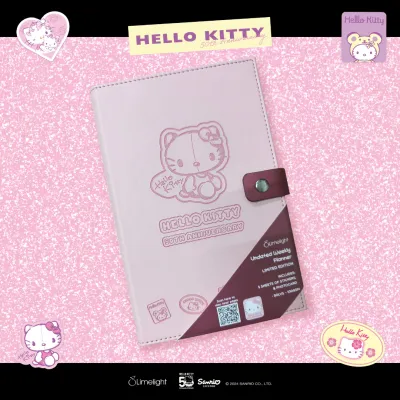
Prices are valid at publication and may change. Please refer to the product page for the latest price.
Portability is another critical factor that influences how consistently you will use your planner. An A5 planner is widely considered the sweet spot for most users, offering a generous writing area while fitting easily into standard backpacks and tote bags. If you work primarily at a single desk and require extensive space for detailed notes, a larger B5 size may serve you better. For those who are constantly on the move and only need to jot down quick reminders, a pocket-sized planner ensures your schedule is always within reach without adding unnecessary weight to your daily carry.
Comparing Layouts and Structural Features
The internal design of your planner directly affects how easily you can organize your thoughts and sketch out ideas. Page formats generally fall into four categories: grid, dotted, lined, or blank. Lined pages are excellent for straightforward journaling and structured list-making, keeping your handwriting neat and aligned. Dotted and grid formats offer a subtle guide that supports both writing and freehand drawing, making them the preferred choice for bullet journaling enthusiasts who like to customize their layouts. Blank pages provide absolute freedom, though they require a steady hand to keep writing from slanting across the page.

Binding types play a massive role in the durability and usability of your planner over months of constant handling. Stitched or thread-bound planners are highly favored for their ability to lay completely flat on a desk, allowing you to write comfortably near the center margin without fighting the spine. Spiral or wire-bound planners also lay flat and allow you to fold the book back on itself to save desk space, though the metal or plastic coils can sometimes get caught on other items in your bag. Disc-bound systems offer the ultimate flexibility, allowing you to add, remove, or rearrange pages as your needs change, though they require specialized punches and refills.
Do not overlook the small, supplementary structural features that enhance daily usability. An index page or table of contents helps you locate specific notes quickly, especially in thick, page-numbered journals. Perforated edges on some pages allow you to tear out shopping lists or quick notes cleanly without ruining the binding. Built-in ribbon bookmarks are essential for flipping directly to the current day or week, while an elastic band closure keeps the planner securely shut, protecting the pages from bending inside a crowded bag. A built-in pen loop ensures you always have your favorite writing instrument handy whenever inspiration strikes.
Assessing Paper Quality and Writing Performance
Paper quality is the foundation of any satisfying writing experience, yet it is often difficult to judge from online photos alone. To make an informed choice, start by checking the manufacturer’s product descriptions for the paper weight, measured in grams per square meter (GSM). Standard planners typically range from 70 GSM to 120 GSM or higher. Lighter paper around 70 to 80 GSM is common in mass-produced diaries; while it keeps the planner thin and lightweight, it is more prone to ink issues. Heavier paper, such as 100 GSM to 120 GSM, provides a sturdier feel and generally handles a wider variety of inks without compromising the physical thickness of the book.
Because paper performance depends on the exact combination of paper fibers, coatings, and ink formulas, you should perform observable tests with your preferred pens. Gel pens, ballpoints, and rollerballs behave differently on various surfaces. When testing a new planner, look closely for three common issues: bleed-through, feathering, and ghosting. Bleed-through occurs when ink penetrates completely through the sheet, ruining the reverse side. Feathering happens when ink spreads sideways along the paper fibers, creating fuzzy, distorted lines. Ghosting, or show-through, is when the writing is visible on the back of the page even though the ink has not physically broken through.
In the tropical climate of the Philippines, high humidity can also affect how paper behaves, sometimes causing sheets to absorb moisture from the air and altering ink drying times. This makes the choice of cover material equally important for protecting your notes. Hardcovers provide a solid writing surface when you are away from a desk and offer excellent protection against bent corners. Softcovers are lighter and more flexible, making them easier to pack into tight spaces. Synthetic leather or polyurethane (PU) covers provide a balance of durability and water resistance, helping to shield the inner pages from light splashes or damp hands during the rainy season.
Evaluating Price, Availability, and Overall Value
When comparing the Limelight planner to other popular options, weighing the overall cost against local availability is essential for a practical purchase. You can easily check current retail prices in ₱ by visiting official brand websites or browsing authorized stores on local e-commerce platforms. While some imported planner brands carry a premium price tag due to shipping and customs fees, local options like Limelight often provide a more budget-friendly entry point. It is helpful to calculate the cost-per-page or cost-per-month to determine if a premium option truly offers enough functional benefits to justify the extra expense.
Availability is another crucial factor, especially if you plan to use a modular system that requires ongoing refills. A planner system is only useful if you can easily source replacement pages, calendar inserts, or matching accessories when you run out. Opting for a brand with consistent local stock in the Philippines saves you from long shipping wait times and high international delivery fees. Additionally, purchasing from established local distributors ensures that you can quickly replace a damaged planner or buy matching notebooks to expand your organizational system mid-year.
Consider how the format of the planner affects its long-term value. Dated planners often go on sale as the new year progresses, but they lose utility if you purchase them late in the season. Undated planners, on the other hand, maintain their full value regardless of when you buy them, as you can pause and resume planning without leaving blank, wasted pages. Evaluate your personal consistency; if you tend to skip weeks or months of planning, an undated format will ultimately provide much better value for your money.
Making Your Final Planner Decision
Your final choice should align with your daily habits, aesthetic tastes, and the specific writing tools you use most often. The Limelight planner is an excellent match if you appreciate clean, minimalist layouts, reliable binding, and standard sizes that fit seamlessly into a modern professional or academic routine. Its balance of functional features and accessible local pricing makes it a strong contender for anyone seeking a dependable daily driver.
However, you should look toward alternative brands if your workflow demands highly specialized features. If you are a dedicated fountain pen user who requires ultra-smooth, ink-resistant paper, or if you need a highly modular disc-bound system that allows you to swap pages constantly, investing in a specialized alternative may be necessary. Similarly, if you require specific pre-printed templates for complex project management or detailed financial tracking, a niche planner designed around those exact systems will serve you better than a general-purpose layout.
If you remain undecided, take a step back and verify the specifications before making a purchase. You can read recent user reviews on e-commerce platforms to see how other local writers rate the paper smoothness and cover durability. If possible, visit a physical stationery store to feel the paper texture and test the lay-flat capability of the binding yourself. By taking the time to match a planner’s physical specifications with your actual writing habits, you will secure an organizational tool that supports your productivity all year round.
Frequently Asked Questions (FAQ)
Can I use fountain pens or markers in the Limelight planner?
To determine if your Limelight planner can handle fountain pens or heavy markers, you should first check the manufacturer’s stated paper weight and finish. While heavier paper weights generally resist ink penetration better, the specific coating on the paper also plays a major role in preventing feathering and bleed-through. Before writing extensively with wet inks or broad-tipped markers, perform a discreet corner test on the very last page of the planner. Write a few test lines using your specific pen and ink combination, then wait for it to dry completely to check the reverse side for any signs of ghosting or bleeding.
How do I transition my current notes into a new planner mid-year?
Transitioning to a new planner in the middle of the year is easiest when you utilize undated formats or broad monthly spreads to bridge the seasonal gap. Instead of trying to copy all your historical notes and completed tasks into the new book, focus solely on migrating active projects, recurring habits, and future commitments. Use the monthly calendar view to map out the remaining months of the year, and establish a clean starting point for your daily or weekly logs. This approach saves time, prevents frustration, and ensures your new planning system remains clean, organized, and forward-focused.
Community discussion
Share your experience or ask a question. Comments are reviewed before publication.