
Selecting the right fabric for formal wear requires balancing visual appeal, structural needs, and physical comfort. Liquid satin fabric is a highly fluid, high-sheen textile known for its water-like drape and glossy finish, making it a popular choice for modern, body-skimming evening wear. In contrast, Jusi is a traditional, semi-sheer, and structured fabric deeply woven into the heritage of Philippine formal attire. Choosing between these two distinct materials depends on whether your garment demands a cascading, fluid silhouette or a crisp, breathable, and culturally significant structure.
Understanding Liquid Satin Fabric for Formal Wear
Liquid satin fabric is characterized by its exceptionally smooth texture and a high-gloss surface that mimics the appearance of flowing liquid or molten metal. Unlike traditional stiff satins, this material is woven to maximize flexibility and movement. When draped, it does not hold rigid folds; instead, it pools and cascades, catching the light dynamically with every step. This fluid movement makes it highly sought after for contemporary formal wear, particularly for designs that rely on bias cuts, cowl necklines, and elegant slip silhouettes.
The physical properties of liquid satin depend heavily on its underlying fiber composition. While historically crafted from silk, modern liquid satin is frequently made from synthetic fibers such as polyester, acetate, or rayon blends. Polyester-based liquid satin offers high durability and resistance to wrinkling, but it may lack the breathability of natural fibers. Rayon and silk blends provide a softer hand-feel and better moisture absorption but require more delicate handling. It is essential to check the fabric bolt or product label to confirm the exact fiber content, as this determines how the material behaves under heat, tension, and humidity.
Products mentioned in this guide
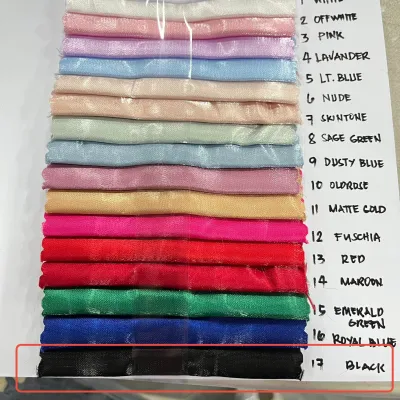
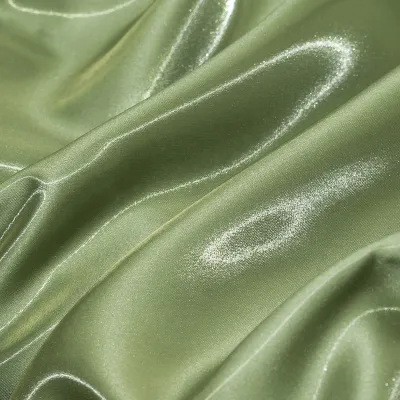
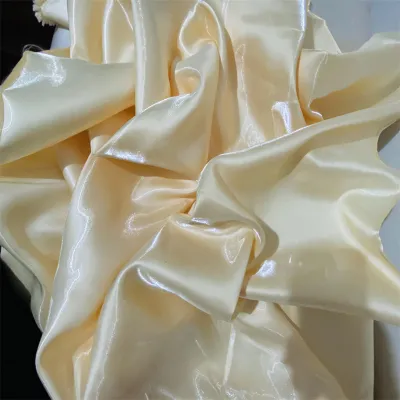
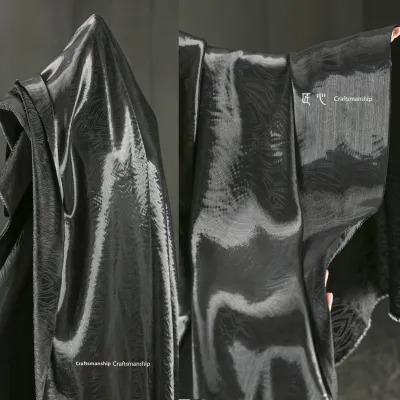
Prices are valid at publication and may change. Please refer to the product page for the latest price.
In formal fashion, liquid satin is typically utilized for garments that celebrate drape over structure. Evening gowns, bridesmaids’ dresses, and sophisticated formal blouses benefit from its reflective surface. Because the fabric clings slightly to the body, it highlights the silhouette, making it highly suitable for minimalist designs where the fabric itself serves as the primary visual statement.
Exploring Jusi and Traditional Local Fabrics
Jusi is a classic textile that holds a prominent place in traditional Philippine formal wear. Historically woven from abaca (banana fiber) or wild silk, modern Jusi is typically a fine, semi-sheer blend of silk and synthetic fibers. It is characterized by its lightweight feel, subtle matte-to-semi-lustrous finish, and a distinct structural stiffness. Unlike the highly uniform surface of modern synthetics, Jusi often features subtle, natural irregularities or slubs in the weave, which add organic texture and depth to the fabric.

This fabric carries immense cultural significance in the Philippines, serving as the primary material for the Barong Tagalog and traditional Filipiniana attire. Its semi-translucent quality allows it to be layered beautifully over linings, creating a formal look that is both dignified and airy. The inherent stiffness of Jusi allows designers to construct crisp collars, defined pleats, and the iconic structured sleeves characteristic of local formal wear.
Visually, Jusi filters light rather than reflecting it intensely. This creates a soft, diffused glow around the wearer, contrasting sharply with the sharp, mirror-like highlights of liquid satin. Its open, breathable weave makes it exceptionally well-suited for formal events, offering a refined aesthetic that remains comfortable even during daytime ceremonies.
Comparing Liquid Satin and Jusi for Your Formal Outfit
When deciding between liquid satin and Jusi, the primary consideration is the desired silhouette of your garment. Liquid satin is the optimal choice for fluid, body-skimming designs that require the fabric to move in harmony with the body. It excels in bias-cut gowns where the material must stretch and drape naturally. Jusi, on the other hand, is designed for structured elegance. If your outfit features sharp pleats, standing collars, or voluminous sleeves that must hold their shape independently of the body, Jusi provides the necessary structural support.
Climate comfort is another critical factor, particularly in the tropical heat and high humidity of the Philippines. Jusi is highly breathable due to its lightweight, semi-sheer weave, allowing air to circulate freely and keeping the wearer cool during long outdoor or non-air-conditioned events. Liquid satin, especially when composed of 100% polyester, tends to trap heat and moisture against the skin. For warm-weather formal gatherings, a polyester liquid satin can feel heavy and uncomfortable, whereas a natural silk or rayon-blend satin, or a traditional Jusi garment, will offer much better thermal comfort.
Maintenance and durability also differ significantly between the two materials. Liquid satin is highly susceptible to water spotting, snagging, and seam slippage if the garment is fitted too tightly. It requires careful pressing with a low-temperature iron to avoid melting synthetic fibers or creating permanent shine marks. Jusi, while delicate and prone to fraying at raw edges, holds its shape well and resists clinging. However, because of its sheer nature, Jusi garments almost always require a separate lining or undergarment, and the seams must be carefully finished or bound to prevent unraveling.
Visual aesthetics under different lighting conditions should also guide your choice. Liquid satin reflects light directly, creating high-contrast highlights and deep shadows that emphasize movement. This makes it highly dramatic under indoor event lighting or evening spotlights. Jusi, with its semi-translucent, matte finish, diffuses light. When worn outdoors during a daytime wedding or garden ceremony, Jusi offers a soft, elegant glow that looks natural and refined without being overly reflective.
How to Evaluate and Select Your Formal Fabric
To ensure your chosen fabric performs as expected, start by reading the fabric label or bolt end carefully. Do not rely solely on descriptive marketing terms like “liquid satin” or “traditional Jusi.” Confirm the exact fiber percentages—such as 100% polyester, silk-polyester blends, or abaca-silk blends—as these details dictate the fabric’s breathability, care requirements, and cost.
Perform a simple drape and weight test at the fabric store. Unroll a few meters of the fabric and let it hang over your arm. Observe how it falls: does it pool softly like water (liquid satin), or does it stand away from your arm with a crisp, airy volume (Jusi)? Additionally, hold the fabric up to a light source to evaluate its opacity and weave density. This test helps you determine the type of lining or undergarments required for your design.
To test wrinkle resistance, perform a quick squeeze test. Take a small corner of the fabric, squeeze it tightly in your fist for five seconds, and release it. A high-quality polyester liquid satin will typically bounce back immediately with minimal creasing. Jusi, depending on its silk and synthetic ratio, may retain light creases that require gentle steaming to release. Knowing this helps you plan for transport and wearability during long events where you will be seated for extended periods.
Consult with your tailor or designer before making a final purchase. Share your design sketches and ask for their professional input on fabric compatibility. A skilled tailor can advise on whether a specific liquid satin has enough weight to hang correctly without pulling at the seams, or if a particular Jusi blend has the necessary stiffness to support structured design elements like butterfly sleeves or formal collars.
Frequently Asked Questions (FAQ)
Can liquid satin and Jusi be combined in a single garment?
Combining liquid satin and Jusi in a single garment is possible, but it requires careful planning and a highly skilled tailor. Because liquid satin is fluid and heavy while Jusi is lightweight and stiff, joining them directly can cause tension at the seams, leading to puckering or tearing. To successfully combine them, a tailor must use appropriate stabilizing interlinings at the seams and ensure that the heavier liquid satin does not pull down or distort the delicate Jusi panels. It is also crucial to pre-wash or dry-clean both fabrics before cutting to prevent differential shrinkage from ruining the garment’s shape later.
How do I verify the exact care requirements before purchasing?
Before purchasing your fabric, locate the care instructions on the bolt end or ask the retailer for the manufacturer’s care sheet. Look for specific international care symbols indicating whether the material is dry-clean-only, hand-washable, or machine-washable. Never assume care requirements based on appearance alone; while some polyester liquid satins can be hand-washed gently at home, silk-blend liquid satins and traditional Jusi fabrics almost always require professional dry cleaning to maintain their texture, sheen, and structural integrity.
Community discussion
Share your experience or ask a question. Comments are reviewed before publication.