
Finding the right paint marker in the Philippines involves balancing cost, local availability, and specific project requirements. The Lit Ontima paint marker has emerged as a popular choice for hobbyists, students, and DIY enthusiasts looking for an accessible creative tool. When comparing it to established local and international alternatives, the decision comes down to how well its specifications match your intended surface, the local tropical climate, and your budget. By understanding how to evaluate these markers objectively, you can make an informed purchase that ensures your creative projects turn out exactly as planned.
Understanding Paint Marker Categories and Use Cases
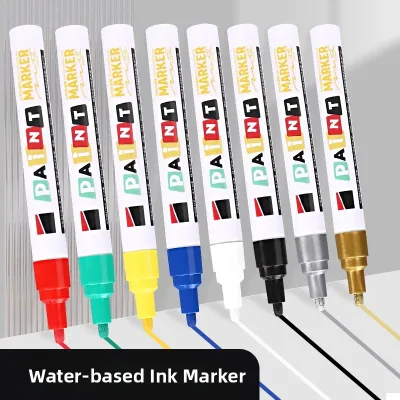
Paint markers are not all created equal, and they generally fall into three distinct categories based on their chemical formulation and intended application. The first category consists of craft and DIY markers, which are designed primarily for light decorative projects, journaling, scrapbooking, and basic customization. These markers typically use water-based acrylic inks that are easy to manage, low in odor, and highly accessible for beginners. The Lit Ontima paint marker generally aligns with this category, offering a user-friendly experience for everyday creative tasks.
The second category includes street art and graffiti markers, which prioritize high ink flow, intense pigmentation, and refillable designs. These markers are built to withstand rough handling and are often compatible with various replacement nibs to allow for artistic expression on large outdoor surfaces. Comparing a budget-friendly craft marker to a professional-grade street art marker is rarely a direct comparison, as the latter is engineered for rapid application and long-term durability under harsh conditions.
Products mentioned in this guide
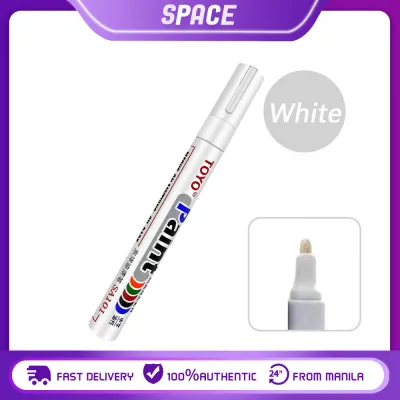
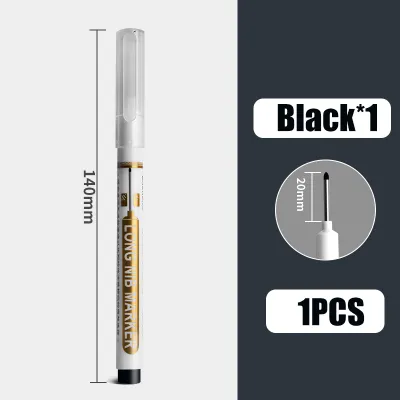
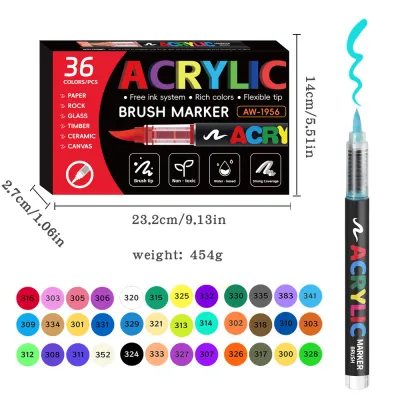
Prices are valid at publication and may change. Please refer to the product page for the latest price.
The third category comprises industrial labeling markers, which are formulated for heavy-duty applications in manufacturing, construction, or automotive settings. These markers often utilize robust solvent-based inks designed to adhere permanently to oily, wet, or extremely hot surfaces. In the humid and warm climate of the Philippines, understanding these categories is crucial; using a standard craft marker for an outdoor industrial task will likely lead to premature fading or peeling, whereas using an industrial marker for a simple indoor craft project may introduce unnecessary fumes and high costs.
Key Specifications to Verify on the Product Label
To make an objective comparison between the Lit Ontima paint marker and its competitors, you should carefully examine the physical and chemical specifications printed on the product packaging. The first physical attribute to check is the nib type and size, which directly dictates the line variation and ink flow of the marker. Many modern paint markers feature reversible nibs that allow you to switch between a rounded bullet tip for consistent line work and an angled chisel tip for broader strokes and filling in larger areas. Checking whether a marker offers replaceable nibs is also a great way to determine its long-term utility, as worn-out tips can render an otherwise full marker unusable.

The ink base and the resulting finish are equally important specifications to verify before purchasing. Water-based acrylic markers are highly favored for indoor use because they are virtually odorless and allow for easy cleanup with water before the ink fully cures. Conversely, solvent-based or oil-based markers provide superior adhesion on non-porous surfaces but require excellent ventilation during application due to stronger chemical fumes. You should also check the label for the intended finish, which can range from a flat matte or semi-gloss to vibrant metallic and fluorescent options, depending on your aesthetic goals.
Surface compatibility is another critical factor that varies widely across different brands and formulations. While many manufacturers claim their markers work seamlessly on glass, plastic, metal, wood, and fabric, the actual performance depends heavily on the texture and preparation of the material. Because independent laboratory tests are rarely available for every brand, the most reliable approach is to plan a small, hidden test patch on your specific material. This trial allows you to observe the drying speed, opacity, smoothness, and bleed resistance firsthand, ensuring the ink behaves correctly before you begin your main project.
Evaluating Value and Sourcing in the Local Market
Determining the true value of the Lit Ontima paint marker compared to other options in the Philippine market requires looking beyond the initial retail price on the shelf. A practical method for comparing cost-effectiveness is to calculate the price per milliliter (₱/ml) of ink. To do this, divide the retail price of the marker or set by the total volume of ink provided in the specifications. Some budget-friendly markers may seem like an incredible bargain upfront, but they often contain significantly less ink than premium alternatives, meaning you may end up spending more over time to complete a large project.
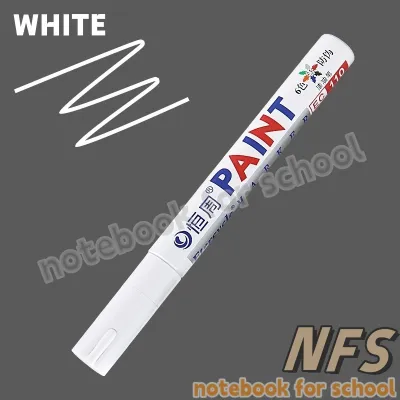
Ink volume capacities can vary widely even among markers of the same physical size, making this calculation essential for budget-conscious creators. Additionally, you should consider the availability of individual replacement markers versus full sets. If your project relies heavily on a single color, such as white or black, choosing a brand that allows you to purchase individual open-stock markers will save you from buying unnecessary multi-color packs just to replace a single exhausted color.
Sourcing your paint markers from authorized physical stationery stores or reputable online marketplaces is also vital for ensuring product quality and authenticity. In tropical regions, improper storage in hot, humid warehouses can cause the ink inside paint markers to dry out, clog, or experience permanent pigment separation before they are even sold. Purchasing from trusted sellers increases the likelihood that you are receiving fresh, properly stored inventory, and it often provides you with clearer return policies if you happen to encounter a defective or dried-out marker.
Decision Framework: Choosing the Right Marker for Your Project
Your final decision between the Lit Ontima paint marker and alternative brands should be guided by a clear framework that matches the marker’s strengths to the stakes of your specific project. You should choose the Lit Ontima paint marker if you are working on high-volume, low-stakes projects, temporary event signage, or basic school crafts where absolute archival longevity is not required. Its accessible price point makes it an excellent option for beginners who want to practice their techniques or complete casual DIY projects without a significant upfront investment.
On the other hand, you should opt for premium alternative paint markers if your project demands strict archival quality, precise color matching, or extreme resistance to environmental factors. Professional artwork intended for sale, outdoor murals exposed to intense tropical sunlight and heavy rainfall, and high-value custom merchandise all require specialized formulations that guarantee UV resistance and long-term color fastness. These premium options often feature highly refined pigments that resist fading and cracking over several years, justifying their higher price per milliliter.
Before making any purchase, always verify the specific requirements of your working surface and the safety needs of your environment. If your project involves children, prolonged skin contact, or indoor spaces with limited airflow, prioritize markers that carry certified non-toxic seals and water-based formulas. By matching the marker’s category, specifications, and cost to the actual demands of your creative work, you can select the ideal tool that delivers reliable performance and excellent value.
Frequently Asked Questions (FAQ)
How do I properly prime a new paint marker before first use?
To properly prime a new paint marker, start by shaking the marker vigorously with the cap securely fastened to ensure the mixing ball thoroughly blends the settled pigment and solvent. Next, place the marker tip-down on a piece of scrap paper or cardboard and gently press the nib downward to compress the internal valve. Hold it down for a second or two, then release, repeating this pumping motion rhythmically until you see the ink begin to flow down and fully saturate the nib. Avoid pressing too hard or pumping too rapidly, as excessive force can damage the nib fibers or cause the ink to flood and pool on your surface.
What is the best way to store paint markers to prevent them from drying out?
The most effective way to store paint markers is horizontally, as this position keeps the ink evenly distributed throughout the barrel and prevents the pigment from settling entirely at the back or clogging the nib. Always ensure that you click the cap shut firmly immediately after each use to maintain an airtight seal and prevent the solvent from evaporating. In warm, humid climates, store your markers in a cool, dry drawer or container away from direct sunlight and heat sources, which can cause the ink formula to separate or dry out prematurely.
Community discussion
Share your experience or ask a question. Comments are reviewed before publication.